Bali Wildlife
Every Spices Matter


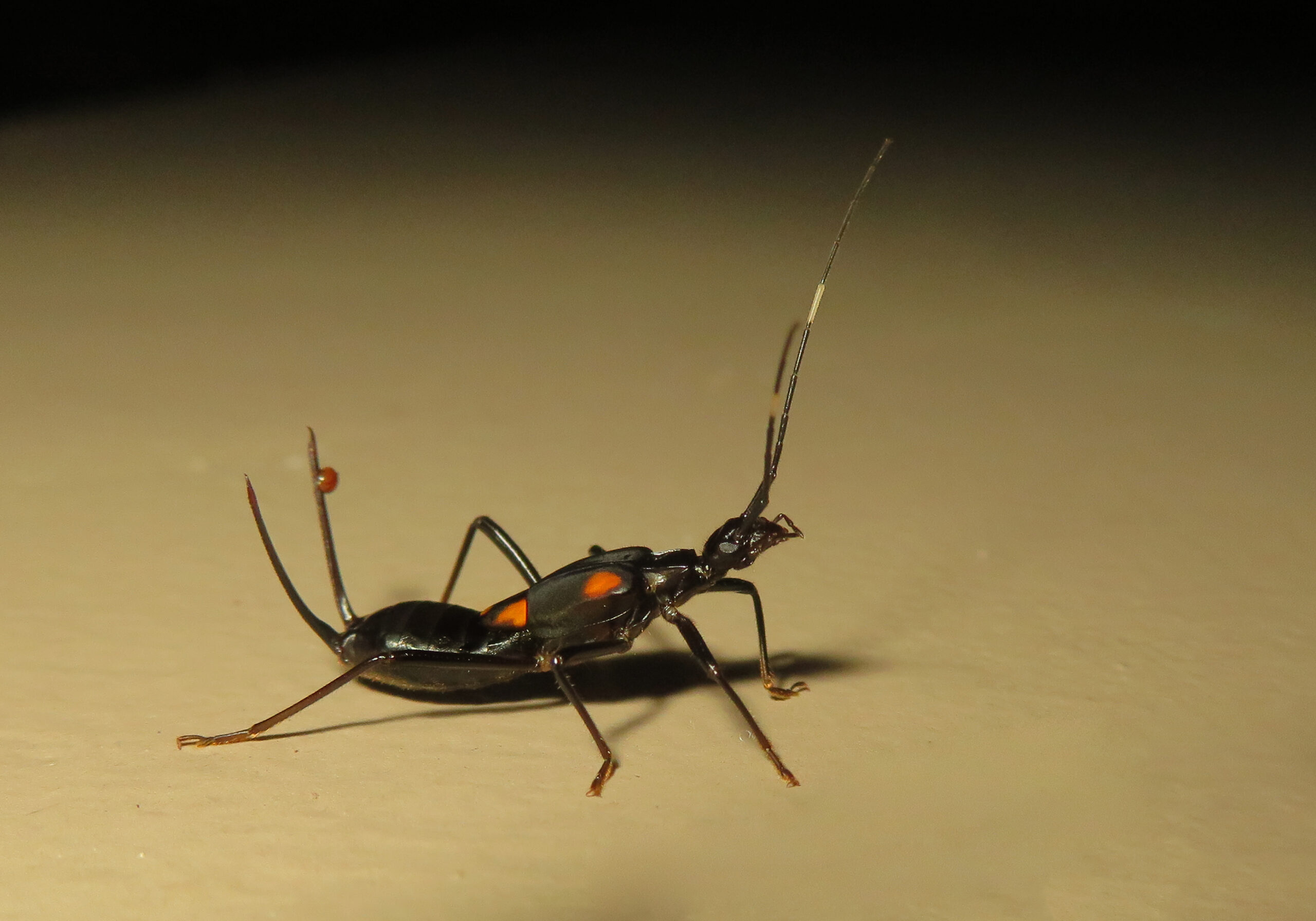
Eteodermaptera is a parvorder within the infraorder Epidermaptera (Suborder Neodermaptera, Order Dermaptera), comprising the majority of modern earwigs. Members of this group are widely distributed across the globe and inhabit a broad range of environments, including forests, grasslands, agricultural lands, gardens, wetlands, and urban habitats. They are typically associated with moist and sheltered microhabitats such as leaf litter, under bark, beneath stones, and within soil crevices.
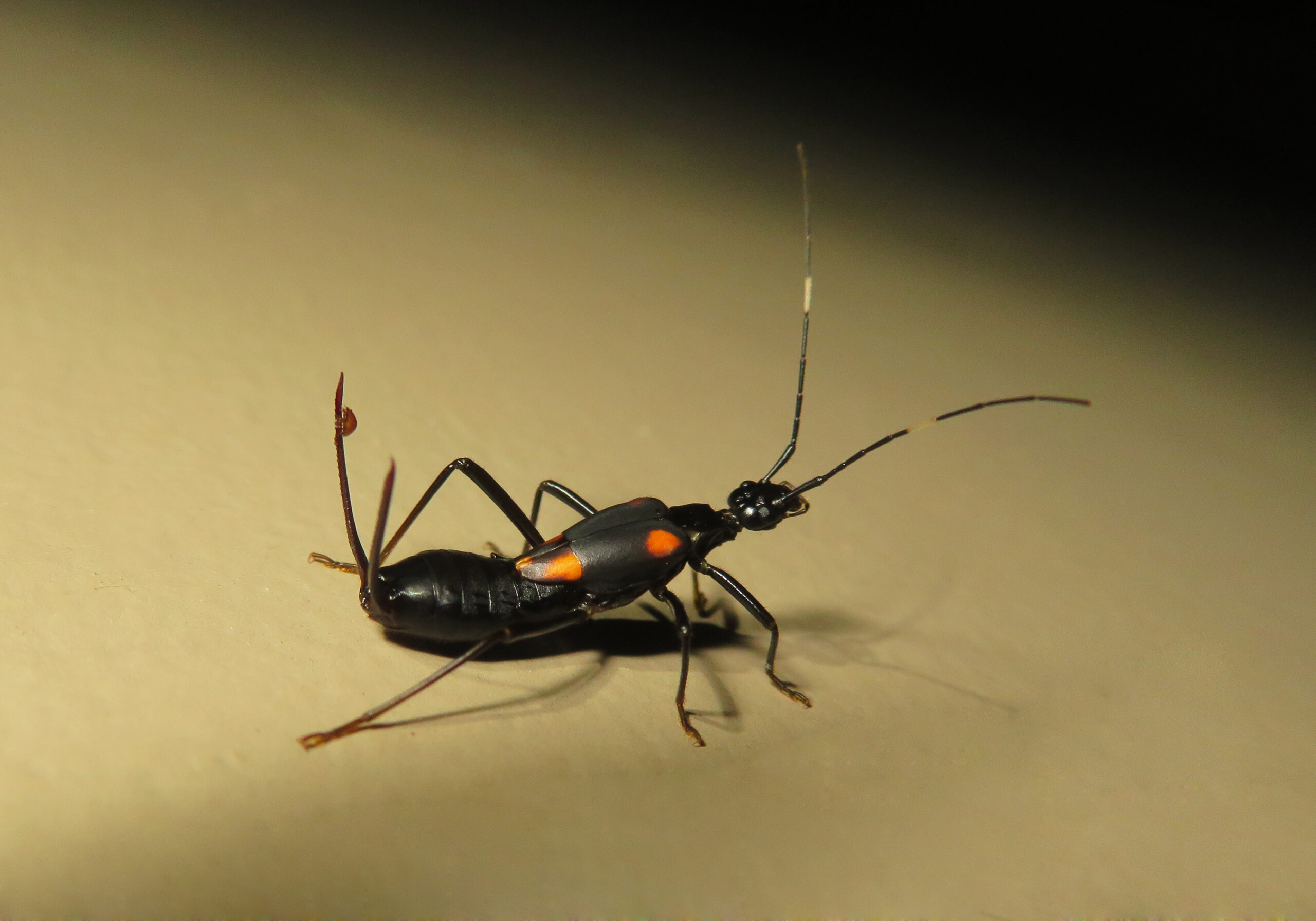
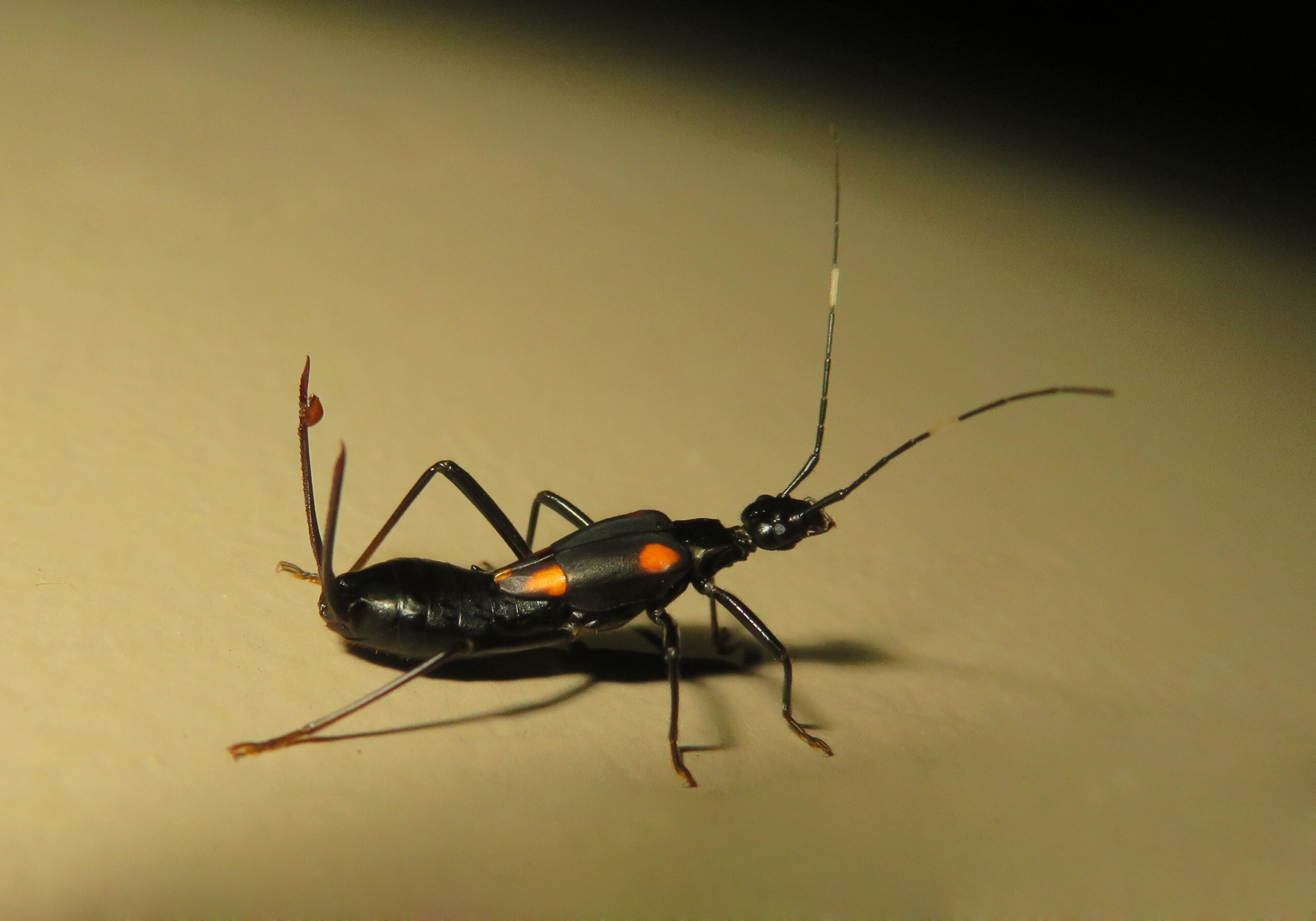
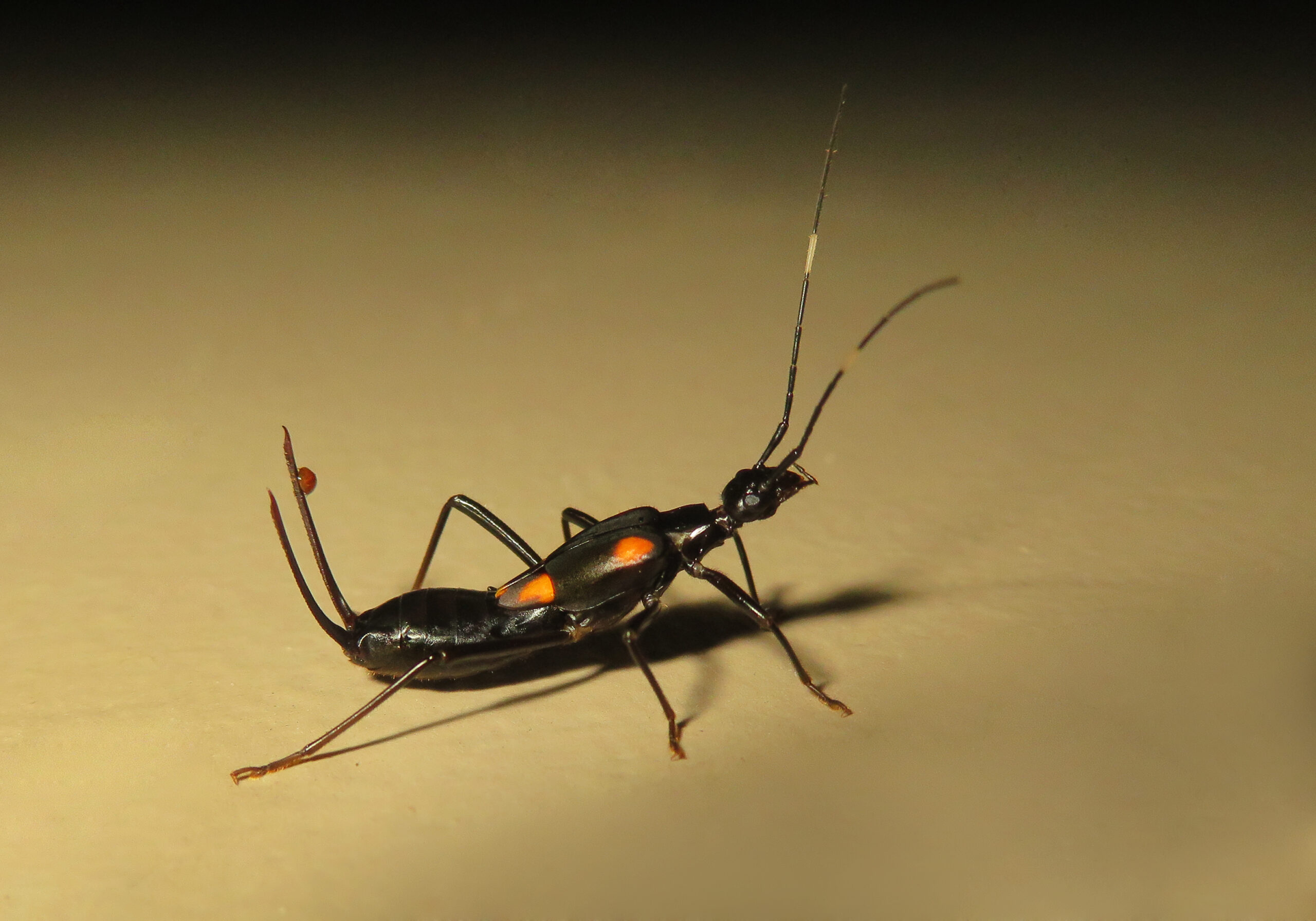
Earwigs of the parvorder Eteodermaptera are generally characterized by an elongated, flattened body and a pair of well-developed forceps-like cerci at the tip of the abdomen. These cerci are used for defense, prey handling, courtship, and interactions with other individuals. Sexual dimorphism is common, with males often possessing more curved or enlarged cerci than females.
The head bears chewing mouthparts and long, multi-segmented antennae. Most species are dark brown, reddish-brown, or black in coloration, providing effective camouflage in their natural habitats. Wings may be fully developed, reduced, or absent depending on the species. When present, the hind wings are intricately folded beneath short leathery forewings.
Development occurs through incomplete metamorphosis, consisting of egg, nymph, and adult stages. Maternal care is a notable feature of many species, with females guarding eggs and young nymphs, cleaning the eggs, and protecting offspring during early development.
Feeding habits are diverse and largely omnivorous. Members of Eteodermaptera consume decaying plant material, fungi, algae, seeds, fruits, and a variety of small invertebrates. Many species are beneficial predators of aphids, mites, and other soft-bodied insects.
The parvorder includes several well-known earwig families, such as Forficulidae, Chelisochidae, Spongiphoridae, and related groups, representing most of the diversity seen in modern earwigs.
Ecologically, Eteodermaptera plays an important role in decomposition, nutrient recycling, and biological control of small arthropods. They contribute to ecosystem balance as both predators and scavengers and serve as prey for a wide range of animals. Despite their intimidating appearance, most species are harmless to humans and are beneficial components of natural and agricultural ecosystems.