

Subfamily Erebinae
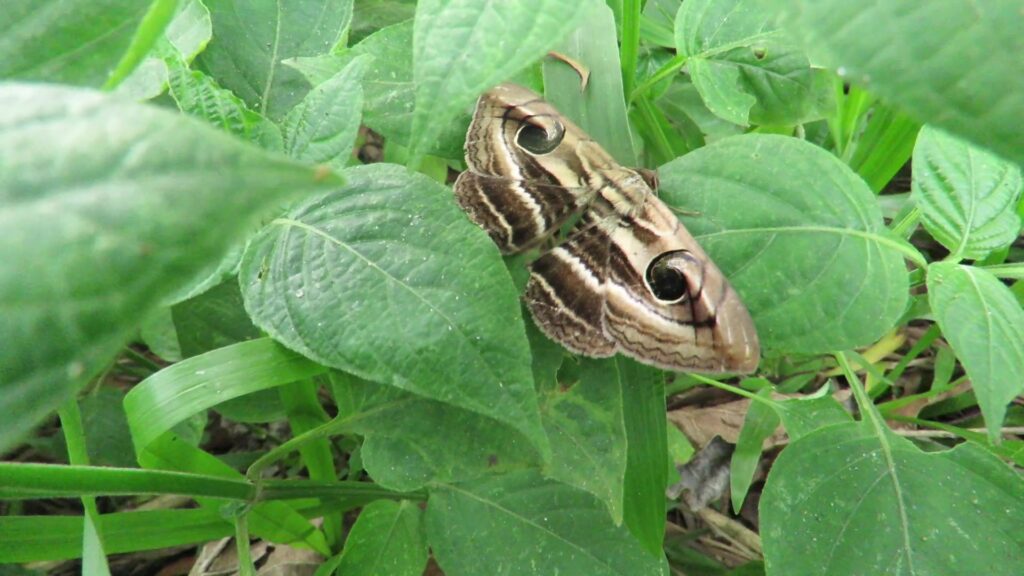
Subfamily Erebinae is a diverse group of moths belonging to the family Erebidae within the order Lepidoptera. Its members are distributed worldwide, with particularly high diversity in tropical and subtropical regions, where they inhabit forests, grasslands, wetlands, shrublands, and agricultural landscapes. The subfamily includes numerous moths with considerable variation in body size, wing shape, coloration, and behavior. Many species possess broad wings with intricate patterns of brown, gray, black, cream, or contrasting colors that provide camouflage against tree bark, dead leaves, and other natural surfaces. Some species also display conspicuous eyespots, bands, or brightly colored hindwings that may startle predators or serve as warning signals. Adults are generally nocturnal, although some species are active during twilight or daylight hours. Their feeding habits vary considerably, with many adults consuming fruit juices, tree sap, nectar, or other sugary substances, while some species feed little or not at all during adulthood. The larvae are typically caterpillars that feed on the leaves of various host plants, although dietary preferences differ among species. Like other moths, members of Erebinae undergo complete metamorphosis, progressing through egg, larval, pupal, and adult stages. Their larvae and adults serve as food for birds, bats, parasitoid wasps, and other predators, making them important components of terrestrial food webs. Some species contribute to pollination or nutrient cycling through their feeding activities, while others may occasionally become agricultural or forestry pests when populations increase. The subfamily contains substantial ecological and morphological diversity, reflecting adaptations to different habitats and food resources. Although many species are widespread and relatively adaptable, others may be affected by habitat destruction, pesticide exposure, and changes in vegetation. Through their varied life histories, defensive adaptations, and interactions with plants and predators, Erebinae represents an important component of moth diversity in terrestrial ecosystems.