

Plant-eating Lady Beetles (Tribe Epilachnini)
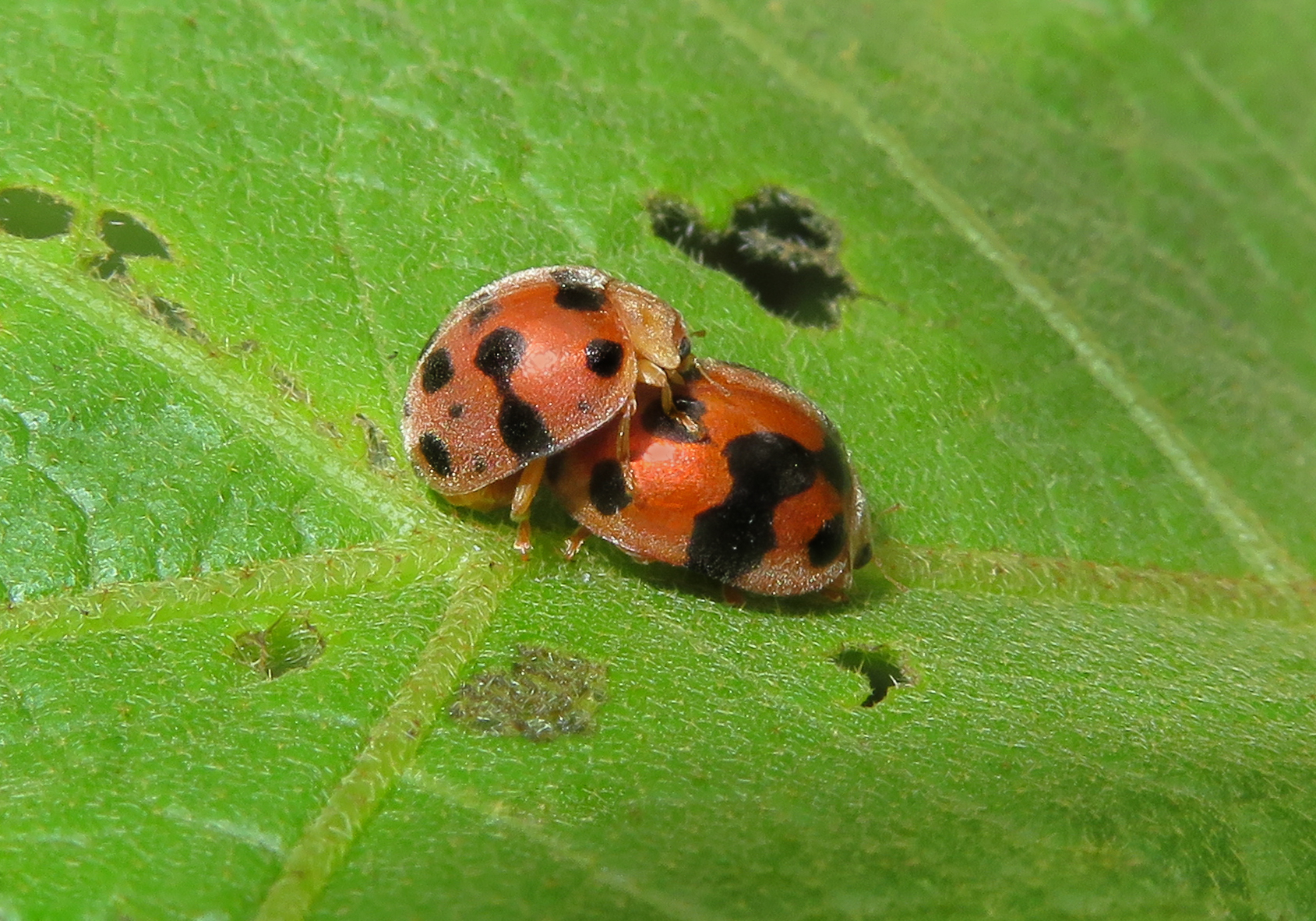
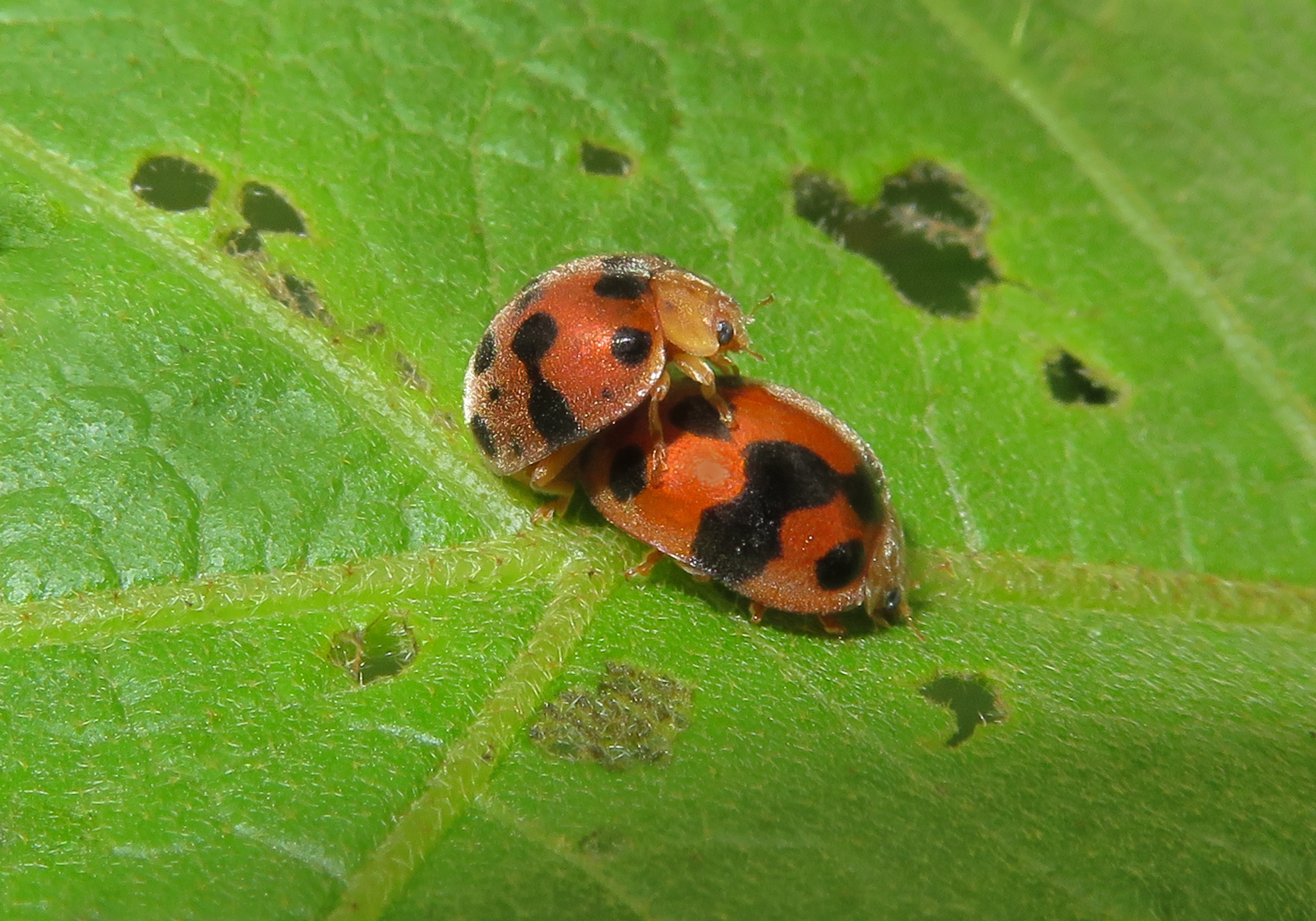
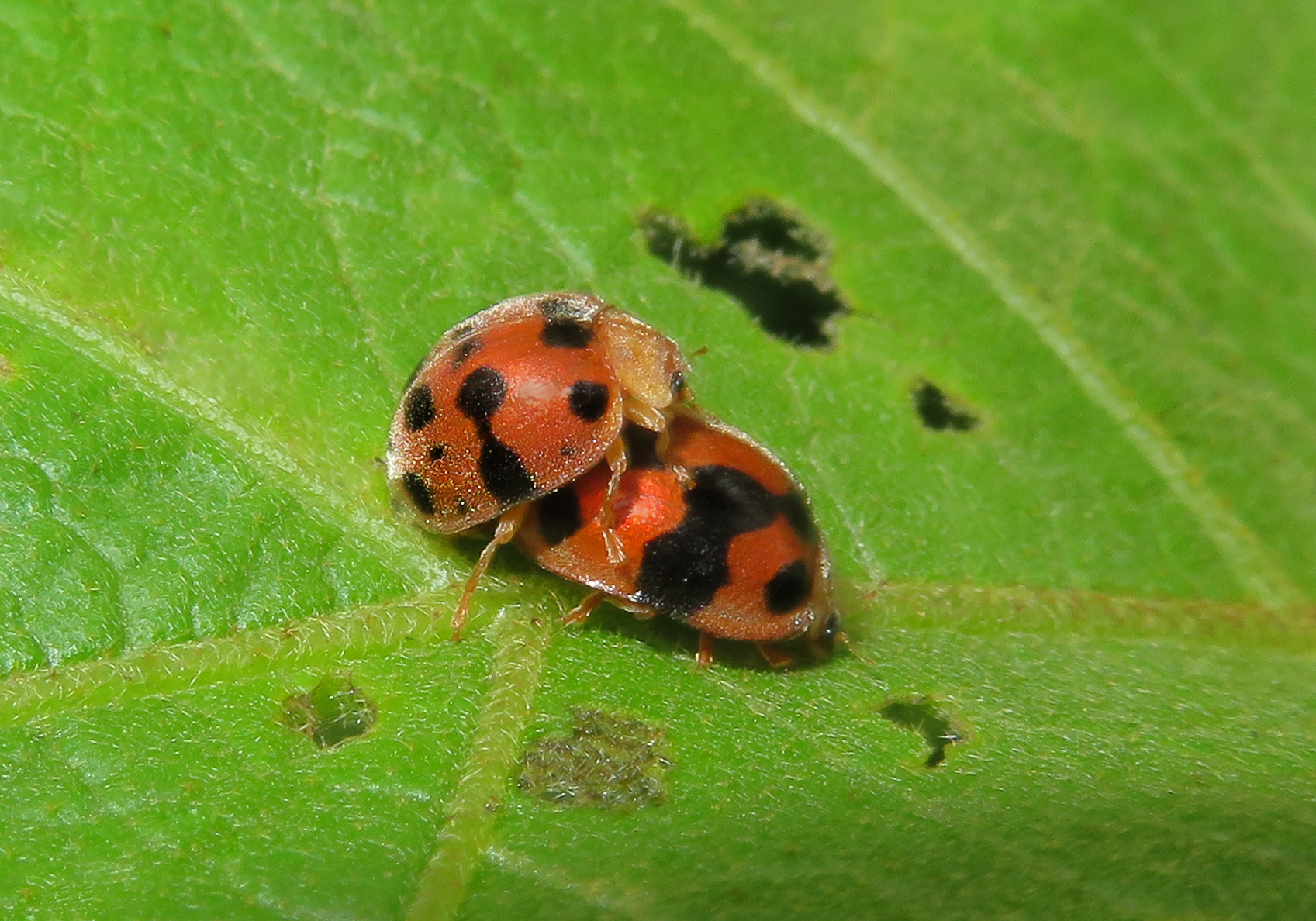
Epilachnini is a tribe of ladybird beetles within the subfamily Epilachninae (Family Coccinellidae, Order Coleoptera). Unlike most ladybird beetles, which are predatory, members of Epilachnini are primarily herbivorous, feeding on the leaves and other tissues of flowering plants. The tribe is distributed worldwide, with the greatest diversity occurring in tropical and subtropical regions of Asia, Africa, and the Americas.
Beetles of the tribe Epilachnini are generally small to medium-sized and possess the characteristic dome-shaped, oval body of ladybird beetles. Their coloration is highly variable and often includes combinations of yellow, orange, red, brown, or black, with distinctive spots, stripes, or reticulated patterns on the wing covers (elytra). Many species are covered with fine hairs, giving them a slightly velvety appearance.
Adults and larvae are herbivorous and feed mainly on leaves, flowers, fruits, or stems of a wide variety of host plants. Many species show preferences for particular plant families, especially Cucurbitaceae (gourds), Solanaceae (nightshades), Fabaceae (legumes), and Asteraceae (daisies). Feeding often produces a characteristic “skeletonized” appearance, where soft leaf tissue is removed while the veins remain intact.
The life cycle involves complete metamorphosis with four stages: egg, larva, pupa, and adult. Females typically lay clusters of yellow eggs on the underside of host plant leaves. The larvae are soft-bodied and covered with branched spines, which provide protection against predators. Pupation occurs on the host plant, and adults emerge after completing metamorphosis.
The tribe includes numerous genera, such as Epilachna, Henosepilachna, Afidenta, and related groups. Several species are recognized as economically important agricultural pests because they feed on cultivated crops.
Ecologically, Epilachnini beetles function as herbivores that influence plant growth and community dynamics. They also serve as prey for birds, spiders, predatory insects, and parasitoids, contributing to terrestrial food webs. Although some species are significant crop pests, they remain important components of biodiversity and play a role in the ecological interactions between plants and insects.