Bali Wildlife
Every Spices Matter


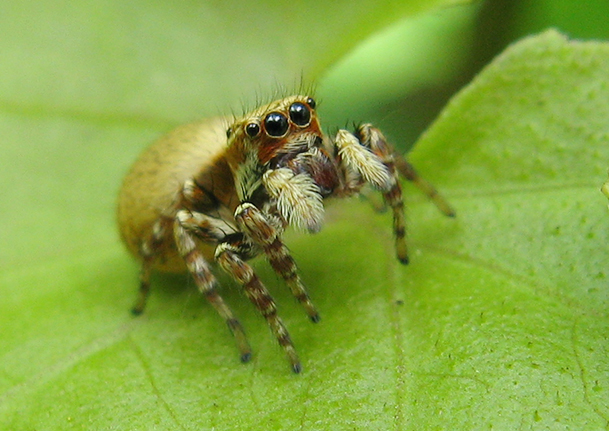
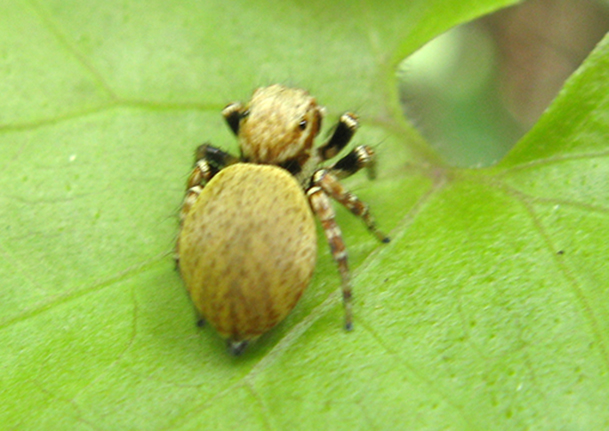
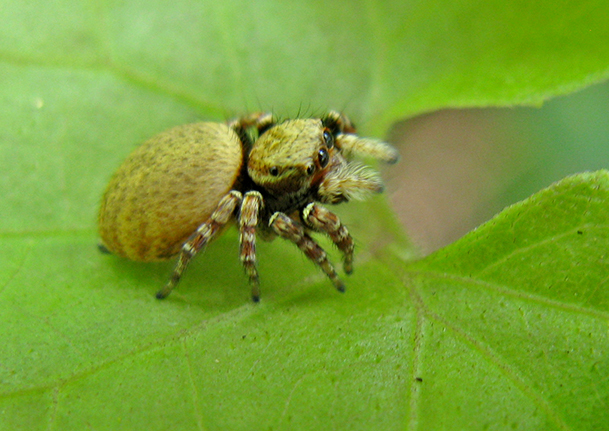
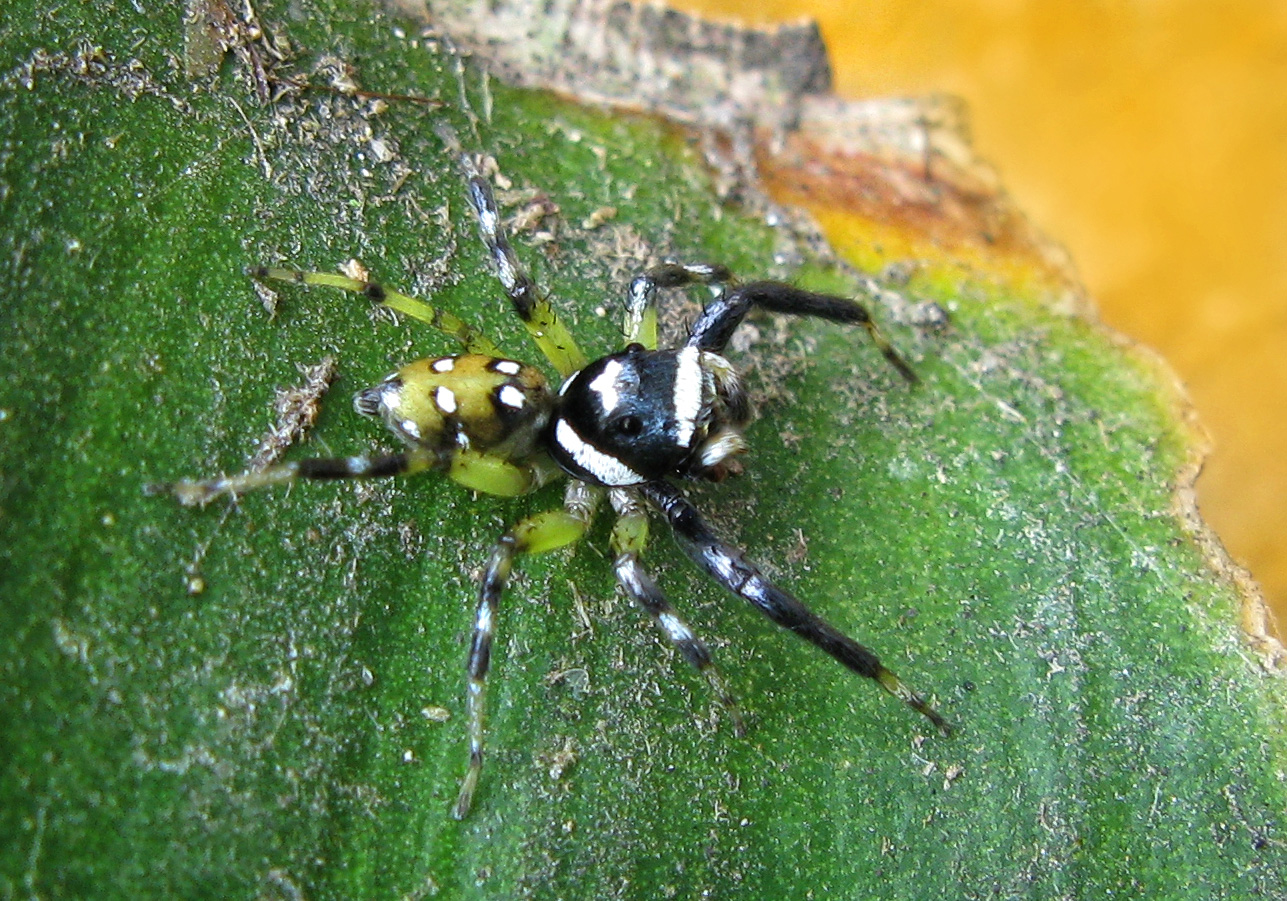
Entelegynae is a major infraorder within the suborder Araneomorphae (Order Araneae), comprising the majority of modern spiders. This infraorder is globally distributed and includes most of the familiar web-building and hunting spiders found in a wide range of terrestrial habitats, from forests and grasslands to deserts and urban environments.
Members of Entelegynae are primarily distinguished by the structure of the female reproductive system. Females possess a complex genital anatomy with a separate copulatory opening and fertilization opening, a condition known as entelegyne. This contrasts with the simpler haplogyne condition found in more basal araneomorph spiders. Male palpal organs in Entelegynae are correspondingly complex and species-specific, playing a key role in reproductive isolation and species identification.
Entelegyne spiders exhibit great diversity in body size, shape, and behavior. They include both web-building and cursorial (active hunting) species. Silk use is highly developed, with many species constructing elaborate orb webs, sheet webs, funnel webs, or irregular tangle webs, while others use silk mainly for draglines, egg sacs, and retreats.
Respiration typically occurs through tracheae or a combination of tracheae and book lungs, allowing efficient gas exchange. Most species have eight simple eyes arranged in characteristic patterns, though visual acuity varies widely among families. Venom is commonly used to immobilize prey, which consists mainly of insects and other small arthropods.
Entelegynae undergo direct development, with spiderlings hatching as miniature versions of adults. Ecologically, the infraorder is extremely important, as its members dominate terrestrial predatory arthropod communities and contribute significantly to the regulation of insect populations. The advanced reproductive anatomy and behavioral diversity of Entelegynae have been key factors in their evolutionary success and remarkable species richness.