Bali Wildlife
Every Spices Matter


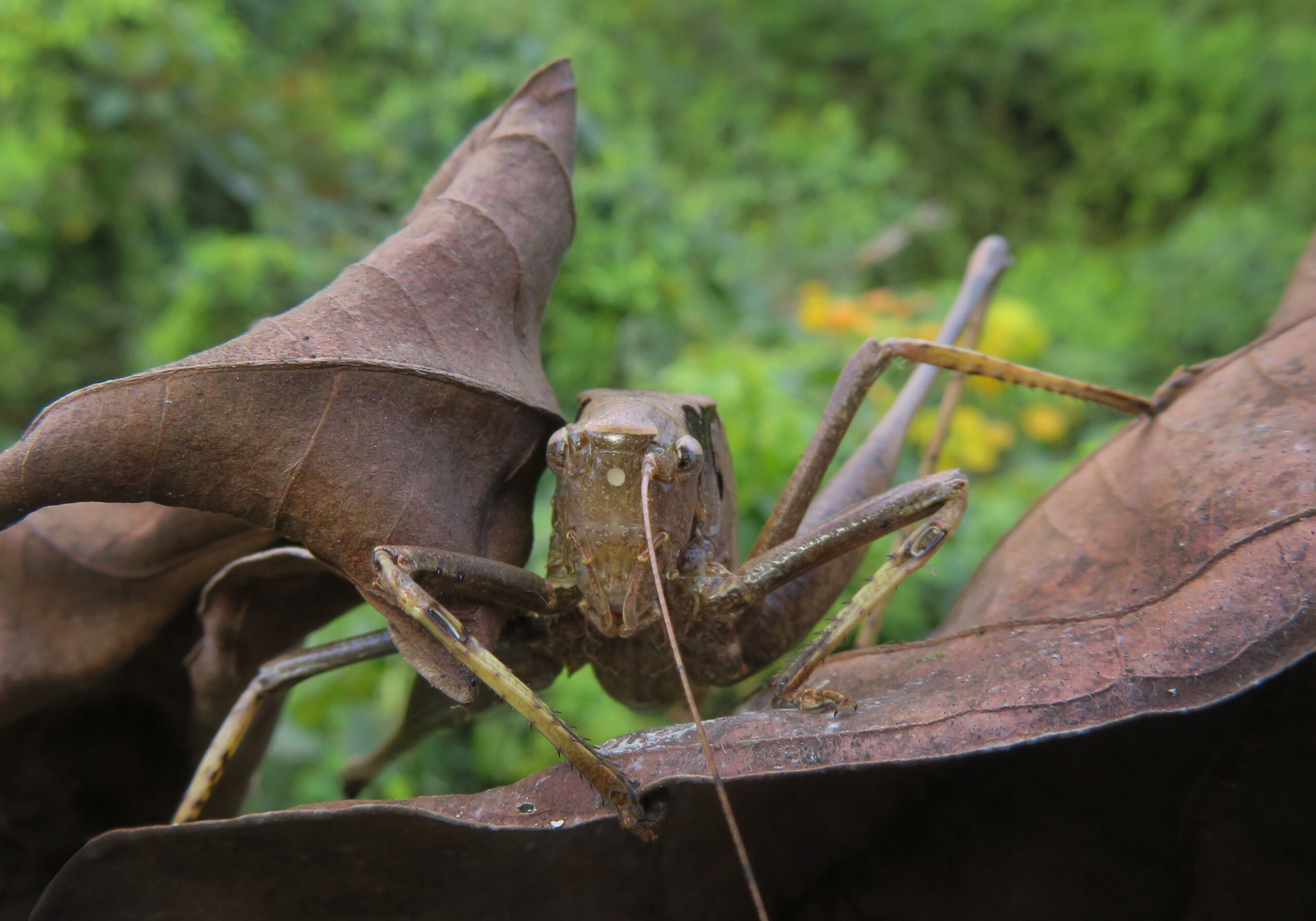
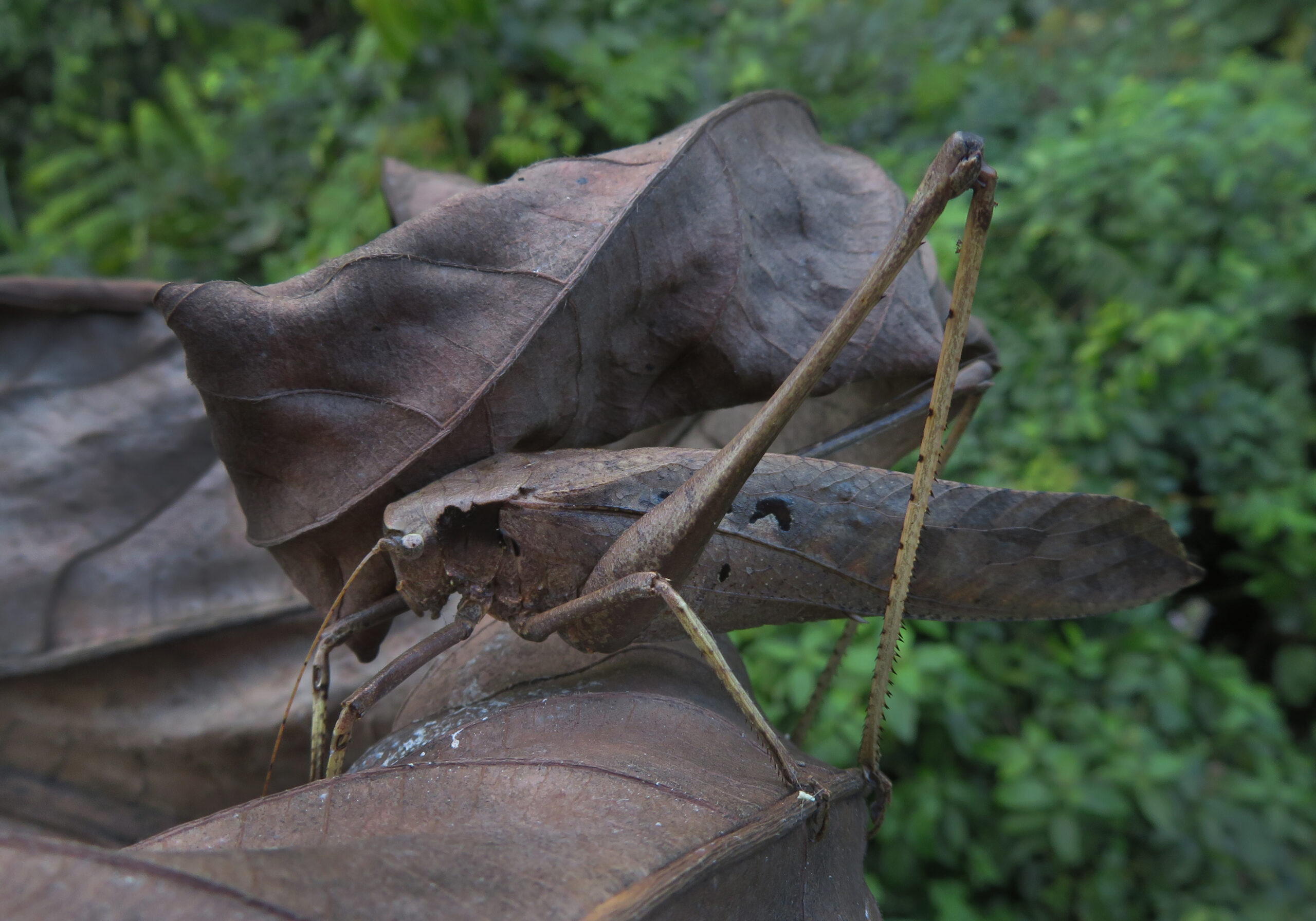
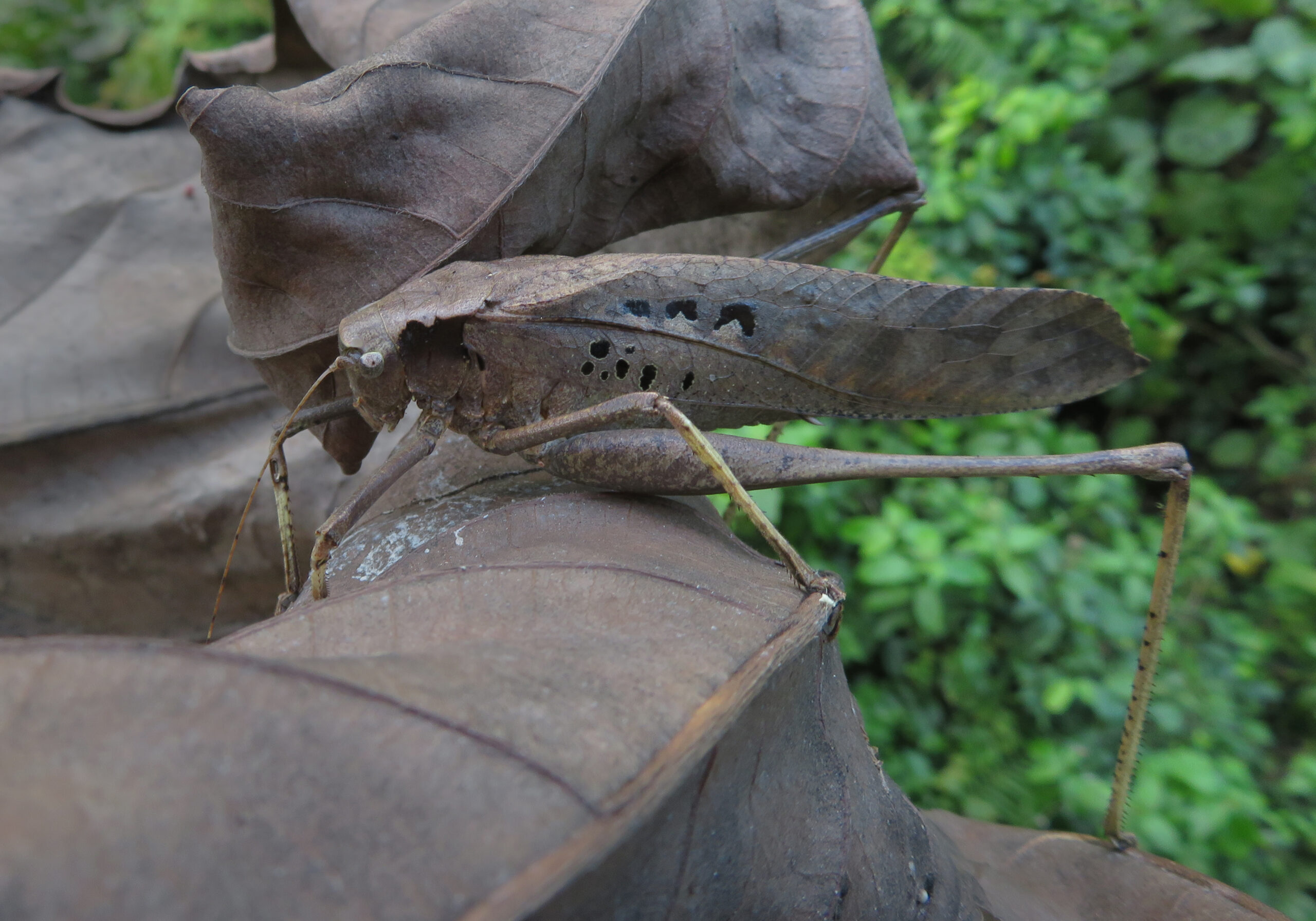
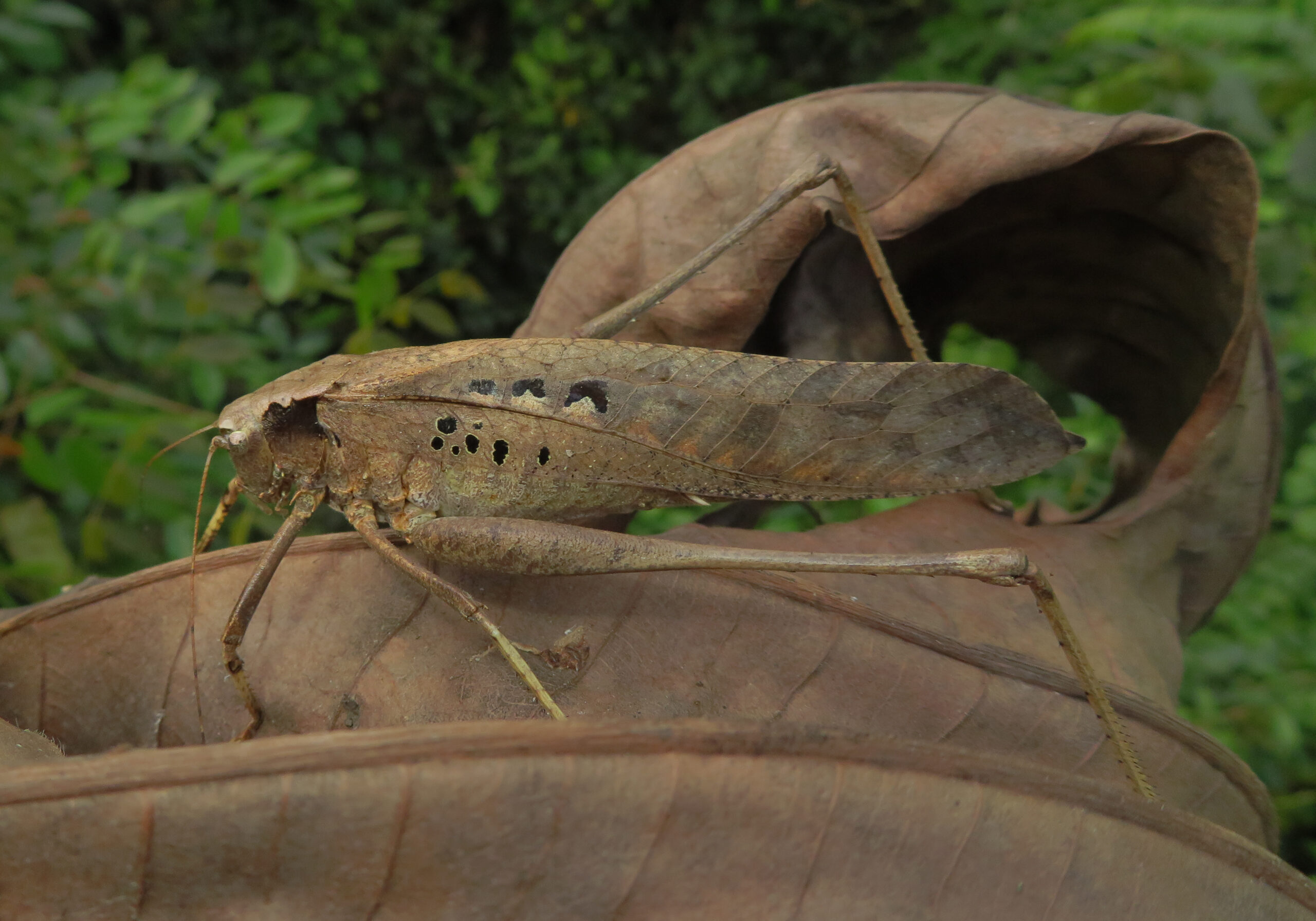
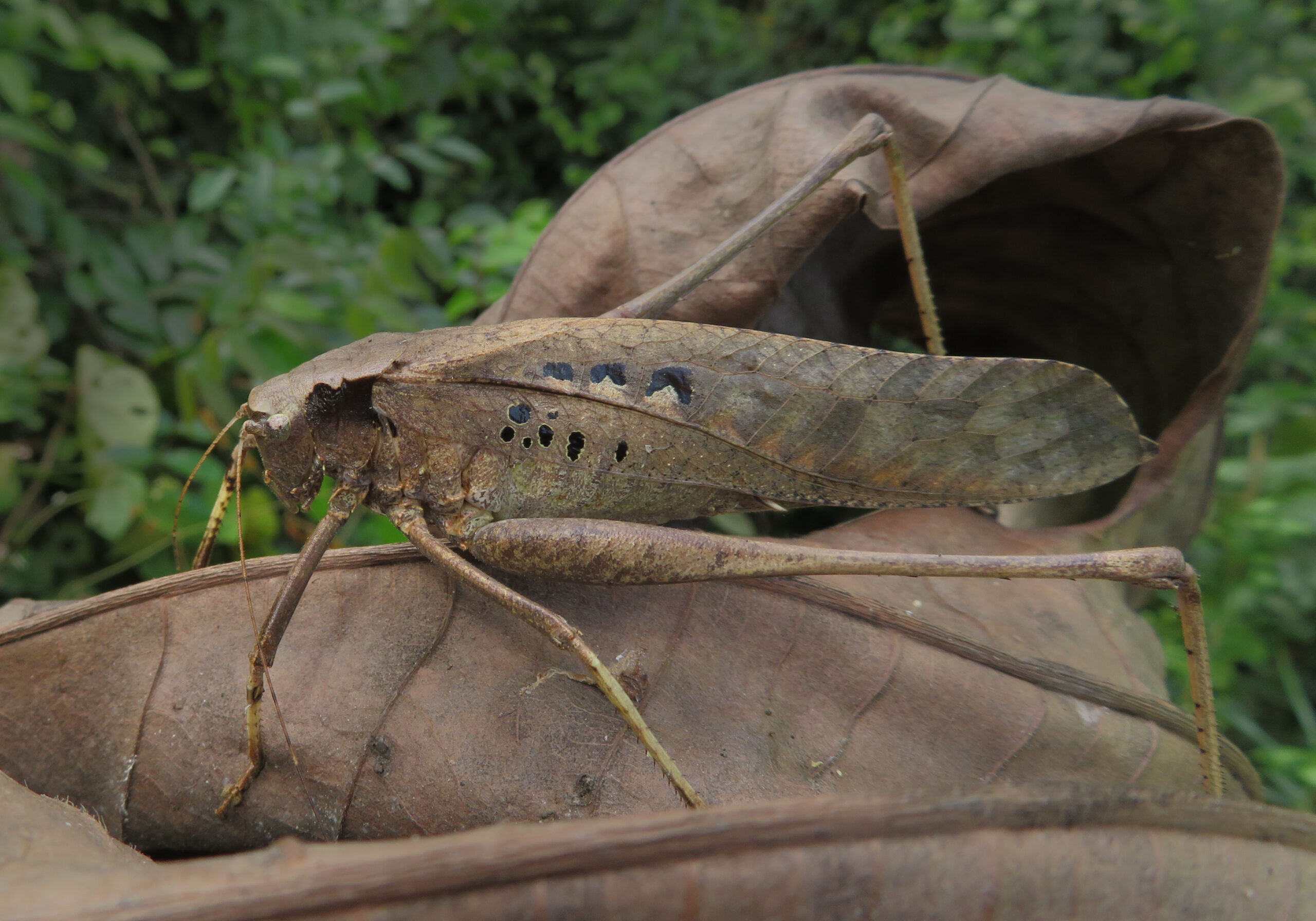
Ensifera is a suborder within the order Orthoptera that includes crickets, katydids, bush-crickets, mole crickets, and their relatives. Members of this suborder are primarily nocturnal and are widely distributed across terrestrial habitats, with greatest diversity in tropical and subtropical regions.
Ensiferans are characterized by their long, slender, filamentous antennae, which are usually longer than the body, and by the presence of a well-developed ovipositor in females that is often elongated and sword-like, giving the suborder its name (ensifer meaning “sword-bearing”). The body is generally slender, and the hind legs are enlarged and adapted for jumping, though in some groups, such as mole crickets, the forelegs are modified for digging.
Most Ensifera possess two pairs of wings, with the forewings forming leathery tegmina and the hindwings membranous. Many species are capable of producing sounds through stridulation, typically by rubbing the forewings together, and they detect sounds using tympanal organs located on the fore tibiae. Acoustic communication plays an important role in mate attraction and species recognition.
Development is hemimetabolous, with egg, nymph, and adult stages. Nymphs resemble adults in general appearance but lack fully developed wings and reproductive structures. Feeding habits in Ensifera vary widely and include herbivory, omnivory, scavenging, and predation.
Ecologically, ensiferans are important components of terrestrial ecosystems, functioning as herbivores, predators, and prey for a variety of animals. Many species contribute to nutrient cycling and serve as indicators of habitat quality, while others are of economic importance as agricultural pests or, in some cultures, as food sources.