Bali Wildlife
Every Spices Matter


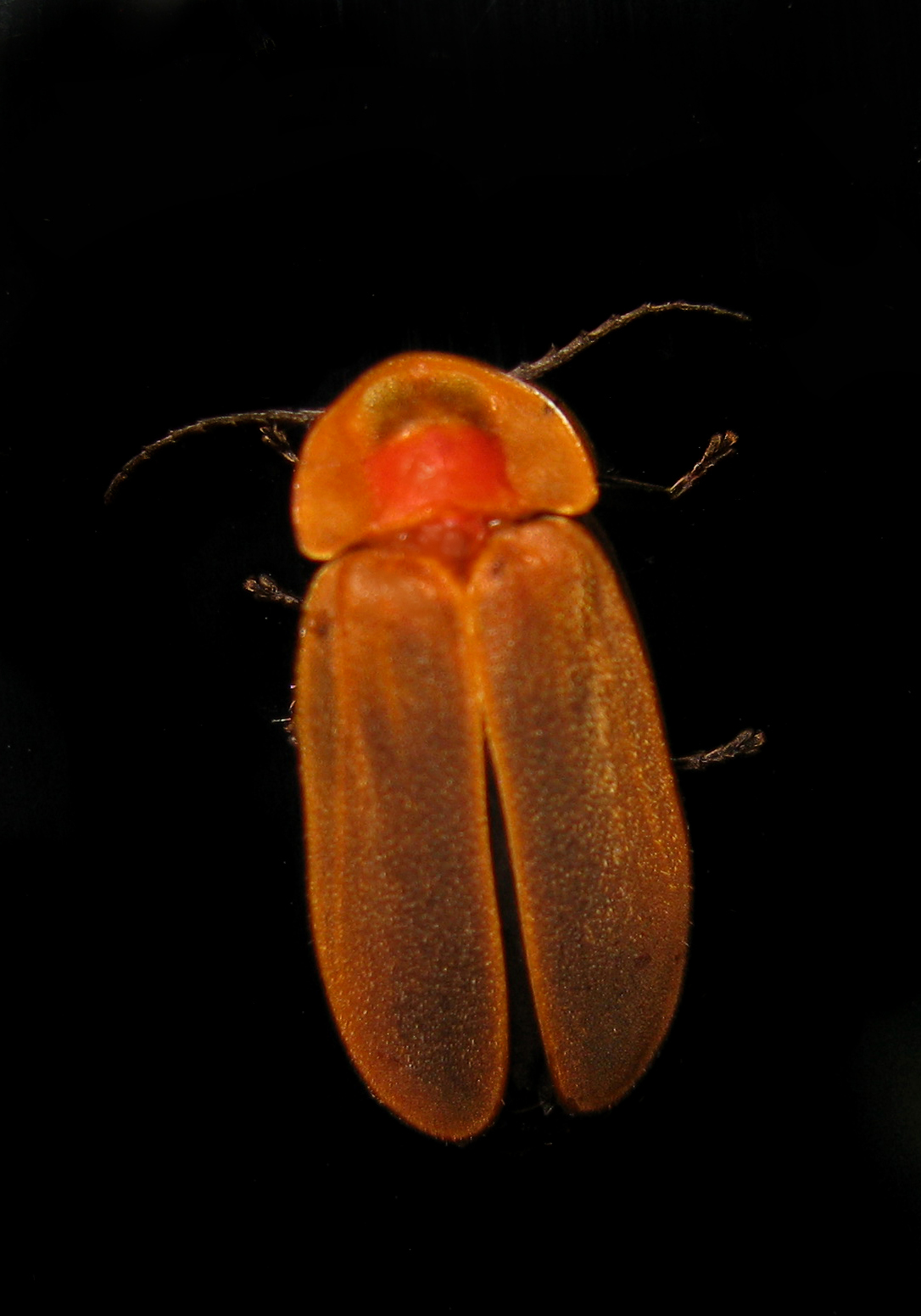
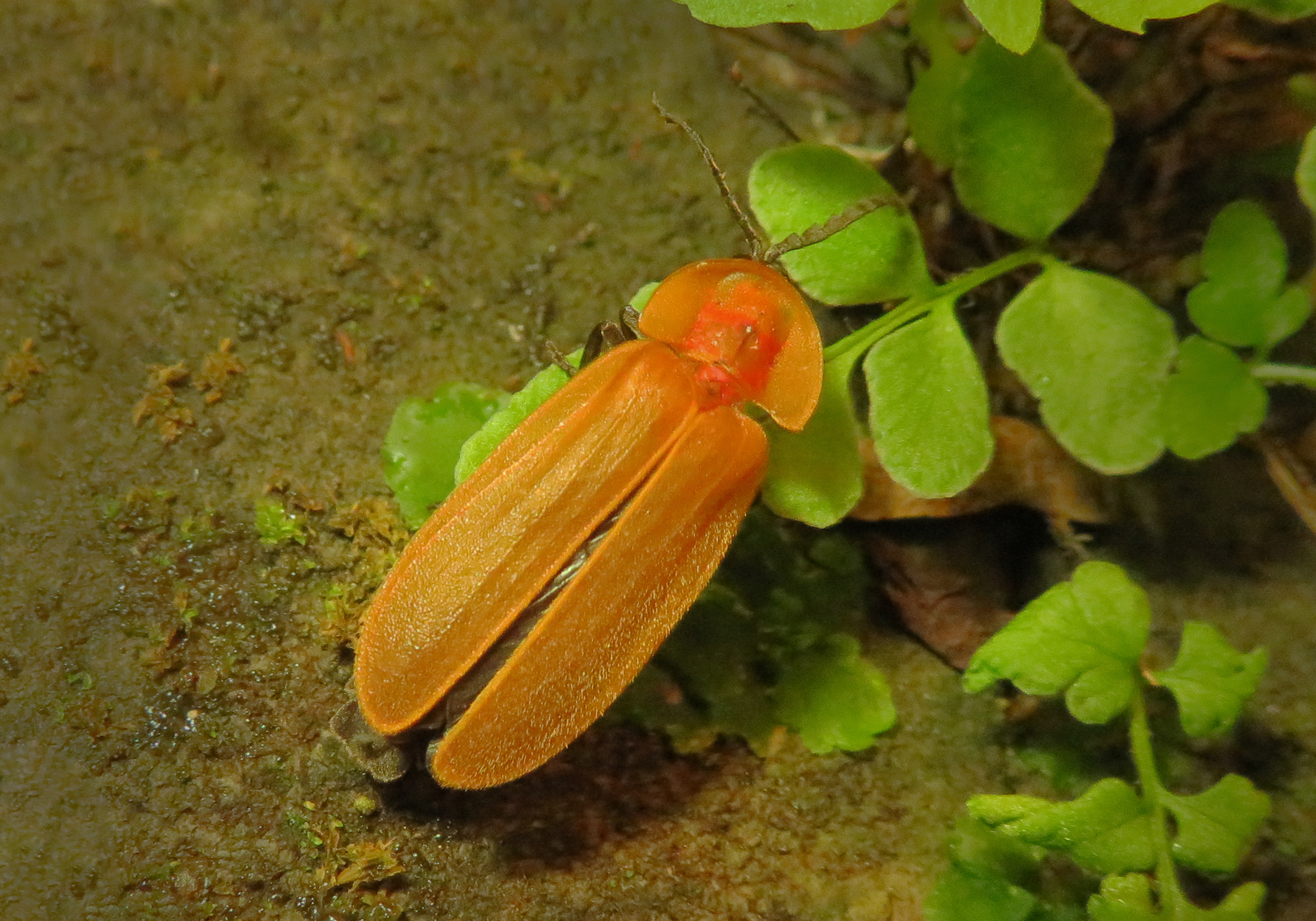
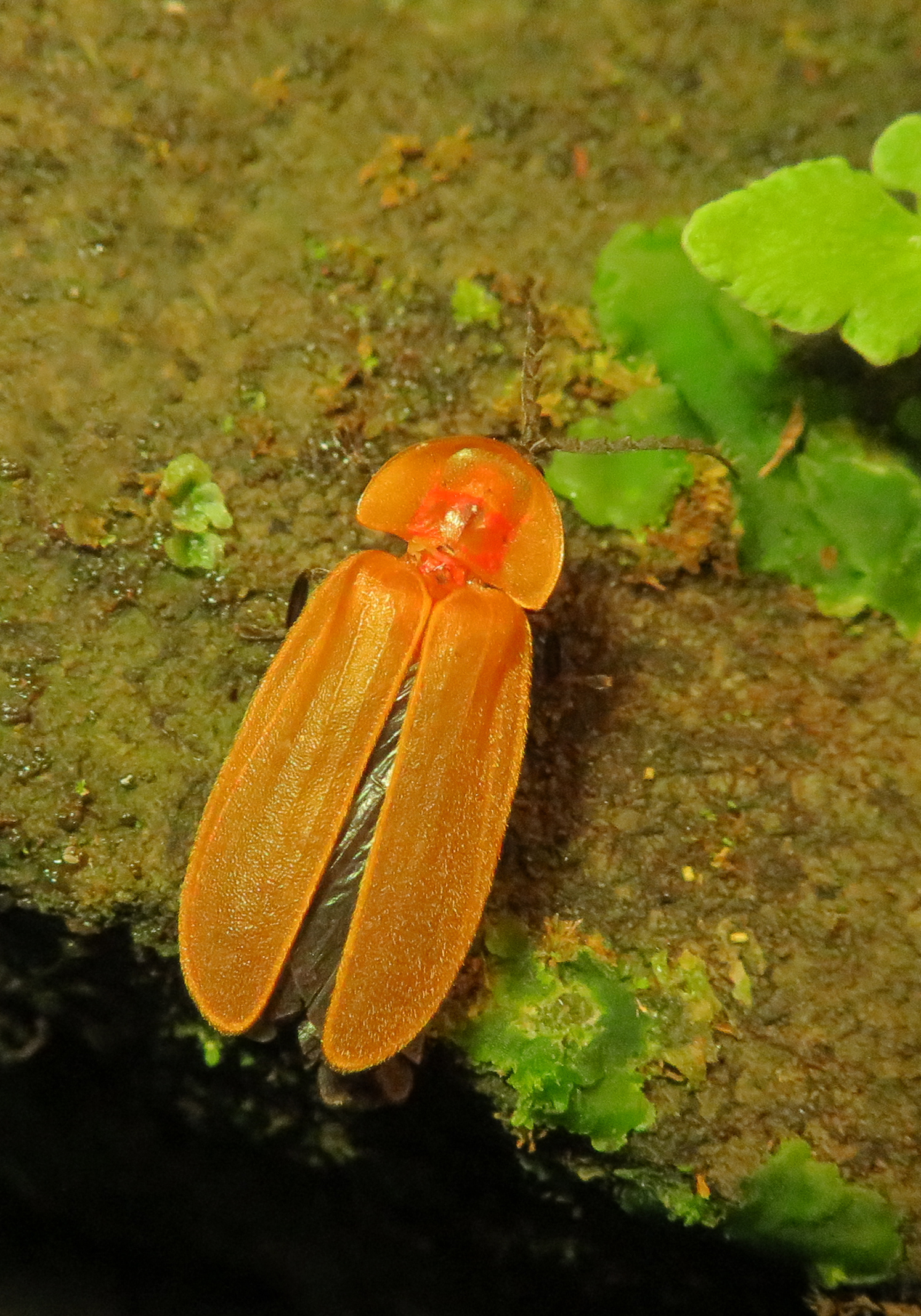
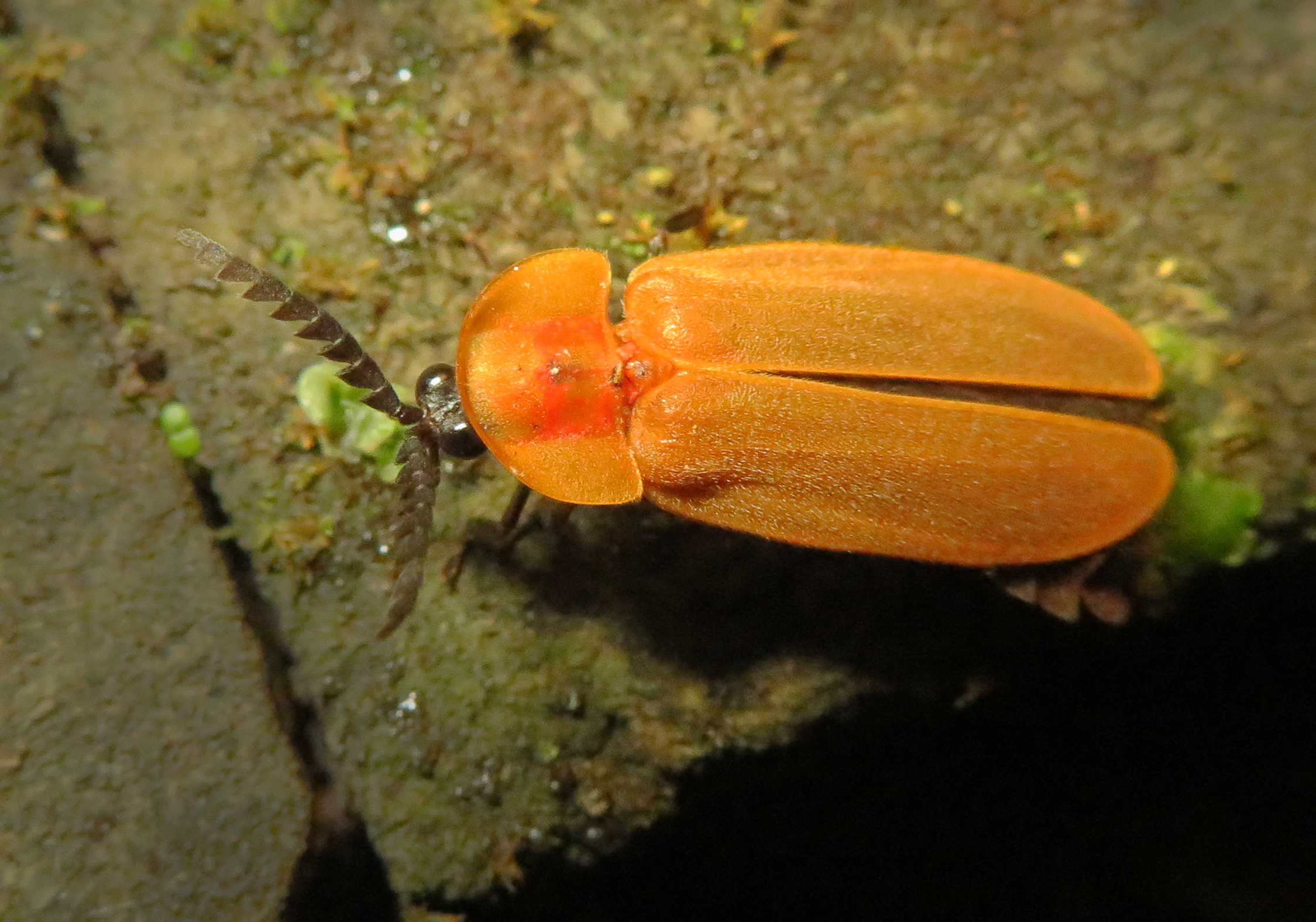
Elateroidea is a large and diverse superfamily within the infraorder Elateriformia (Order Coleoptera, Suborder Polyphaga). It includes several well-known beetle families such as click beetles (Elateridae), fireflies (Lampyridae), soldier beetles (Cantharidae), net-winged beetles (Lycidae), and their relatives.
Members of Elateroidea are typically elongate and soft- to moderately hard-bodied beetles, though body form varies widely among families. Many species have parallel-sided bodies with well-developed elytra. In click beetles (Elateridae), the prothorax is modified into a distinctive clicking mechanism, allowing the beetle to snap its body and flip into the air when overturned.
One of the most notable characteristics within this superfamily is bioluminescence, especially in fireflies (Lampyridae) and some click beetles. Light production is generated by specialized abdominal organs and is primarily used in courtship communication, though it may also function in defense.
Larvae of Elateroidea are diverse in structure and ecology. Many are predatory, feeding on other invertebrates, while others are saprophagous or herbivorous. Wireworms (larvae of click beetles) are typically soil-dwelling and may feed on plant roots, sometimes becoming agricultural pests. Firefly larvae are often predators of snails and other soft-bodied organisms.
Adults inhabit a wide range of ecosystems including forests, grasslands, wetlands, agricultural lands, and urban environments. Feeding habits vary from nectar and pollen feeding to predation or reduced feeding in short-lived adults.
The life cycle follows complete metamorphosis: egg, larva, pupa, and adult, with development duration varying among species.
Superfamily Elateroidea represents a prominent lineage of beetles characterized by morphological diversity, ecological adaptability, and notable evolutionary innovations such as clicking mechanisms and bioluminescence.