Bali Wildlife
Every Spices Matter


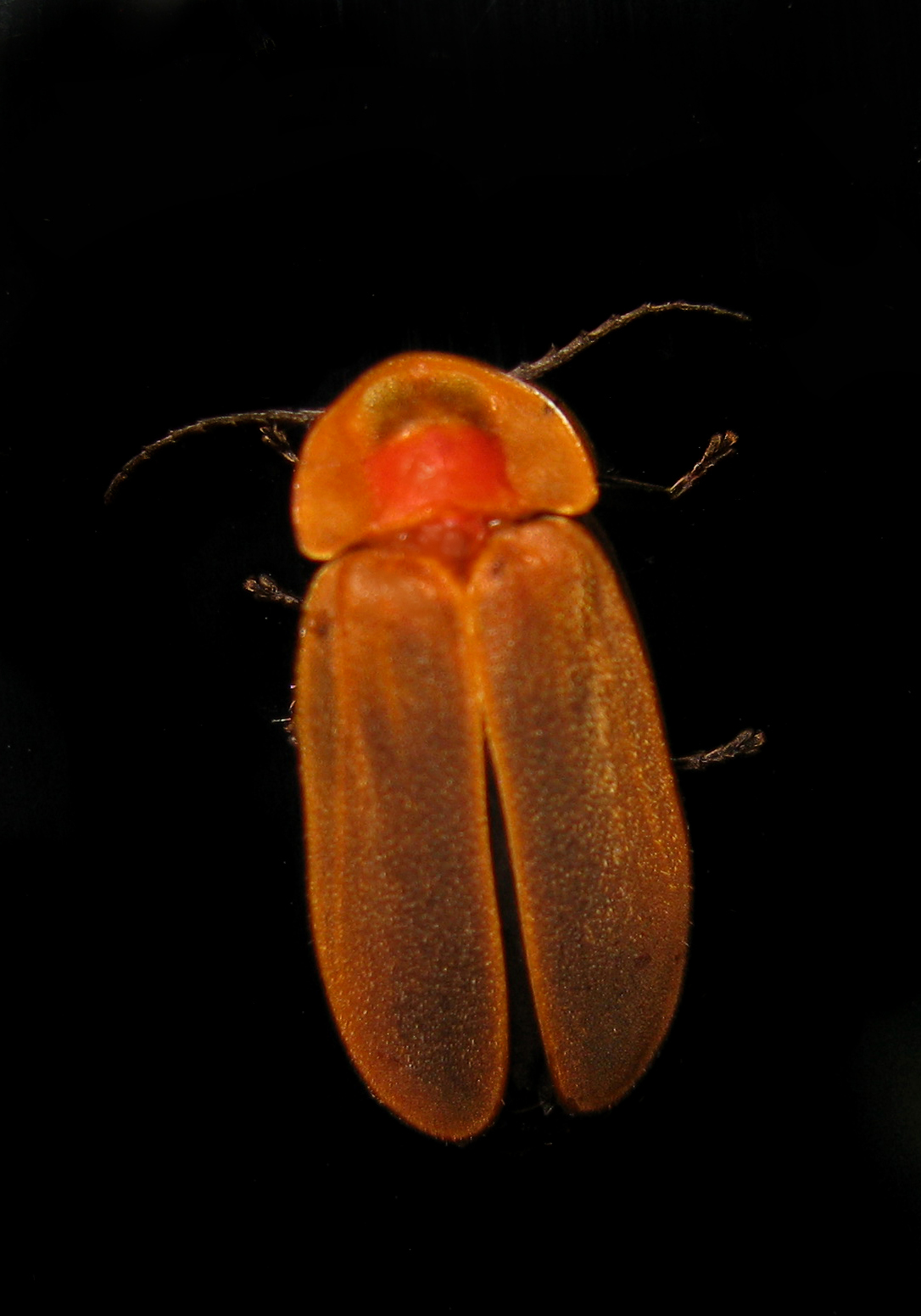
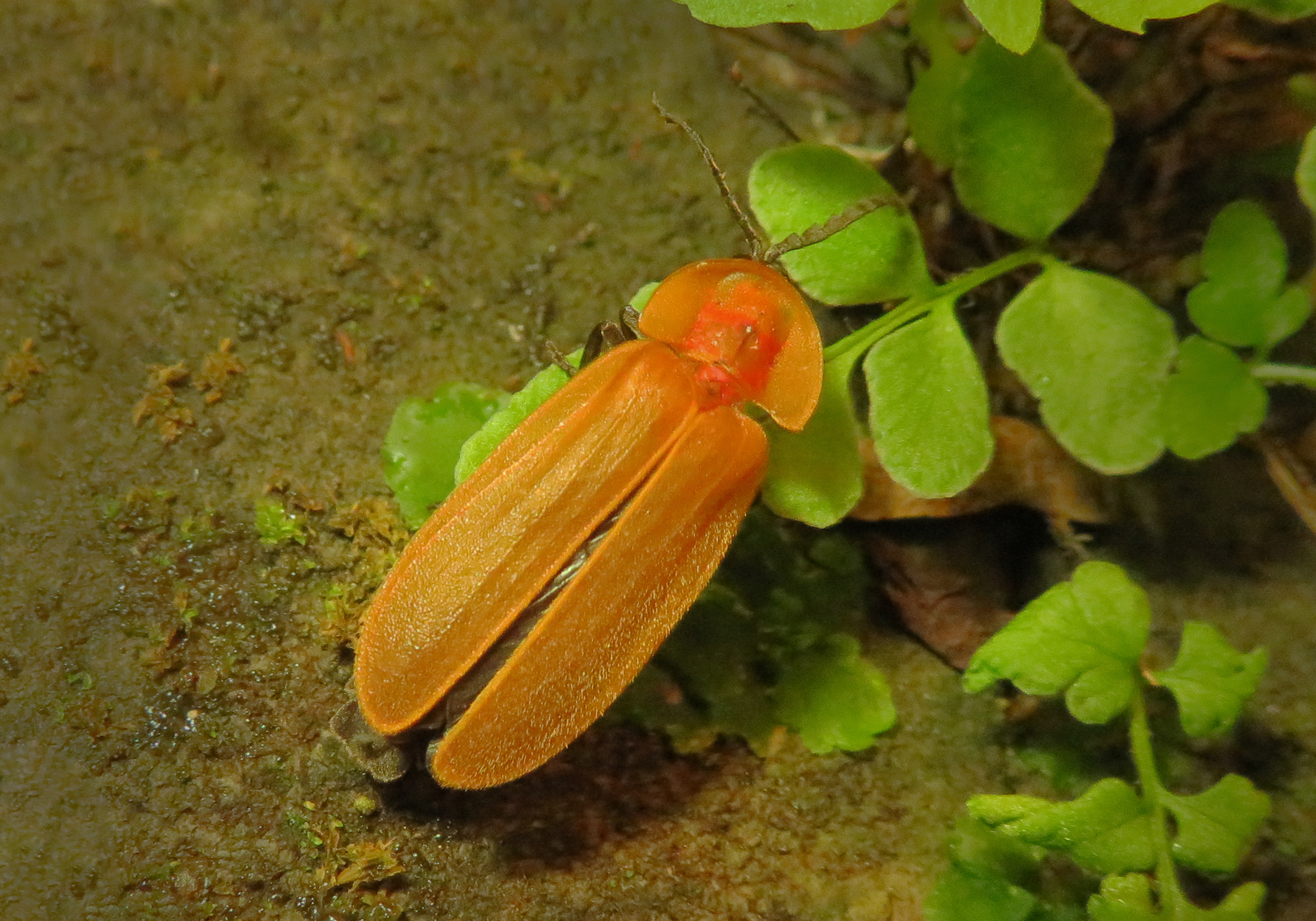
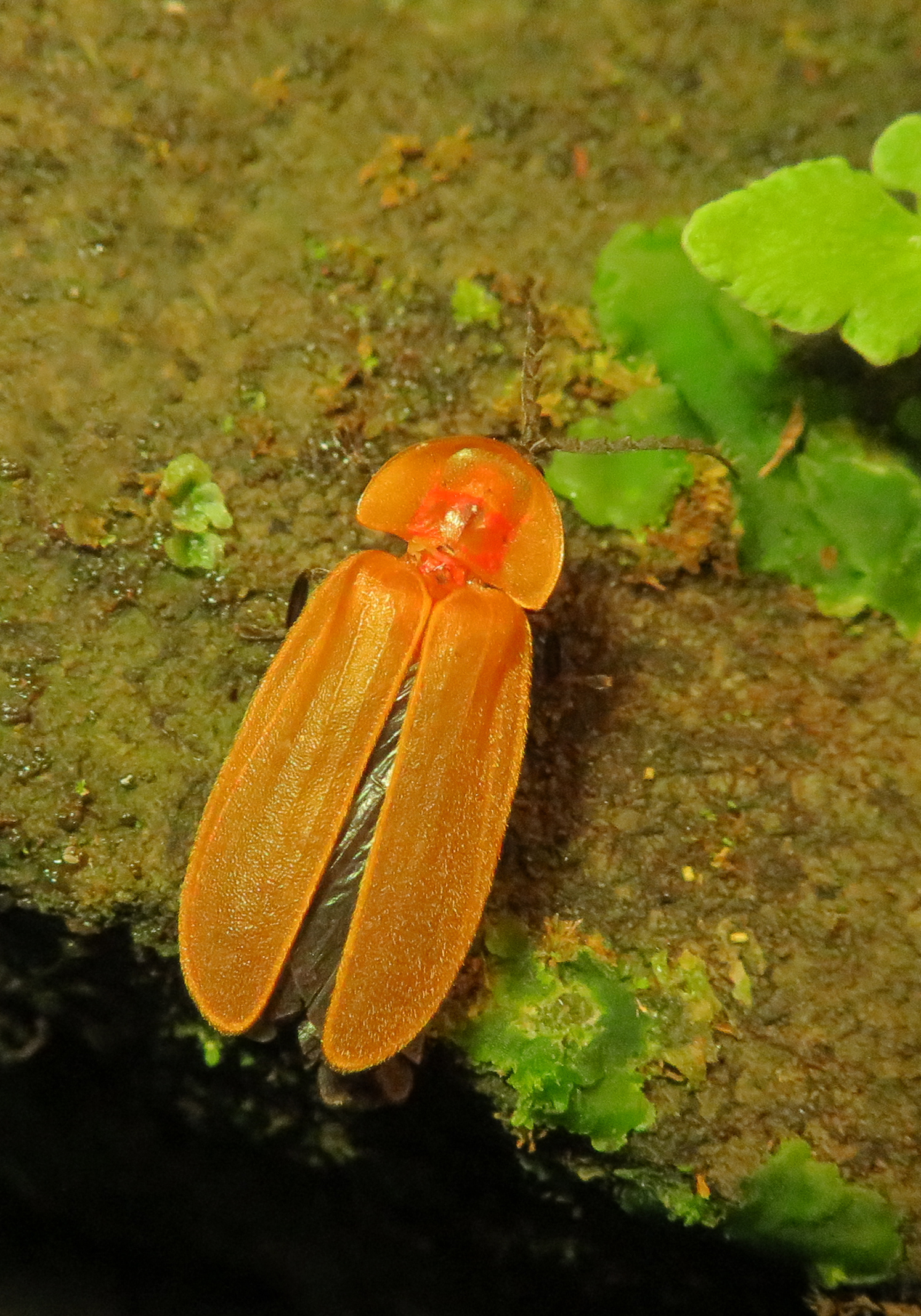
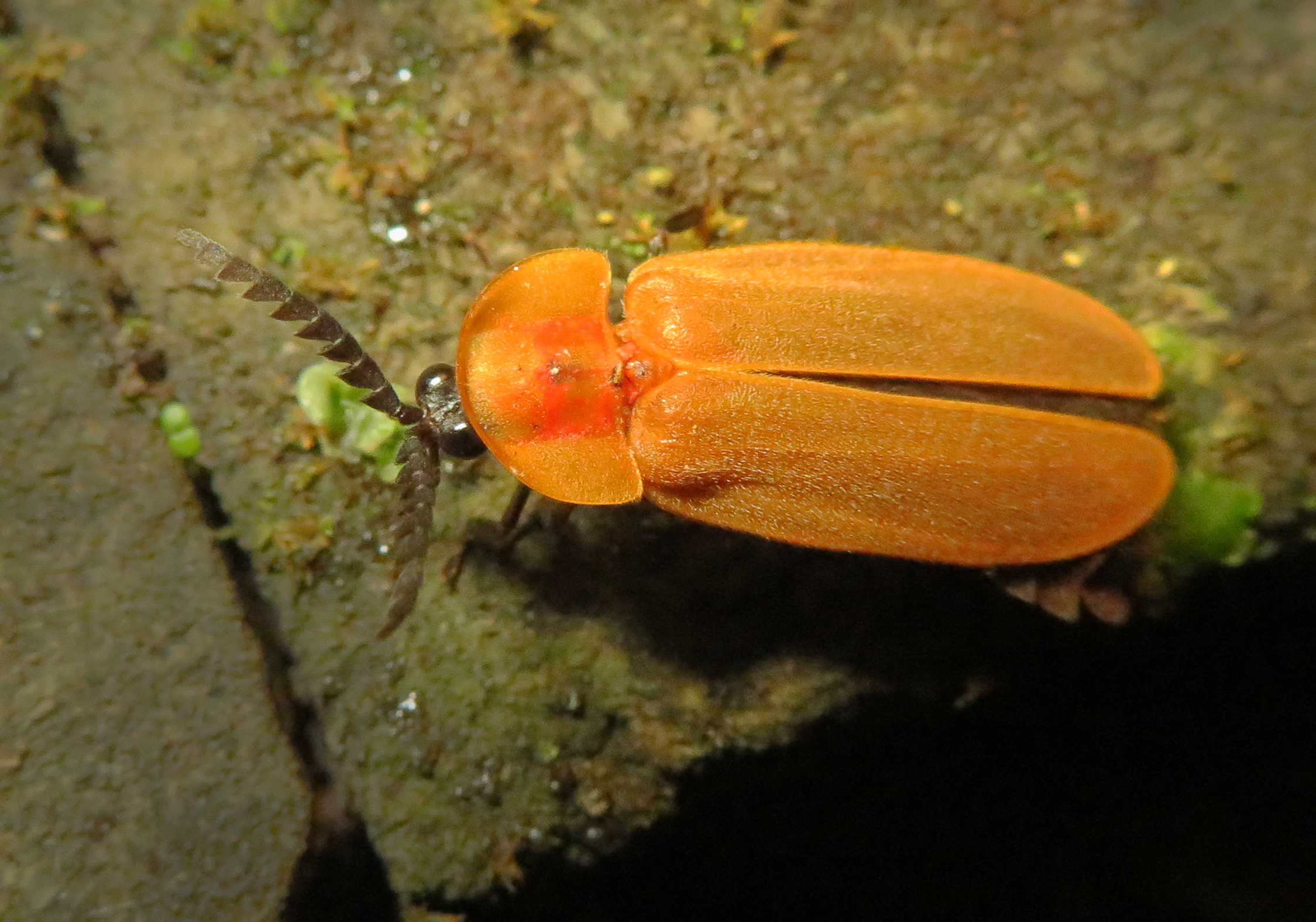
Elateriformia is a large and diverse infraorder of beetles within the suborder Polyphaga (Order Coleoptera). This group includes several well-known families such as click beetles (Elateridae), fireflies (Lampyridae), soldier beetles (Cantharidae), and net-winged beetles (Lycidae), among others.
Members of Elateriformia exhibit considerable morphological diversity but often share certain structural traits. Many species possess an elongate and somewhat flattened body form, with well-developed elytra that cover the abdomen. In several families—most notably Elateridae—the prothorax is modified with a clicking mechanism, allowing the beetle to snap its body and flip into the air when disturbed.
A number of elateriform families are known for bioluminescence, particularly in the Lampyridae (fireflies) and some Elateridae species. Light production is typically used for communication, especially in mating behavior.
Larval forms within Elateriformia are diverse in ecology and morphology. Many are predatory or saprophagous, while others are herbivorous and feed on plant roots. For example, click beetle larvae (wireworms) are often soil-dwelling and may be agricultural pests, whereas firefly larvae are typically predatory on soft-bodied invertebrates such as snails.
Adults occupy a wide range of habitats including forests, grasslands, wetlands, and agricultural areas. Feeding habits vary widely, from nectar and pollen feeding to predation or minimal adult feeding in some species.
The life cycle follows complete metamorphosis: egg, larva, pupa, and adult. Development time can vary greatly depending on species and environmental conditions.
Infraorder Elateriformia represents a major evolutionary lineage of beetles characterized by structural diversity, ecological variety, and notable adaptations such as clicking mechanisms and bioluminescence.