Bali Wildlife
Every Spices Matter


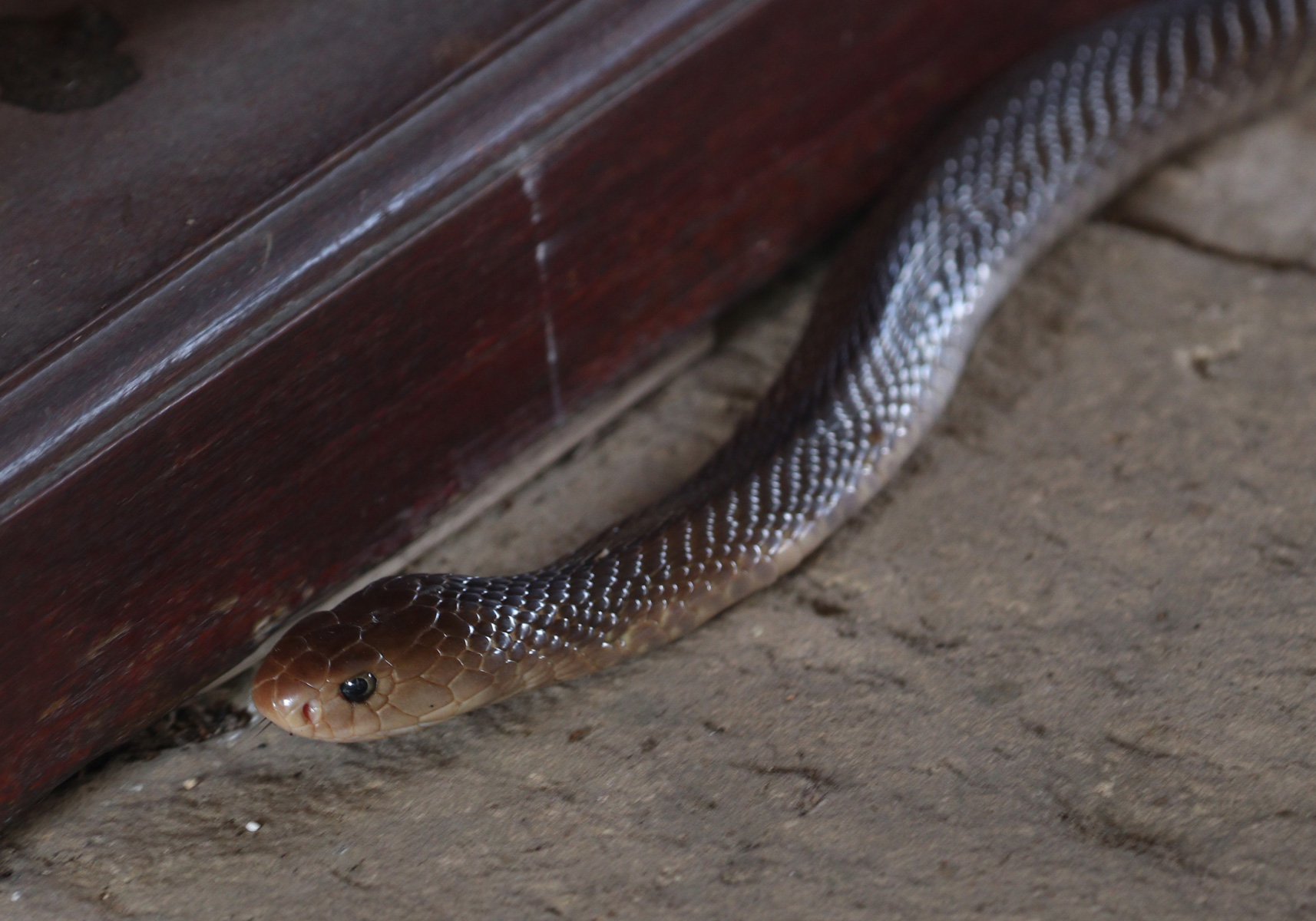
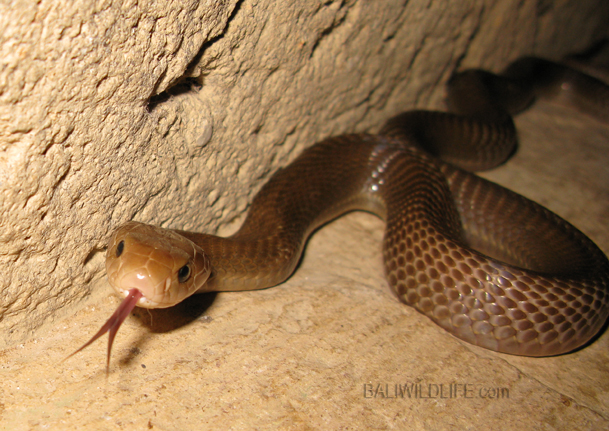
Elapidae is a family of venomous snakes within the suborder Serpentes, characterized by the presence of short, fixed front fangs (proteroglyphous fangs) used to deliver venom. The venom of elapid snakes is primarily neurotoxic, affecting the nervous system and potentially causing paralysis in prey or predators.
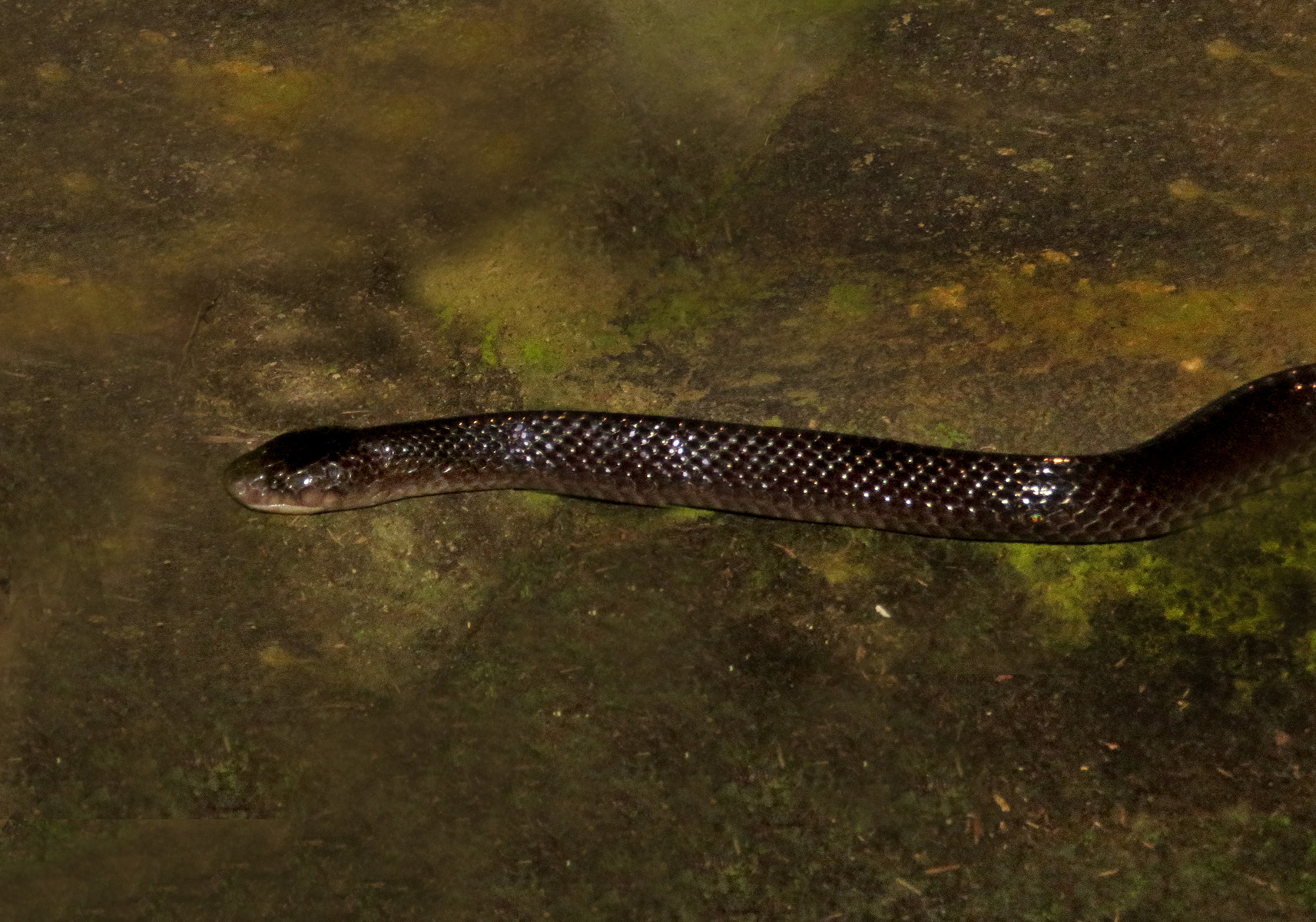
Members of the family Elapidae typically have slender bodies, smooth scales, and rounded heads that are only slightly distinct from the neck. Unlike vipers, elapids lack long, hinged fangs. Many species are brightly colored or exhibit bold banding patterns, which may serve as warning coloration.
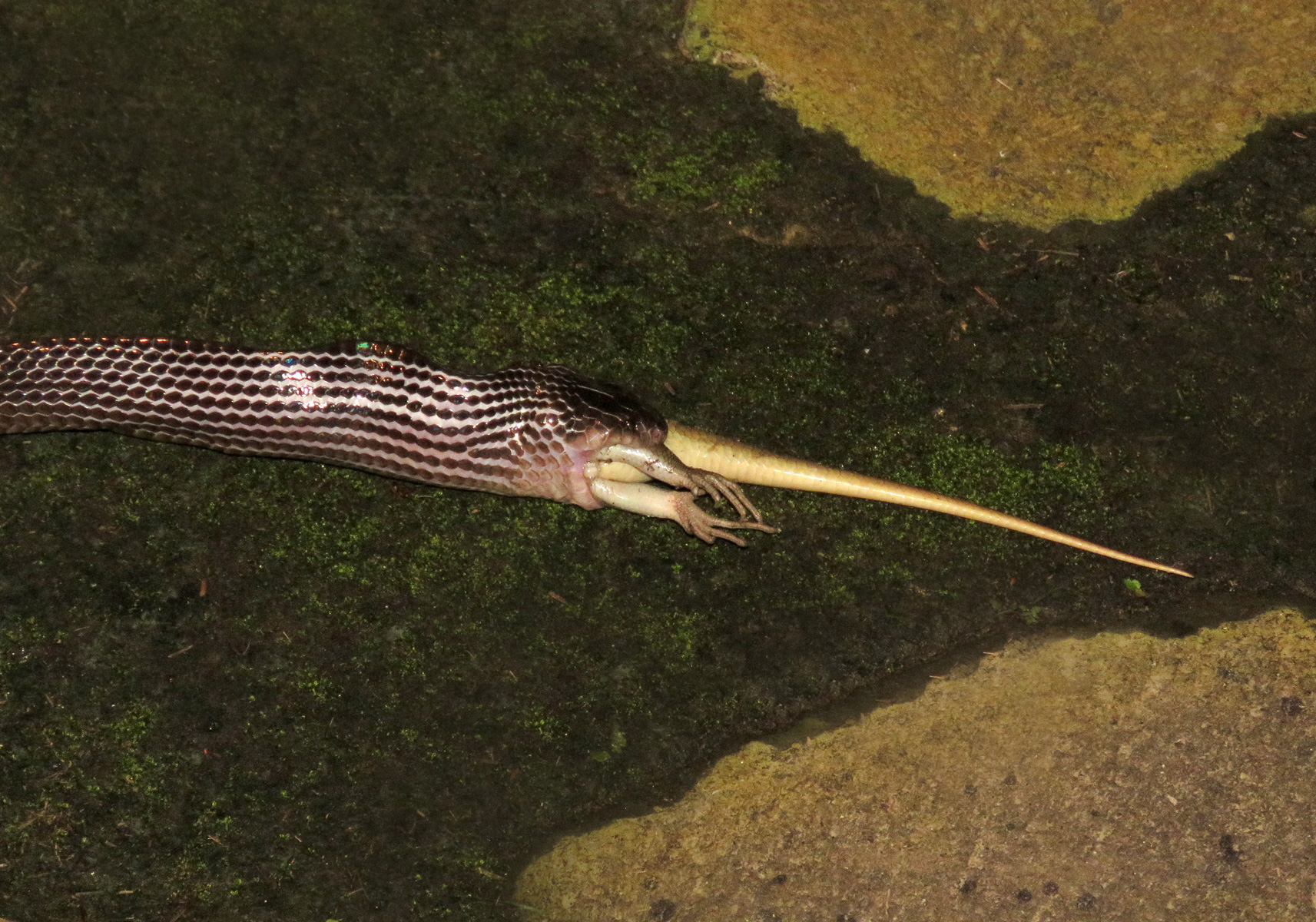
Elapid snakes are found in a wide range of habitats, including forests, grasslands, deserts, and marine environments. The family includes some of the world’s most well-known venomous snakes, such as cobras, kraits, coral snakes, mambas, taipans, death adders, and sea snakes. Diets consist mainly of vertebrate prey, including other reptiles, amphibians, birds, and mammals.
Ecologically, elapid snakes play an important role as apex or mesopredators, helping regulate prey populations. Despite their potent venom, elapids are generally non-aggressive and will bite primarily in self-defense.