

Little Egret (Egretta garzetta)
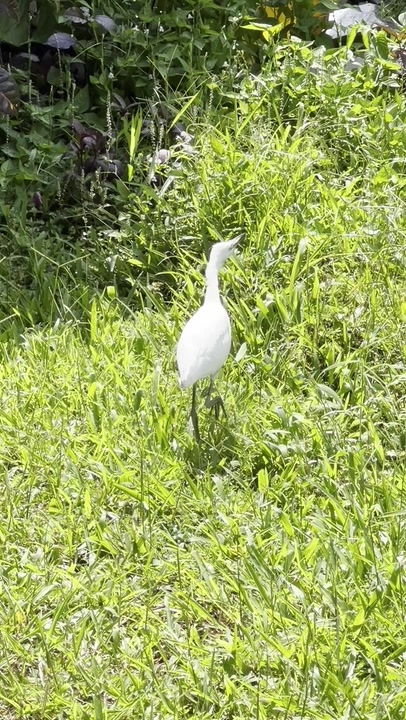
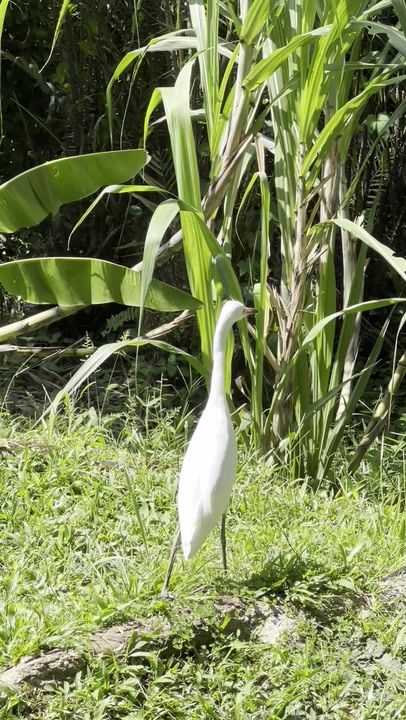
Egretta garzetta, commonly known as the Little Egret, is a small, elegant wading bird in the family Ardeidae, subfamily Ardeinae, genus Egretta, and order Pelecaniformes. It is widely distributed across Europe, Africa, Asia, and Australia, with populations occurring in both temperate and tropical regions. The species occupies a broad range of wetlands and shallow-water habitats, including rivers, lakes, marshes, rice fields, estuaries, mangroves, mudflats, lagoons, and coastal shores.
The Little Egret is a slender, long-legged heron, typically measuring about 55–65 cm in length, with a wingspan of approximately 85–105 cm. Its entire adult plumage is predominantly bright white, creating a striking contrast with its dark legs and bill. The neck is relatively long and flexible, while the pointed bill is well adapted for capturing small aquatic animals. Its long legs and widely spread toes allow it to move efficiently through shallow water and soft muddy substrates.
One of its most distinctive features is the black bill and black legs contrasted with bright yellow feet. During the breeding season, adults develop elongated ornamental feathers on the nape and back. The nape plumes form a characteristic crest, while the scapular plumes can extend over the back. The facial skin and lores may become more vividly colored during courtship. Outside the breeding season, these ornamental feathers are reduced or absent, giving the bird a simpler appearance.
The Little Egret is primarily a shallow-water predator. It commonly forages by walking through water while visually searching for prey, but it can also use more active techniques. Individuals may rapidly run through shallow water, stir the substrate with their feet, or spread their wings to reduce glare and improve visibility beneath the surface. Once prey is detected, the bird rapidly thrusts its head and pointed bill forward to seize it.
Its diet consists mainly of small fish and aquatic invertebrates, but it is highly opportunistic. Prey includes frogs and tadpoles, crustaceans, mollusks, aquatic insects, worms, and occasionally small reptiles and other small vertebrates. In agricultural landscapes, particularly rice fields, Little Egrets may exploit concentrations of aquatic organisms exposed by changing water levels.
The species is generally diurnal, with activity concentrated during daylight hours. It may forage alone or in loose groups, particularly in productive feeding areas. Individuals often maintain some distance from one another while hunting but can gather in larger numbers where food is abundant. Its relatively active hunting style distinguishes it from larger herons that often rely more heavily on stationary ambush.
Little Egrets are capable fliers and typically fly with the neck folded back and the long legs trailing behind the body, as is characteristic of herons. They can move readily between wetlands, feeding sites, and breeding colonies. In parts of their range, populations are migratory, while others are sedentary or make shorter seasonal movements depending on local climate and water availability.
Breeding frequently occurs in mixed-species colonies alongside other herons and egrets. Nests are usually constructed from sticks and vegetation and placed in trees, shrubs, reeds, mangroves, or other elevated sites near wetlands. During courtship, males perform visual displays involving the crest, posture, bill movements, and changes in facial coloration. Both parents participate in incubation and feeding the young.
The Little Egret has an exceptionally broad ecological range and can occupy natural and human-modified wetlands. It is commonly associated with freshwater marshes, streams, ponds, reservoirs, rice paddies, canals, tidal mudflats, estuaries, lagoons, and coastal habitats. This adaptability has contributed to its extensive distribution, and populations can occur surprisingly close to human settlements.
Ecologically, E. garzetta is an important small aquatic predator. By consuming fish, amphibians, crustaceans, insects, and other organisms, it contributes to the regulation of prey communities within wetlands. Its movements between feeding and nesting areas also contribute to nutrient transfer between aquatic and terrestrial environments.
The Little Egret has generally maintained a broad distribution and is capable of exploiting altered habitats, but local populations may be affected by wetland drainage, water pollution, disturbance of breeding colonies, coastal development, and changes in prey availability. Protection of shallow-water feeding areas and undisturbed nesting sites is therefore important. With its striking white plumage, dark bill and legs, yellow feet, and elegant breeding plumes, Egretta garzetta is one of the most recognizable and widespread small herons of the Old World wetlands.