

Echinoderms (Phylum Echinodermata)
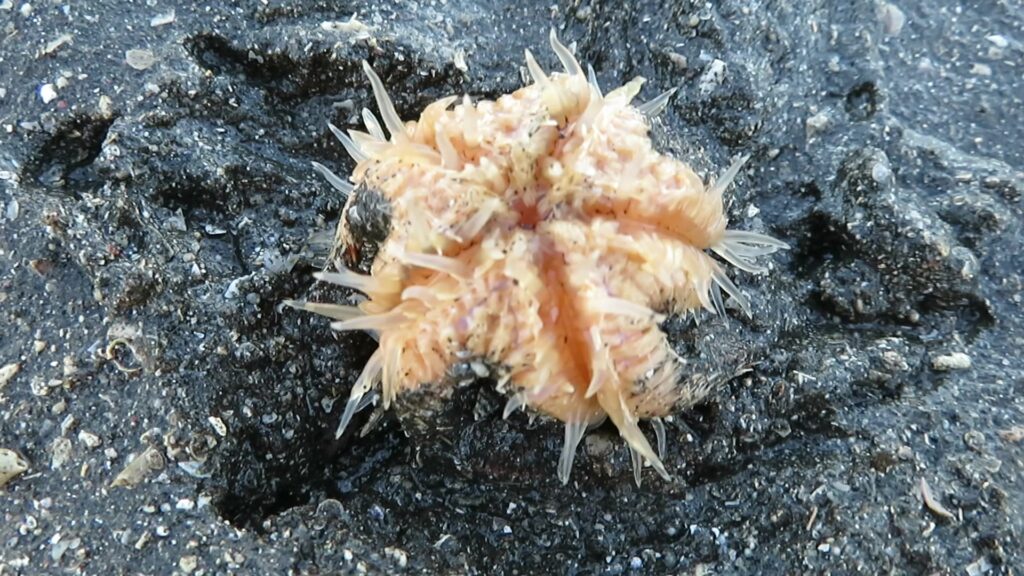
Phylum Echinodermata is a major group of marine invertebrates belonging to the kingdom Animalia, commonly known as echinoderms. The phylum includes sea stars, brittle stars, sea urchins, sand dollars, sea cucumbers, and crinoids. Members of Echinodermata are found exclusively in marine environments, inhabiting shallow coastal waters, coral reefs, seagrass beds, rocky shores, sandy and muddy seabeds, and deep-ocean habitats. They are characterized by a unique water vascular system, which operates through a network of fluid-filled canals and tube feet used for locomotion, feeding, attachment, and gas exchange. Most adult echinoderms exhibit pentaradial symmetry, with body structures arranged in five-part patterns around a central axis, although their larvae typically possess bilateral symmetry. Their bodies are supported by an internal skeleton composed of calcium carbonate plates or ossicles, often bearing spines, which provide structural support and protection. The body surface may be smooth, rough, spiny, or covered with specialized structures depending on the group. Echinoderms display remarkable regenerative abilities, with many species capable of replacing damaged arms or other body parts. Their feeding strategies are diverse, including predation, grazing, suspension feeding, deposit feeding, and scavenging. Reproduction is generally sexual, with many species releasing eggs and sperm into seawater for external fertilization, although some groups also exhibit brooding or asexual reproduction. Development commonly involves free-swimming planktonic larvae that undergo metamorphosis before settling into their adult habitats. Ecologically, echinoderms play important roles in marine ecosystems by regulating prey populations, grazing on algae, recycling organic matter, and contributing to benthic food webs. Some species, such as sea urchins, can strongly influence the structure of marine vegetation, while sea cucumbers contribute to sediment processing and nutrient cycling. Despite their ecological importance, certain populations are threatened by ocean warming, ocean acidification, habitat degradation, pollution, disease, and overharvesting. Through their distinctive anatomical structures, specialized water vascular systems, and diverse ecological functions, Echinodermata represents one of the most distinctive and evolutionarily important phyla of marine invertebrates.