

True Rhinoceros Beetles (Tribe Dynastini)
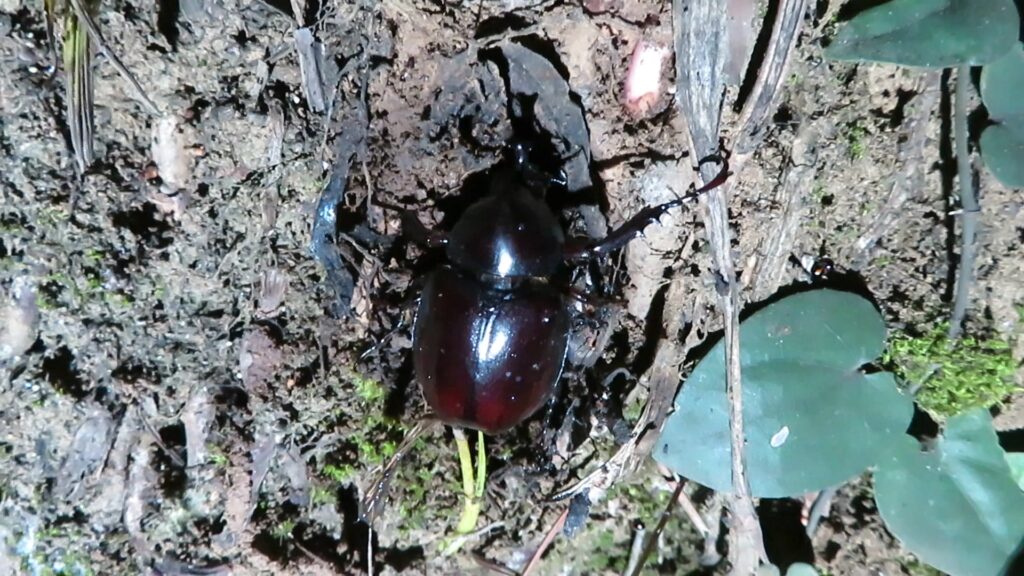
Dynastini is a tribe of rhinoceros beetles belonging to the subfamily Dynastinae within the scarab beetle family Scarabaeidae. These beetles are among the most recognizable members of the order Coleoptera because of their large bodies, powerful legs, and prominent horns, particularly in males. The tribe includes some of the largest and most impressive beetles in the world, many of which are native to tropical forests of the Americas and other warm regions.
Members of Dynastini generally possess robust, oval-shaped bodies protected by a hard exoskeleton. Their coloration commonly ranges from black and dark brown to reddish brown, with some species displaying glossy surfaces or contrasting markings. A defining characteristic of many species is the presence of large horns on the head and thorax. These structures are particularly developed in males and are used in contests with rival males over access to females and feeding sites. Females usually have smaller horns or lack the elaborate horn structures seen in males.
The tribe includes several well-known genera, such as Dynastes, Megasoma, and Golofa. Species of Dynastes, commonly known as Hercules beetles, are famous for their elongated horns and impressive body size. The genus Megasoma includes some of the heaviest beetles, characterized by broad, stout bodies and, in many species, thick horns. Members of Golofa are also notable for their elongated horns and distinctive body shapes. These genera illustrate the considerable diversity in size and morphology found within Dynastini.
Dynastini beetles are primarily associated with tropical and subtropical environments, particularly humid forests, woodland habitats, and areas where decaying plant material is abundant. Different species occur across regions of Central and South America, with some extending into other parts of the Neotropical region. Their distribution depends on suitable breeding substrates, food availability, and local climatic conditions. Many species are associated with forest ecosystems, where fallen logs, decomposing vegetation, and mature trees provide resources for their development.
The life cycle of Dynastini follows the typical pattern of beetles, consisting of egg, larva, pupa, and adult stages. Females deposit eggs in suitable substrates, such as decaying wood, compost, or soil rich in organic matter. The larvae, commonly called white grubs, have curved, pale bodies and strong mouthparts adapted for feeding on decomposing plant material. They may spend a considerable period developing underground or within rotting wood before pupating and emerging as adults. The length of the developmental cycle varies among species and is influenced by temperature, humidity, and food quality.
Adult beetles may feed on tree sap, fermenting fruit, and other plant-derived resources, although feeding habits vary among species. Their larvae contribute to the decomposition of dead plant material and the recycling of nutrients within forest ecosystems. In this way, Dynastini can play an important ecological role by helping break down organic matter and supporting nutrient cycling. The beetles and their immature stages also serve as food for birds, mammals, reptiles, and other predators.
One of the most remarkable characteristics of Dynastini is the strength and competitive behavior of its males. During encounters, males may use their horns to lift, push, or throw rivals from branches or other contested surfaces. Horn shape and size influence the mechanics of these contests, and pronounced differences between males and females reflect sexual dimorphism. These features have made dynastine beetles important subjects in studies of sexual selection, body-size variation, and the evolution of exaggerated structures.
Despite their impressive appearance, many Dynastini species are vulnerable to habitat loss caused by deforestation and the degradation of tropical forests. The removal of old trees and decaying wood can reduce suitable breeding sites, while collection for the ornamental insect trade may place additional pressure on certain populations. Conservation of forest habitats and the organic substrates required for larval development is important for maintaining their populations and ecological functions.
Overall, Dynastini is a distinctive tribe of rhinoceros beetles characterized by large bodies, powerful limbs, and elaborate horns in many males. Its representatives display remarkable diversity in morphology, behavior, and ecological adaptation. Through their involvement in decomposition, nutrient cycling, and forest food webs, these beetles contribute to the ecological complexity of the habitats they occupy.