Bali Wildlife
Every Spices Matter


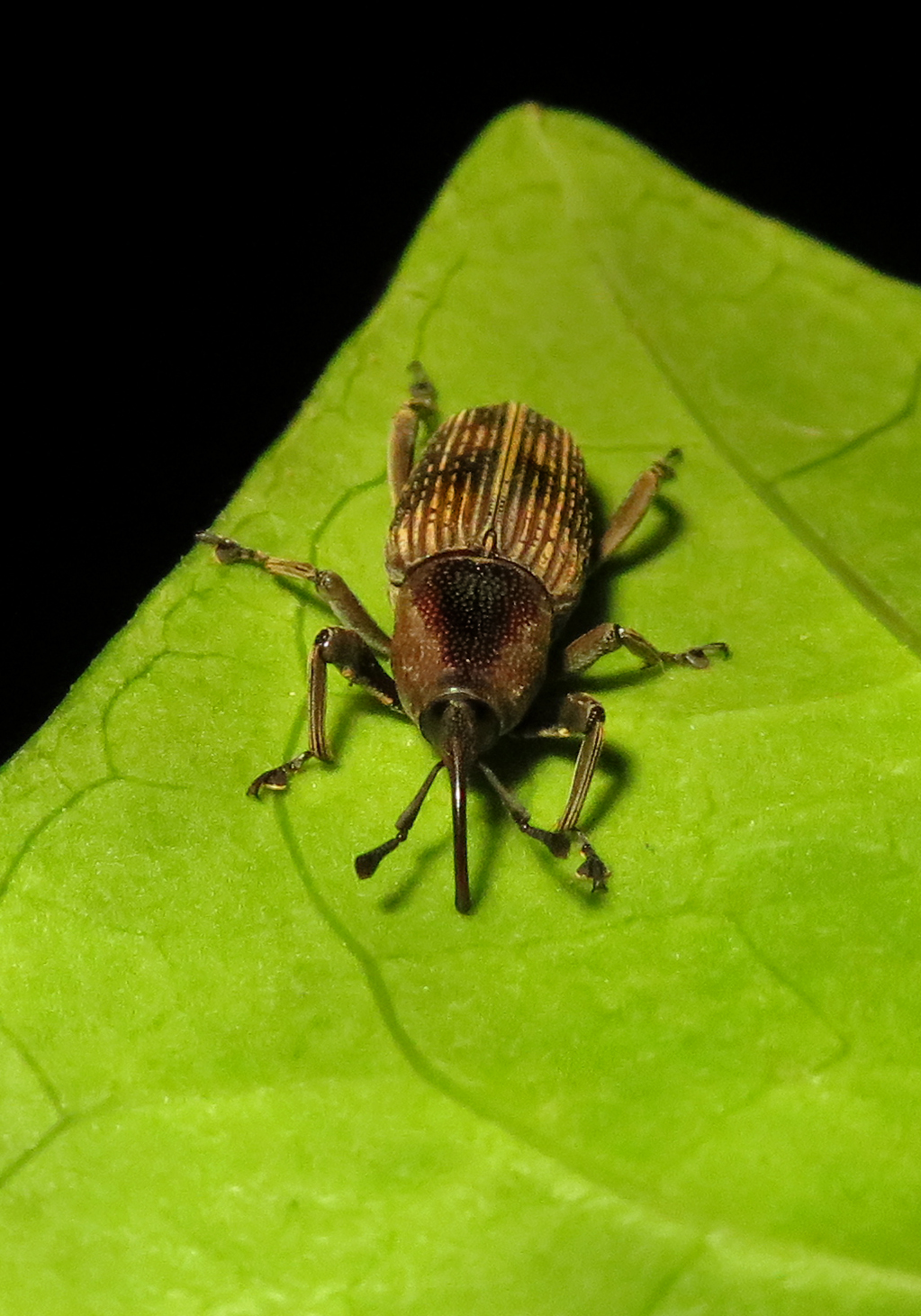
Dryophthorinae is a subfamily of true weevils within the family Dryophthoridae (Order Coleoptera). Members of this subfamily are distributed worldwide, with the greatest diversity occurring in tropical and subtropical regions. They inhabit forests, grasslands, wetlands, agricultural lands, plantations, and urban environments, where they are closely associated with monocotyledonous plants such as palms, bamboos, grasses, sugarcane, bananas, and other economically important crops.
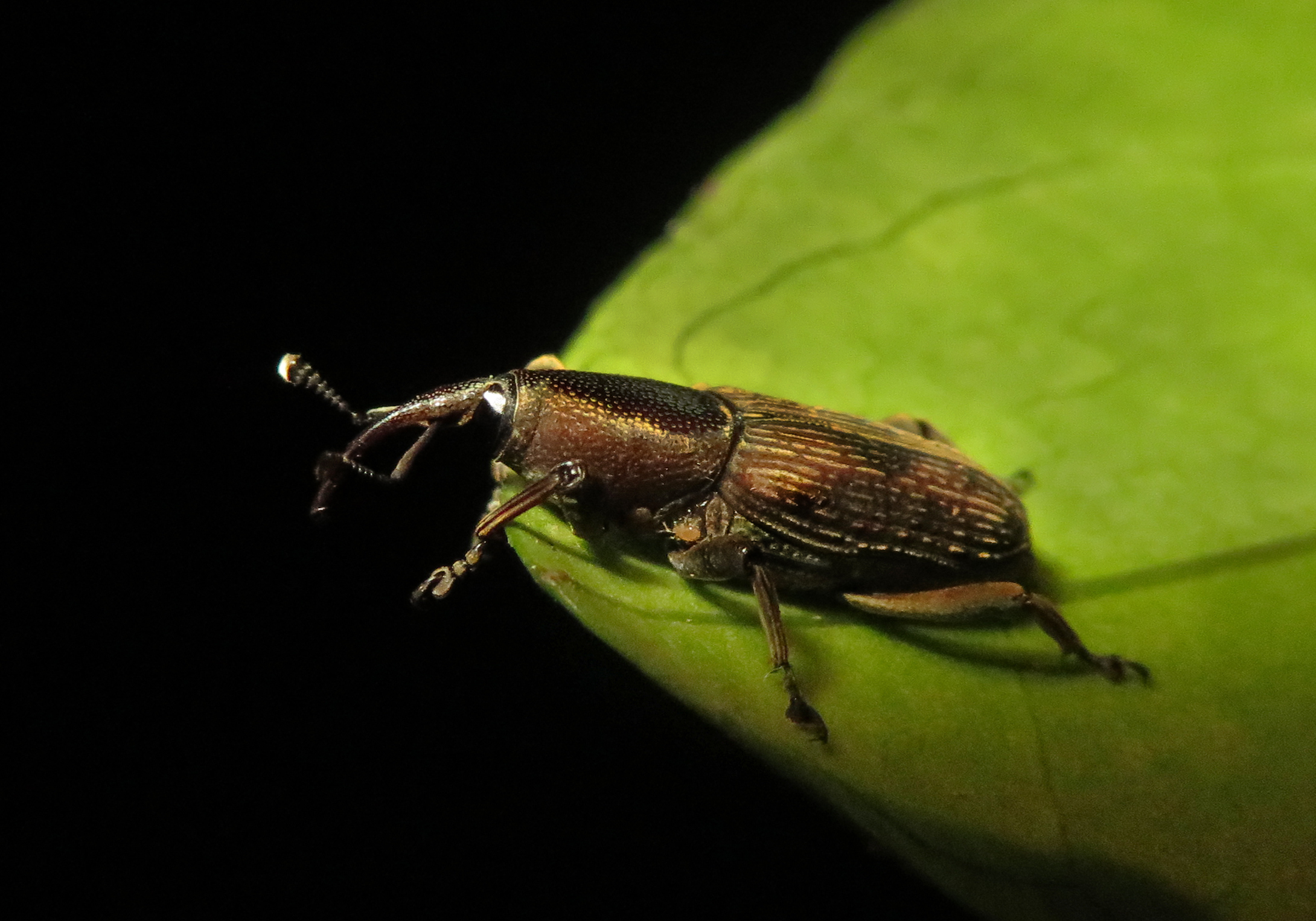
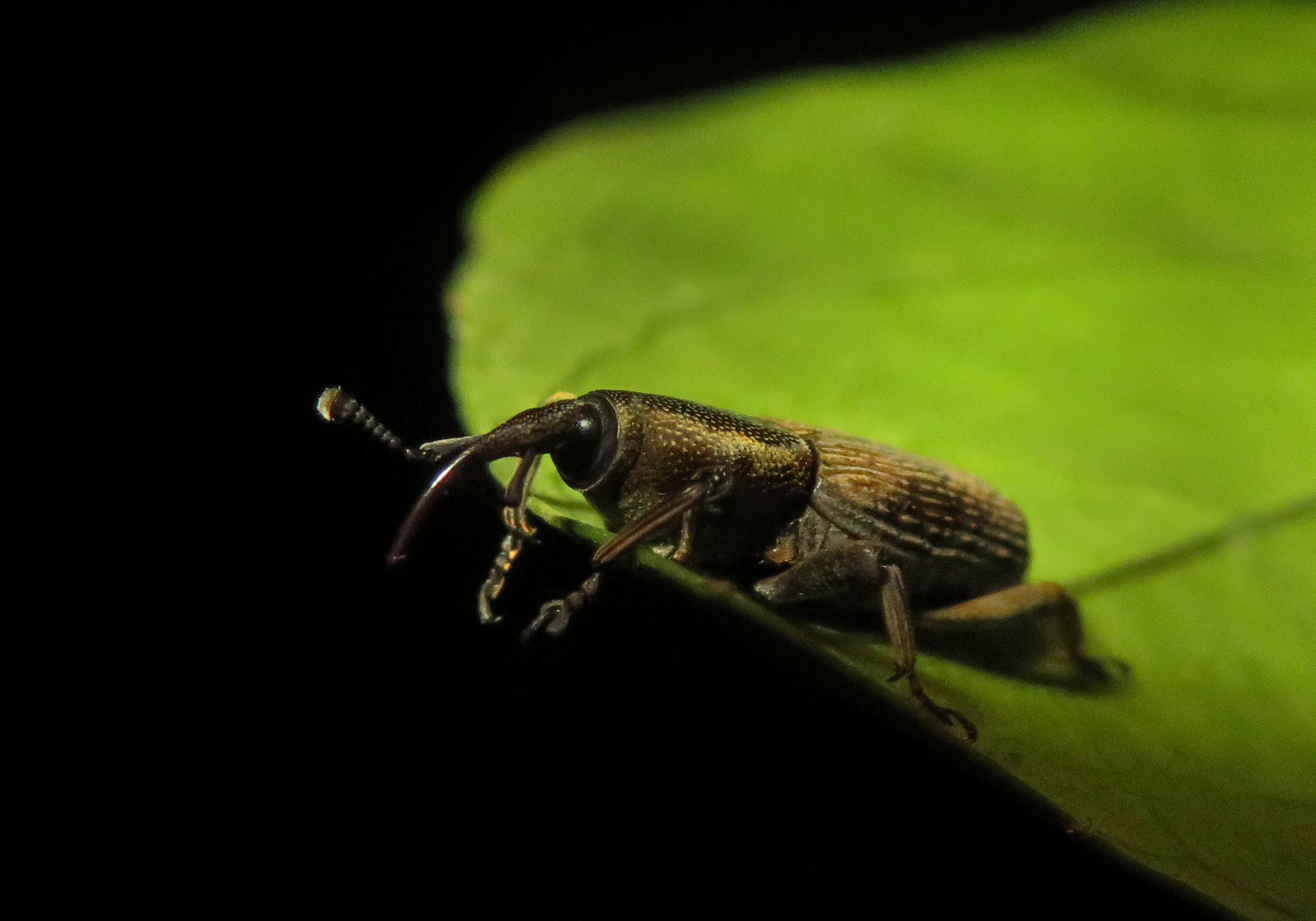
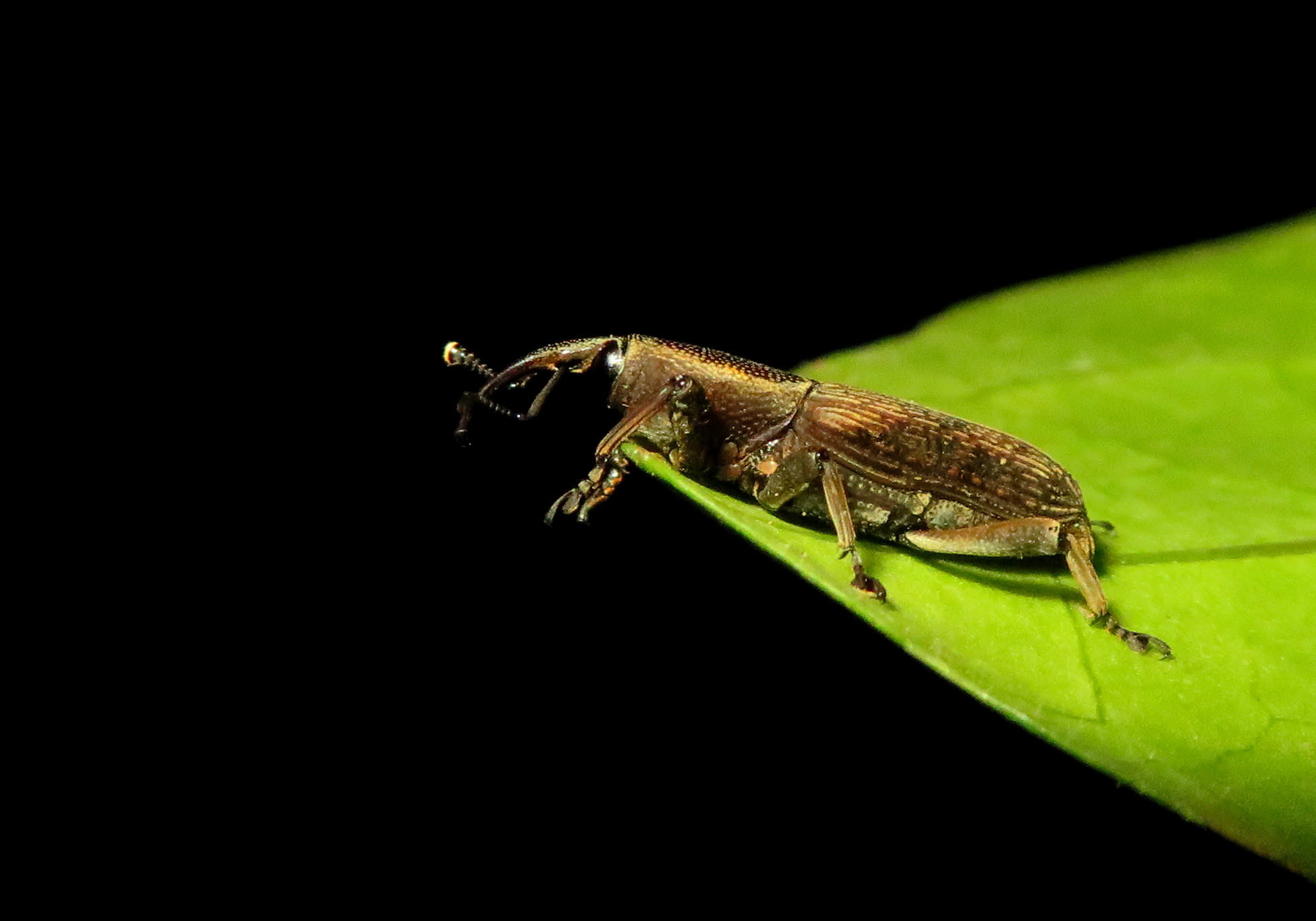
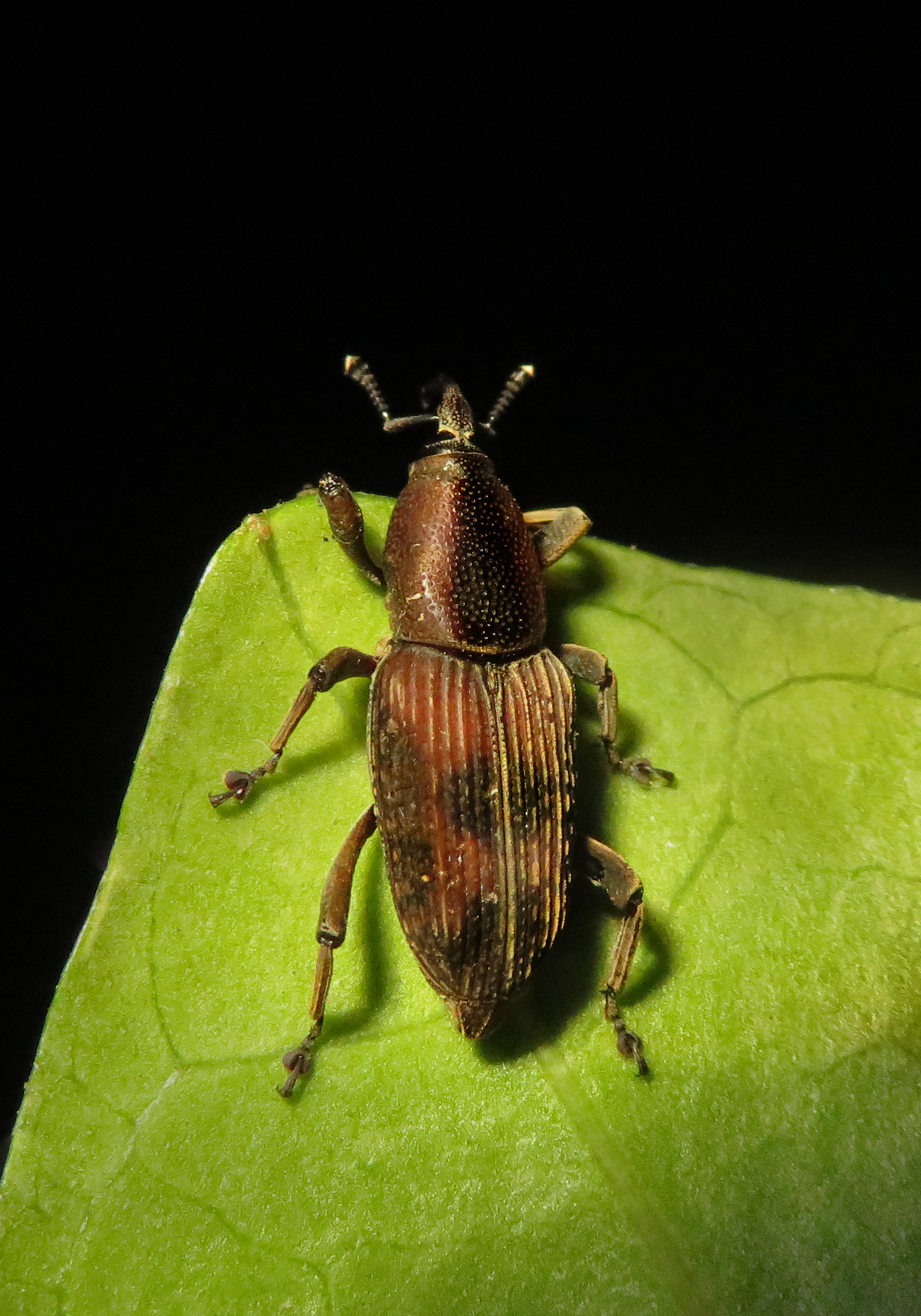
Weevils of the subfamily Dryophthorinae are generally small to large-sized beetles characterized by a robust body and a well-developed rostrum (snout), at the end of which are the chewing mouthparts. The antennae are elbowed and arise from the rostrum, a characteristic feature of true weevils. Body coloration varies from black and dark brown to reddish-brown or metallic hues, depending on the species.
Both adults and larvae are phytophagous (plant-feeding). Adults feed on plant tissues such as stems, leaves, fruits, or seeds, while larvae typically develop concealed within stems, trunks, roots, seeds, or fruits. Many species bore into living or dead plant tissues, where the larvae feed and complete their development.
The life cycle involves complete metamorphosis with four stages: egg, larva, pupa, and adult. Females use their rostrum to prepare oviposition sites within plant tissues before depositing eggs. The legless, creamy-white larvae feed internally, often causing extensive damage to their host plants. Pupation usually occurs within the plant or in a protective chamber constructed from plant fibers.
The subfamily includes several economically important genera, such as Rhynchophorus (palm weevils), Sitophilus (grain weevils), Cosmopolites (banana weevils), and Metamasius, many of which are recognized as major agricultural and forestry pests.
Ecologically, Dryophthorinae species contribute to the decomposition of plant material and nutrient cycling, particularly those associated with decaying vegetation. However, numerous species are of considerable economic importance because they damage crops, stored grains, palms, sugarcane, and bananas. They also serve as prey for birds, reptiles, mammals, predatory insects, and parasitoids, making them integral components of terrestrial food webs.