Bali Wildlife
Every Spices Matter


Dolichopodidae, commonly known as long-legged flies, is a large and diverse family within the superfamily Empidoidea (Order Diptera). Members of this family are distributed worldwide and are especially abundant in moist habitats such as stream edges, wetlands, forests, grasslands, and coastal areas.
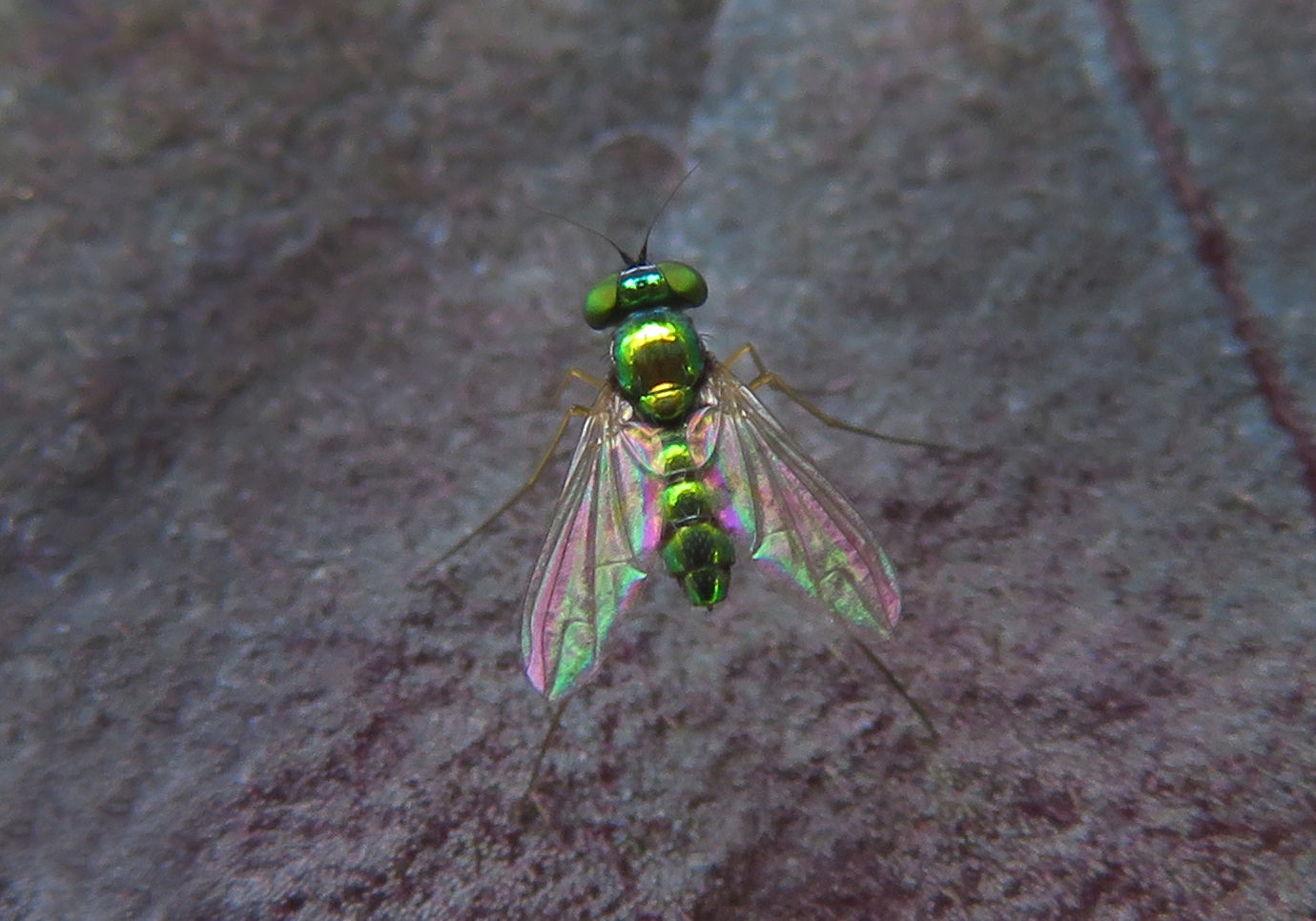
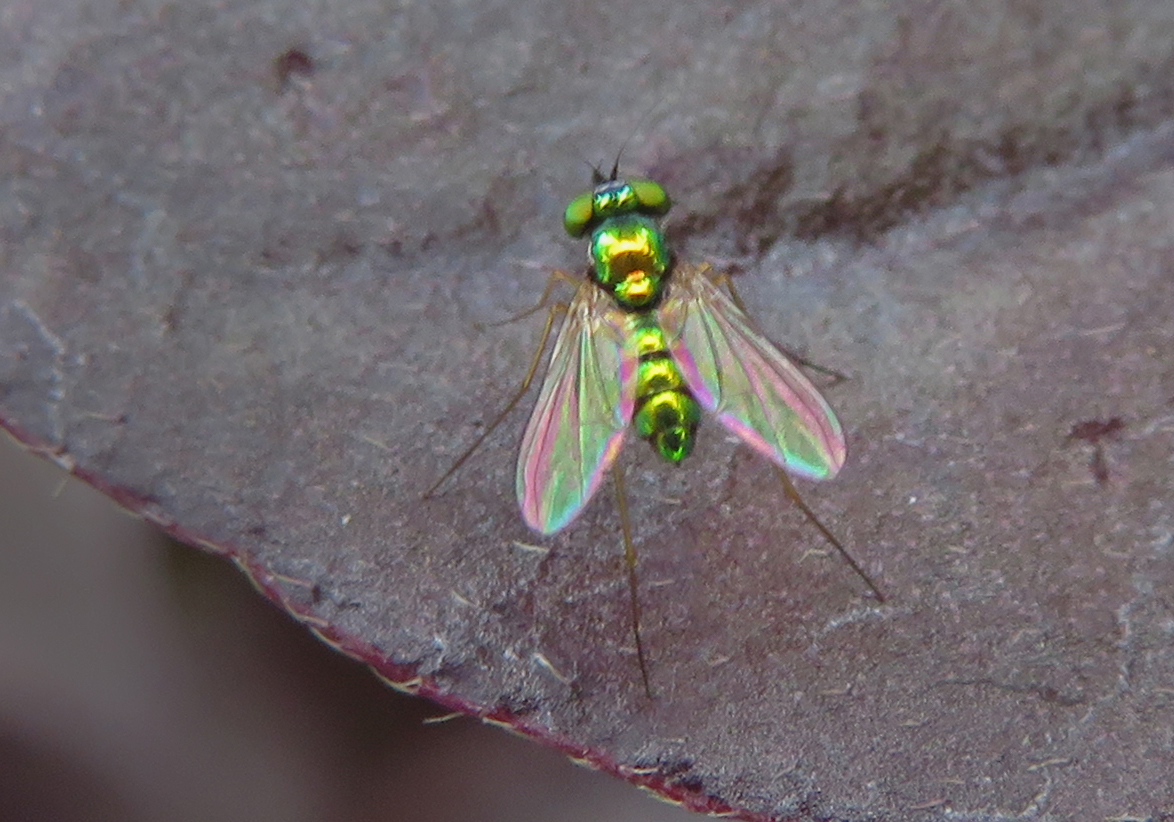
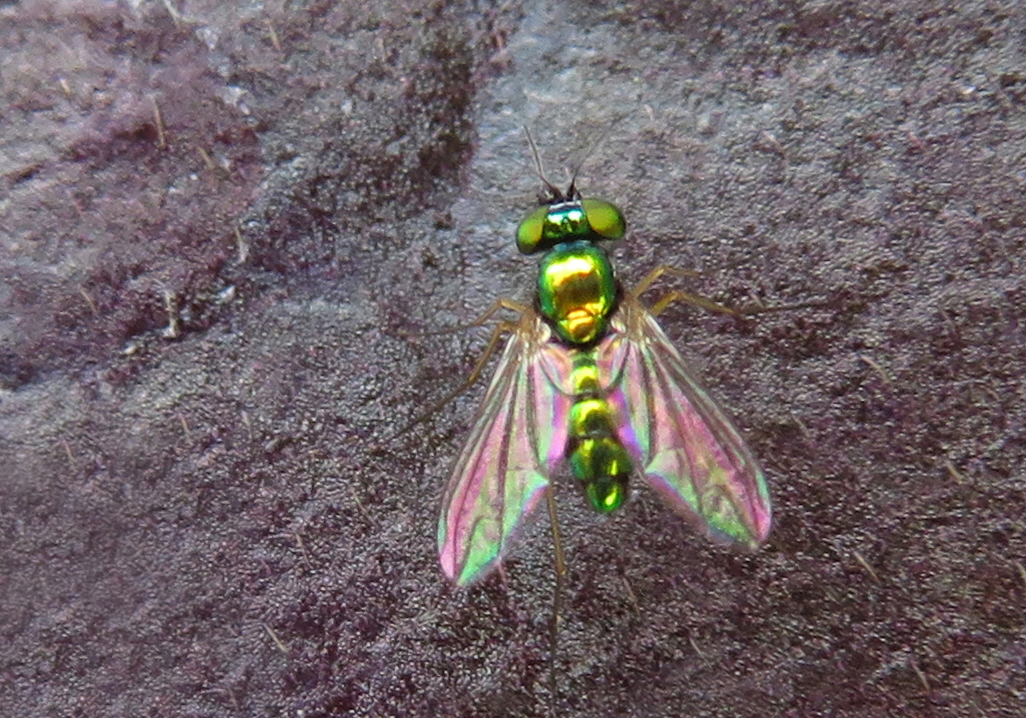
Dolichopodid flies are generally small to medium-sized and are easily recognized by their slender bodies, long legs, and often metallic coloration, commonly green, blue, or bronze. The head is relatively small with large compound eyes, and the antennae are short, usually bearing a stylus or arista. Wings are typically clear and held flat over the body when at rest.
Members of Dolichopodidae are active predators, especially as adults. They hunt small insects and other invertebrates on vegetation or near water, using their agile movements and keen vision. Their predatory behavior makes them important natural regulators of insect populations.
The life cycle involves complete metamorphosis. Larvae are usually found in moist soil, leaf litter, mud, or aquatic environments. They are typically predatory or detritivorous, feeding on small invertebrates or organic matter.
The family Dolichopodidae includes numerous genera and species, reflecting a wide range of ecological adaptations and behaviors. Many species exhibit complex courtship displays, including visual signals and movements involving their legs or wings.
Ecologically, Dolichopodidae play a significant role as predators in terrestrial and semi-aquatic ecosystems. They help control populations of small arthropods and contribute to the balance of ecological communities. Their diversity, metallic appearance, and active behavior make them a distinctive and important group within Diptera.