

Genus Doleschallia
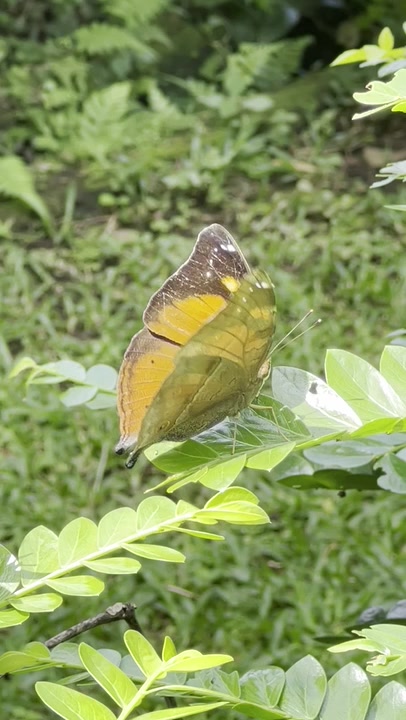
Doleschallia is a genus of cockroaches in the family Blattidae, subfamily Polyzosteriinae, traditionally associated with the tribe Doleschalliaini. Members are terrestrial, generally flightless cockroaches adapted to life among leaf litter, fallen vegetation, bark, and other sheltered habitats. They belong to the distinctive Australasian radiation of polyzosteriine cockroaches, many of which have evolved substantial wing reduction and compact, heavily protected bodies.
Species of Doleschallia are generally compact and dorsoventrally flattened, with an oval or broadly elongate body. The head is partly concealed beneath a broad pronotum, while the abdomen is relatively robust. Coloration is typically dominated by brown, reddish brown, chestnut, or dark tones, providing camouflage among soil, bark, dead leaves, and decomposing vegetation.
A particularly important characteristic is wing reduction. Adults are generally flightless, with the wings absent or greatly reduced compared with those of many other cockroaches. This morphology reflects their predominantly terrestrial lifestyle. Rather than dispersing through flight, Doleschallia species move through the forest floor and vegetation using their walking legs and exploit sheltered microhabitats close to the ground.
The broad pronotum forms a protective shield over the head, while the body itself is relatively hardened compared with many soft-bodied insects. Long filiform antennae provide information about odors, physical contact, humidity, and nearby objects. The legs are adapted for terrestrial locomotion and allow the cockroaches to move through leaf litter and other irregular substrates.
Doleschallia species are primarily nocturnal, remaining concealed during the warmer and brighter parts of the day. They may shelter beneath fallen leaves, stones, bark, logs, or other debris. Activity increases during cooler and more humid periods, when the cockroaches emerge to forage and reproduce.
Their feeding habits are principally detritivorous and omnivorous. They consume dead plant material, fallen leaves, fruits, fungi, and other organic debris available within the litter layer. This broad diet makes them participants in decomposition and nutrient cycling, while occasional consumption of animal-derived material adds an omnivorous component to their feeding ecology.
Reproduction follows the general cockroach pattern. Females produce oothecae, protective egg cases containing multiple eggs, and place them in sheltered microhabitats. Nymphs emerge without wings and resemble miniature adults. They pass through a succession of molts as they grow, with the final adult form retaining the characteristic wing-reduced condition.
The genus is associated with the Australasian region, particularly areas of Australia and New Guinea and nearby islands according to historical classifications. The precise distribution and species composition of Doleschallia depend on the taxonomic treatment followed, as polyzosteriine cockroaches have undergone substantial revision over time.
The name Doleschallia has an interesting taxonomic history. Some cockroach taxa historically associated with the name have subsequently been reassigned or treated differently, illustrating the difficulty of resolving relationships among wing-reduced Polyzosteriinae based solely on external appearance. Modern taxonomic work combines morphology with molecular evidence to clarify the limits and relationships of these lineages.
Ecologically, Doleschallia occupies the role of a forest-floor detritivore and prey organism. By consuming and fragmenting dead vegetation, its members contribute to the processing of organic matter. In turn, they can be consumed by reptiles, amphibians, birds, spiders, predatory insects, and small mammals, making them part of the broader terrestrial food web.
Their flightlessness also has biogeographic consequences. Because adults cannot readily disperse through flight, populations can become closely tied to particular habitats and geographic regions. Over evolutionary time, isolation of populations may contribute to the development of localized species and regional diversity within the Australasian polyzosteriine radiation.
Unlike cosmopolitan cockroaches such as Periplaneta americana, members of Doleschallia are primarily wild rather than synanthropic. They are not principally associated with kitchens, buildings, food-storage facilities, or other human environments. Their ecological significance instead lies in their contribution to native forest and woodland communities.
Overall, Doleschallia is a distinctive genus of predominantly flightless Australasian cockroaches characterized by compact flattened bodies, reduced wings, cryptic coloration, nocturnal activity, and an association with leaf litter and other sheltered terrestrial habitats. Its biology illustrates the remarkable specialization and diversification of the Polyzosteriinae, particularly the repeated evolution of wing reduction among cockroaches adapted to life on the forest floor.