Bali Wildlife
Every Spices Matter


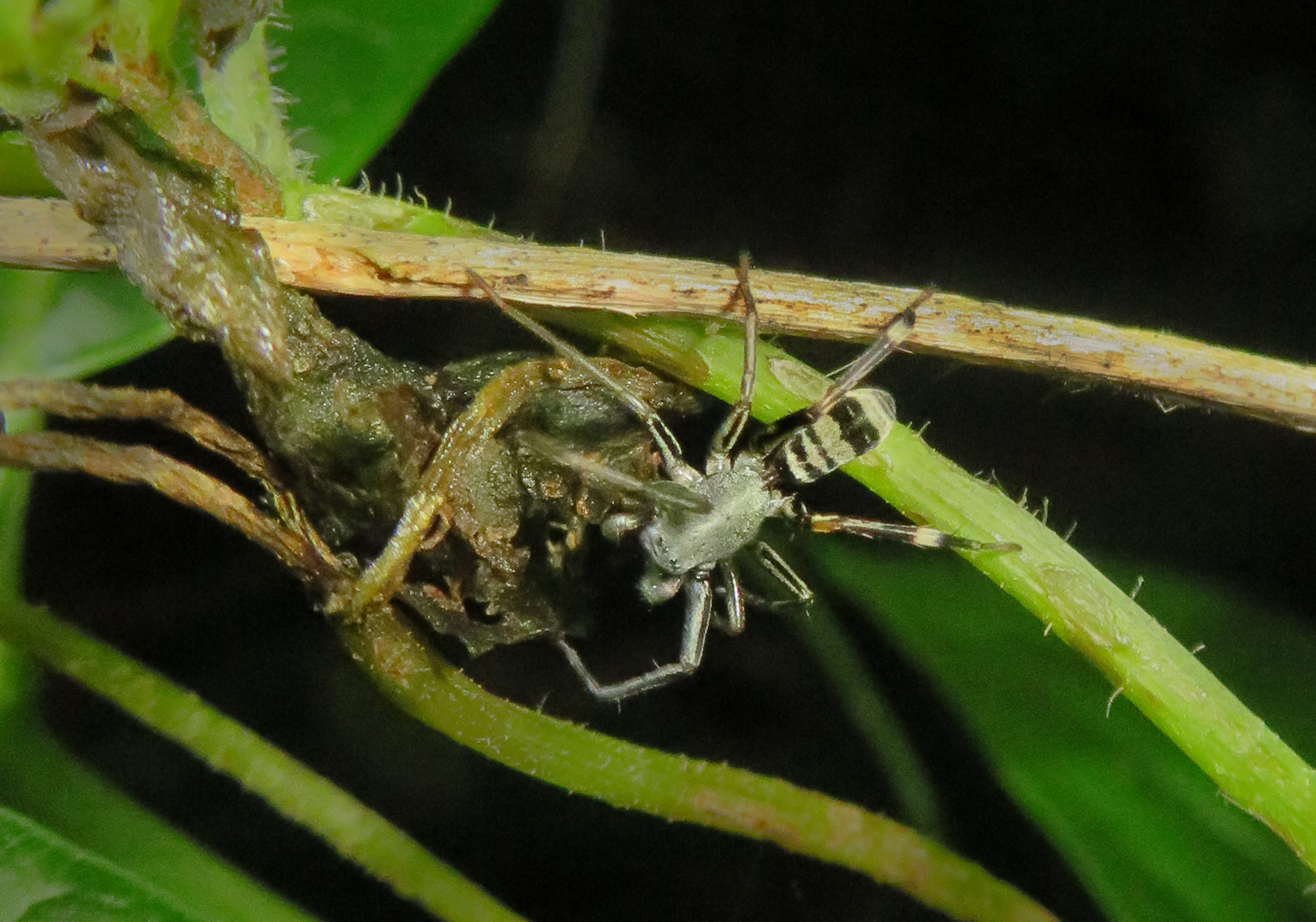
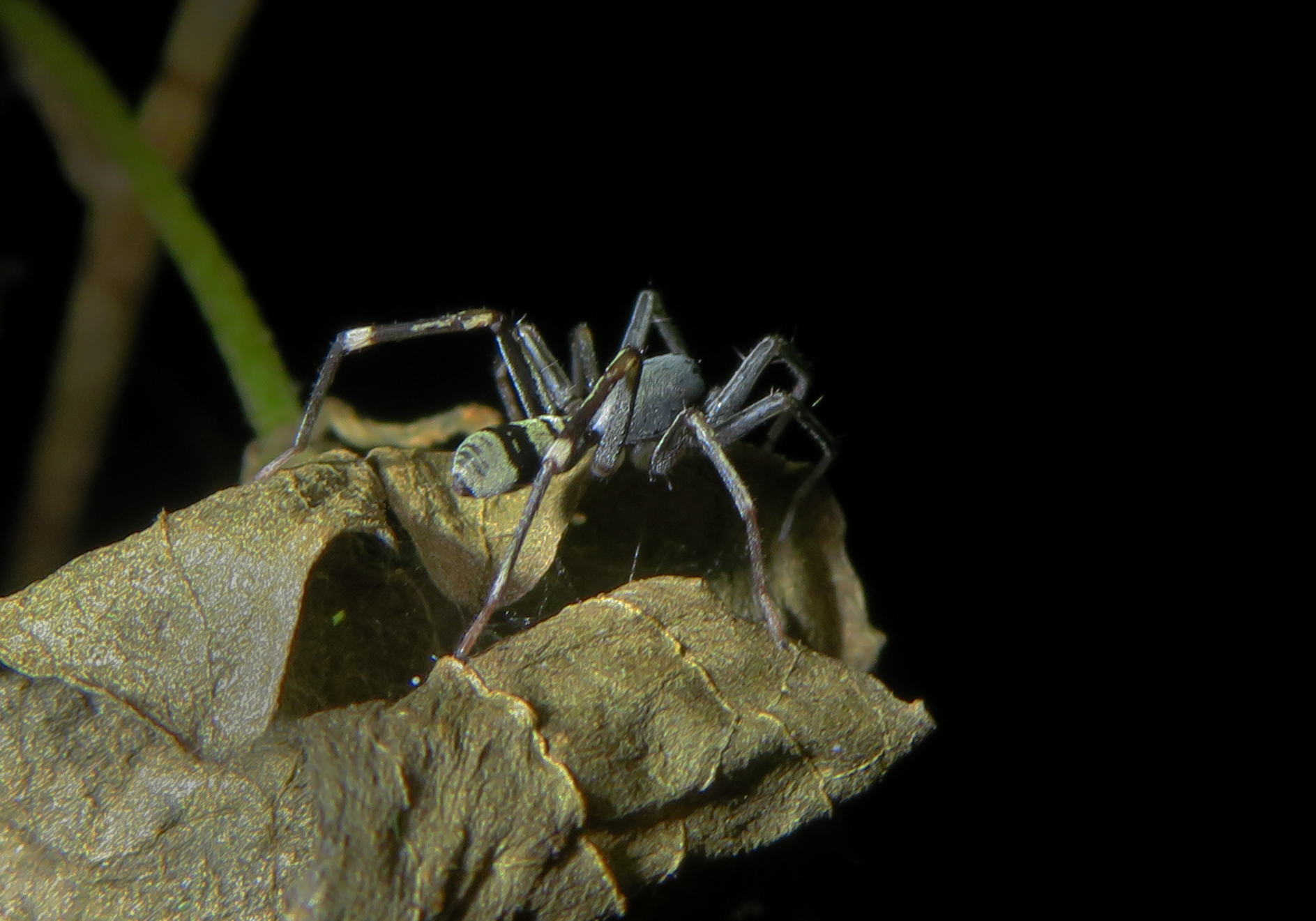
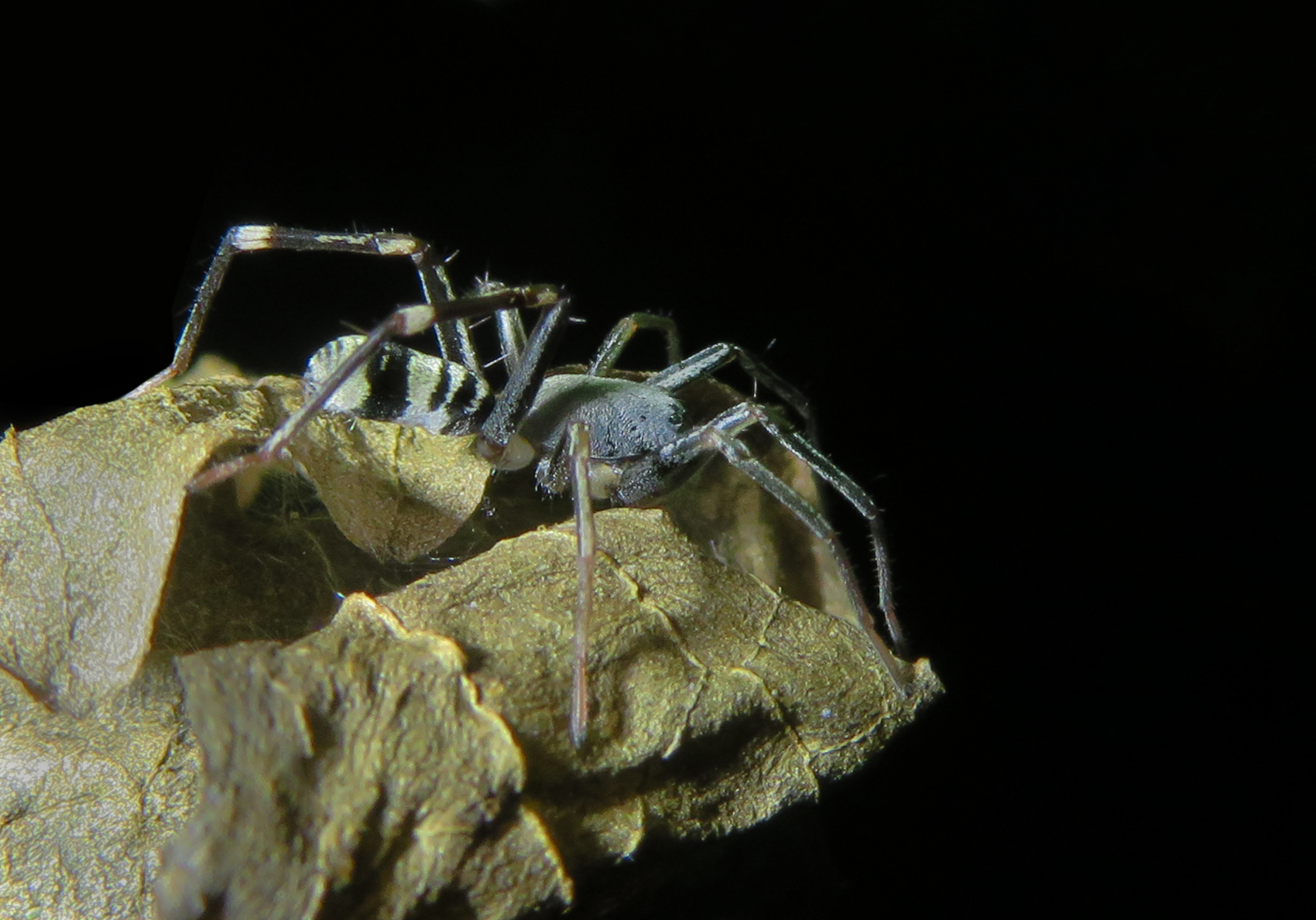
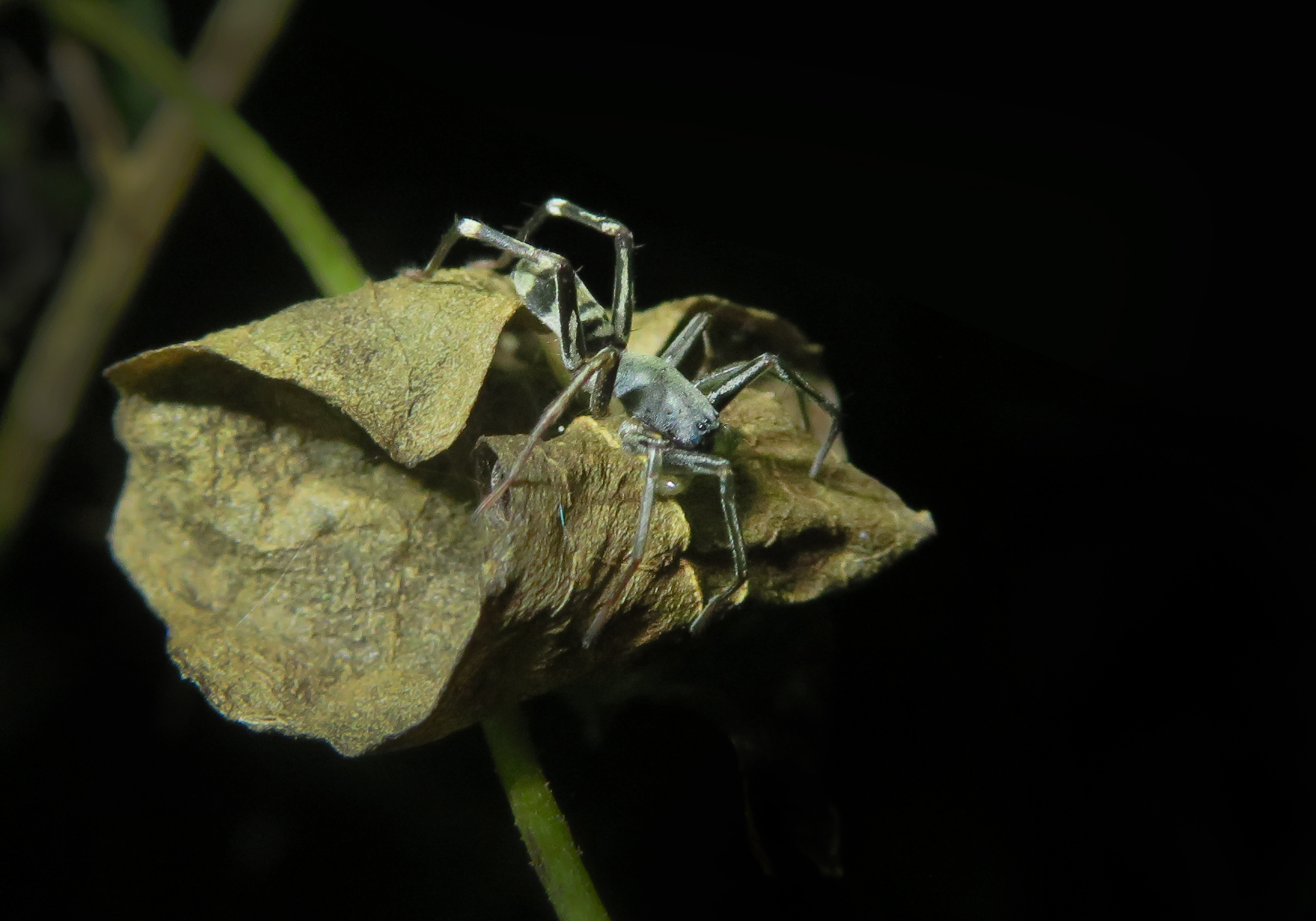
Dionycha is a major zoosubsection within the RTA clade of the infraorder Entelegynae, belonging to the suborder Araneomorphae (Order Araneae). This lineage comprises a large assemblage of primarily ground-dwelling and foliage-dwelling spiders that are distributed worldwide and occupy a broad range of terrestrial ecosystems.
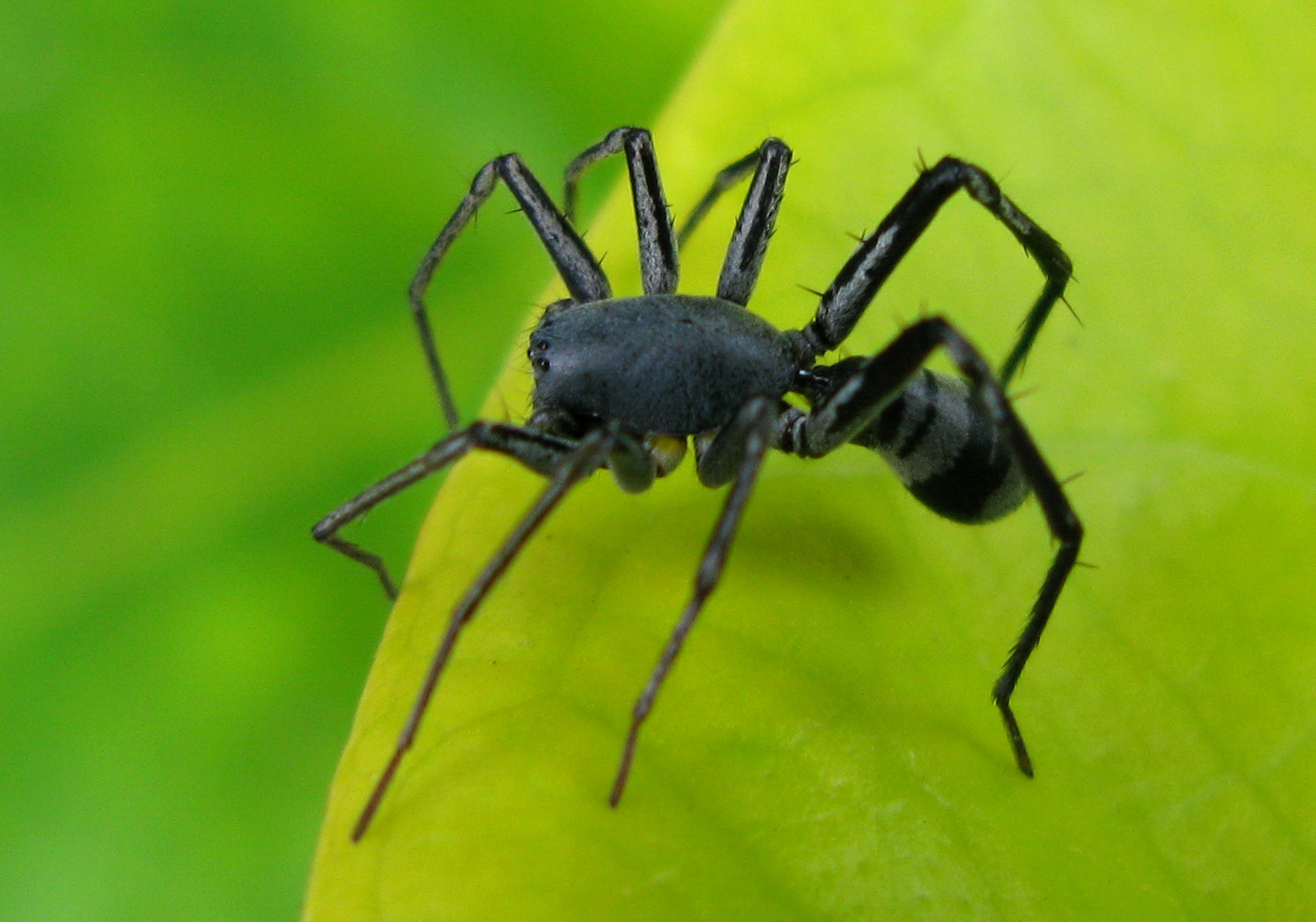
Spiders of the Dionycha are characterized by a distinctive leg orientation, in which the anterior two pairs of legs are directed forward, giving rise to the name Dionycha (“two claws forward”). This configuration is associated with an active, cursorial hunting lifestyle and enhanced prey capture efficiency. The legs are often long and strong, adapted for rapid movement and sudden lunges.
Morphologically, dionychan spiders are diverse in size and body form, ranging from compact, robust species to elongated, laterigrade forms. Males possess a well-developed retrolateral tibial apophysis (RTA) on the pedipalp, consistent with their placement within the RTA clade. Females have fully developed entelegyne genitalia with paired copulatory openings and internal fertilization ducts.
Web construction is generally reduced or absent in Dionycha. Most species do not rely on prey-capture webs, instead using active hunting, ambush strategies, or stalking behavior. Some species construct silk retreats, draglines, or egg sacs, but silk is rarely used to restrain prey.
Ecologically, Dionycha includes many of the most familiar and visually conspicuous spiders, such as wolf spiders, lynx spiders, crab spiders, nursery web spiders, and huntsman spiders. Members of this zoosubsection are important predators in both natural and human-altered environments, contributing significantly to the regulation of insect populations.
Dionycha represents one of the most evolutionarily successful radiations within modern spiders, combining morphological versatility, behavioral innovation, and ecological dominance across diverse habitats.