Bali Wildlife
Every Spices Matter


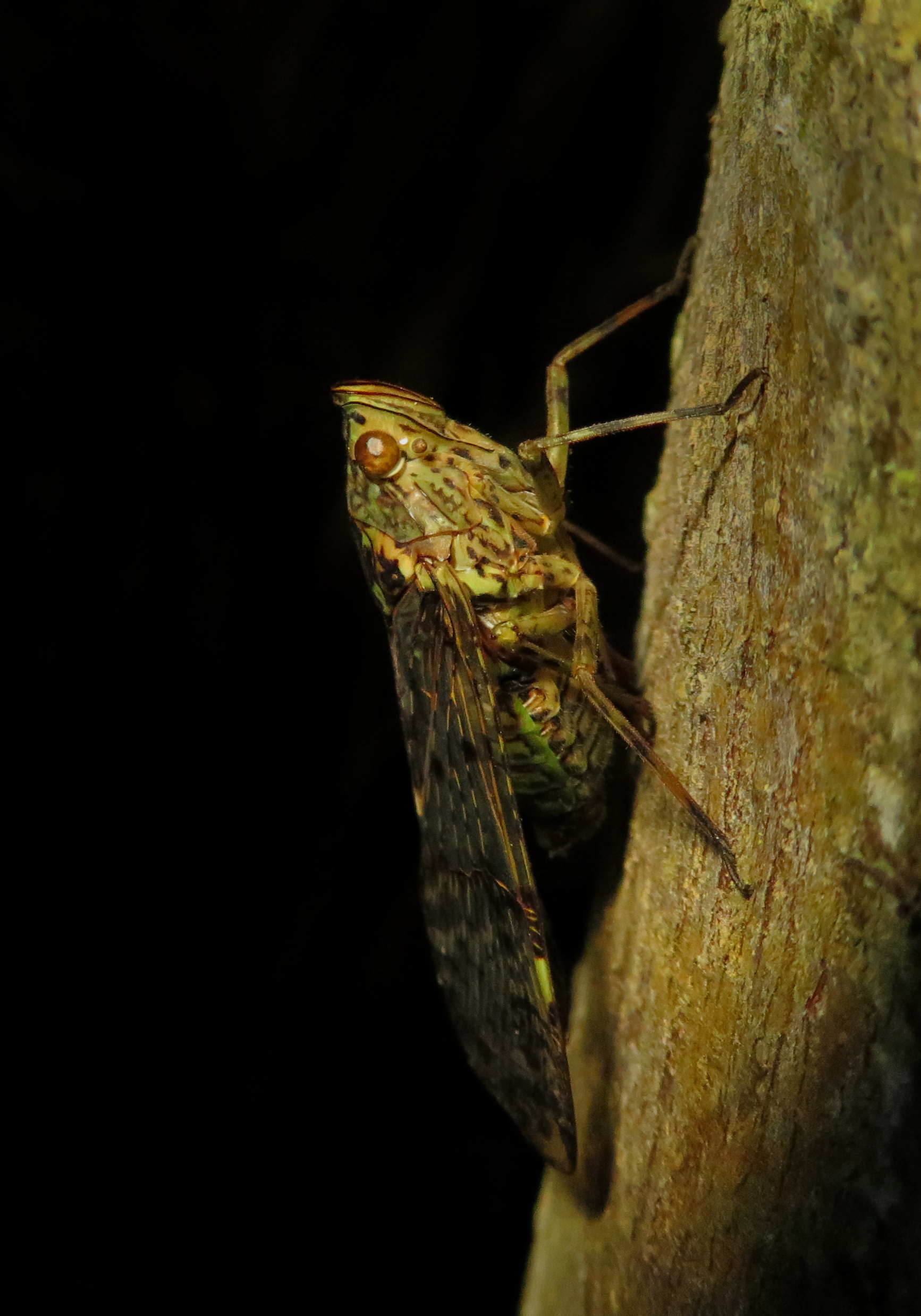
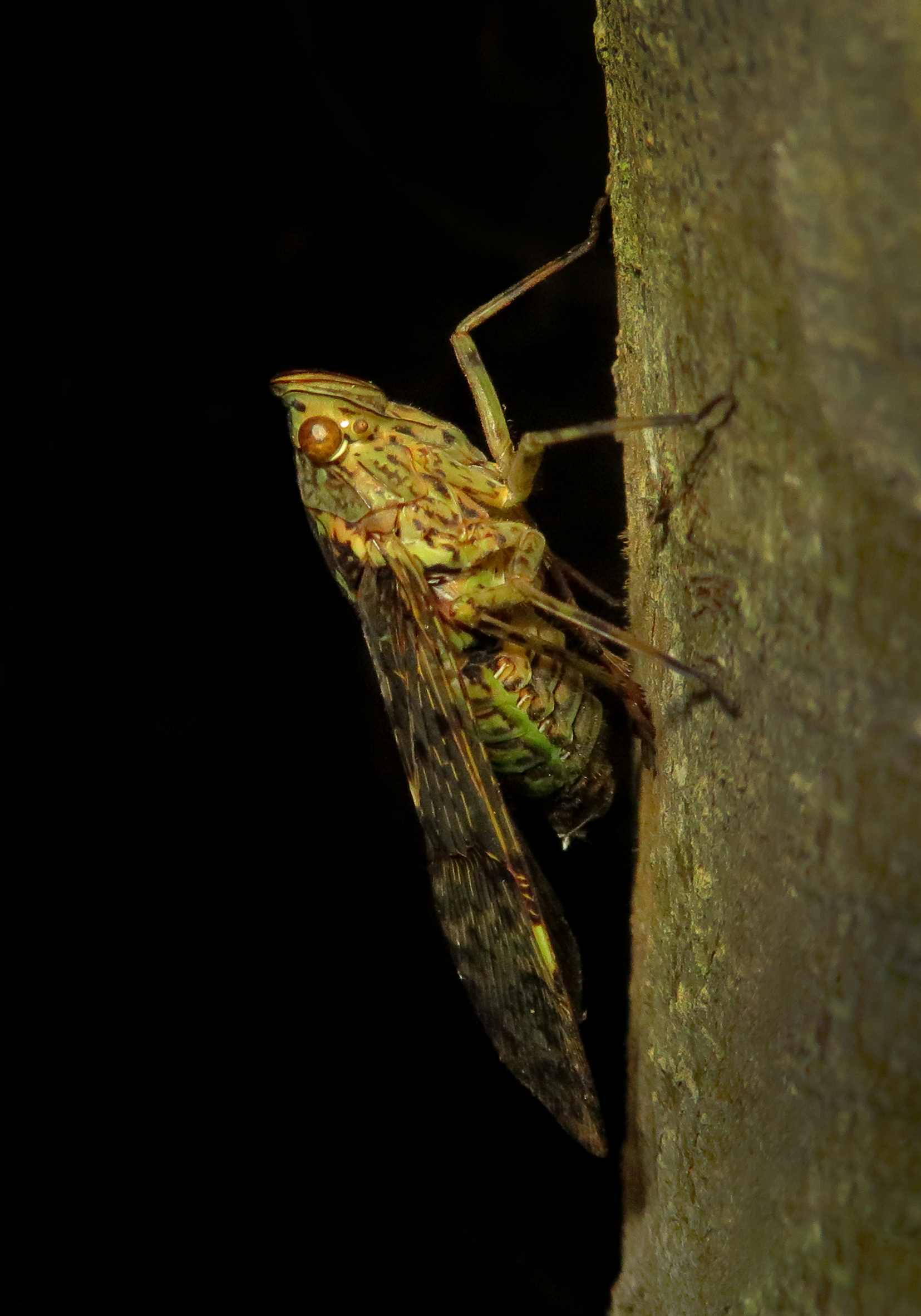
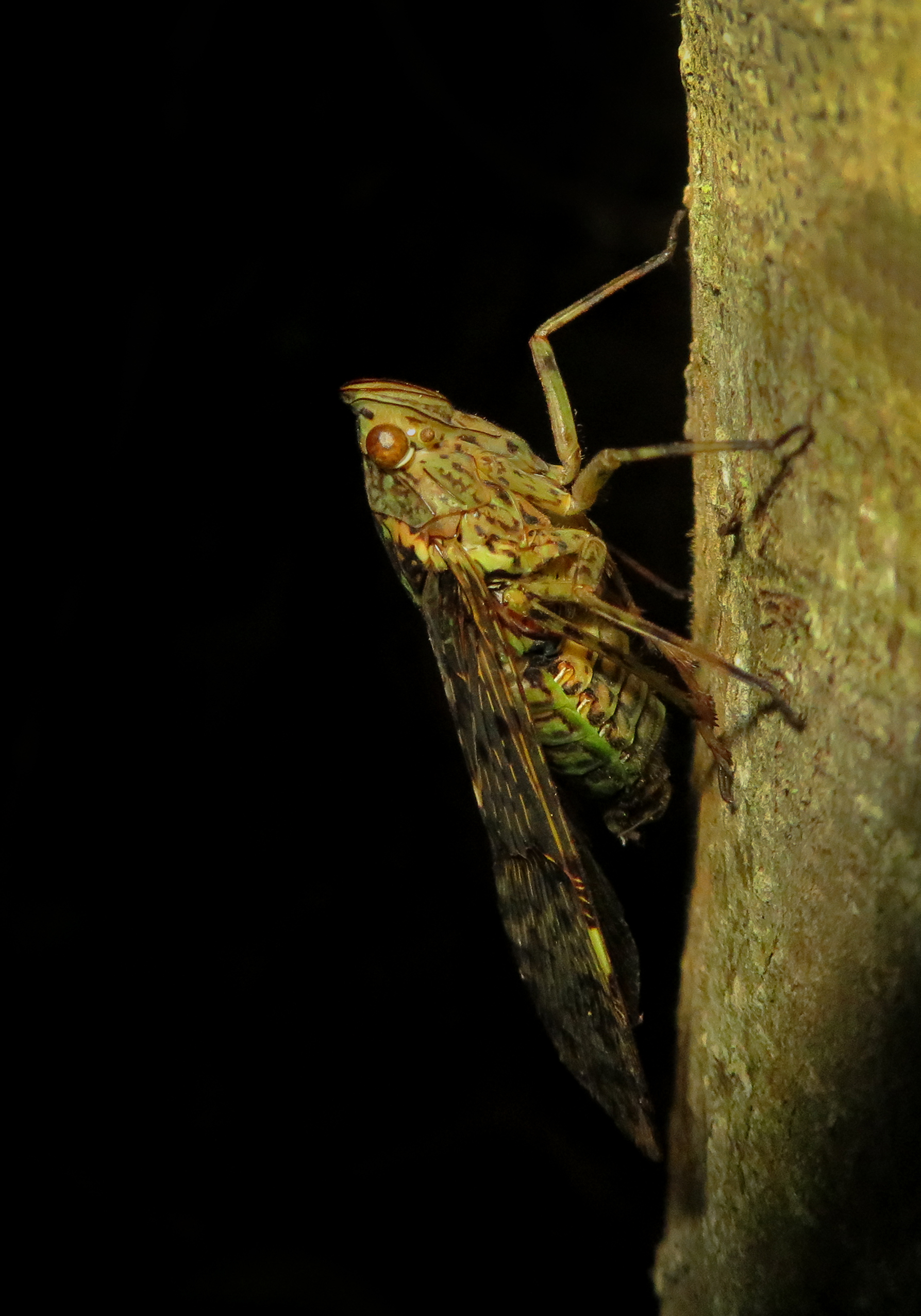
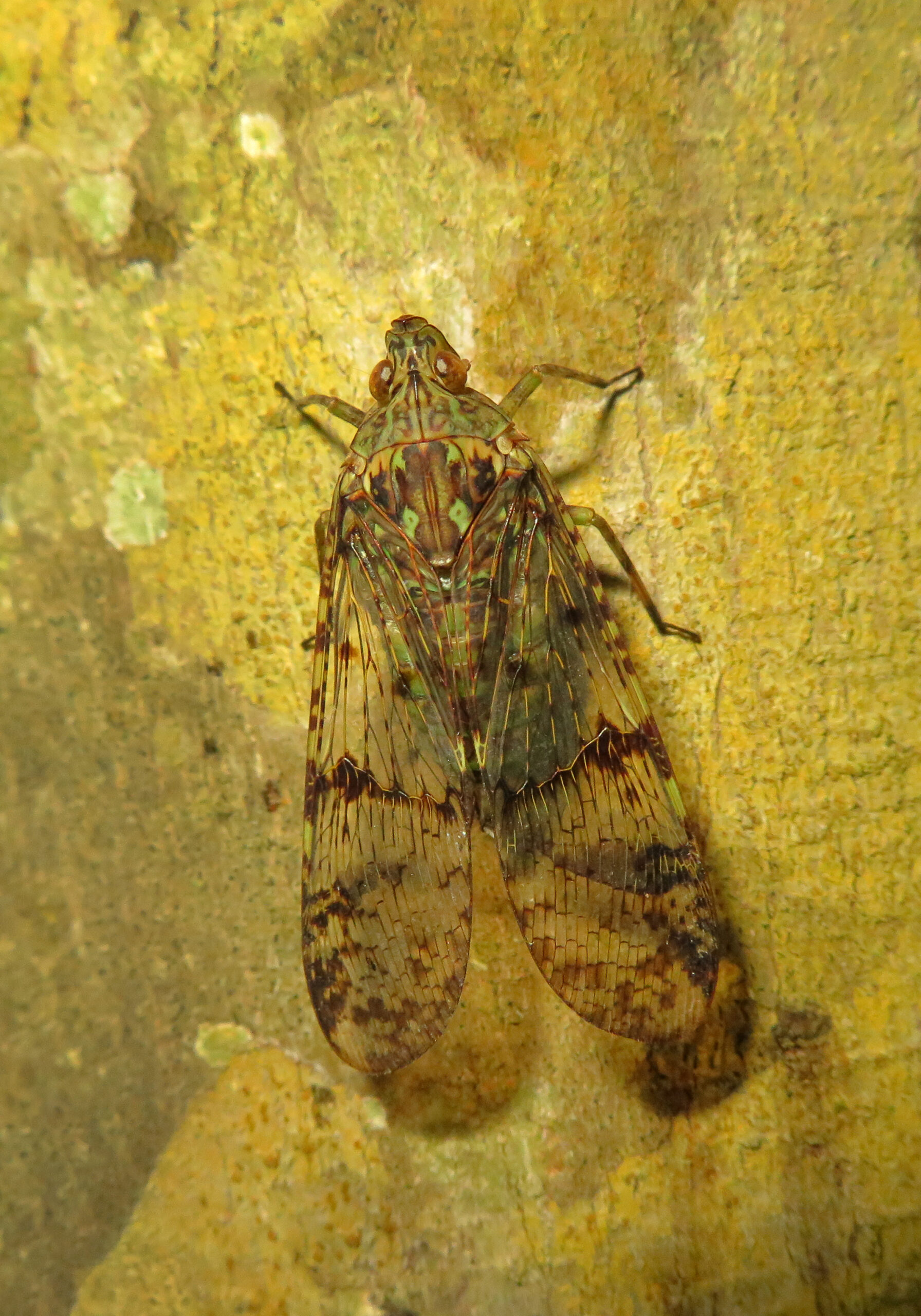
Dichopterinae is a subfamily of net-winged beetles within the family Lycidae (Order Coleoptera). Members of this subfamily are distributed primarily throughout tropical and subtropical regions of Asia, Africa, and the Americas, with additional species occurring in temperate forests. They are commonly found in woodlands, rainforests, forest edges, and other habitats containing abundant decaying wood, fungi, and leaf litter.
Beetles of the subfamily Dichopterinae are generally small to medium-sized and are recognized by their soft, elongate body and distinctive reticulated elytra, in which the wing covers are marked by a network of raised longitudinal and transverse ridges. This characteristic “net-winged” appearance is a defining feature of the family Lycidae. Coloration is often conspicuous, with combinations of orange, red, yellow, and black that function as aposematic (warning) coloration, advertising the beetles’ unpalatability to potential predators.
Adults are usually slow-moving and are active on foliage, flowers, fallen logs, or tree trunks. Many species feed on nectar, pollen, fungi, or plant exudates, although feeding habits vary among genera. Their soft bodies contain defensive chemicals that make them distasteful, and numerous unrelated insects mimic their appearance as part of Müllerian or Batesian mimicry complexes.
The life cycle involves complete metamorphosis, consisting of egg, larva, pupa, and adult stages. Larvae are elongate, flattened, and heavily sclerotized, living beneath bark, within decaying logs, or in leaf litter. They feed primarily on fungi, decomposing plant material, or microorganisms associated with decaying wood, thereby contributing to decomposition and nutrient cycling. Pupation occurs in sheltered locations within the substrate.
The subfamily includes genera such as Dichopterus, Dihammatus, and related taxa, which exhibit adaptations to forest environments and saproxylic habitats.
Ecologically, Dichopterinae beetles play an important role in forest ecosystems by participating in the decomposition of dead wood and fungal material during their larval stage. Adults contribute to pollination through visits to flowers and serve as prey for birds, reptiles, spiders, and predatory insects, although their warning coloration and chemical defenses reduce predation. Their close association with decaying wood and mature forests also makes many species valuable indicators of forest ecosystem health and biodiversity.