Bali Wildlife
Every Spices Matter


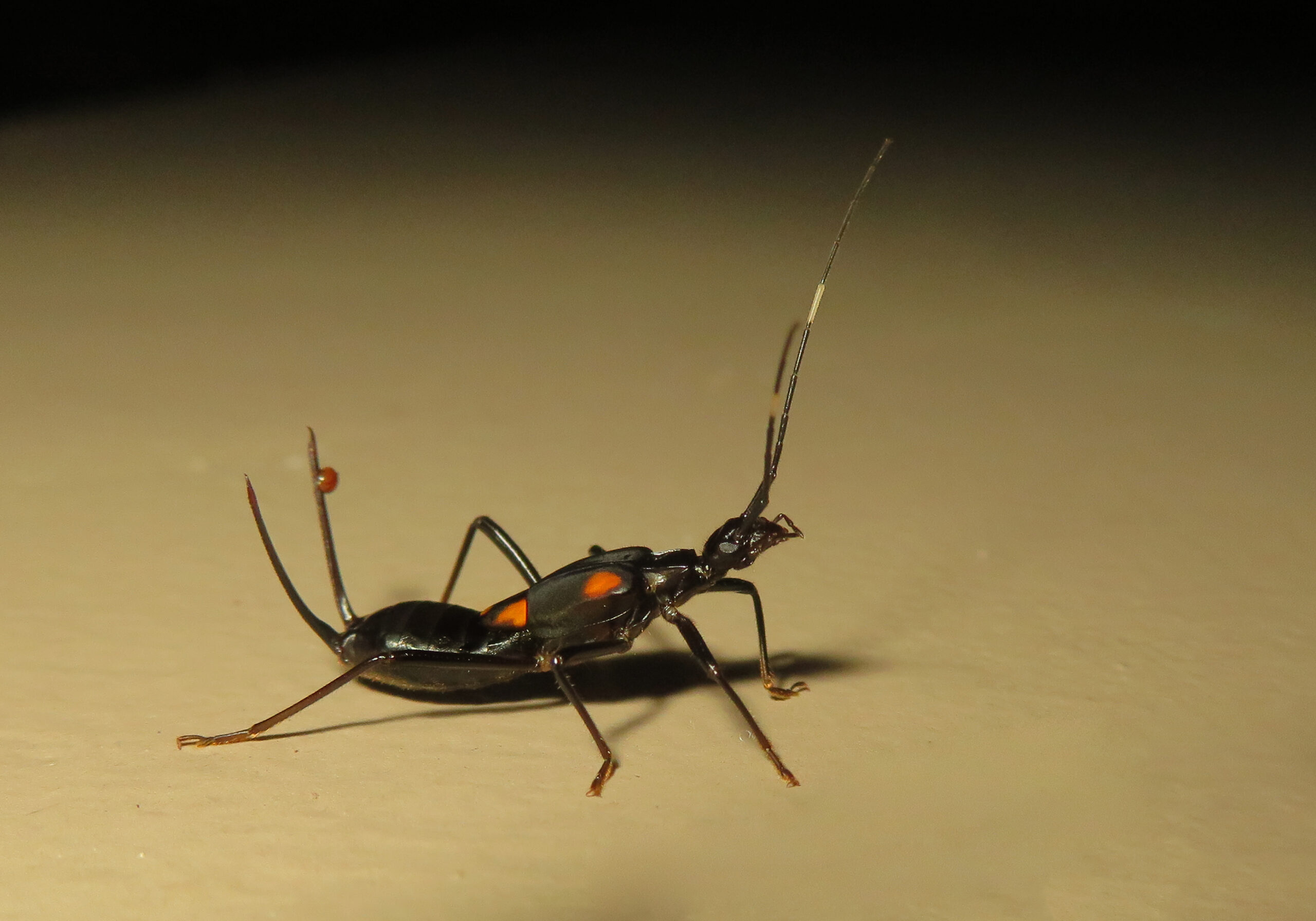
Dermaptera is an order of insects commonly known as earwigs. Members of this order are distributed worldwide and inhabit a wide range of environments, including forests, grasslands, agricultural fields, gardens, and urban areas. They are most commonly found in moist, sheltered locations such as under bark, stones, leaf litter, logs, and soil crevices.
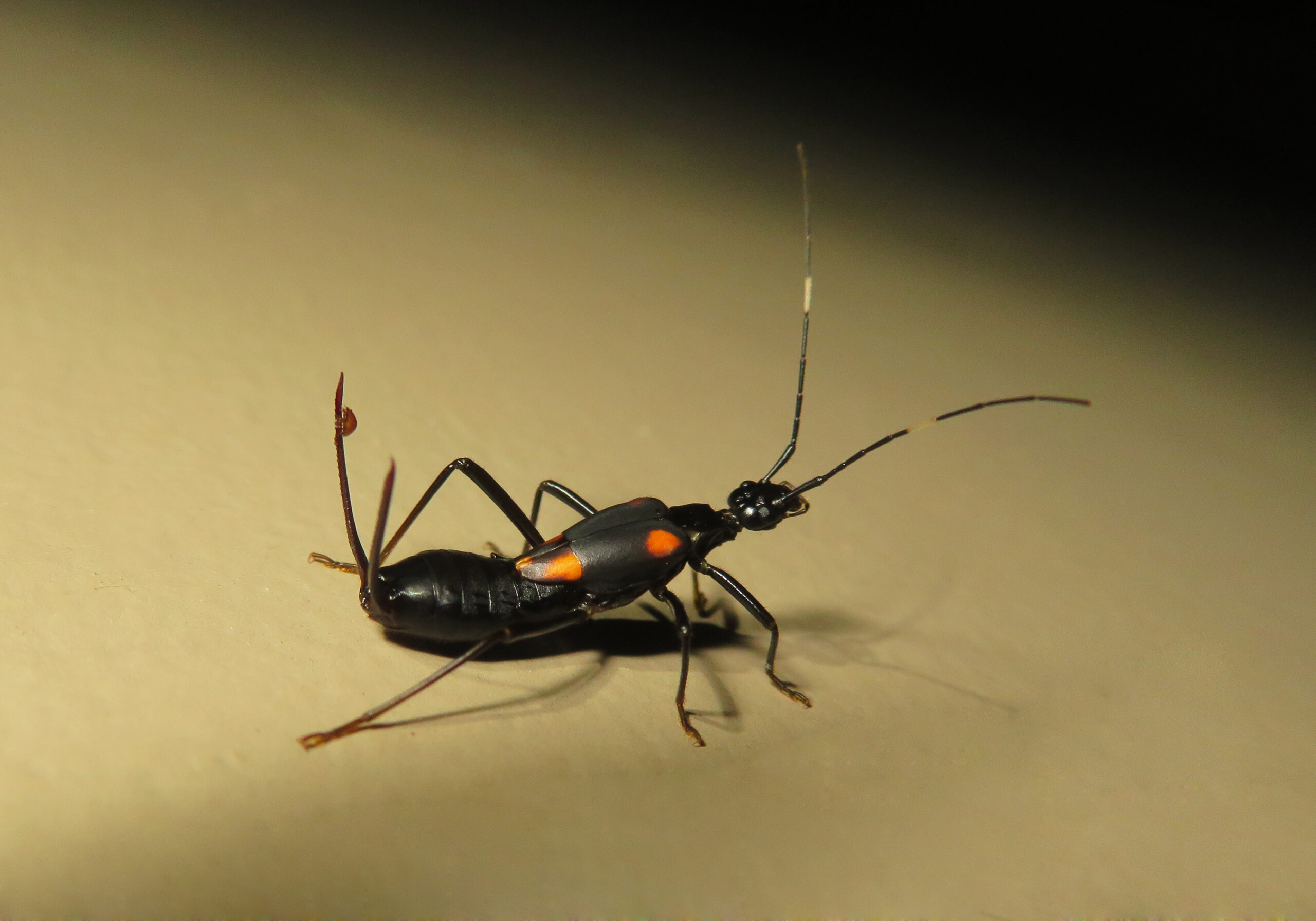
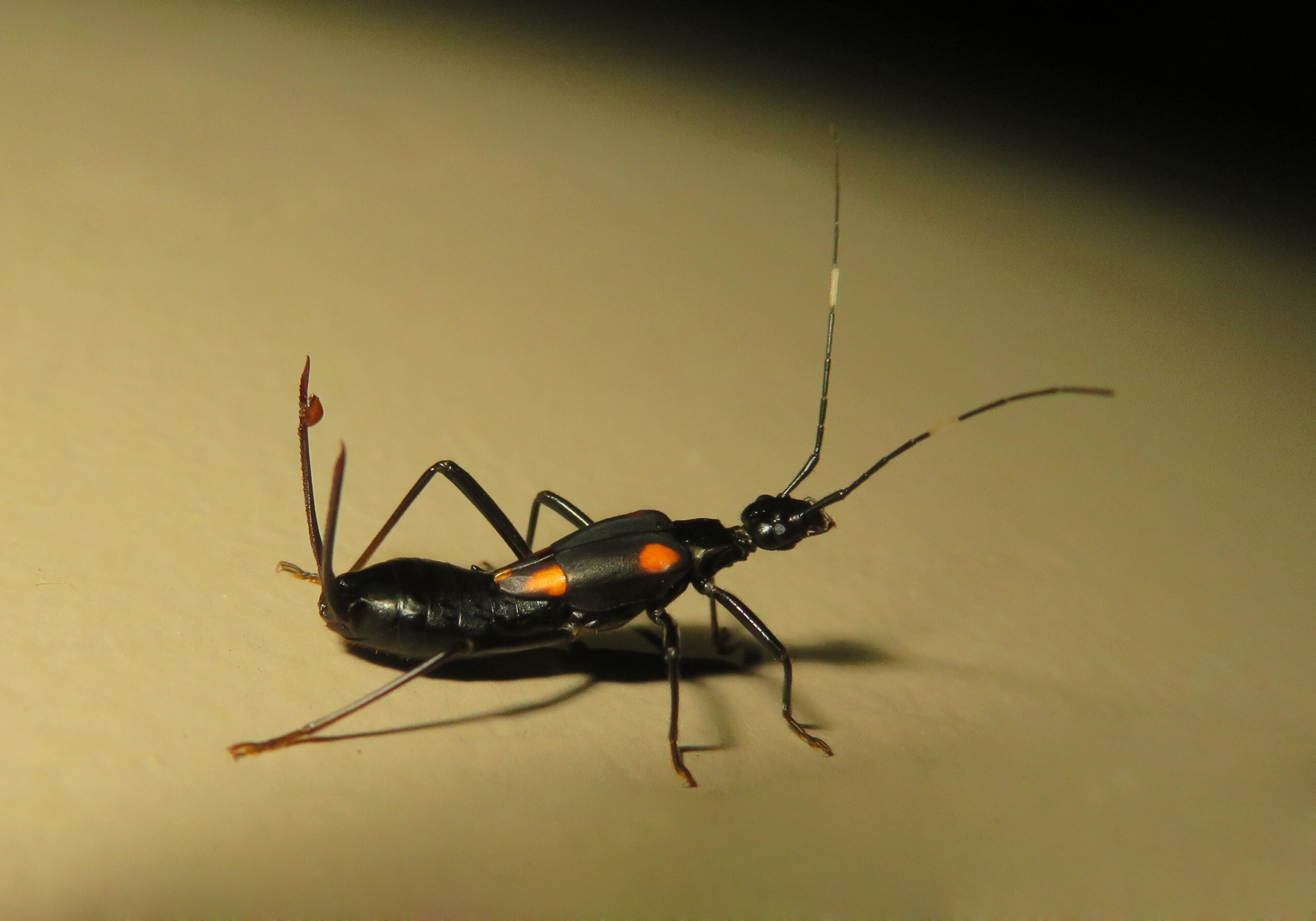
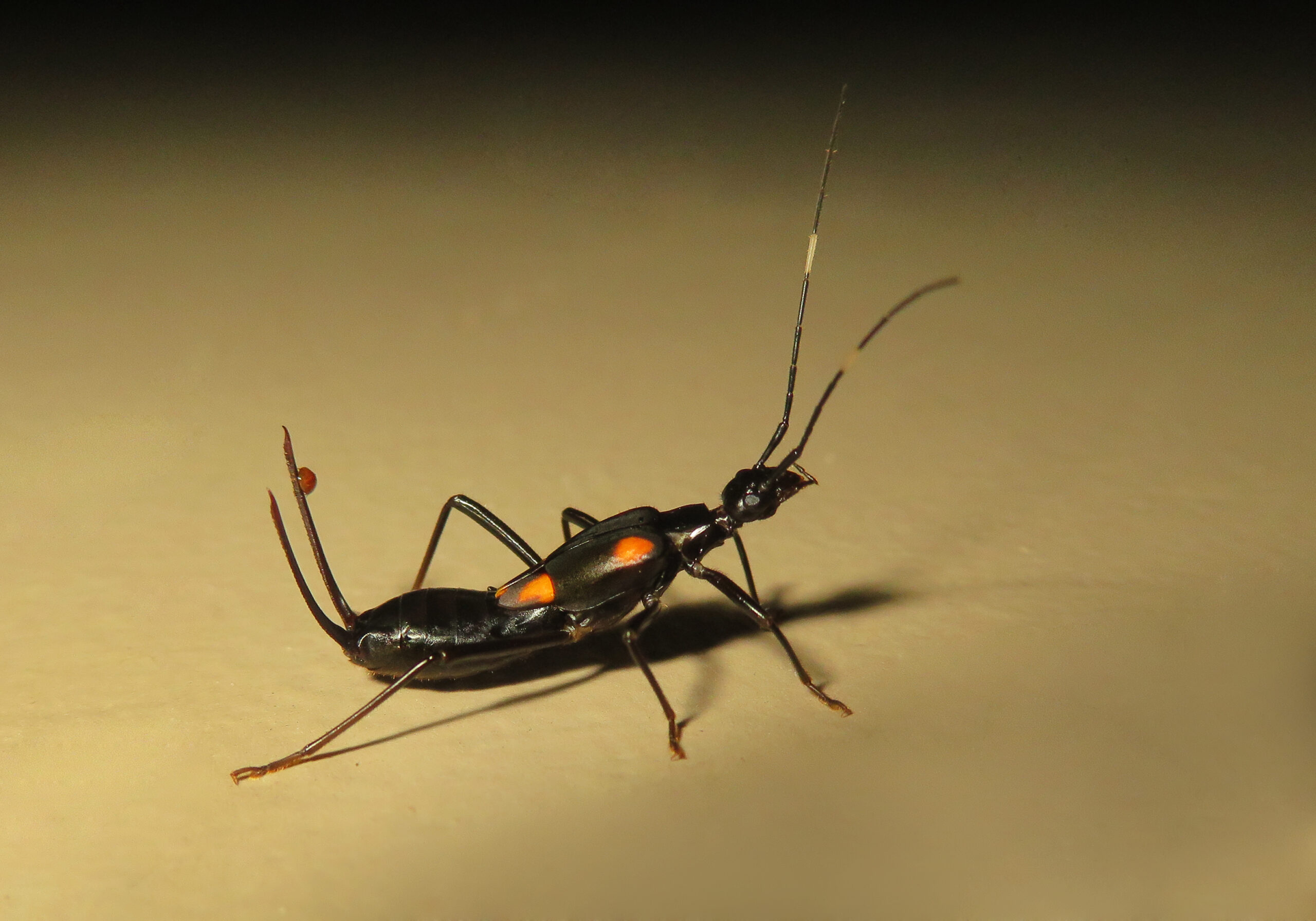
Earwigs are generally small to medium-sized insects characterized by an elongated, flattened body and a pair of forceps-like appendages called cerci at the tip of the abdomen. These pincers are one of their most distinctive features and vary in shape between species and sexes. Males often possess more strongly curved cerci, while females typically have straighter ones.
The head bears chewing mouthparts and relatively long, segmented antennae. Most species possess two pairs of wings, although many are short-winged or wingless. The forewings are short and leathery, while the hind wings are membranous and intricately folded beneath them when not in use.
Dermapterans undergo incomplete metamorphosis, consisting of egg, nymph, and adult stages. Females exhibit notable parental care, which is uncommon among insects. Many species guard their eggs and young nymphs, protecting them from predators and cleaning the eggs to reduce fungal growth.
Feeding habits vary among species. Most earwigs are omnivorous, feeding on decaying plant material, fungi, algae, flowers, fruits, and small invertebrates. Some species are beneficial predators that consume aphids and other soft-bodied pests, while others may occasionally damage cultivated plants.
The order includes several families, such as Forficulidae (common earwigs), Anisolabididae, and Chelisochidae, which differ in body form, habitat preference, and behavior.
Ecologically, Dermaptera plays an important role in decomposition, nutrient cycling, and the regulation of small insect populations. They serve as both predators and scavengers and are themselves prey for birds, reptiles, amphibians, and mammals. Although sometimes regarded as garden pests, most earwigs are harmless and contribute positively to ecosystem functioning.