Bali Wildlife
Every Spices Matter


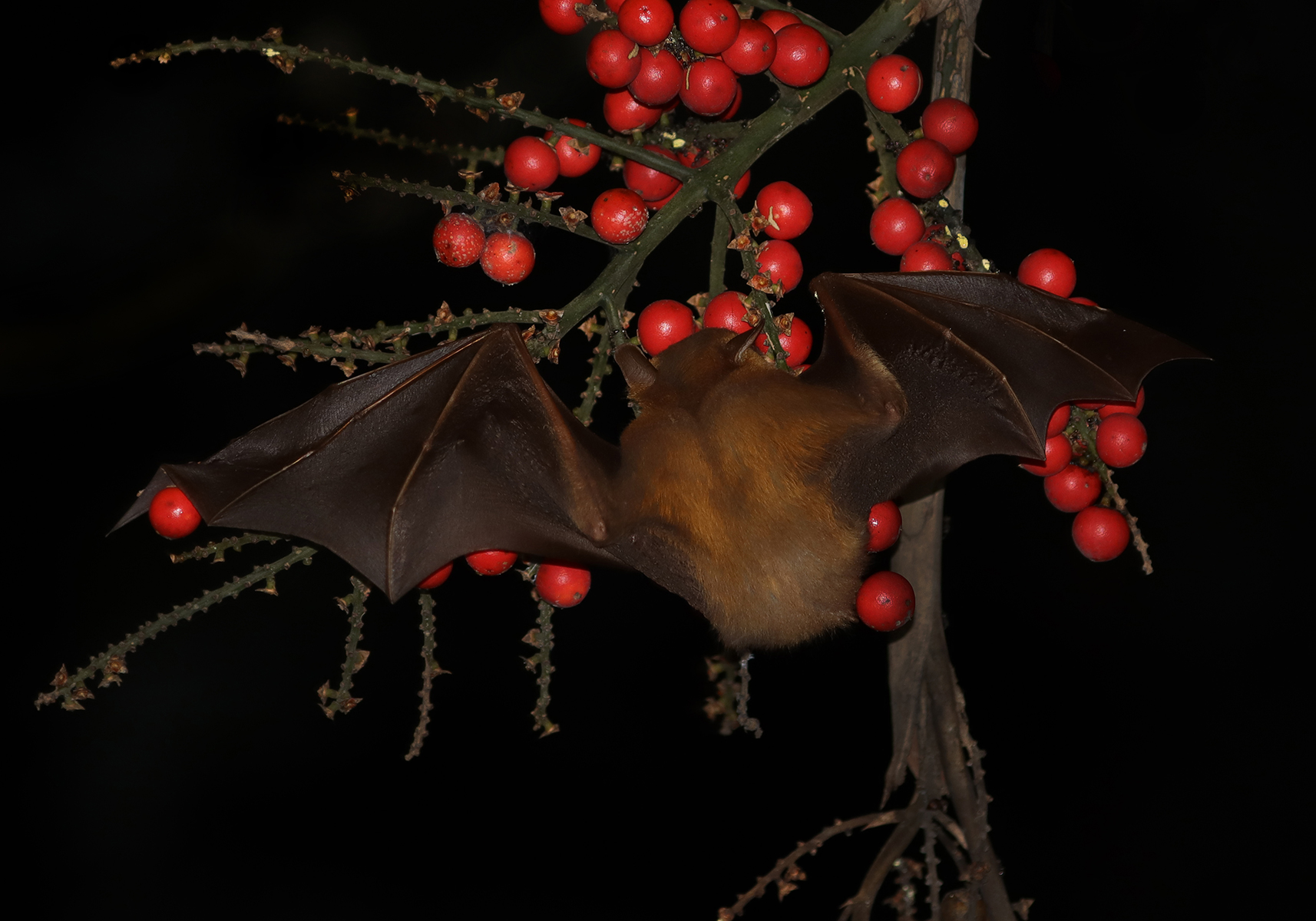
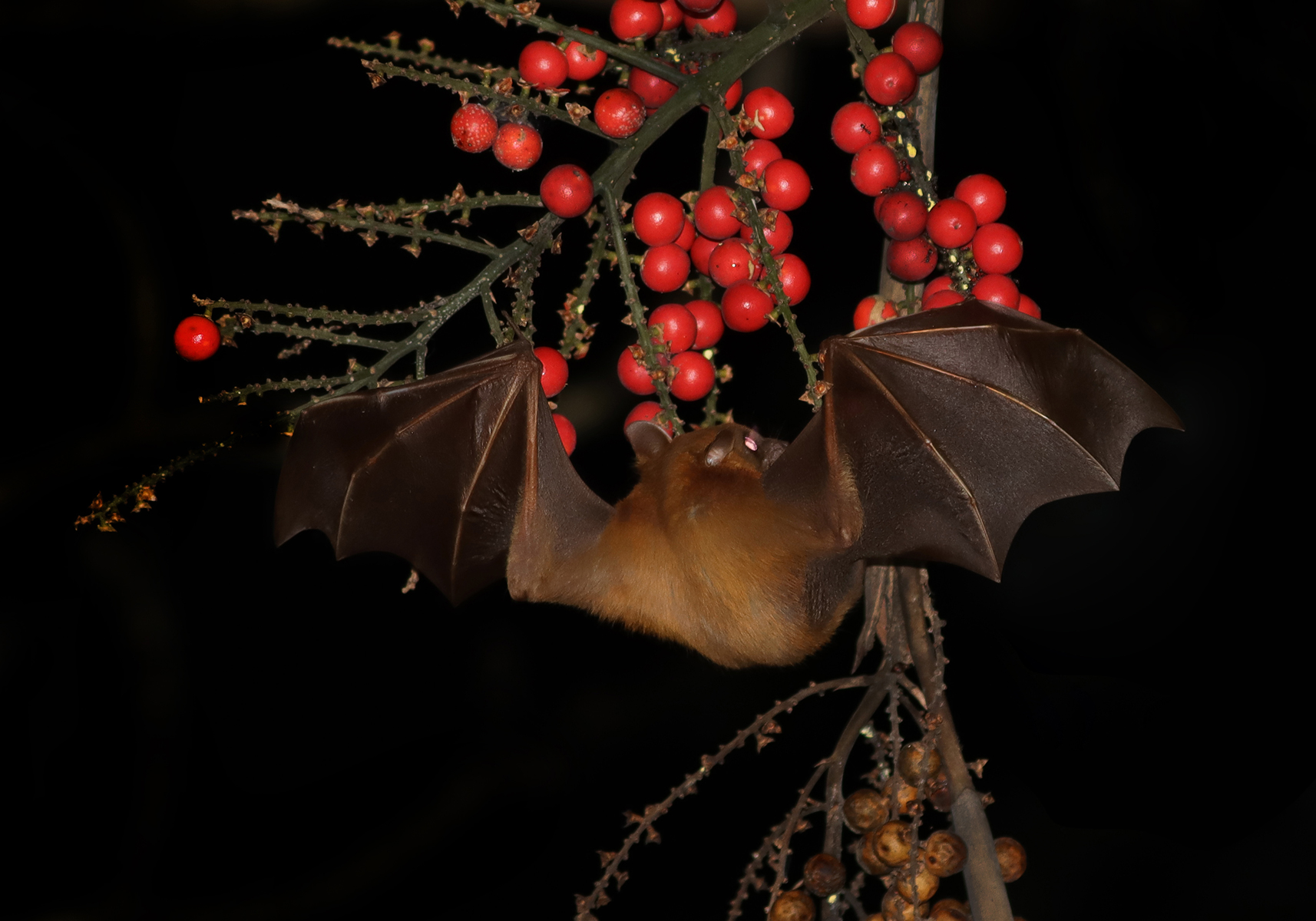
Cynopterini is a tribe within the subfamily Cynopterinae (Family Pteropodidae, Superfamily Pteropodoidea, Order Chiroptera), comprising a group of Old World fruit bats commonly known as short-nosed fruit bats. Members of this tribe are widely distributed across South and Southeast Asia, including regions such as India, Sri Lanka, mainland Southeast Asia, Indonesia, and the Philippines. They are typically found in tropical and subtropical habitats, including forests, plantations, gardens, and urban areas.
Bats of the tribe Cynopterini are generally small to medium-sized and are distinguished by their relatively short, broad snout and large eyes adapted for low-light conditions. Their fur is usually brown, gray, or olive, sometimes with lighter underparts or contrasting patches. Like other fruit bats, they possess strong wings adapted for sustained flight and hind limbs suited for hanging upside down while roosting.
Members of Cynopterini rely primarily on vision and a well-developed sense of smell rather than echolocation. They are typically nocturnal and forage during the evening and night.
Feeding habits are mainly frugivorous, with many species consuming a wide variety of fruits, particularly figs and other soft fruits. Some species also feed on nectar and pollen. Their feeding behavior often involves carrying fruit to feeding sites and dispersing seeds over considerable distances.
A notable behavioral adaptation in some species is the construction of “tent” roosts, where individuals modify large leaves by biting the veins to create a folded shelter. This provides protection from predators and environmental conditions.
The life cycle follows typical mammalian reproduction, with females usually giving birth to a single offspring. Young are cared for by the mother until they are capable of independent flight.
The tribe includes genera such as Cynopterus, Megaerops, and related forms, which exhibit a range of ecological adaptations.
Ecologically, Cynopterini plays a vital role in seed dispersal and forest regeneration. By transporting seeds and occasionally pollinating flowers, they contribute significantly to maintaining plant diversity and ecosystem stability in tropical regions. Their adaptability to both natural and human-modified environments makes them an important component of biodiversity.