Bali Wildlife
Every Spices Matter


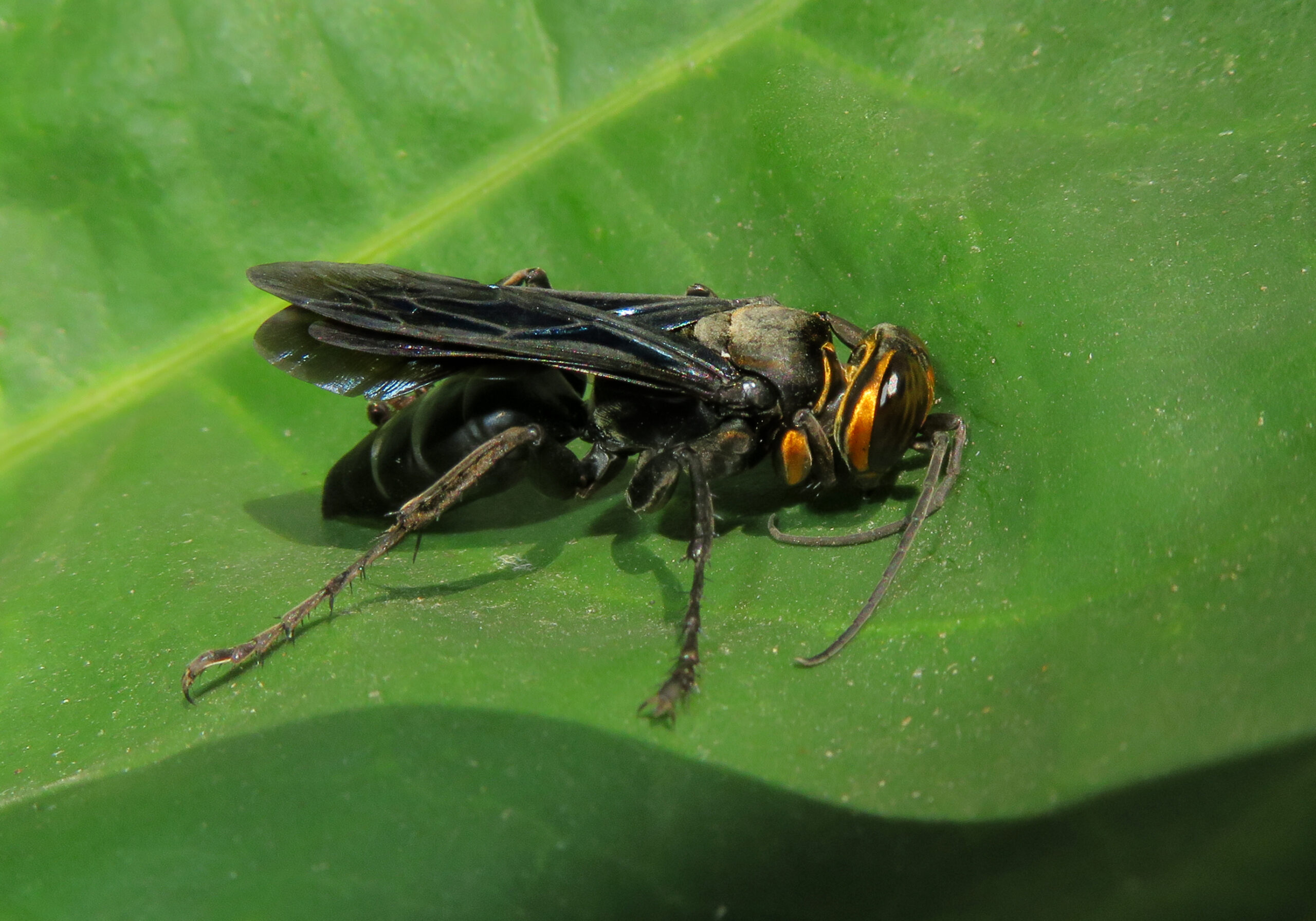
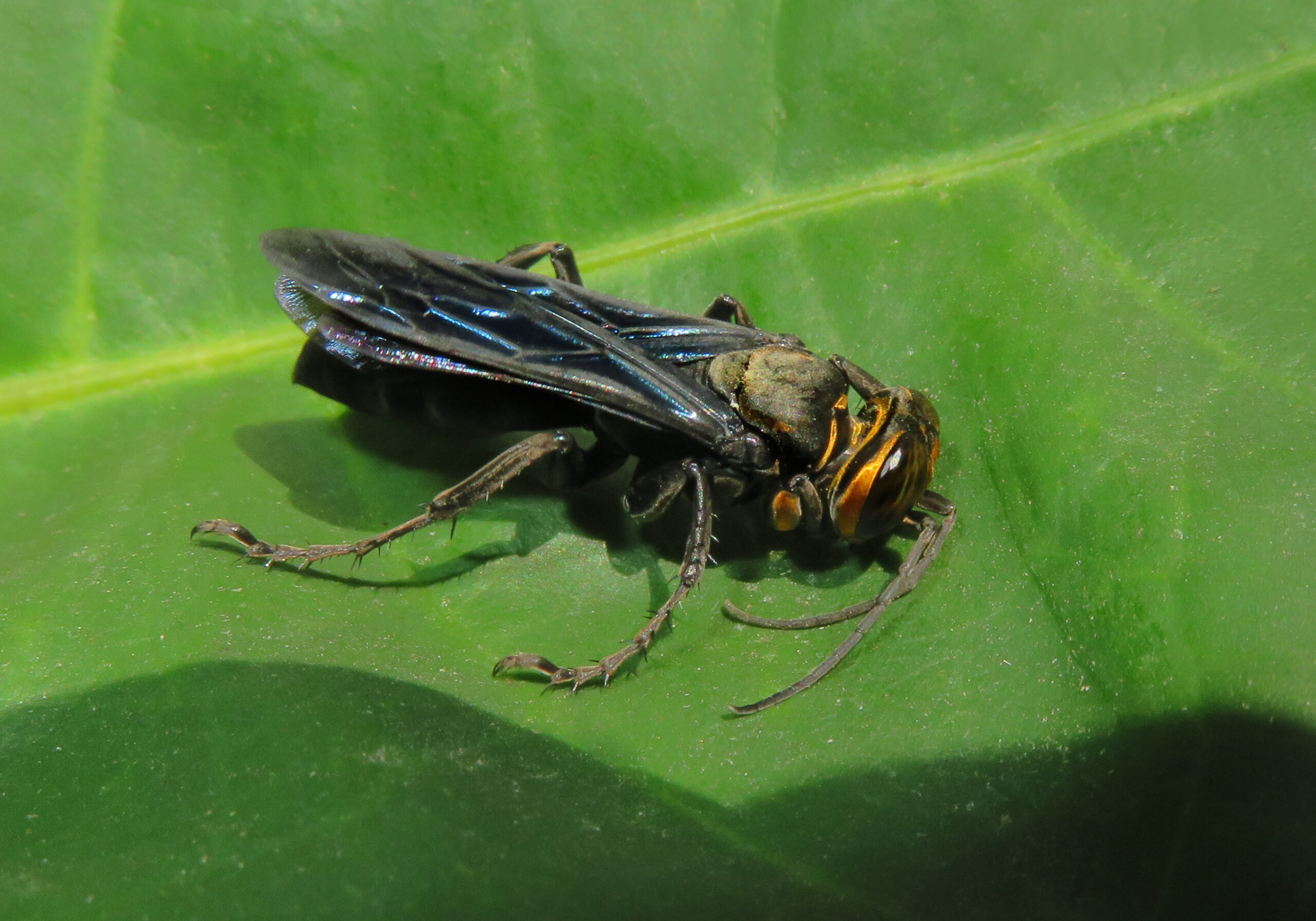
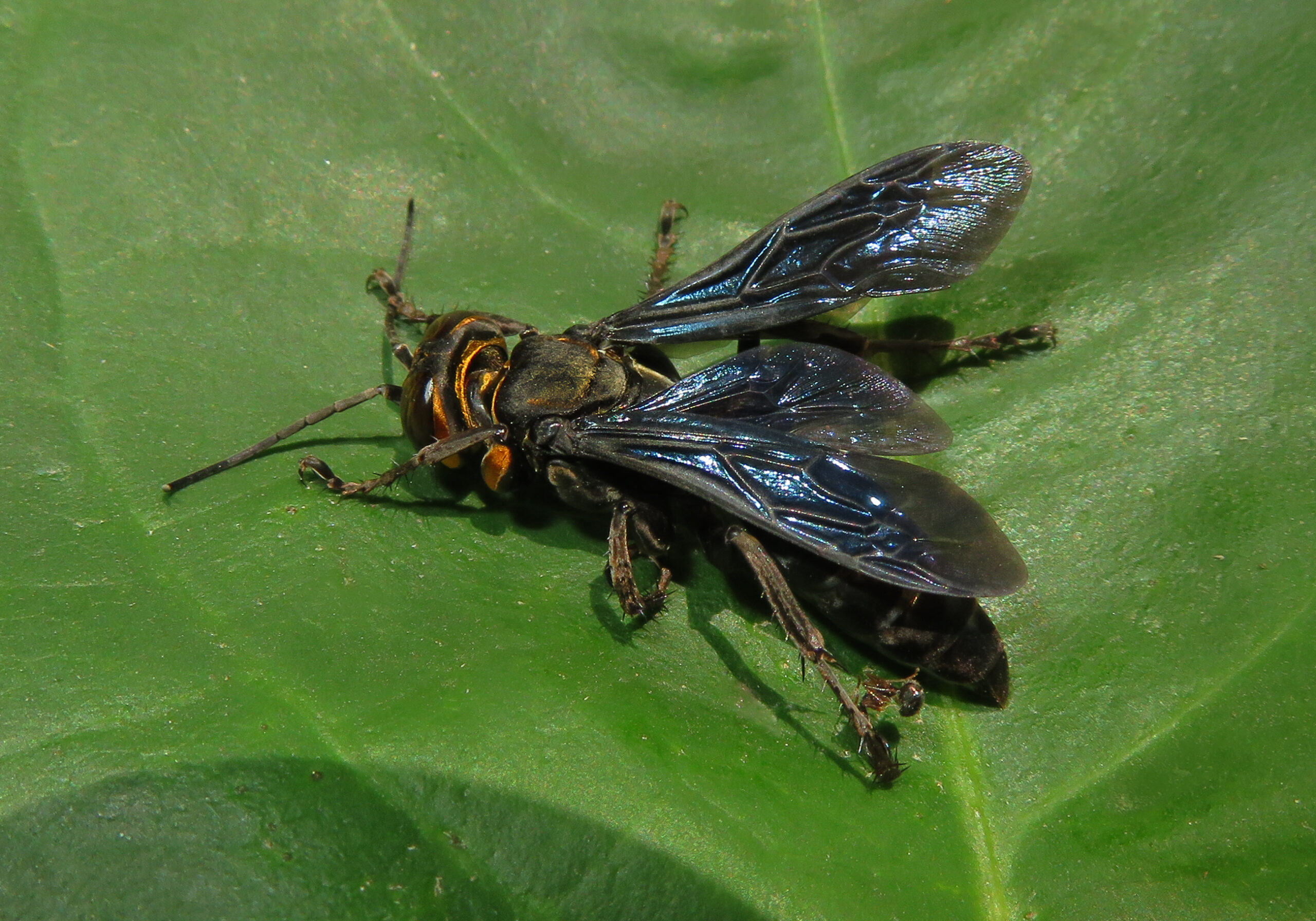
Crabroninae is a subfamily within the family Crabronidae (Superfamily Apoidea, Order Hymenoptera), comprising a diverse group of solitary wasps commonly referred to as sand wasps or digger wasps. Members of this subfamily are widely distributed across the world and are especially common in warm, open habitats such as sandy soils, grasslands, coastal dunes, and dry forest edges.
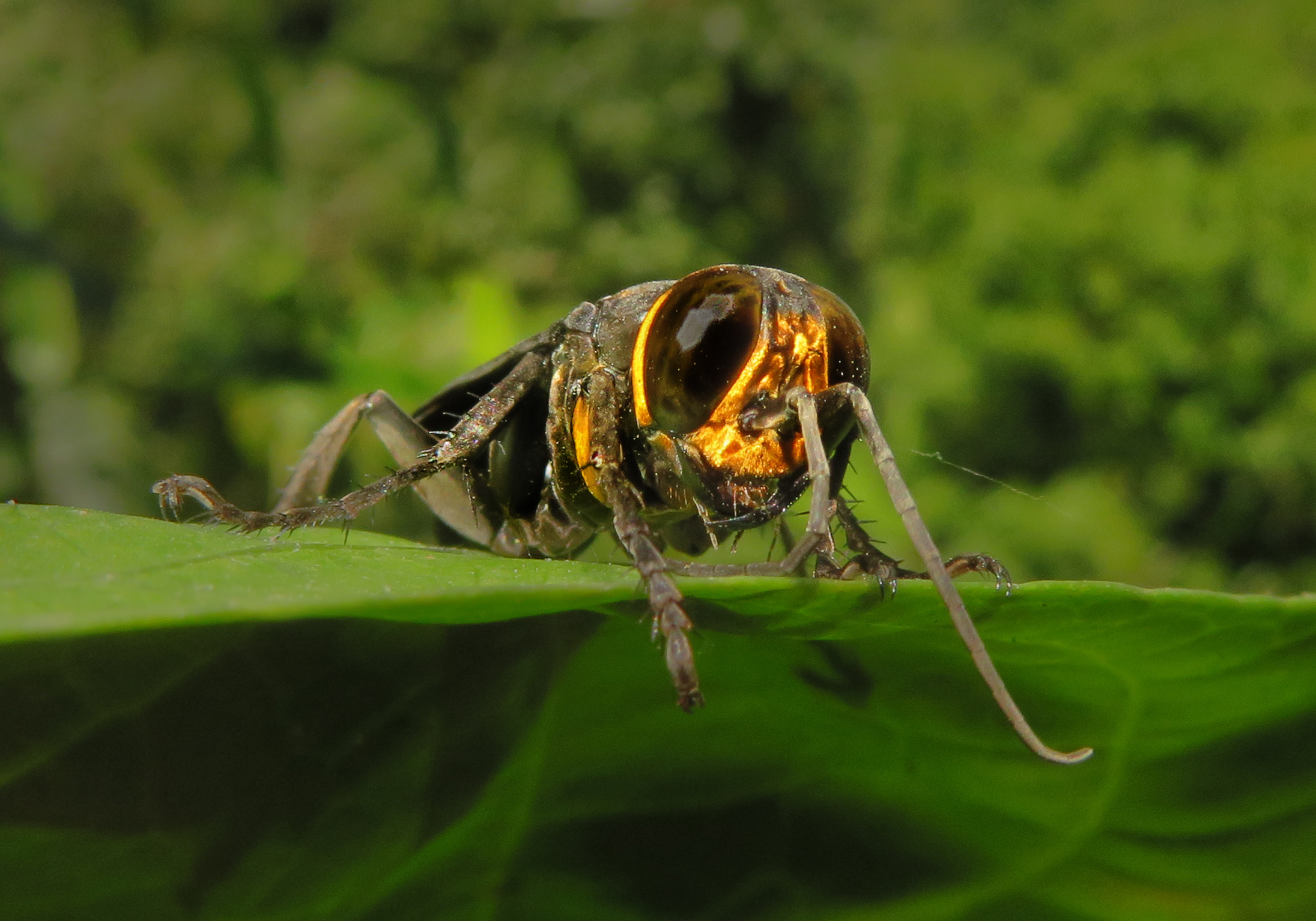
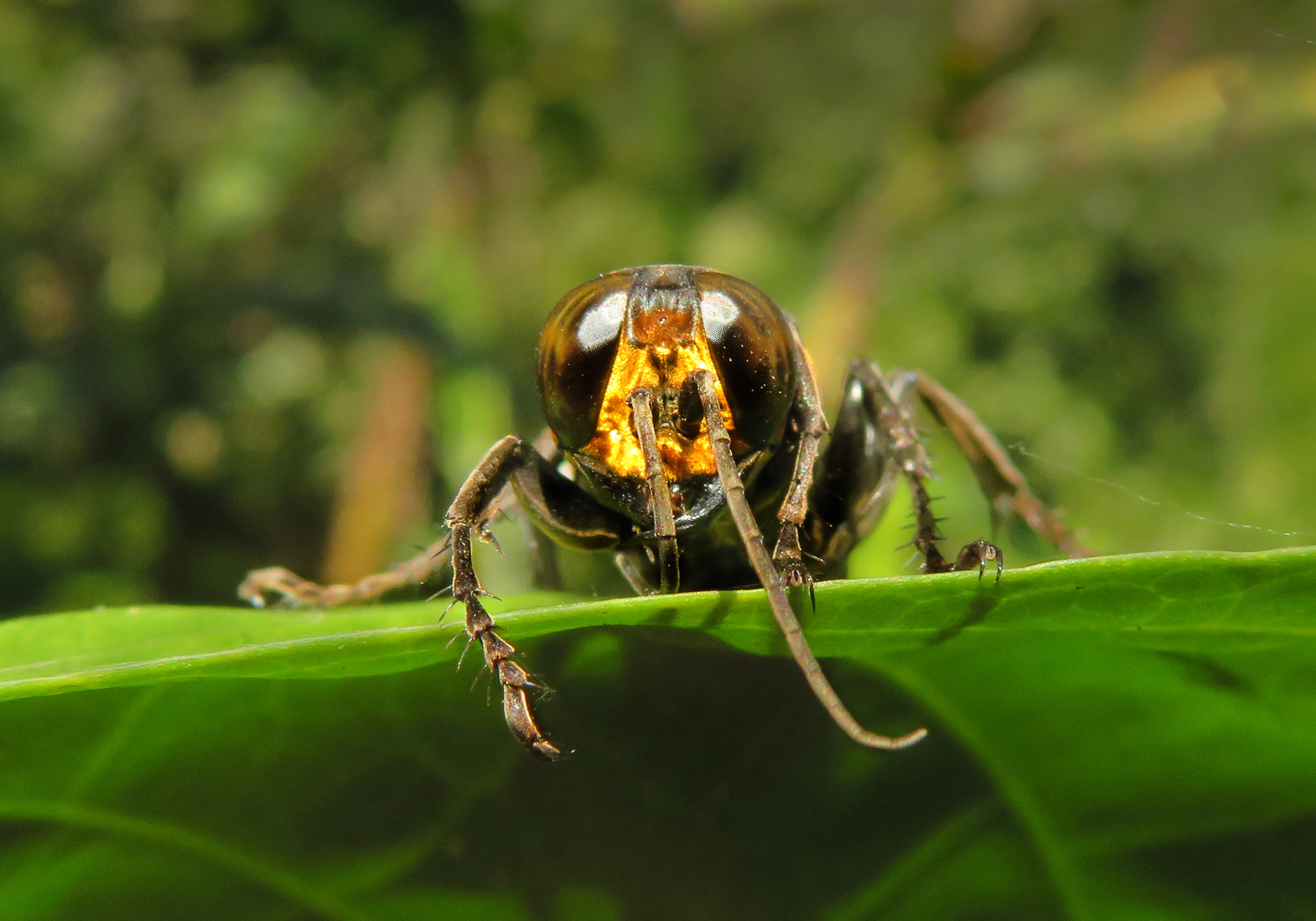
Wasps of the subfamily Crabroninae are generally small to medium-sized and often have a slender body with a narrow waist. Coloration varies from black or brown to species with contrasting yellow or pale markings. The head is well developed with strong mandibles and large compound eyes, and the antennae are relatively long. Many species exhibit morphological adaptations for digging, including spiny legs used for excavating burrows.
Crabroninae are solitary and typically nest in the ground, especially in sandy or loose soils. Females excavate burrows that may contain one or multiple brood cells. Each cell is provisioned with paralyzed prey, usually small insects such as flies or other soft-bodied arthropods, depending on the species.
The life cycle involves complete metamorphosis. After laying an egg in a provisioned cell, the female seals the nest. The larva hatches and feeds on the stored prey, eventually pupating within the burrow before emerging as an adult.
Adults are primarily predators but may also feed on nectar or plant exudates. Many species exhibit precise hunting behavior and may specialize in particular prey types.
The subfamily includes numerous genera, such as Crabro, Bembix, and related forms, which differ in nesting habits, prey preferences, and morphology.
Ecologically, Crabroninae play an important role in controlling insect populations, particularly flies and other small insects. Their nesting activity also contributes to soil aeration. Although capable of stinging, they are generally non-aggressive and are considered beneficial insects in both natural and agricultural ecosystems.