Bali Wildlife
Every Spices Matter


Corinnoidea is a superfamily within the zoosubsection Dionycha, belonging to the zoosection RTA clade of the infraorder Entelegynae (Suborder Araneomorphae, Order Araneae). This superfamily comprises a group of mostly ground-dwelling and vegetation-dwelling spiders that are widely distributed, particularly in tropical and subtropical regions, with additional representation in temperate zones.
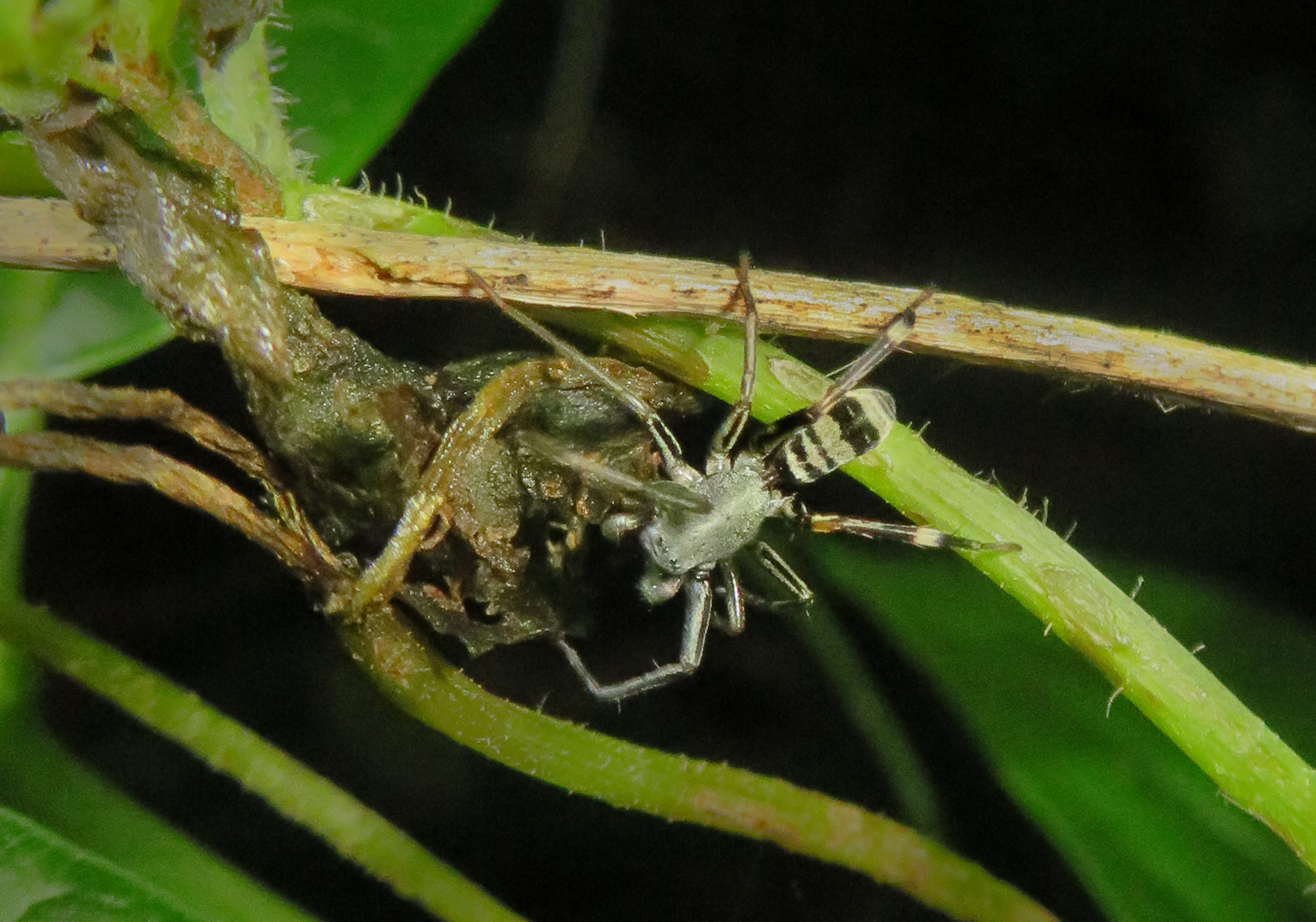
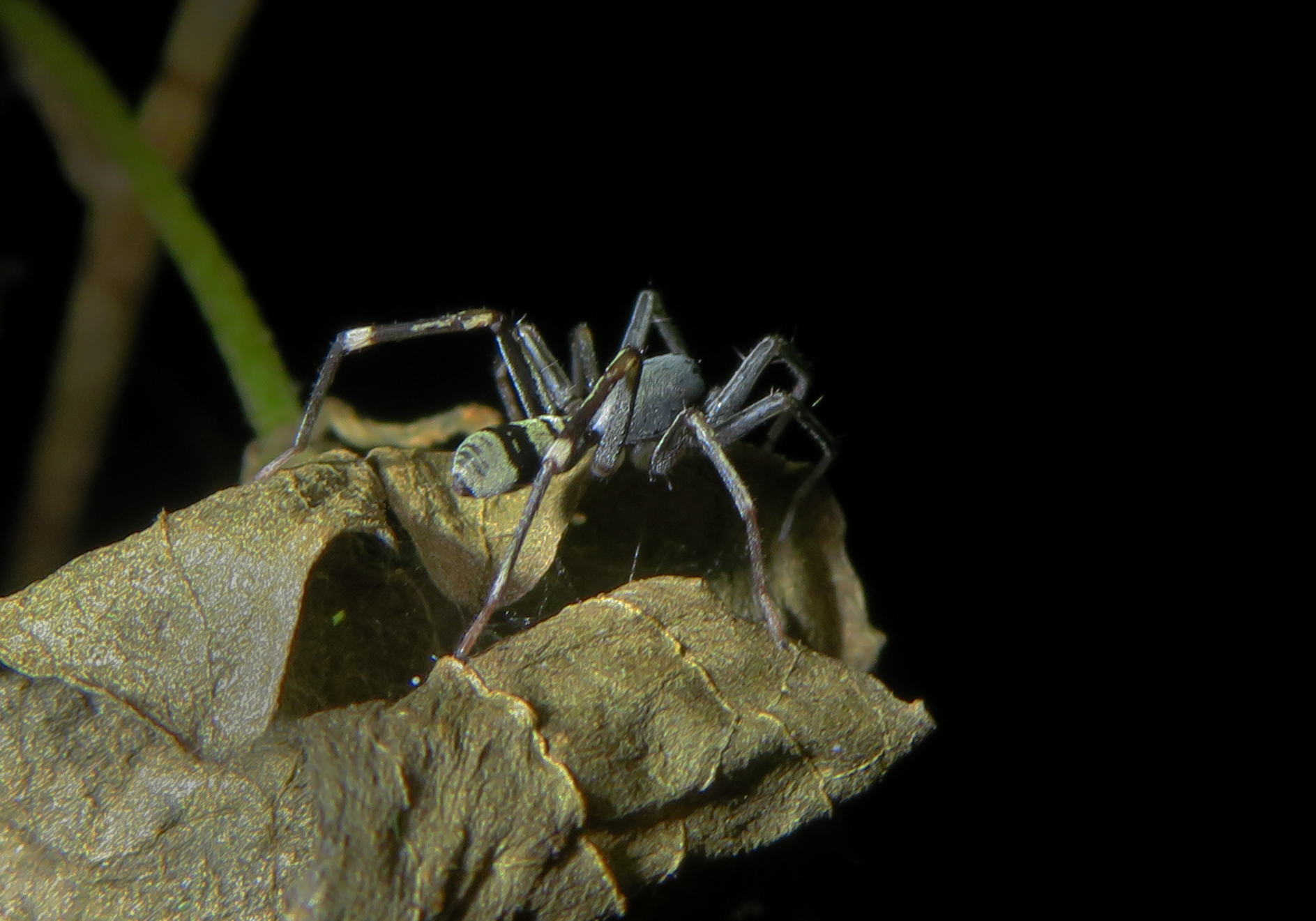
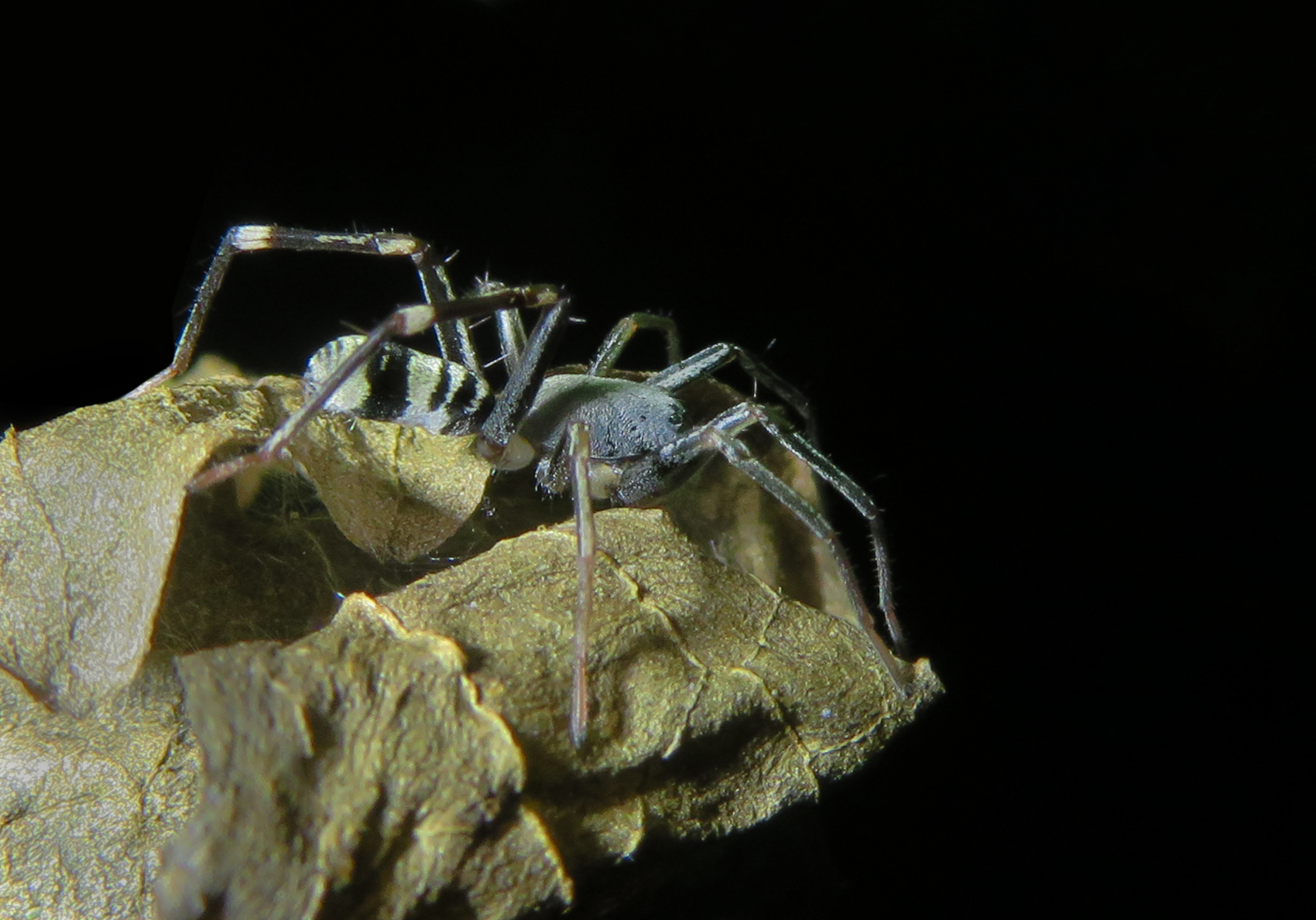
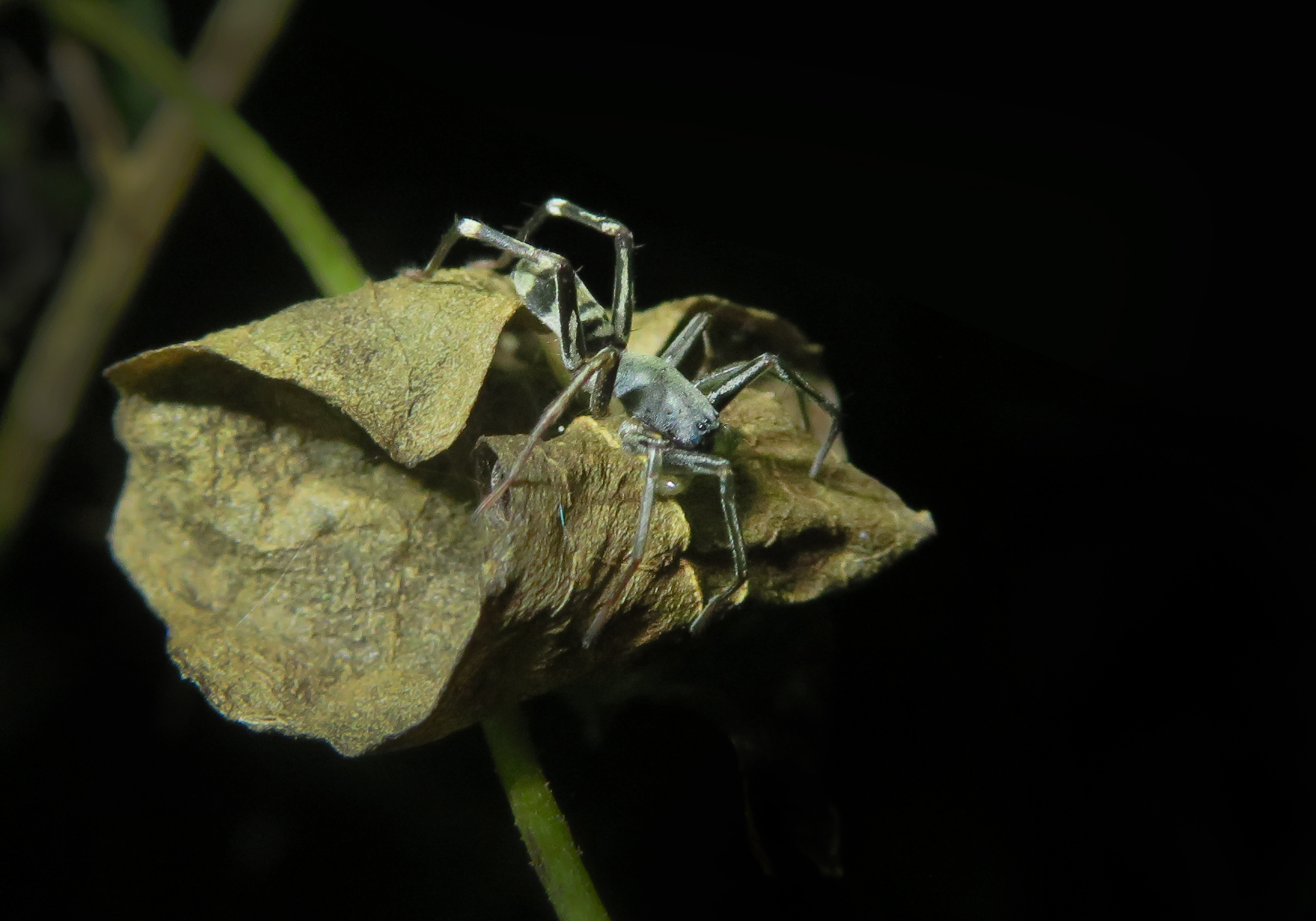
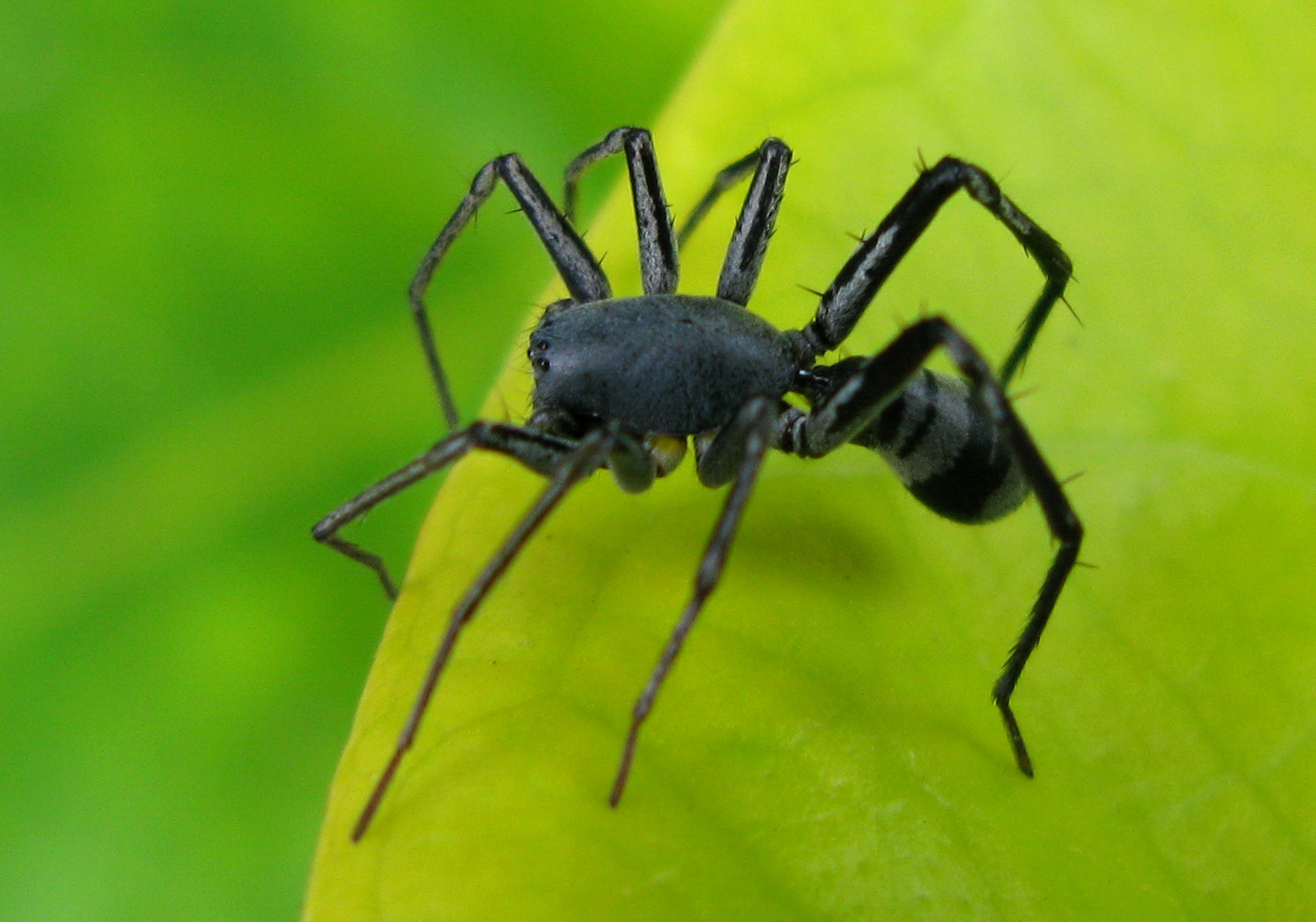
Spiders of Corinnoidea are generally cursorial hunters that do not rely on prey-capture webs. Instead, they actively search for prey on the ground, tree trunks, leaf litter, or low vegetation. Many species show ant-mimicking (myrmecomorphic) or wasp-like appearances, an adaptation that provides protection from predators and facilitates coexistence with ants.
Morphologically, corinnoid spiders are usually medium-sized, with elongated bodies and legs adapted for running. The anterior legs are often stronger and directed forward, consistent with the dionychan condition. The carapace is typically longer than wide, and coloration commonly ranges from brown and black to reddish or patterned forms that enhance mimicry or camouflage.
Male genitalia possess a well-developed retrolateral tibial apophysis (RTA), confirming placement within the RTA clade. Female genitalia are fully entelegyne, with paired copulatory openings and complex internal duct systems. These reproductive structures are important for species-level identification within the group.
Ecologically, members of Corinnoidea play an important role as predators of small arthropods, especially ants and other ground-active insects. They are frequently encountered in forest floors, savannas, plantations, and urban green spaces. Some species exhibit close ecological associations with ants, either through mimicry or by living near ant trails.
Superfamily Corinnoidea represents a distinctive dionychan lineage characterized by active predation, morphological specialization, and behavioral adaptations that contribute to its success across diverse terrestrial habitats.