Bali Wildlife
Every Spices Matter


Coreoidea is a diverse superfamily within the infraorder Pentatomomorpha, comprising insects commonly known as leaf-footed bugs and their relatives. Members of this superfamily are primarily terrestrial and are especially associated with vegetation, where they feed using piercing–sucking mouthparts adapted mainly for extracting plant fluids.
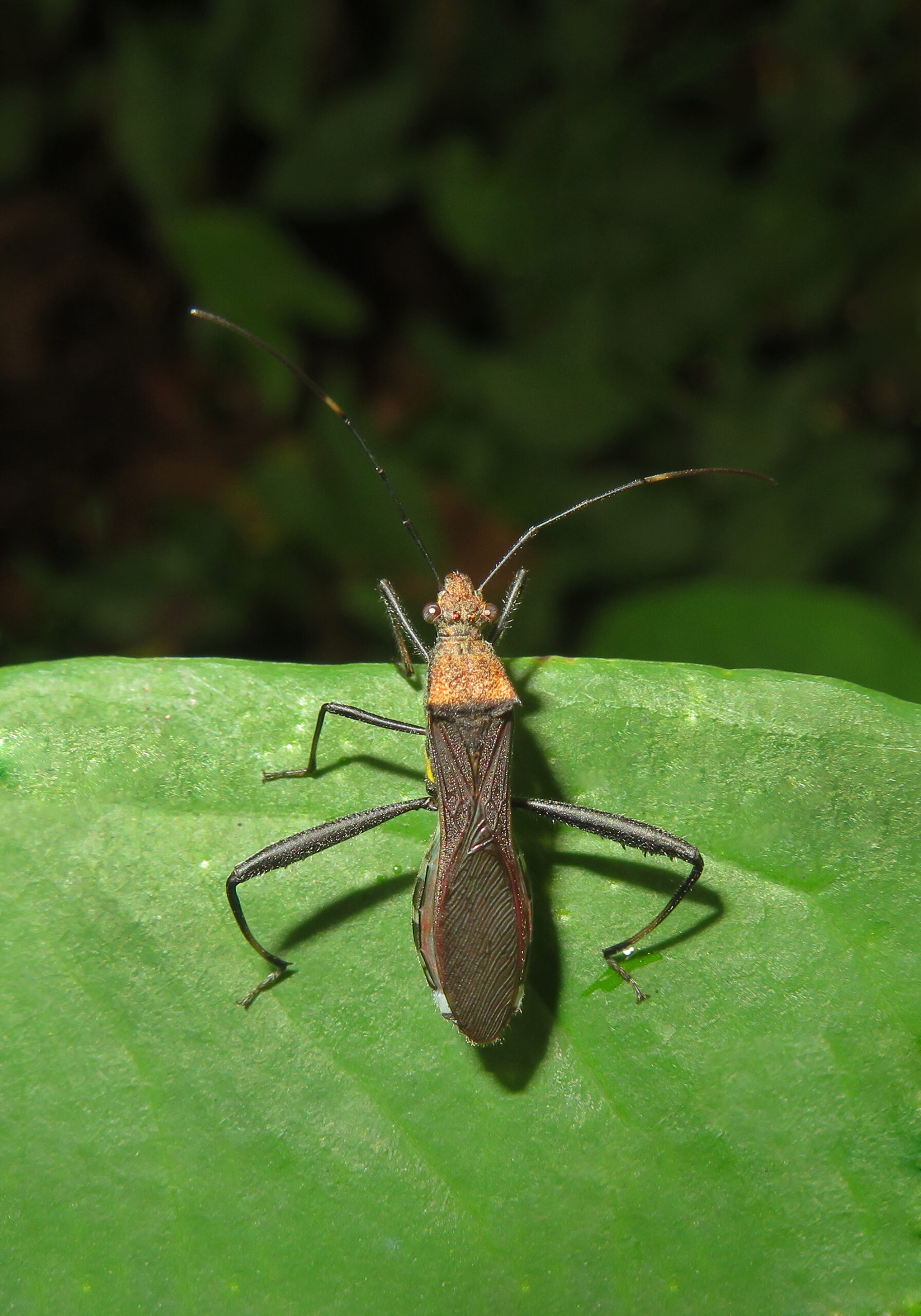
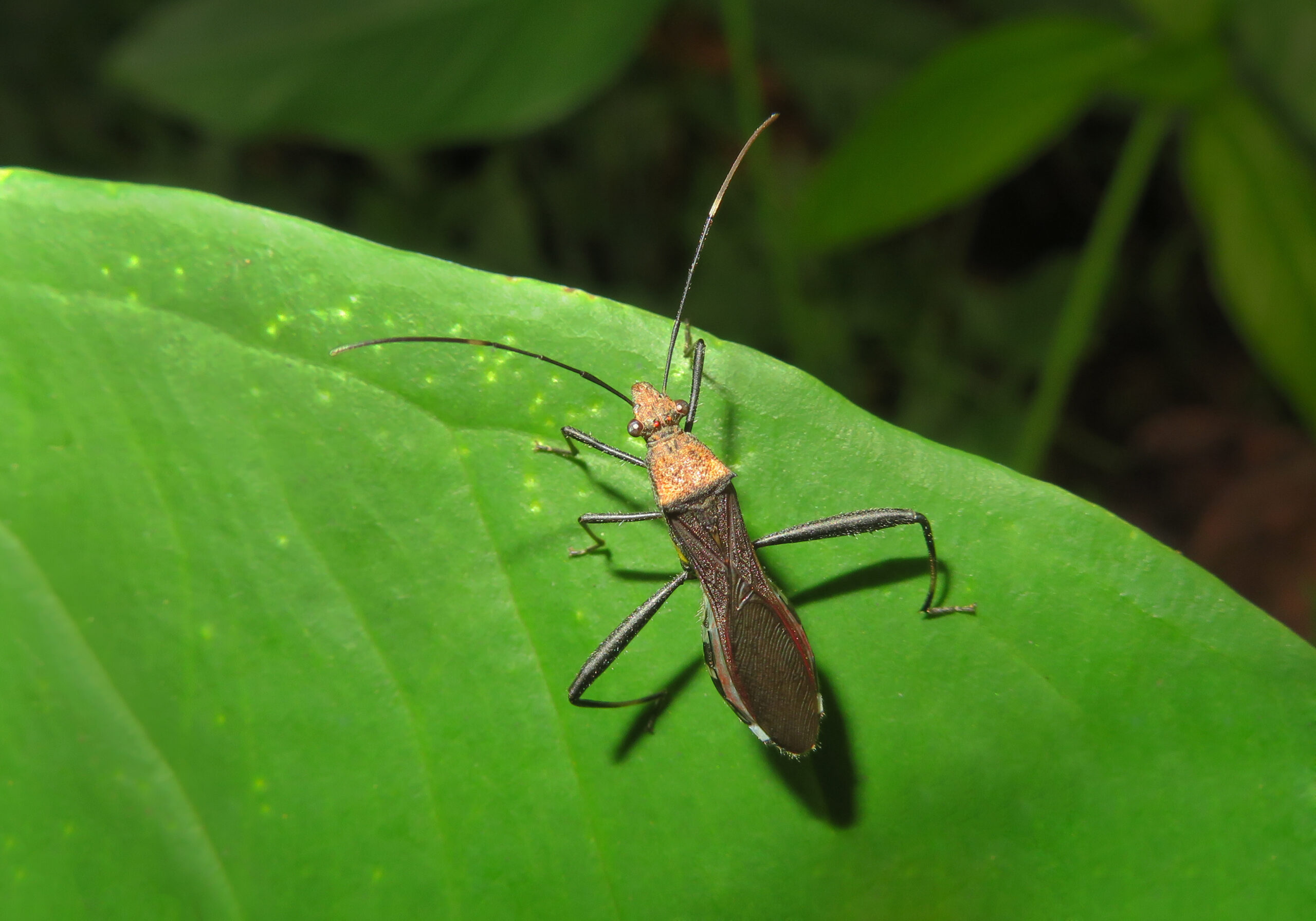
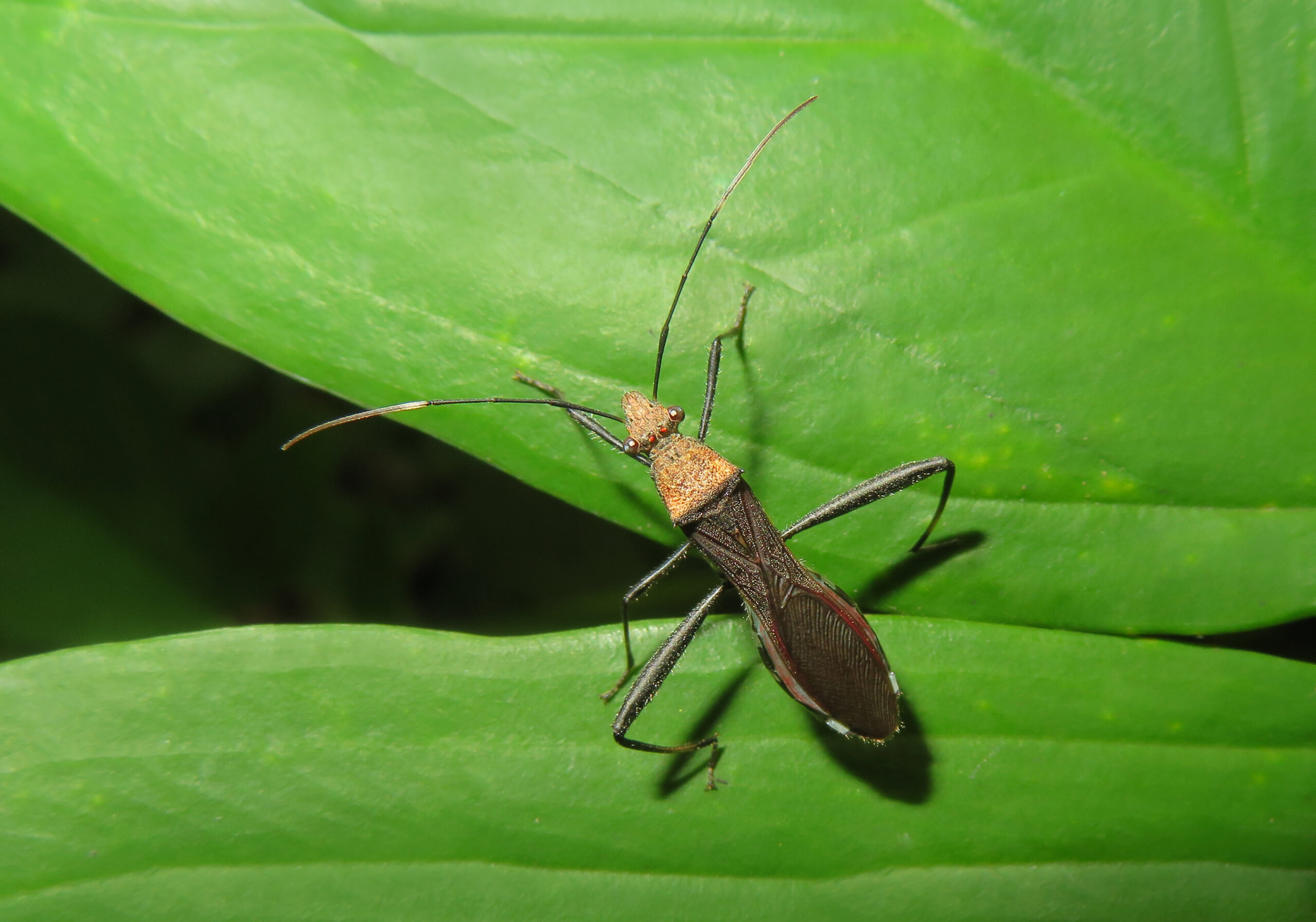
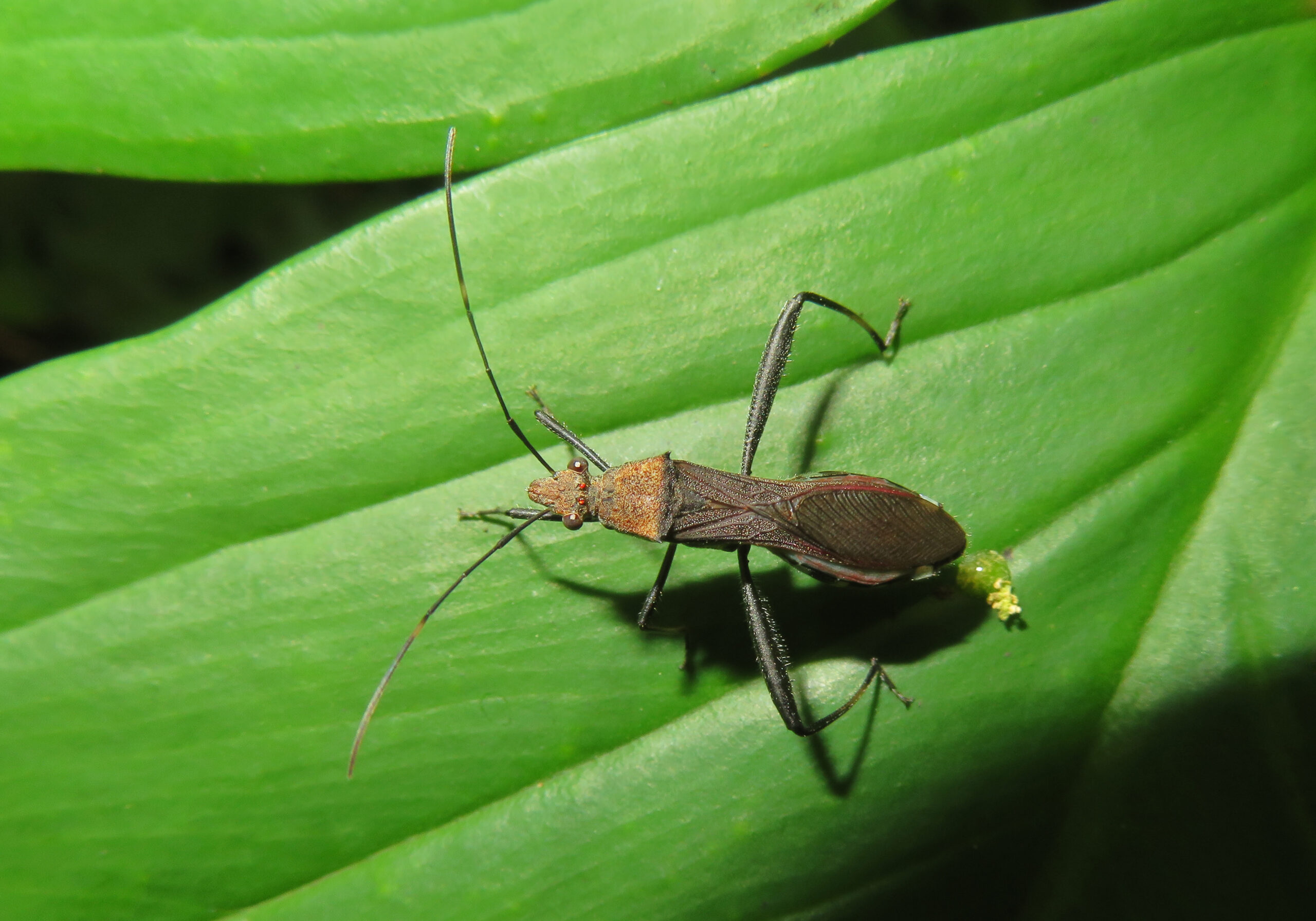
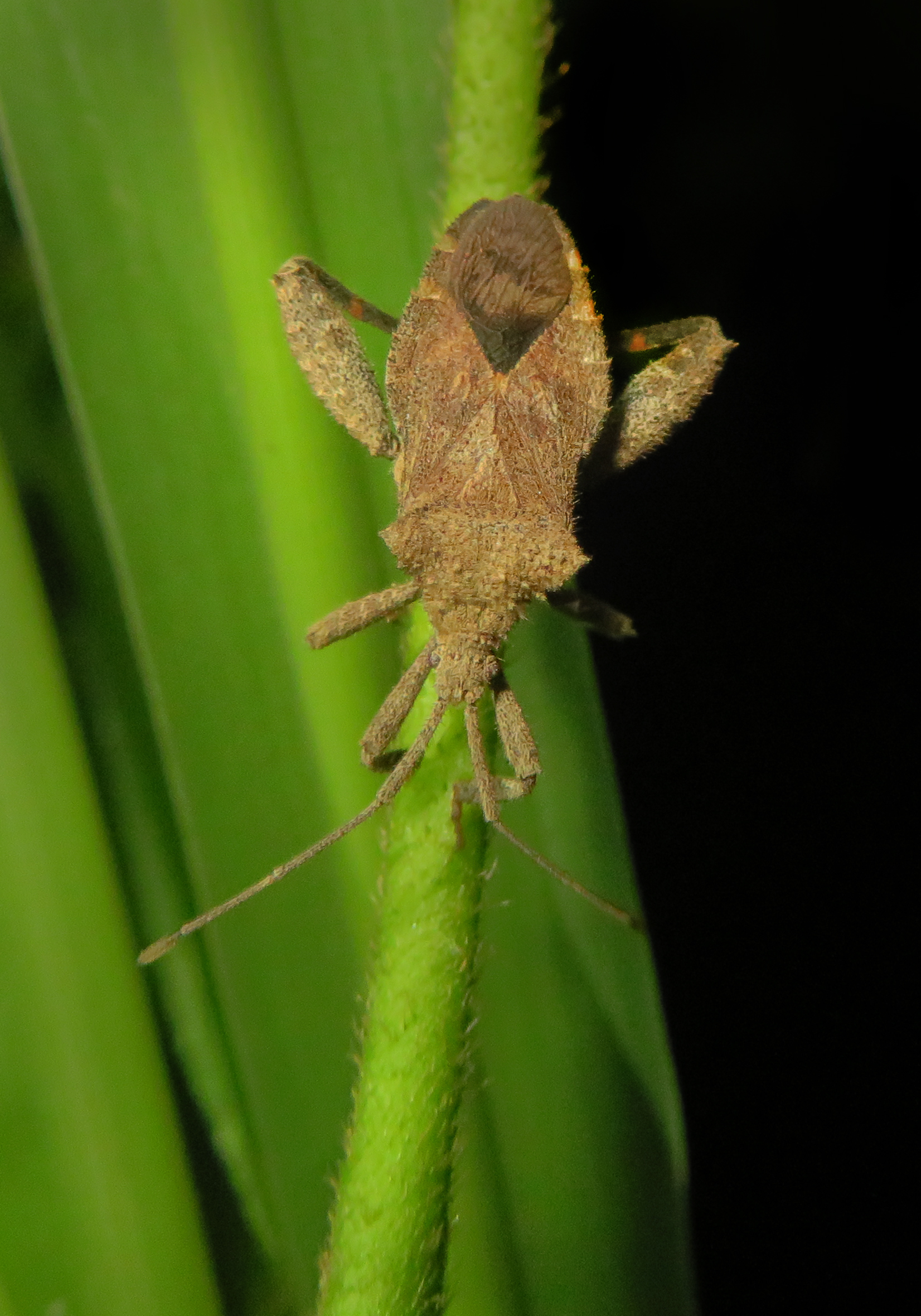
Coreoid bugs are generally medium to large in size and are often recognized by their elongate bodies and well-developed legs. In many species, the hind legs are enlarged or expanded, sometimes bearing leaf-like lobes or spines that may function in camouflage, defense, or mating displays. The antennae are usually long and four-segmented, and the head is relatively narrow with prominent compound eyes.
The forewings are hemelytra, with a leathery basal portion and a membranous apical portion, and are held flat over the abdomen when at rest. Scent glands are well developed and can produce defensive odors when the insects are disturbed. Coloration ranges from cryptic browns and greens to more conspicuous patterns in some taxa.
Coreoidea undergo hemimetabolous development, progressing through egg, nymph, and adult stages. Nymphs resemble adults in general shape but lack fully developed wings and reproductive organs. Most species are phytophagous, feeding on seeds, fruits, stems, or leaves, though some are opportunistic omnivores.
Ecologically, members of Coreoidea play important roles as herbivores and seed feeders in terrestrial ecosystems and serve as prey for a variety of predators. Several species are of economic importance, as they can cause damage to agricultural crops and ornamental plants. The superfamily includes notable families such as Coreidae, Alydidae, and Rhopalidae, reflecting a wide range of morphological and ecological diversity.