Bali Wildlife
Every Spices Matter


Coreinae is the largest and most diverse subfamily of leaf-footed bugs within the family Coreidae (Order Hemiptera). It comprises more than 2,000 described species distributed worldwide, with the greatest diversity occurring in tropical and subtropical regions of Asia, Africa, and the Americas. Members inhabit forests, grasslands, shrublands, agricultural fields, orchards, plantations, gardens, and urban green spaces, where they are associated with a wide variety of flowering plants.
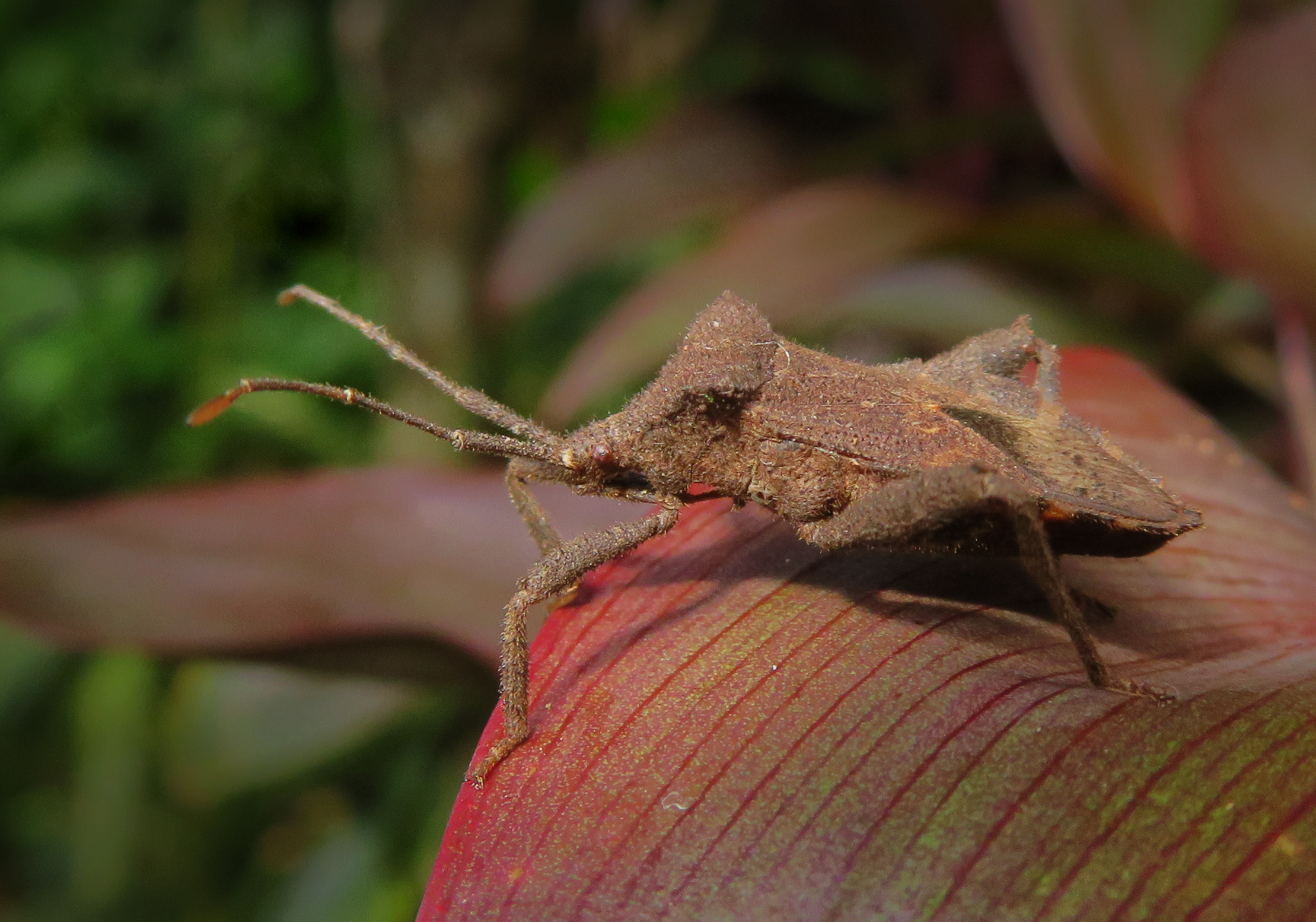
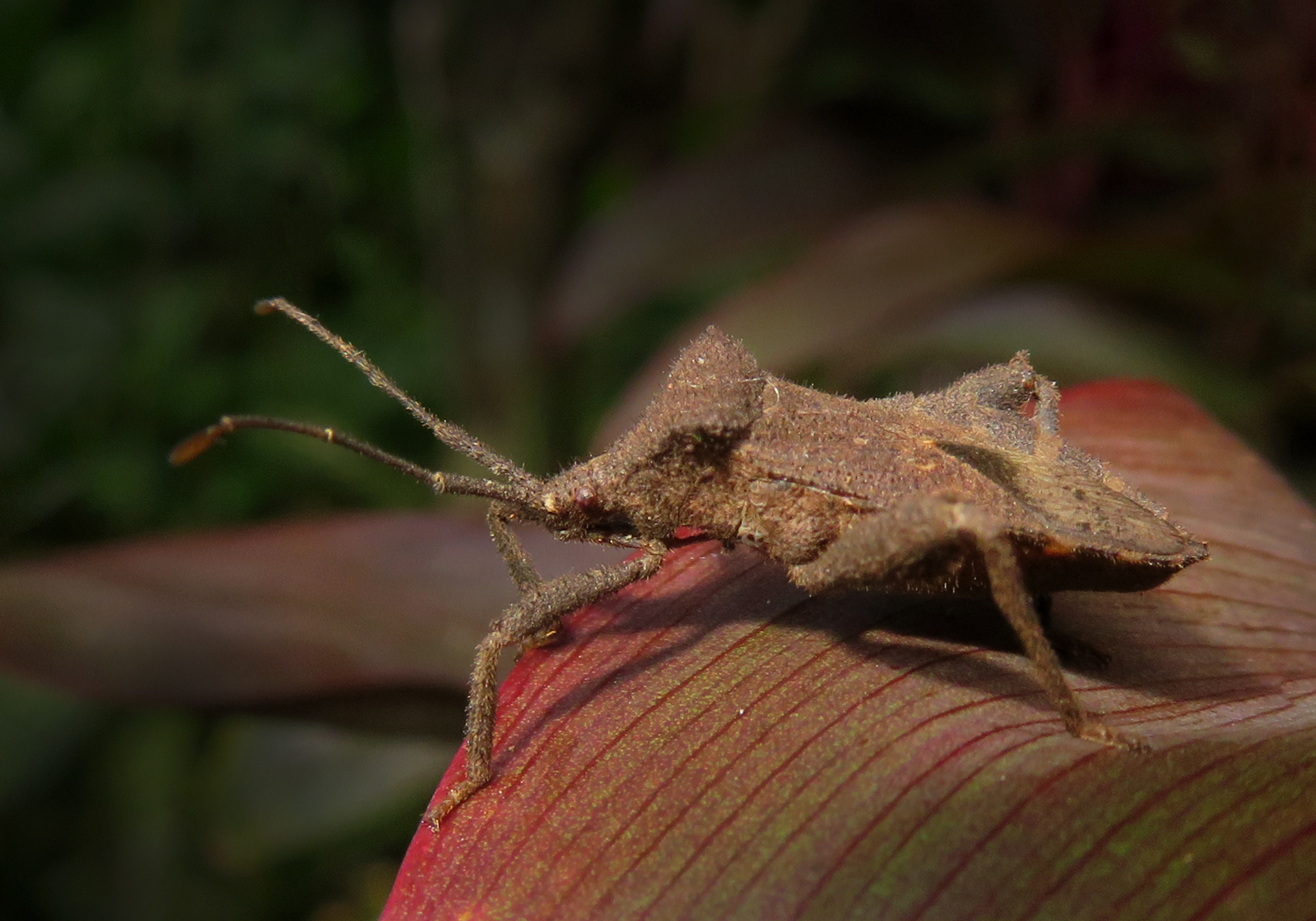
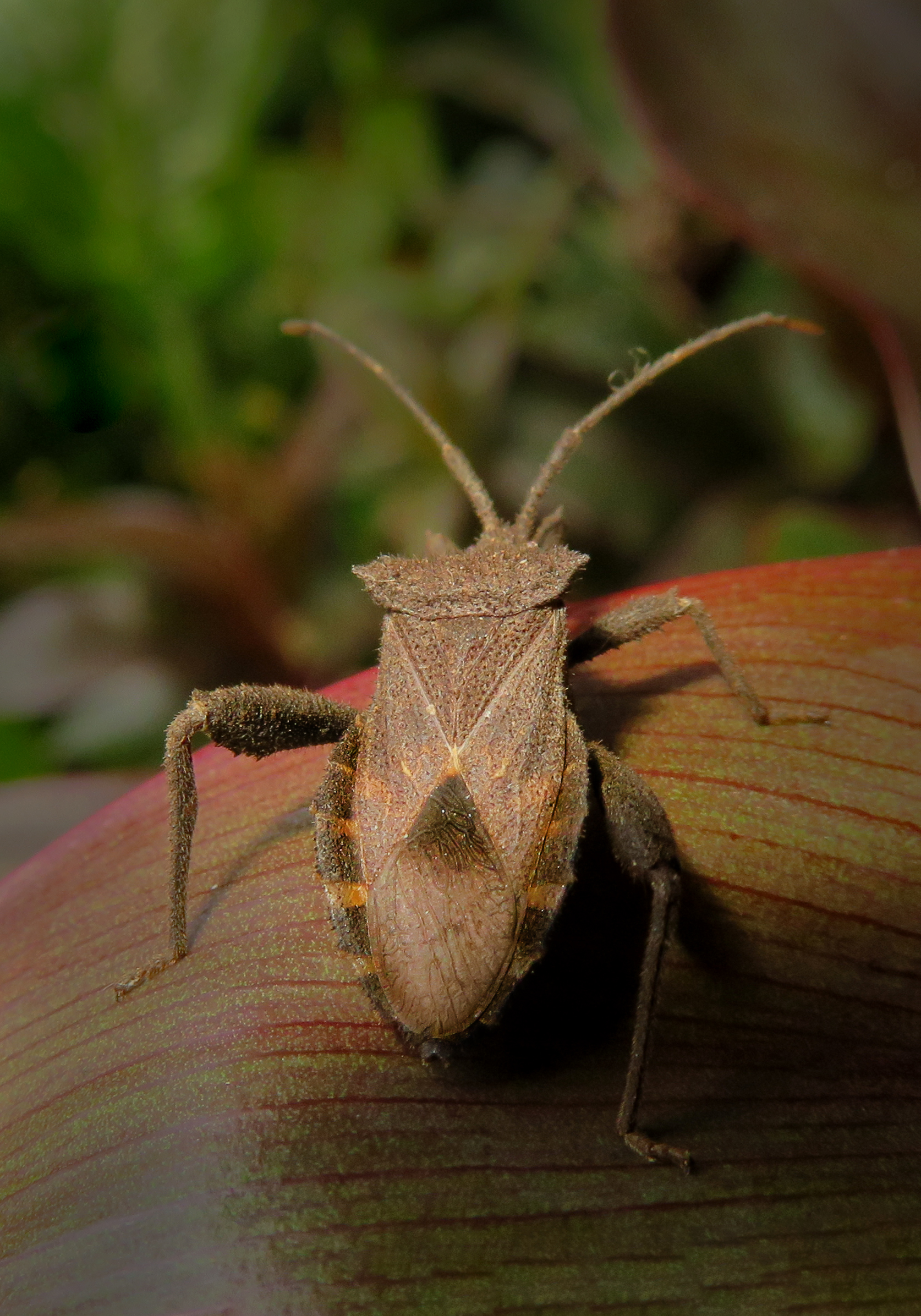
Bugs of the subfamily Coreinae are generally medium to large in size and possess an elongated, oval to somewhat flattened body. Their coloration ranges from green and yellowish-brown to reddish-brown, dark brown, or black, often with contrasting bands, spots, or leaf-like markings that provide effective camouflage among foliage and bark. Many species have expanded or flattened hind tibiae, giving rise to the common name leaf-footed bugs, although this feature varies considerably among genera.
Like all true bugs, Coreinae species possess piercing-sucking mouthparts adapted for feeding on plant fluids. Both nymphs and adults insert their stylets into stems, leaves, flowers, fruits, seeds, or developing shoots to extract sap. While many species feed on a broad range of plants, others are associated with specific host families. Several species are recognized as agricultural pests because they damage fruits, seeds, legumes, and ornamental plants.
The life cycle involves incomplete metamorphosis, consisting of egg, nymph, and adult stages. Females typically lay rows or clusters of eggs on leaves, stems, or host plants. The wingless nymphs resemble adults but lack fully developed wings and reproductive organs, passing through several molts before reaching maturity.
The subfamily includes numerous well-known genera such as Leptoglossus, Anoplocnemis, Acanthocephala, Homoeocerus, Mictis, and Cletus, representing a wide range of body forms and ecological adaptations.
Ecologically, Coreinae bugs function as herbivores that influence plant growth, seed production, and plant community dynamics. They also serve as prey for birds, reptiles, spiders, predatory insects, and parasitoids, contributing to terrestrial food webs. Although several species are economically important crop pests, the majority are natural components of terrestrial ecosystems and play significant roles in maintaining ecological balance and biodiversity.