Bali Wildlife
Every Spices Matter


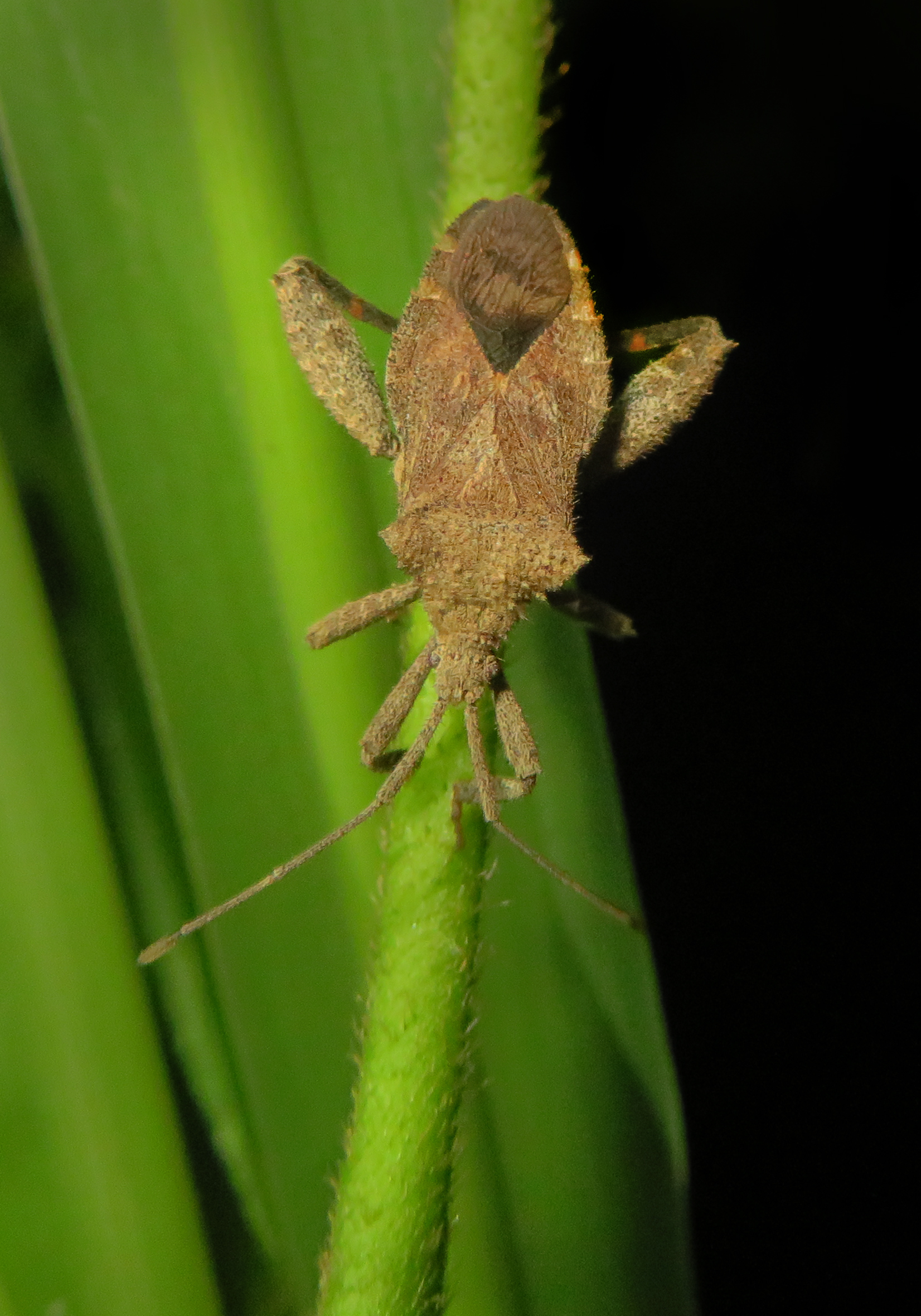
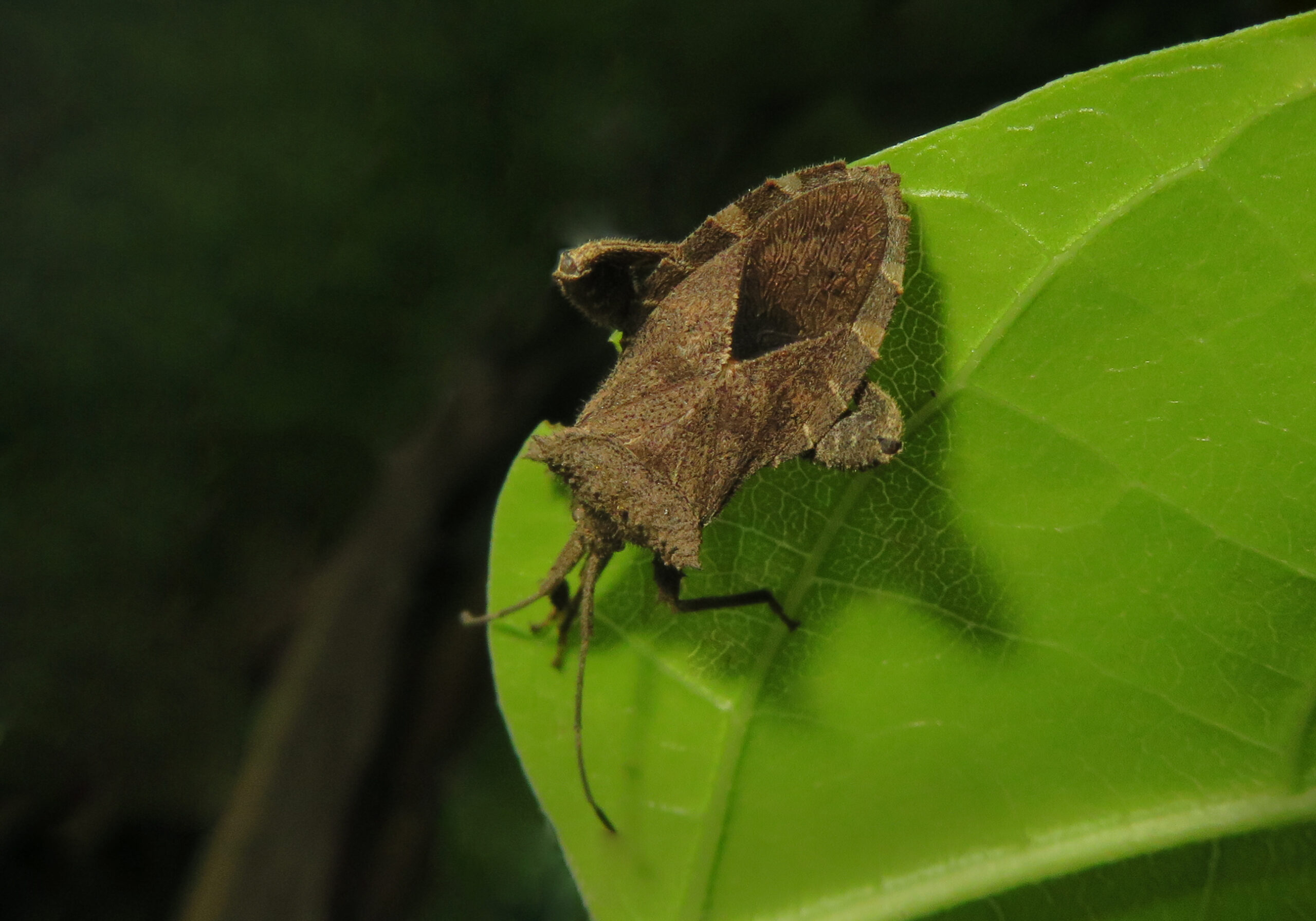
Coreidae, commonly known as leaf-footed bugs or squash bugs, is a prominent family within the superfamily Coreoidea. Members of this family are typically medium to large-sized true bugs, recognized for their elongate bodies, strong legs, and, in many species, distinctive expansions on the hind tibiae that resemble leaves, giving rise to the common name “leaf-footed bugs.”
Coreid bugs possess piercing–sucking mouthparts adapted primarily for feeding on plant tissues, seeds, and fruits. The head is relatively narrow, with prominent compound eyes and long, four-segmented antennae. The forewings are hemelytra, leathery at the base and membranous toward the tip, and are usually held flat over the abdomen when at rest. Well-developed scent glands are present and can emit a strong odor when the insect is disturbed.
Development in Coreidae is hemimetabolous, with egg, nymph, and adult stages. Nymphs resemble adults in overall shape but lack fully developed wings and the characteristic hind-leg expansions, which develop progressively through successive molts. Eggs are often laid in rows or clusters on host plants.
Coreidae are primarily phytophagous and are commonly associated with a wide range of plants, including trees, shrubs, vines, and agricultural crops. Ecologically, they function as herbivores and seed feeders and serve as prey for various predators. Several species are economically important pests, as their feeding can cause damage to fruits, seeds, and developing plant tissues, particularly in crops such as squash, citrus, and legumes.