Bali Wildlife
Every Spices Matter


Coprini is a tribe of true dung beetles within the subfamily Scarabaeinae (Family Scarabaeidae, Order Coleoptera). Members of this tribe are distributed throughout Africa, Europe, Asia, and parts of the Americas, with the greatest diversity occurring in tropical and subtropical regions. They inhabit forests, grasslands, savannas, agricultural lands, and open woodlands, where they are closely associated with the dung of mammals and other sources of decomposing organic matter.
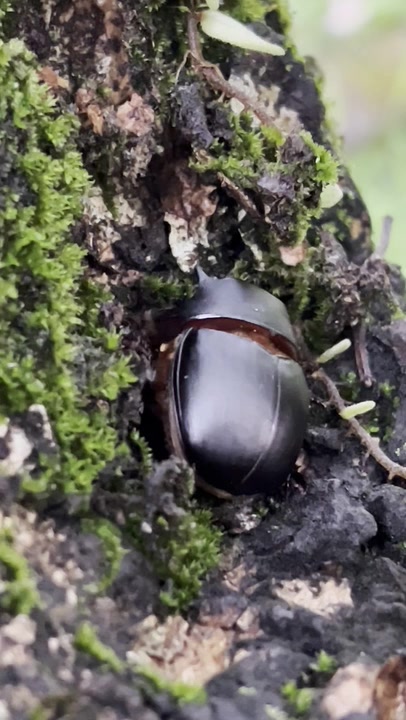
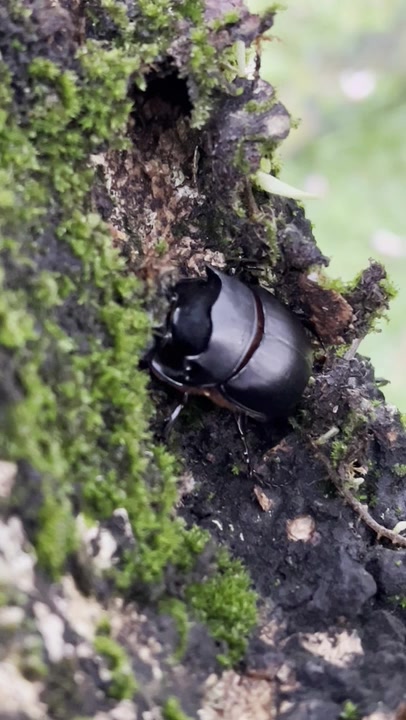
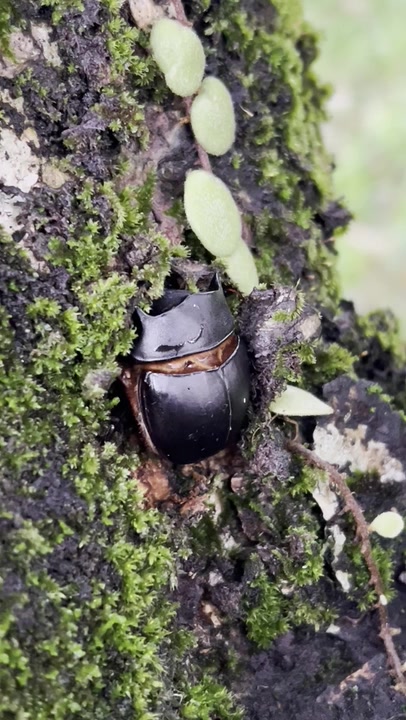
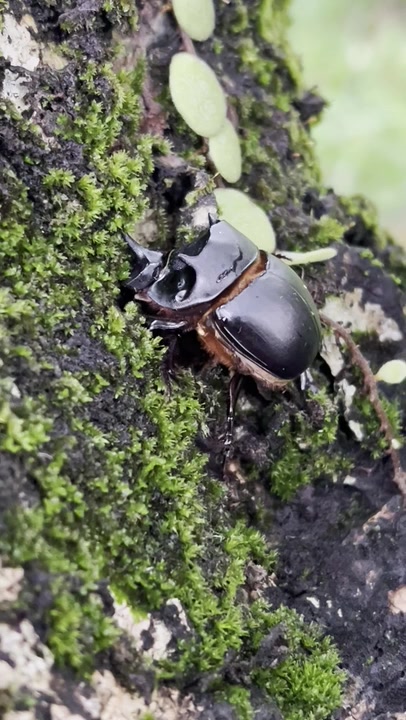
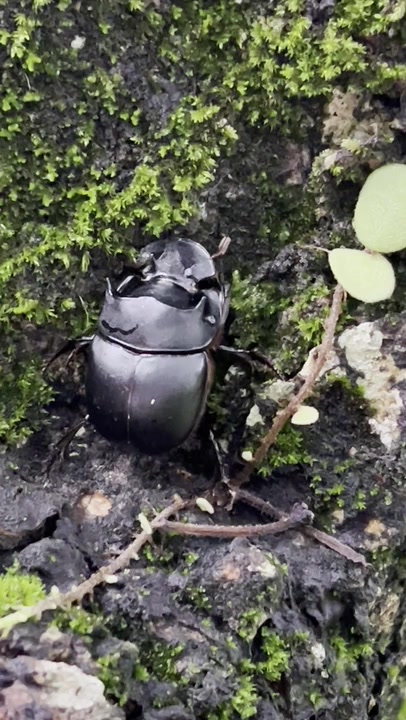
Beetles of the tribe Coprini are generally medium to large in size and possess a robust, strongly convex body with a heavily sclerotized exoskeleton. Coloration is usually glossy black, dark brown, or metallic blue-black, although some species display bronze or greenish reflections. Many males bear prominent horns or raised projections on the head and pronotum, which are used in contests with rival males over nesting sites and mates.
Most Coprini are tunneling dung beetles (paracoprids). Rather than rolling dung away, adults excavate tunnels directly beneath or adjacent to a dung source. Portions of dung are transported into underground brood chambers, where they are shaped into brood masses that provide food for developing larvae. This nesting strategy reduces competition and protects the offspring from predators and environmental extremes.
The life cycle involves complete metamorphosis, consisting of egg, larva, pupa, and adult stages. Females lay eggs individually within prepared brood chambers. The characteristic C-shaped larvae feed exclusively on the stored dung until they complete development and pupate within the soil before emerging as adults.
The tribe includes well-known genera such as Copris, Catharsius, and several related genera, many of which are recognized for their impressive size, powerful digging ability, and elaborate horn development.
Ecologically, Coprini beetles play a vital role in terrestrial ecosystems by rapidly burying dung, accelerating nutrient recycling, improving soil aeration and fertility, enhancing water infiltration, and reducing populations of dung-breeding flies and parasites. They also contribute to secondary seed dispersal by burying seeds contained within dung. In turn, they serve as prey for birds, mammals, reptiles, amphibians, and predatory insects. Because of their sensitivity to habitat disturbance and changes in mammal communities, Coprini species are widely regarded as valuable indicators of ecosystem health and biodiversity.