Bali Wildlife
Every Spices Matter


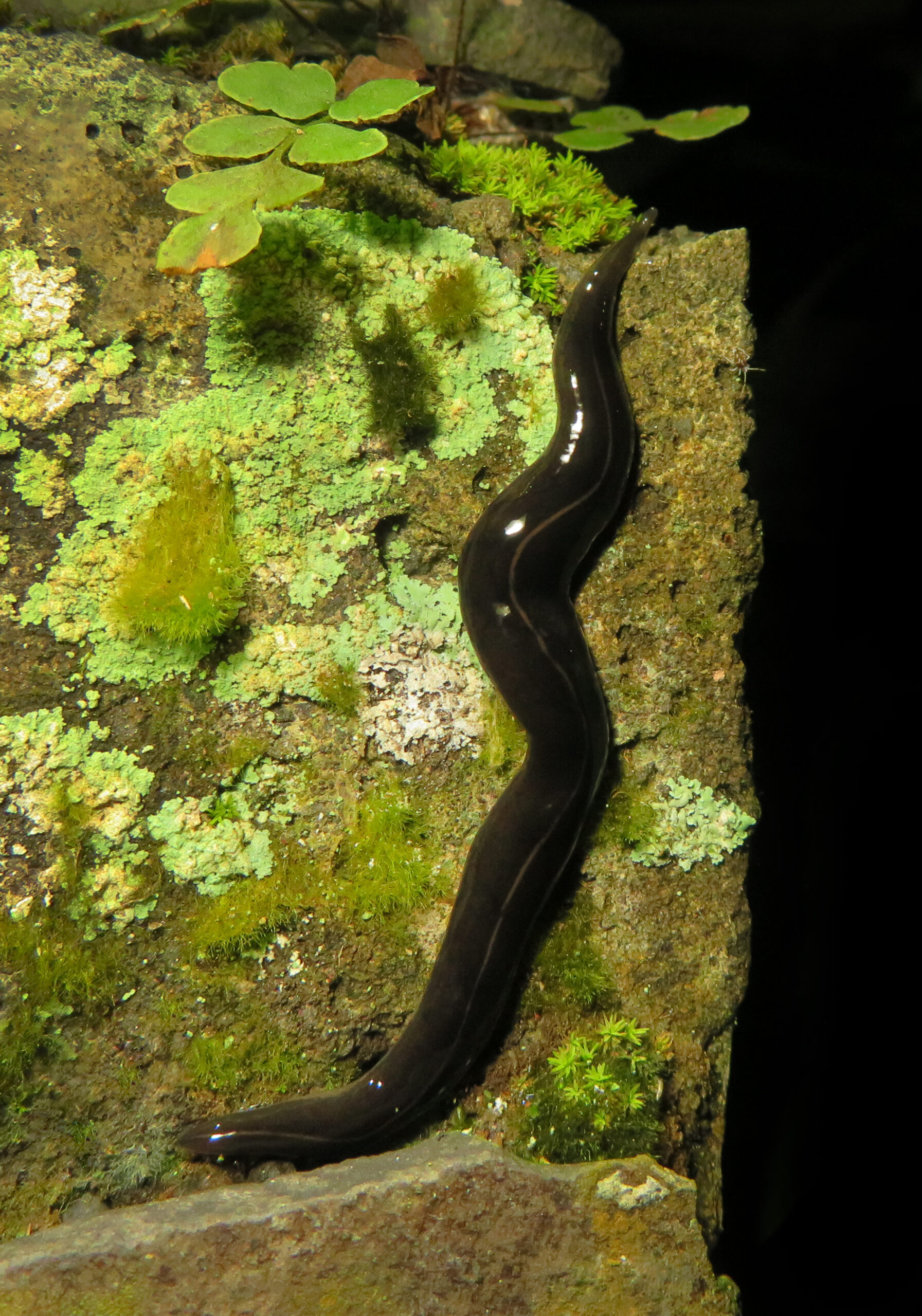
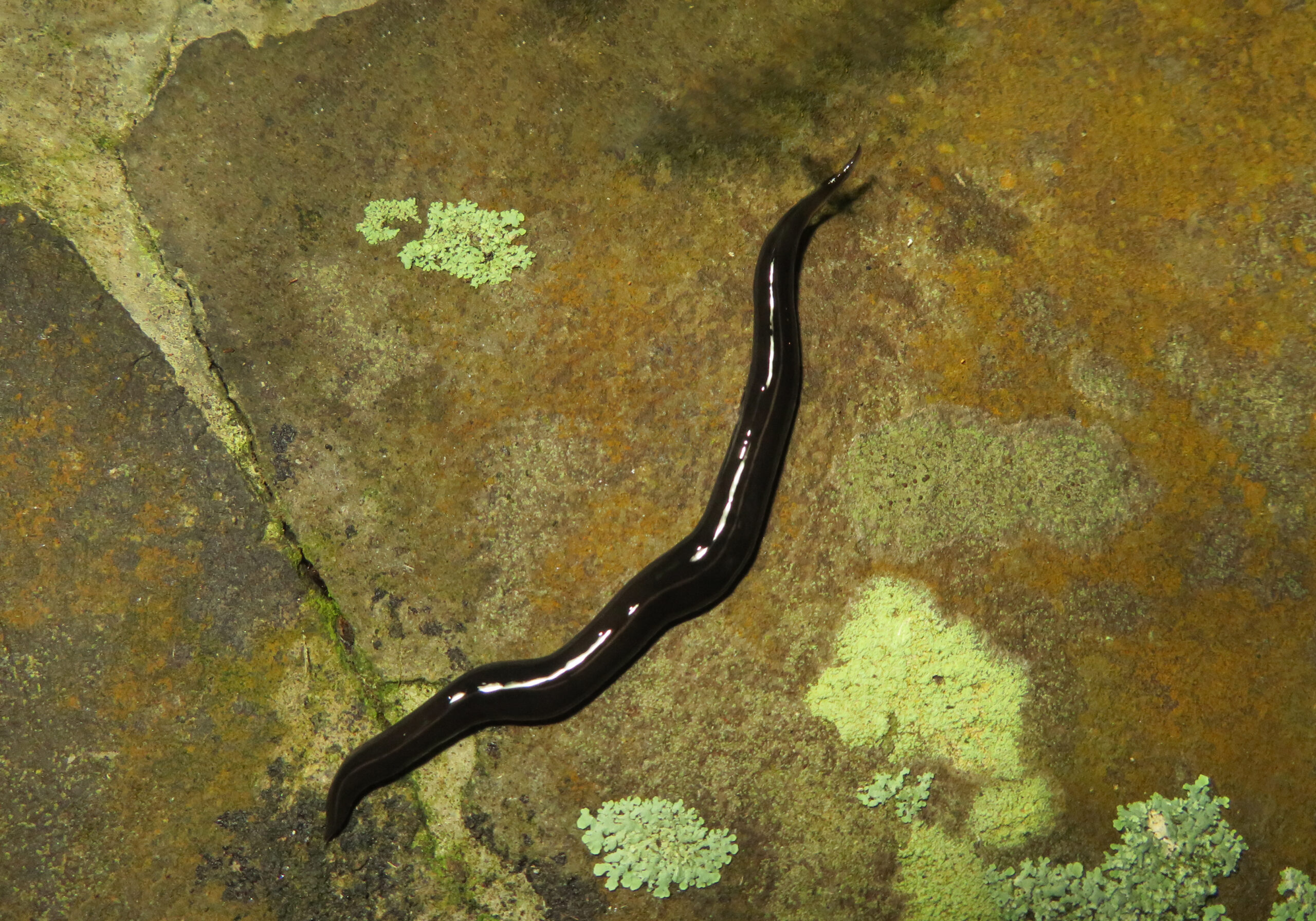
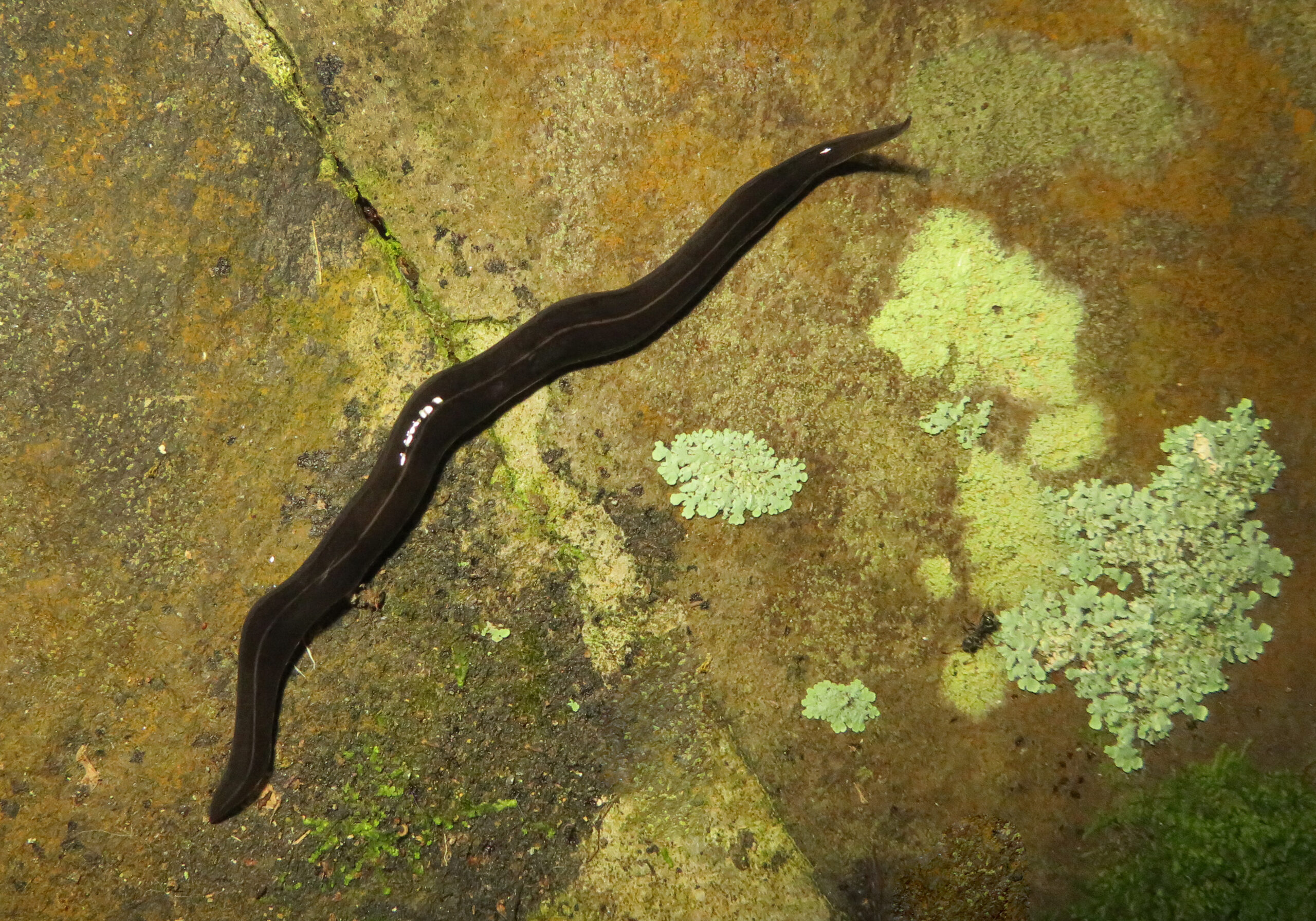
Continenticola is a suborder within the order Tricladida, belonging to the subphylum Rhabditophora of the phylum Platyhelminthes. This suborder includes freshwater and terrestrial planarians, representing the majority of non-marine triclads.
Members of Continenticola are characterized by a three-branched intestine, typical of all triclads, and by reproductive and anatomical features that distinguish them from marine relatives. They are primarily adapted to life in freshwater habitats such as rivers, streams, lakes, and ponds, as well as moist terrestrial environments in tropical and temperate regions.
Freshwater forms are often small to medium-sized, with a flattened body, a distinct head bearing eyespots, and auricles used for chemoreception. Terrestrial species, commonly known as land planarians, are usually more elongated and may exhibit vivid coloration. These land-dwelling species require humid environments to prevent desiccation.
Continenticola species are predators, feeding mainly on small invertebrates such as insect larvae, worms, and mollusks. Many exhibit remarkable regenerative abilities, capable of rebuilding large portions of their bodies after injury.
Reproduction may occur sexually, with most species being hermaphroditic, or asexually through fission in some freshwater taxa. Ecologically, they play an important role in regulating invertebrate populations and contribute to nutrient cycling in freshwater and soil ecosystems.