

Subgenus Coleta
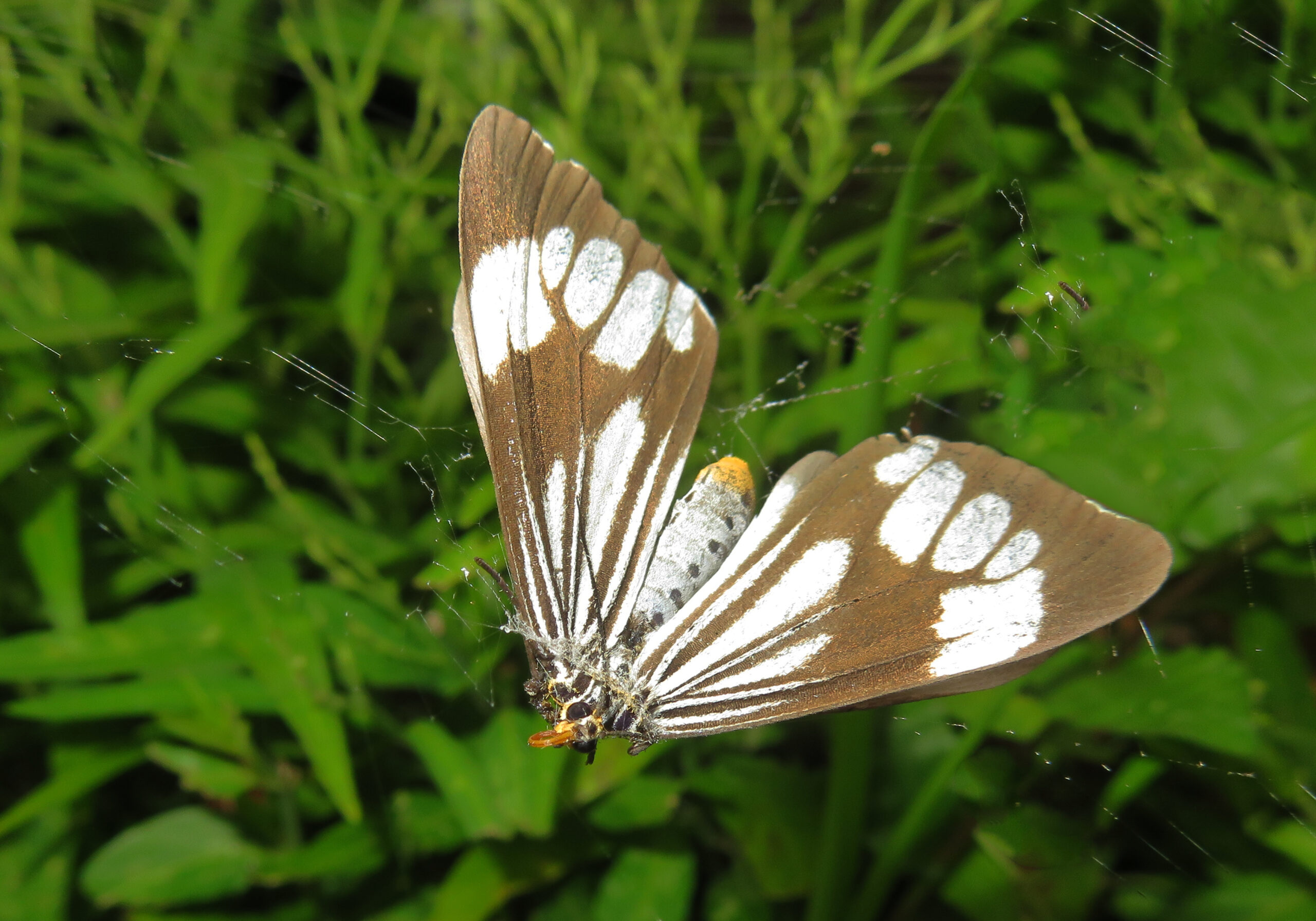
Coleta is a subgenus of tiger moths within the genus Nyctemera (Subtribe Nyctemerina, Tribe Arctiini, Subfamily Arctiinae, Family Erebidae, Superfamily Noctuoidea, Order Lepidoptera). Species assigned to this subgenus are distributed primarily throughout South and Southeast Asia, extending into parts of East Asia and the Indo-Australian region. They are commonly found in tropical and subtropical rainforests, secondary forests, woodland margins, coastal vegetation, plantations, parks, and gardens, where suitable larval host plants are available.
Moths of the subgenus Coleta are generally medium-sized and possess the slender body and broad wings characteristic of Nyctemera. Adults are readily recognized by their striking black-and-white wing patterns, with the forewings bearing conspicuous white bands or spots against a black background and the hindwings predominantly white with broad black margins. The abdomen is frequently marked with bright yellow or orange bands or spots that function as aposematic (warning) coloration, advertising the presence of chemical defenses.
Unlike many moths, members of Coleta are predominantly diurnal, flying actively in sunny conditions as well as during the early morning and late afternoon. Adults are agile fliers that commonly visit flowers to feed on nectar using their well-developed coiled proboscis. They may also feed on tree sap and other sugar-rich plant exudates. Their bold coloration and daytime activity are associated with defensive strategies that reduce predation.
The life cycle involves complete metamorphosis, consisting of egg, larva (caterpillar), pupa, and adult stages. Females deposit eggs in clusters on suitable host plants. Caterpillars are elongate and densely clothed with tufts of dark hairs that provide protection from predators. Larvae feed primarily on herbaceous plants, particularly species in the families Asteraceae, Boraginaceae, Apocynaceae, and related groups, depending on the species. Pupation occurs within a loose silken cocoon that often incorporates larval hairs for additional protection.
The subgenus includes several Asian species, most notably Nyctemera coleta, together with closely related taxa that share similar wing patterns, morphology, and ecological preferences. These moths are common inhabitants of forest edges and disturbed habitats and are frequently encountered during daylight hours.
Ecologically, Coleta moths contribute to ecosystem functioning as herbivores during the larval stage and as pollinators while feeding on nectar as adults. Their caterpillars influence plant communities through herbivory, while both larvae and adults serve as prey for birds, reptiles, spiders, predatory insects, and parasitoids, despite their chemical defenses. Their dependence on healthy vegetation and their widespread occurrence in tropical ecosystems make members of Coleta useful indicators of habitat quality and regional biodiversity.