Bali Wildlife
Every Spices Matter


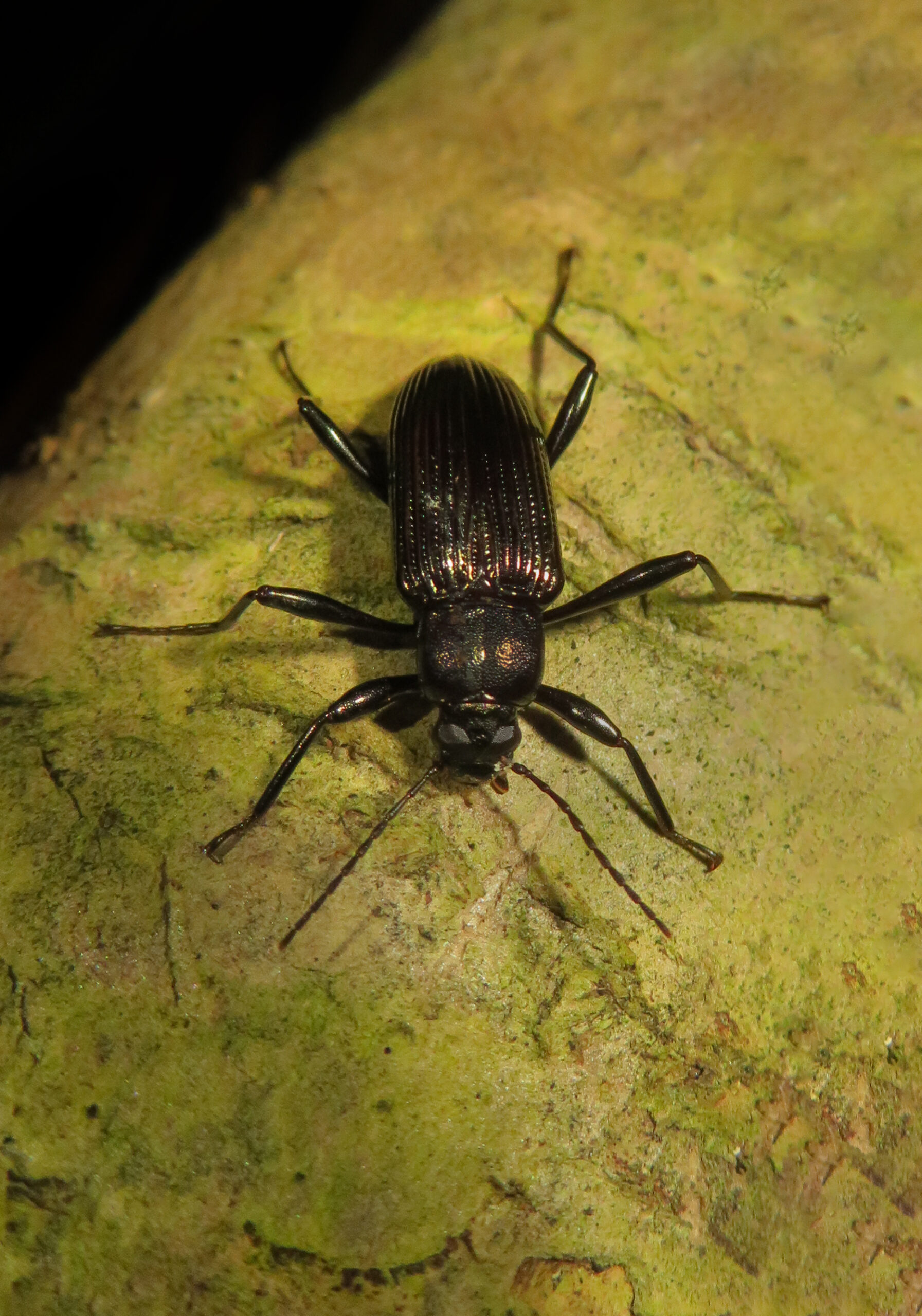
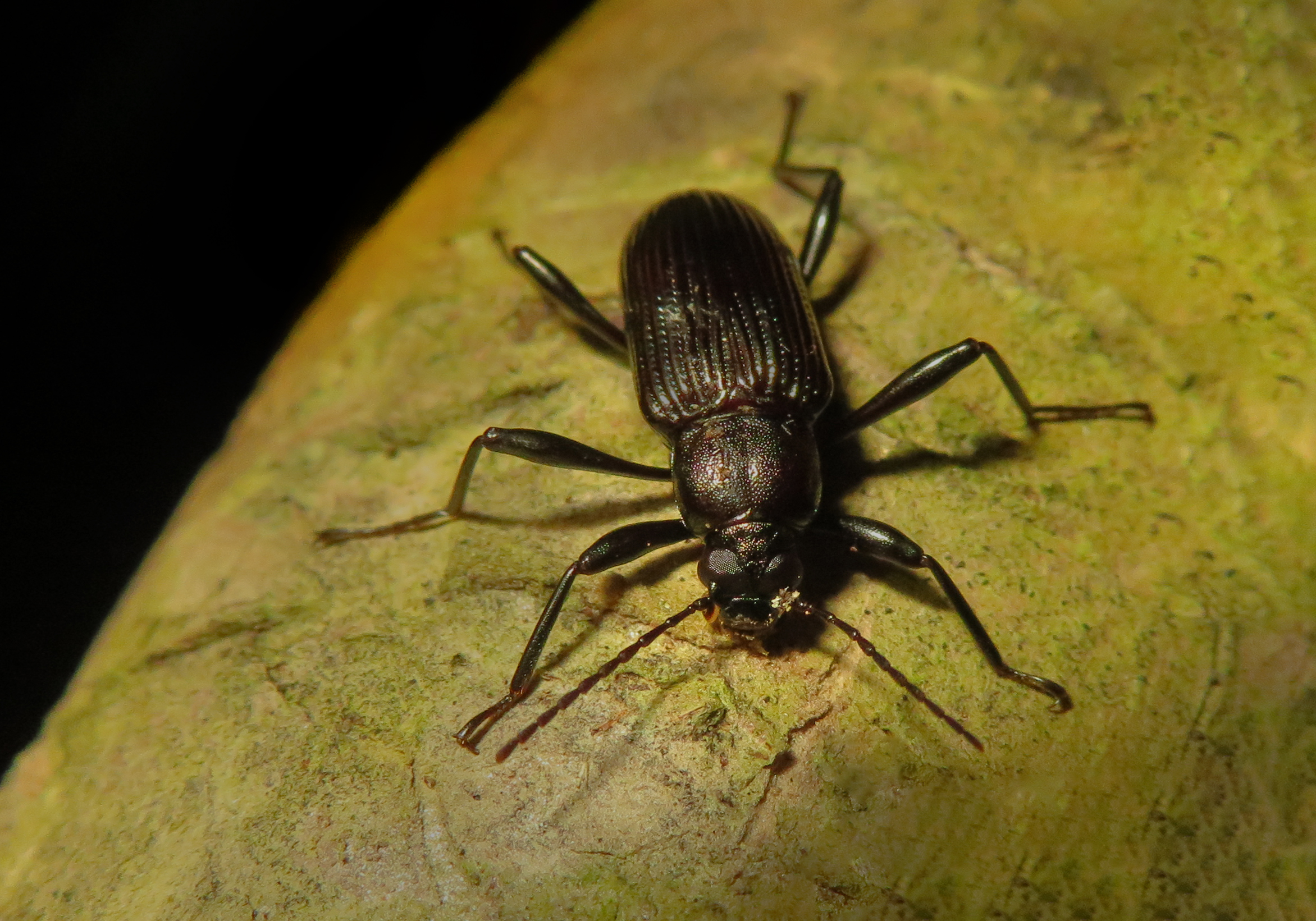
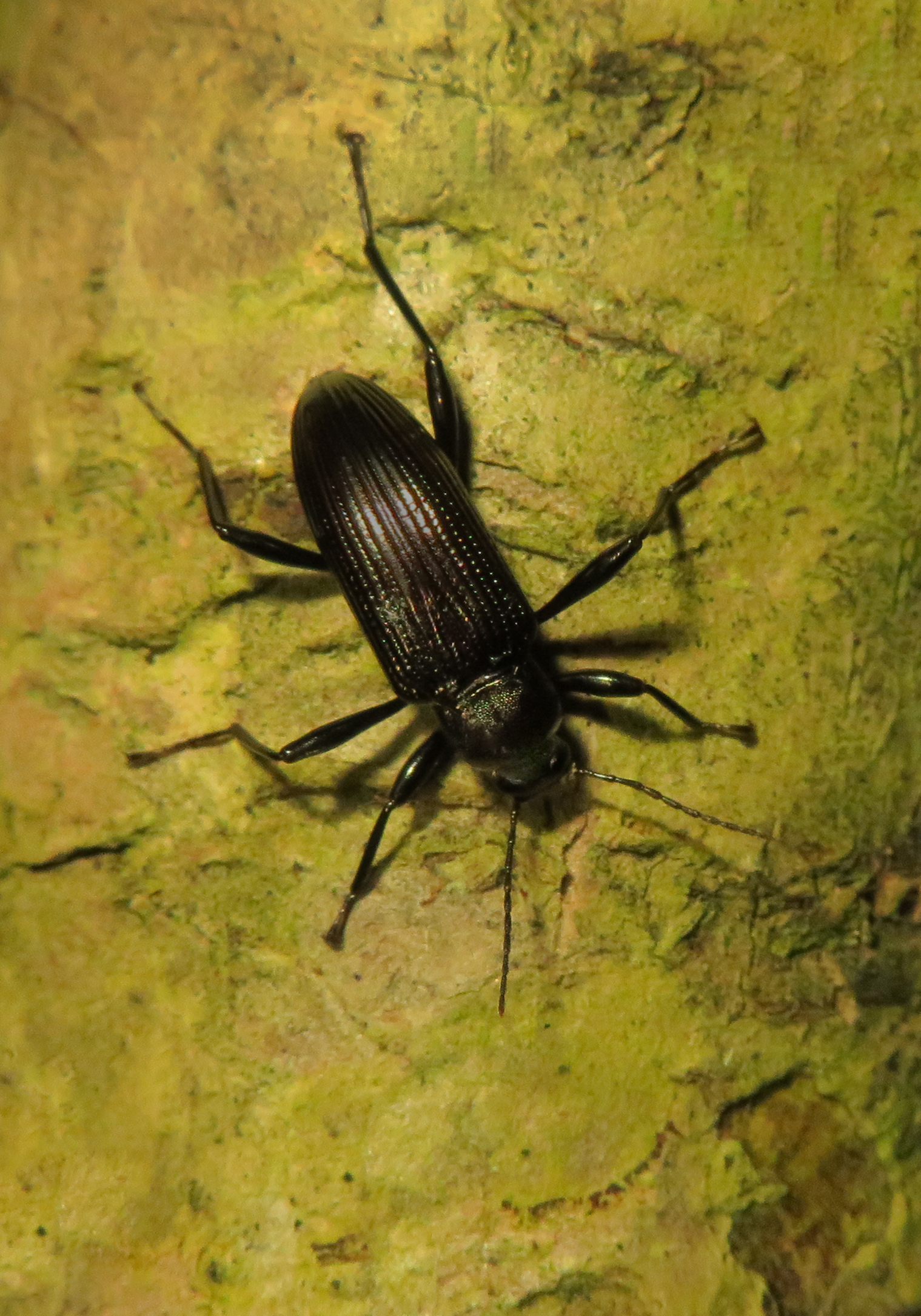
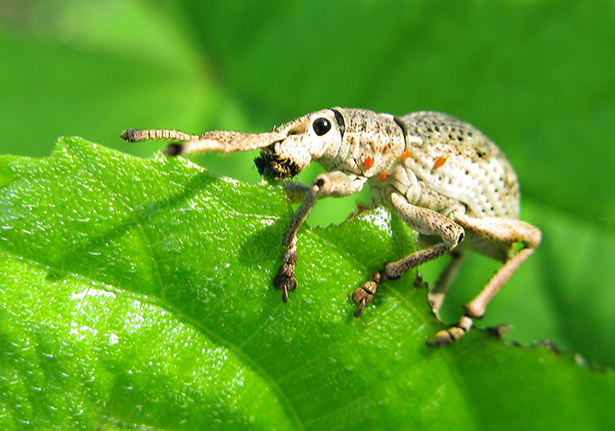
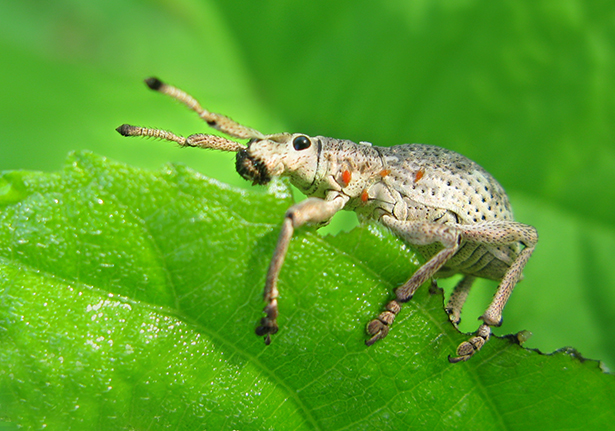
Coleoptera, commonly known as beetles, is the largest order within the class Insecta, encompassing an extraordinary diversity of species distributed across nearly all terrestrial and freshwater habitats worldwide. Beetles are readily distinguished by their characteristic forewings, which are hardened into protective covers known as elytra. These elytra shield the membranous hindwings and the dorsal surface of the abdomen, providing protection against physical damage, desiccation, and predators.
The body of a coleopteran is typically divided into the head, thorax, and abdomen. The head bears well-developed compound eyes, a single pair of antennae of varied forms, and mandibulate (chewing) mouthparts adapted to a wide range of diets, including plant material, fungi, carrion, and other animals. The thorax consists of three segments, with the mesothorax and metathorax forming the pterothorax, which supports the legs and wings. Locomotion is primarily by walking or running, though many species are capable of flight.
Coleoptera undergo complete metamorphosis (holometaboly), with distinct egg, larval, pupal, and adult stages. Larvae are morphologically diverse but often specialized for feeding and growth, while adults are typically adapted for dispersal and reproduction. Respiration occurs via a tracheal system, and circulation is open, consistent with other insects.
Beetles play vital ecological roles as decomposers, herbivores, predators, and scavengers, contributing significantly to nutrient cycling and ecosystem balance. Many species have substantial economic importance, both beneficial, such as pollinators and biological control agents, and detrimental, as agricultural or stored-product pests. The immense diversity and adaptability of Coleoptera make it one of the most successful evolutionary lineages in the animal kingdom.