Bali Wildlife
Every Spices Matter


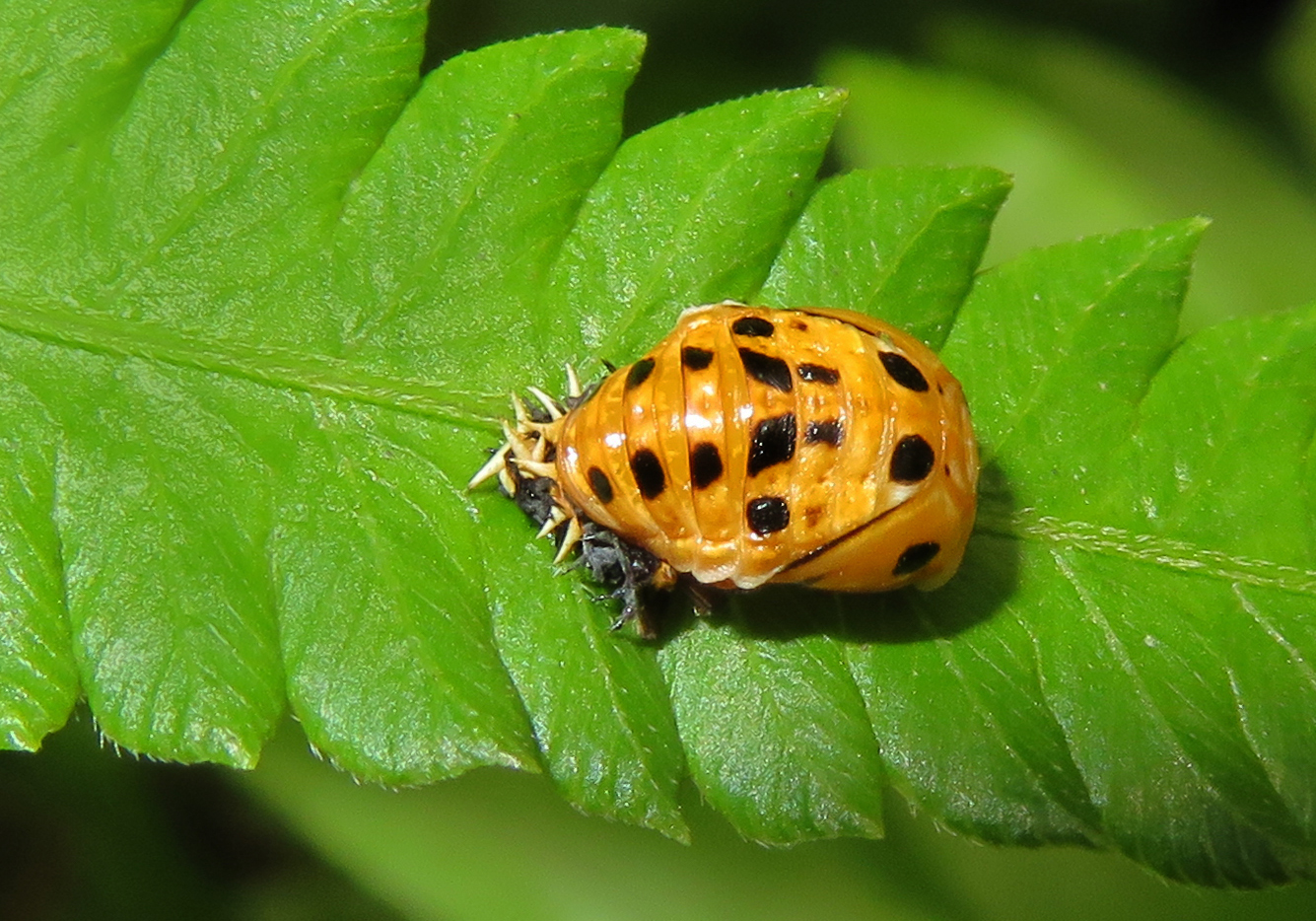
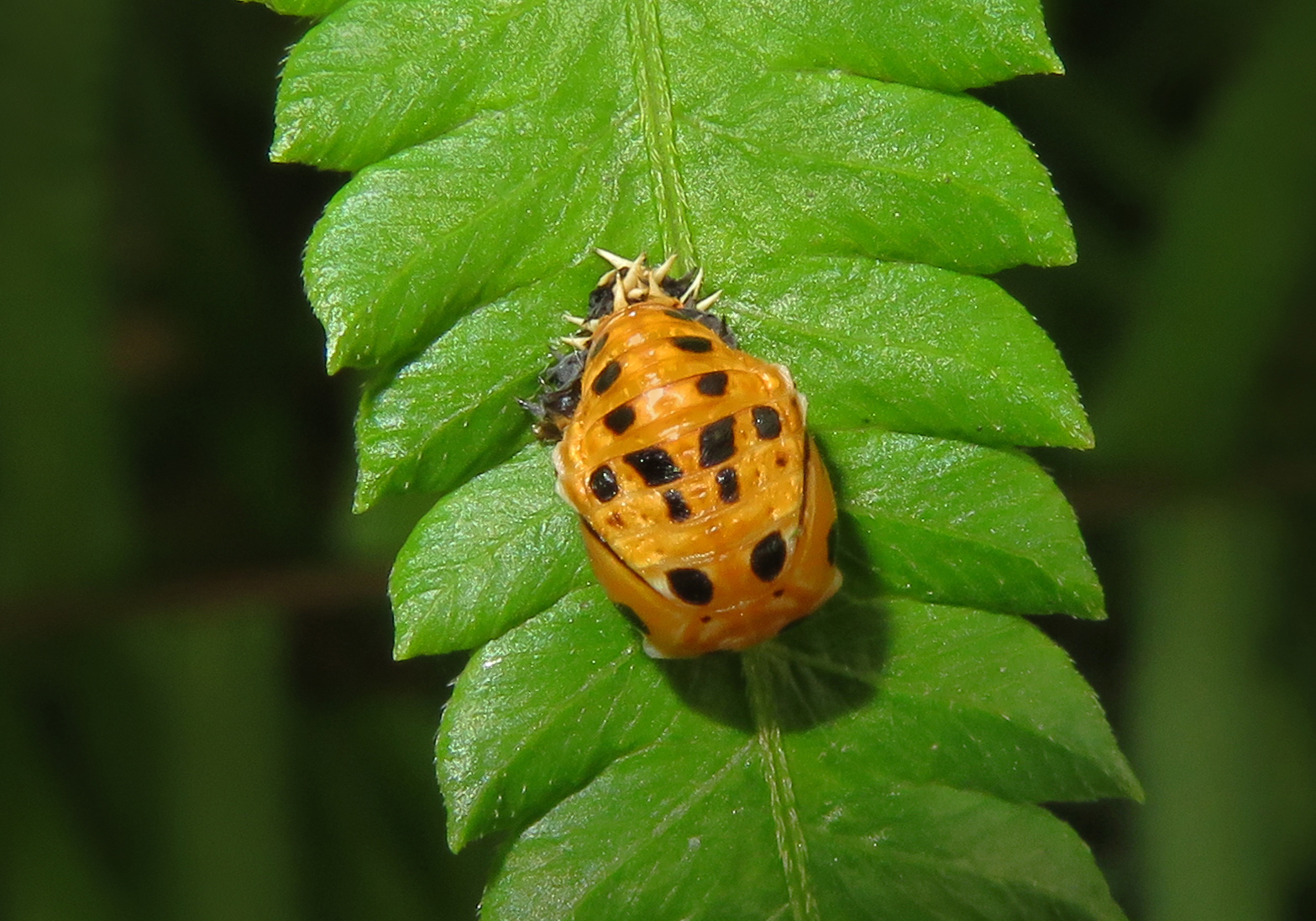
Coccinellini is a prominent and widely distributed tribe within the subfamily Coccinellinae (Family Coccinellidae), comprising many of the most familiar and conspicuous lady beetles. Members of this tribe occur on all continents except Antarctica and are especially diverse in temperate and tropical regions, where they inhabit a wide range of terrestrial ecosystems, including forests, grasslands, agricultural fields, and gardens.
Adults of Coccinellini are typically medium to large for lady beetles, with a strongly convex, hemispherical to oval body shape. Coloration is often bright and contrasting, most commonly red, orange, or yellow with black spots or patterns, although some species are predominantly black with red or yellow markings. The pronotum frequently bears pale margins or spots, and the elytra are smooth and glossy. These vivid color patterns function as aposematic signals, warning predators of their chemical defenses.
Larvae are elongate, flattened, and often dark-colored with contrasting spots or spines. Both larvae and adults of Coccinellini are primarily predatory, feeding mainly on aphids, scale insects, whiteflies, and other soft-bodied arthropods. Because of their strong predatory habits, many species are considered highly beneficial and are important natural enemies in biological control programs.
The life cycle of Coccinellini follows complete metamorphosis, with eggs laid in clusters near prey colonies. Development is closely linked to prey availability, and populations often increase rapidly when food resources are abundant. Many species are capable of dispersing over long distances and may aggregate for overwintering in large numbers.
Tribe Coccinellini includes several well-known genera, such as Coccinella, Harmonia, Adalia, and Hippodamia. Ecologically and economically, the tribe is of great importance due to its role in regulating pest populations and maintaining ecological balance in both natural and agricultural systems.