Bali Wildlife
Every Spices Matter


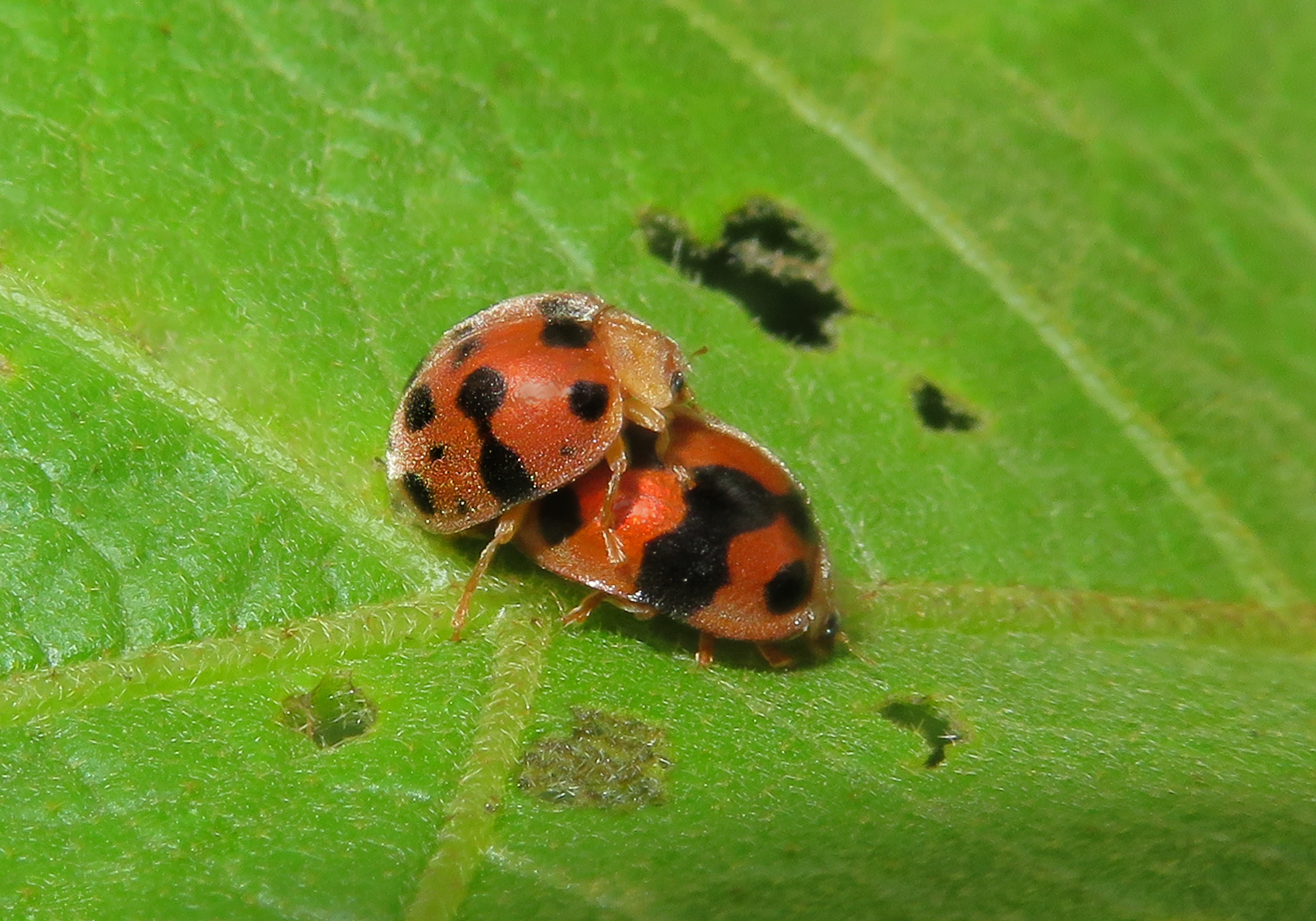
Coccinellinae is a prominent and well-studied subfamily within the family Coccinellidae (Order Coleoptera). It includes many of the most familiar and widely recognized lady beetles and is distributed globally across a wide range of habitats, particularly in temperate and subtropical regions. Members of this subfamily are especially noted for their ecological importance as predators of agricultural pests.
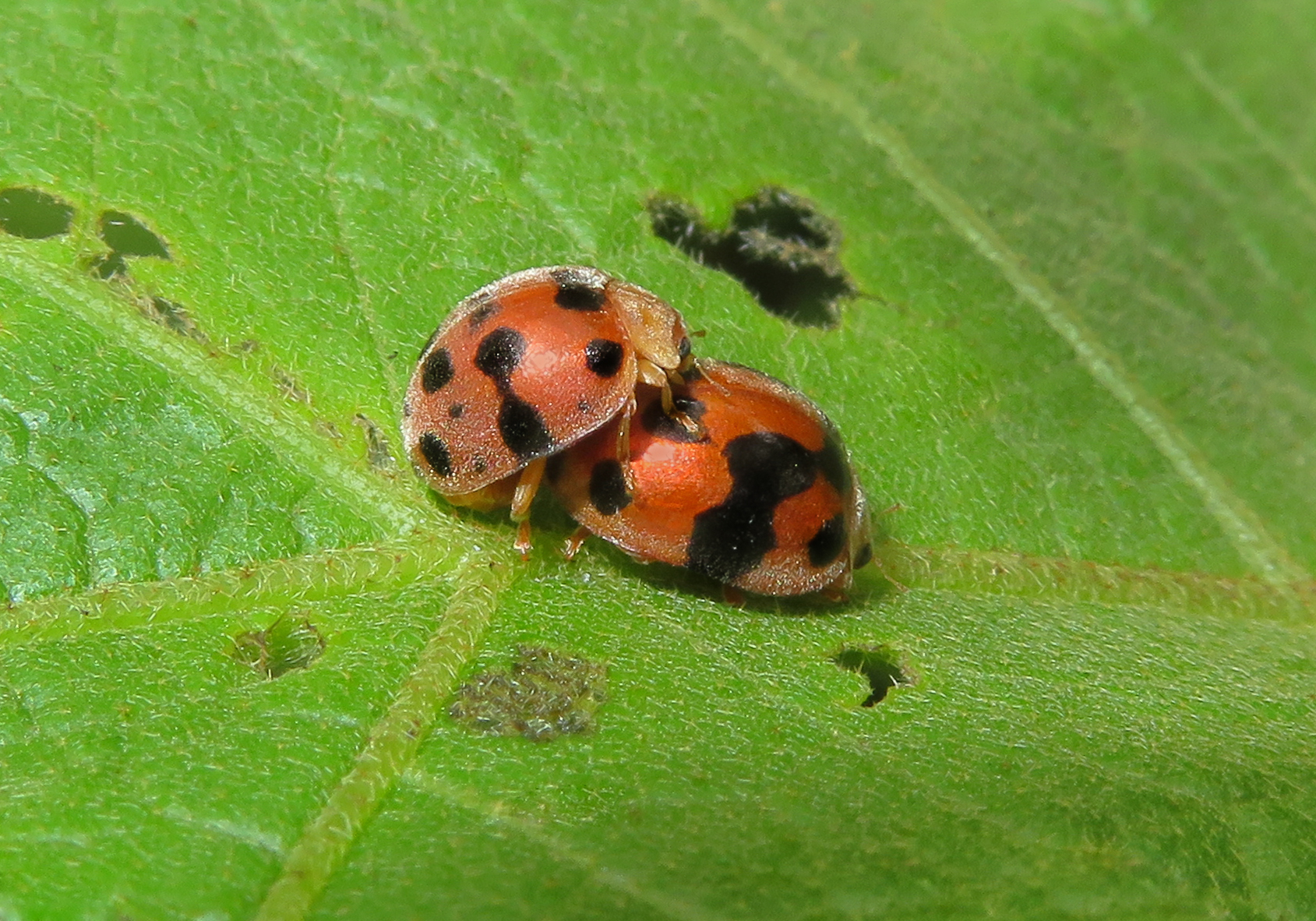
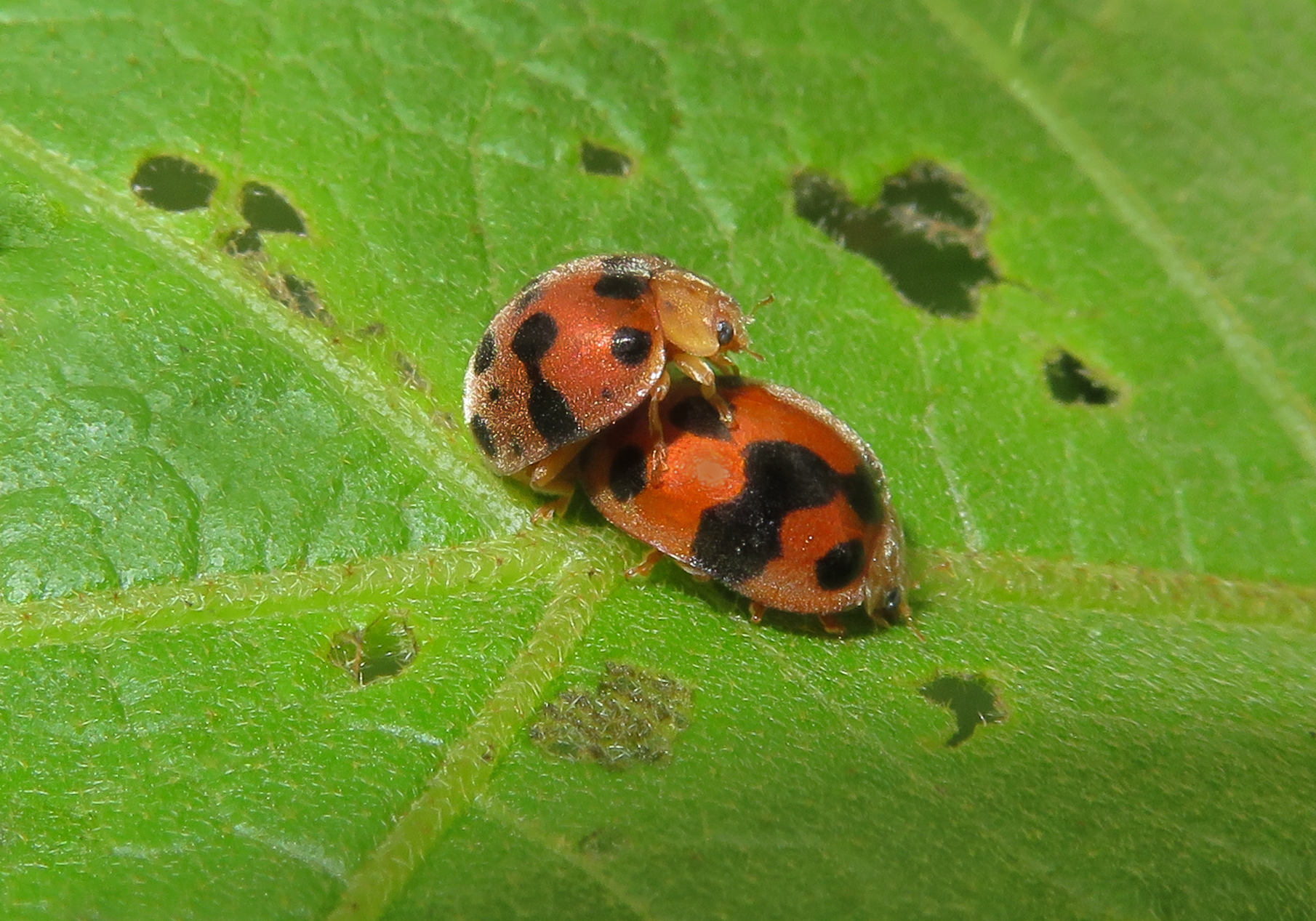
Adult Coccinellinae are typically small to medium-sized beetles with a strongly convex, rounded to hemispherical body shape. The elytra are usually brightly colored, most often red, orange, or yellow, and marked with black spots or patterns, although coloration can vary widely among species. The head is partly concealed beneath the pronotum, and the antennae are short with a distinct club. These beetles commonly possess chemical defenses and reflex bleeding behavior, reinforcing their aposematic coloration.
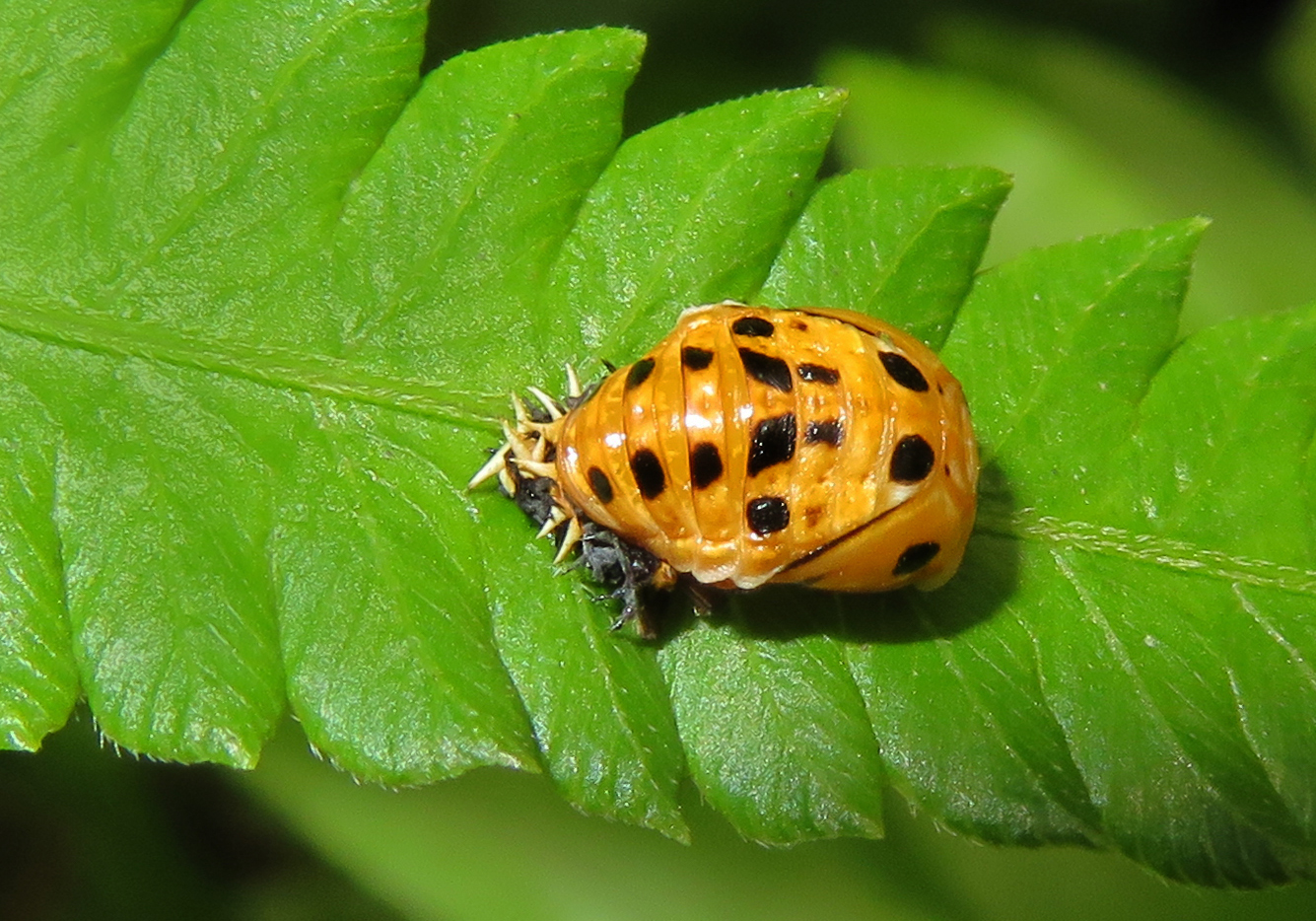
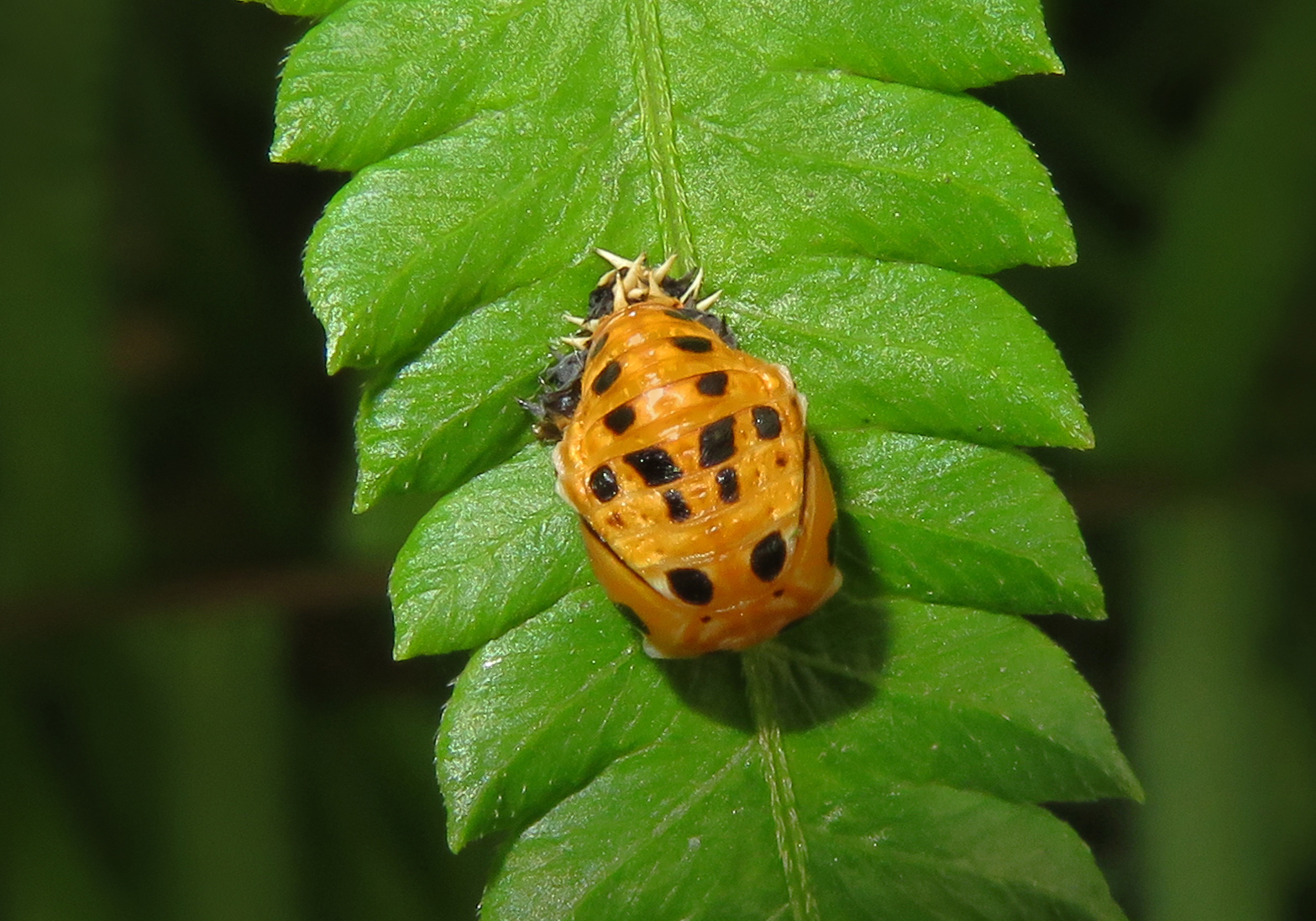
Larvae of Coccinellinae are elongate, somewhat flattened, and often covered with spines or tubercles. Both larvae and adults are predominantly predatory, feeding mainly on aphids, scale insects, mealybugs, and other soft-bodied arthropods. Their high prey consumption rates make them highly effective natural enemies in both natural ecosystems and agricultural settings.
Coccinellinae includes numerous genera and species, such as Coccinella, Harmonia, Adalia, and Hippodamia. Species within this subfamily often show strong associations with particular prey types or habitats, and many have been widely studied for their behavior, life history, and population dynamics.
Ecologically, Coccinellinae plays a vital role in regulating pest populations and maintaining ecological balance. Many species are intentionally protected or mass-reared for use in biological control programs. Their visibility, beneficial impact, and ecological significance make Coccinellinae one of the most important and recognizable subfamilies within the lady beetles.