Bali Wildlife
Every Spices Matter


Clitumnini is a tribe within the subfamily Clitumninae (Family Phasmatidae), consisting of some of the most slender and stick-like insects in the order Phasmida. The tribe is widely distributed across the Old World, with highest diversity in tropical and subtropical regions of Southeast Asia, South Asia, East Asia, and Australasia. Species of Clitumnini typically inhabit forests, shrublands, grasslands, and areas with dense woody or shrubby vegetation.
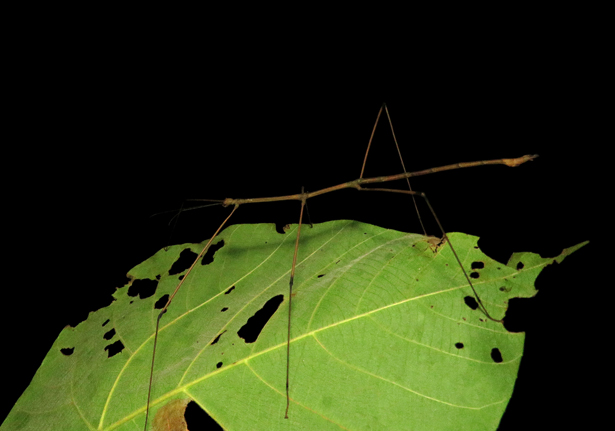
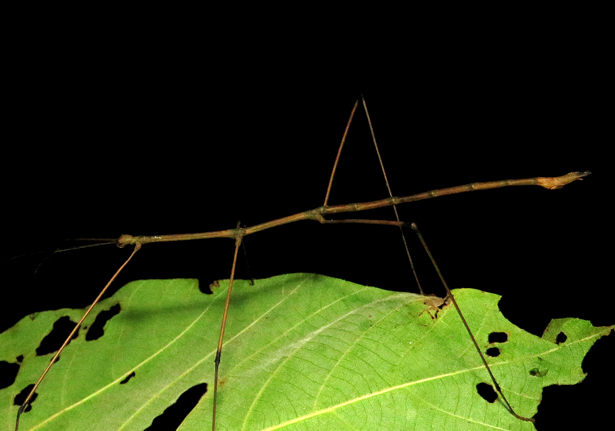
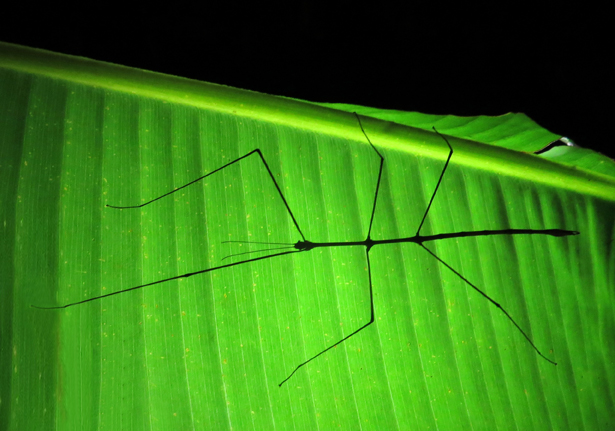
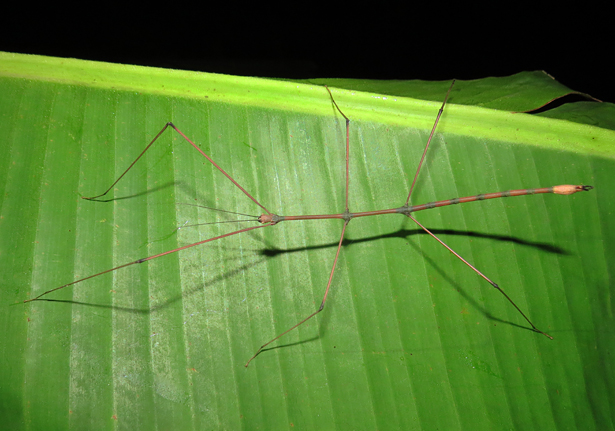
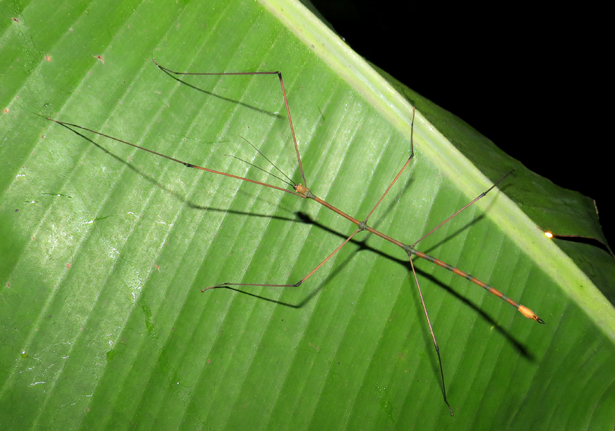
Members of Clitumnini are characterized by extremely elongated, cylindrical bodies and very long, thin legs, giving them a near-perfect resemblance to twigs or grass stems. The body surface is usually smooth and lacks strong spines or ornamentation. Coloration is highly cryptic, commonly green or brown, and may vary with age or environmental conditions. Sexual dimorphism is pronounced, with females generally much larger, heavier-bodied, and often less mobile than the smaller, more slender males.
Wings are usually absent in both sexes, though in some species males may possess rudimentary wings. As a result, members of Clitumnini rely almost entirely on camouflage and stillness for defense, rather than flight or active escape. Autotomy of legs is common and serves as an effective last-resort defense mechanism.
Like other phasmids, Clitumnini exhibit hemimetabolous development. Eggs are typically dropped to the ground and are seed-like in shape, aiding in concealment and dispersal. Nymphs closely resemble adults and develop gradually through successive molts.
Ecologically, Clitumnini are strictly herbivorous, feeding on leaves of shrubs, trees, and occasionally cultivated plants. They play a role as primary consumers in terrestrial ecosystems and serve as prey for birds, reptiles, and other predators. The tribe includes well-known genera such as Clitumnus and Ramulus, and represents one of the most extreme examples of twig mimicry and cryptic adaptation among stick insects.