Bali Wildlife
Every Spices Matter


Clitumninae is a subfamily within the family Phasmatidae (Order Phasmida), comprising a large group of predominantly stick-like insects. The subfamily is widely distributed, with its greatest diversity in tropical and subtropical regions, especially in Southeast Asia, South Asia, East Asia, and parts of Australasia. Species of Clitumninae are typically associated with forests, shrublands, and cultivated vegetation.
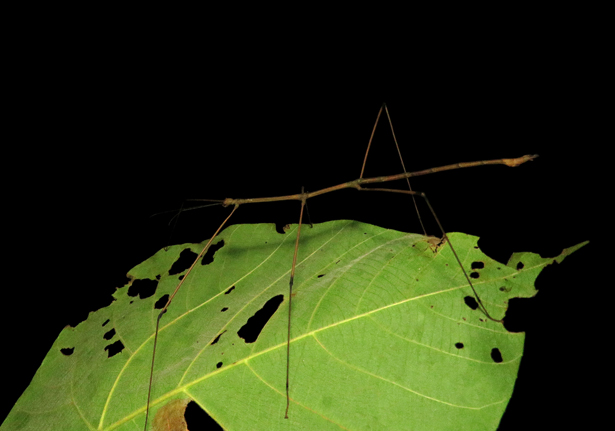
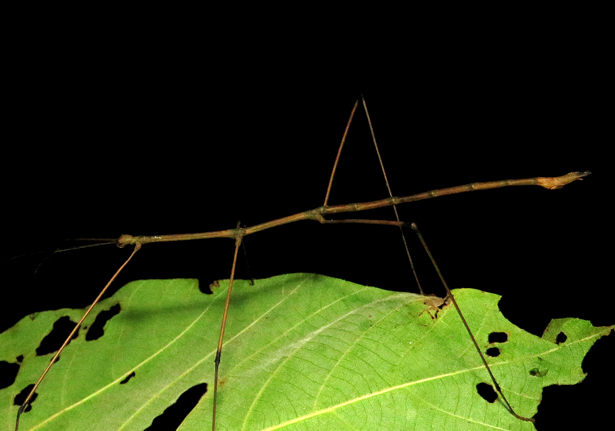
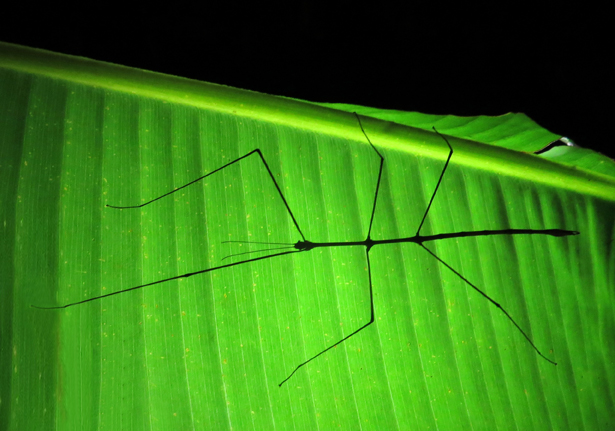
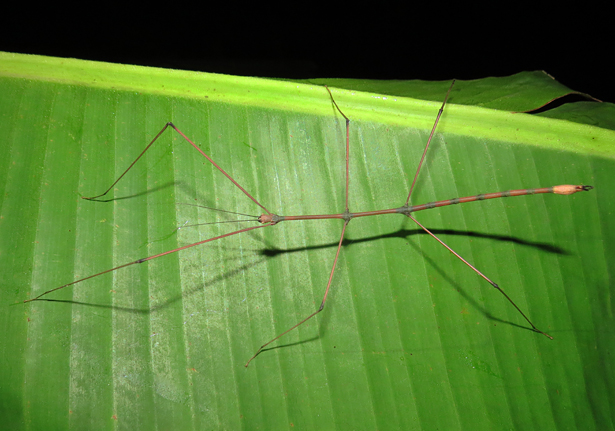
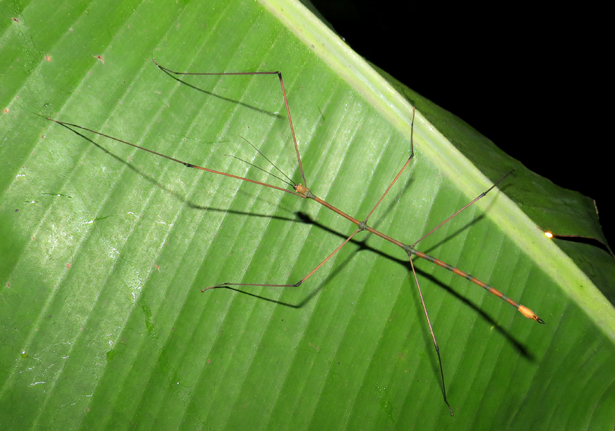
Members of Clitumninae are characterized by their very slender, elongated bodies and legs, which closely resemble twigs or thin branches. Compared to many other phasmids, they generally lack elaborate spines or ornamentation and exhibit a relatively smooth body surface. Coloration is usually cryptic, ranging from green to various shades of brown, often allowing individuals to blend seamlessly with surrounding vegetation. Sexual dimorphism is pronounced, with females usually much larger and more robust than males.
Wings are usually reduced or entirely absent in Clitumninae, particularly in females. Males may occasionally possess short or partially developed wings, but sustained flight is rare within the subfamily. Antennae are typically long and filamentous, contributing to the overall stick-like appearance of these insects.
Clitumninae undergo hemimetabolous development. Eggs are commonly dropped to the ground and are often seed-like, aiding in camouflage and protection. Nymphs closely resemble adults in general form and gradually increase in size through successive molts.
Ecologically, Clitumninae are strictly herbivorous, feeding mainly on leaves of shrubs and trees, including a variety of native and cultivated plants. They form part of forest and woodland food webs as both herbivores and prey for birds, reptiles, and invertebrate predators. The subfamily includes well-known genera such as Clitumnus and Ramulus, and represents a classic example of extreme twig mimicry within stick insects.