Bali Wildlife
Every Spices Matter


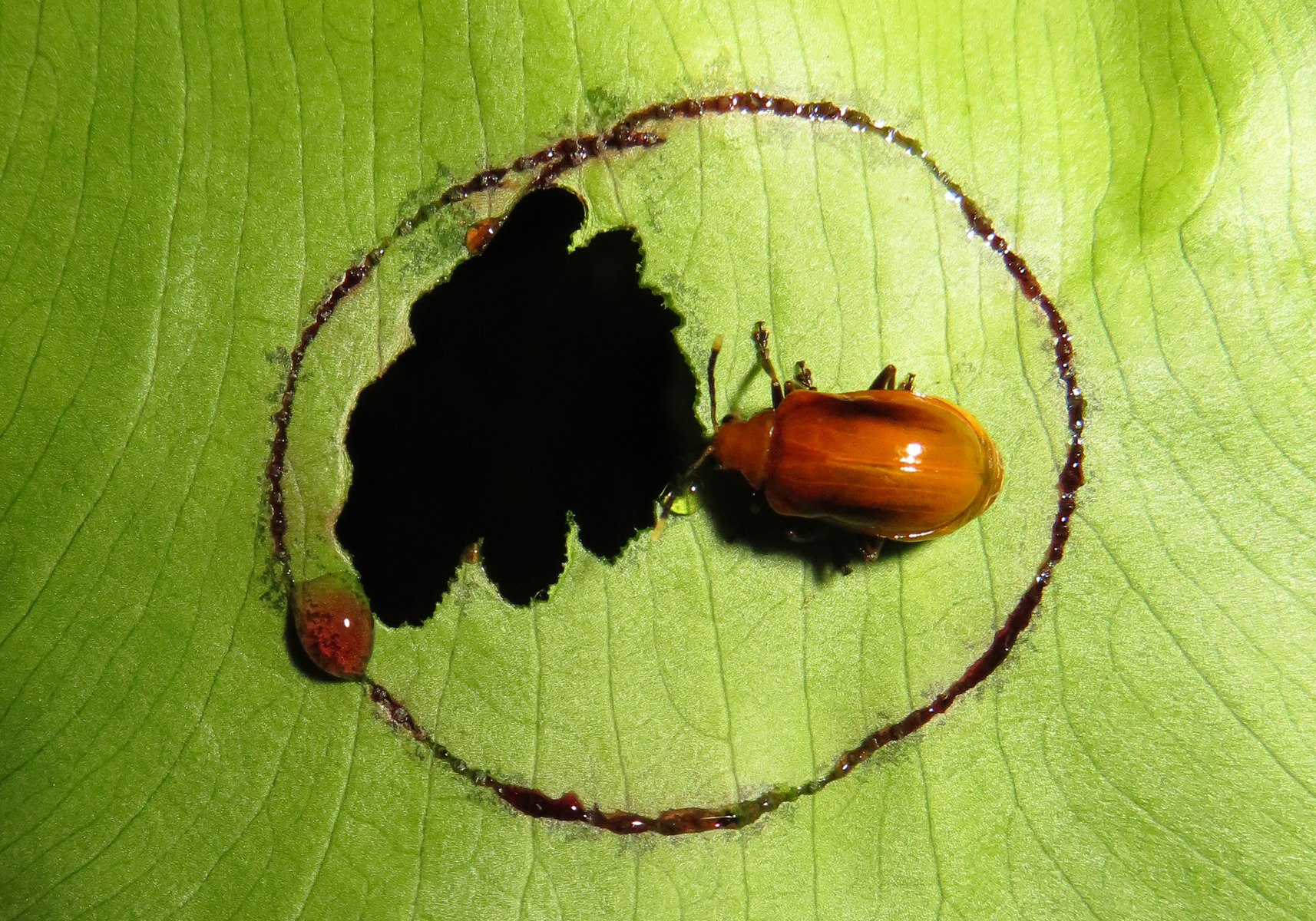
Chrysomeloidea is a large and diverse superfamily of beetles within the infraorder Cucujiformia (Order Coleoptera). It is best known for its predominantly plant-feeding members and includes some of the most ecologically and economically significant herbivorous beetles worldwide. Species of Chrysomeloidea are distributed globally, occupying a wide range of terrestrial habitats wherever vascular plants occur.
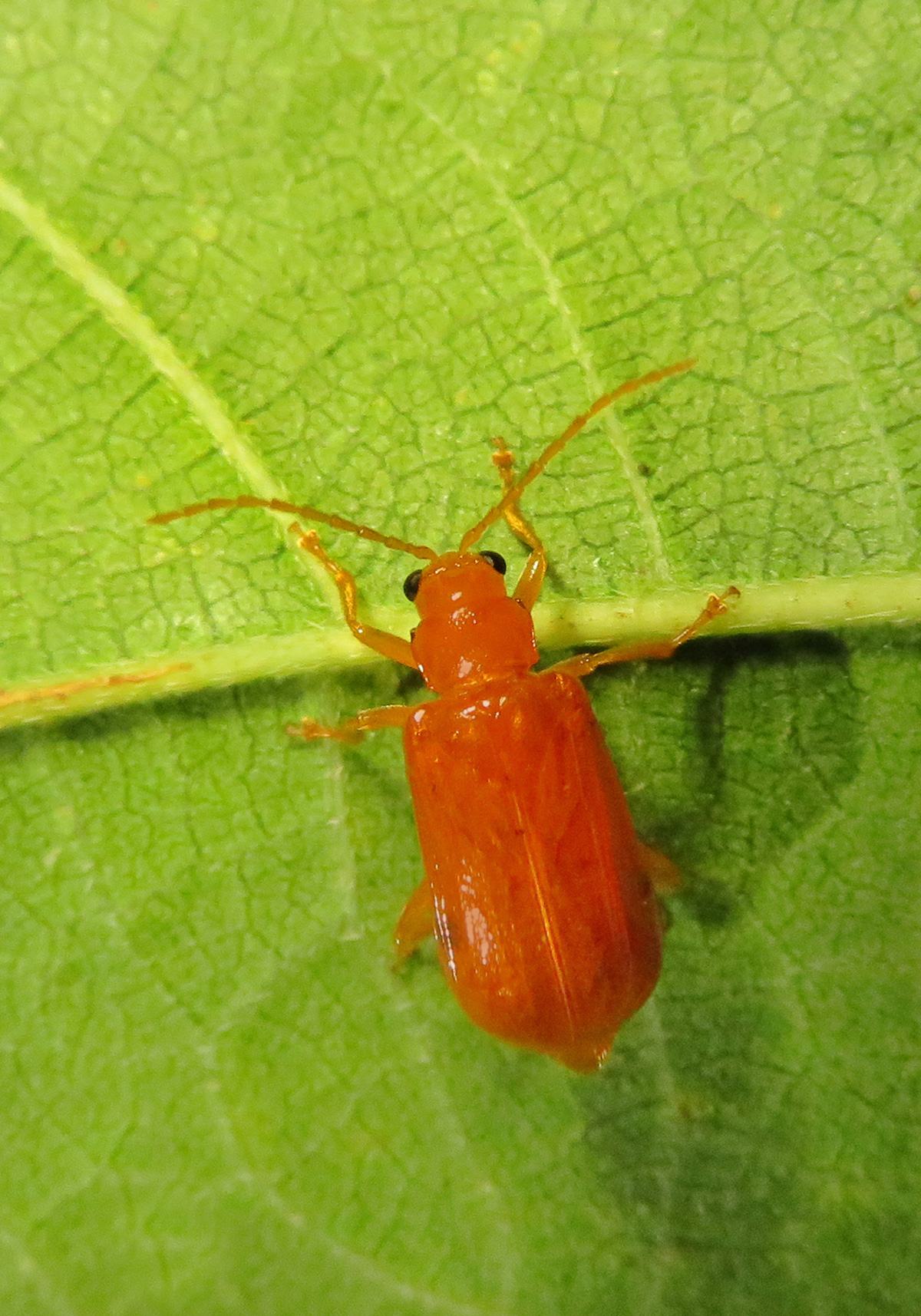
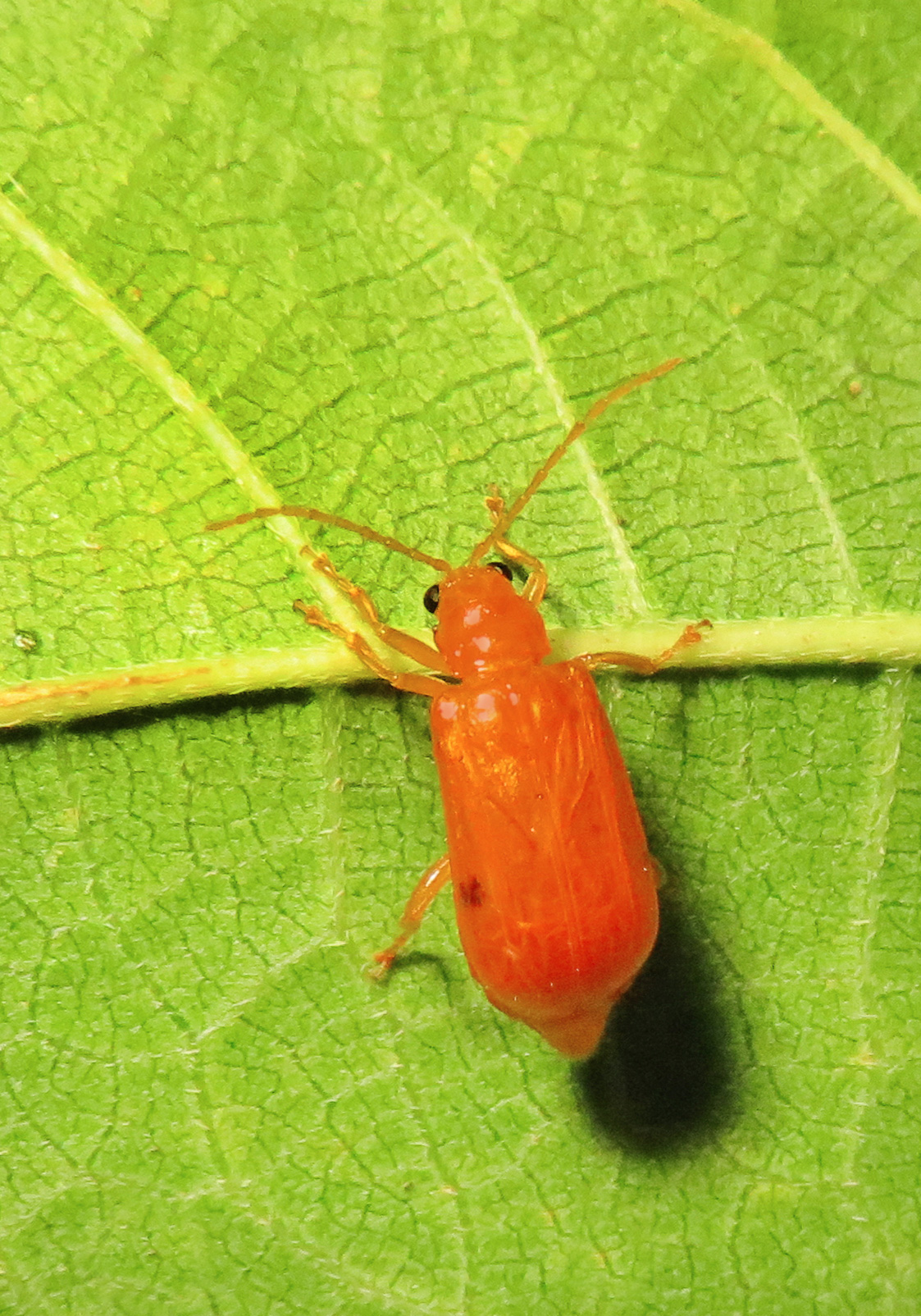
Members of Chrysomeloidea are typically characterized by robust to elongate bodies, well-developed chewing mouthparts, and antennae that are usually filiform to weakly clavate. The elytra are generally smooth or finely sculptured and fully cover the abdomen. Many species exhibit bright or contrasting coloration, often serving as camouflage, warning coloration, or mimicry. The legs are well adapted for walking or clinging to vegetation, and the tarsi commonly appear pseudotetramerous.
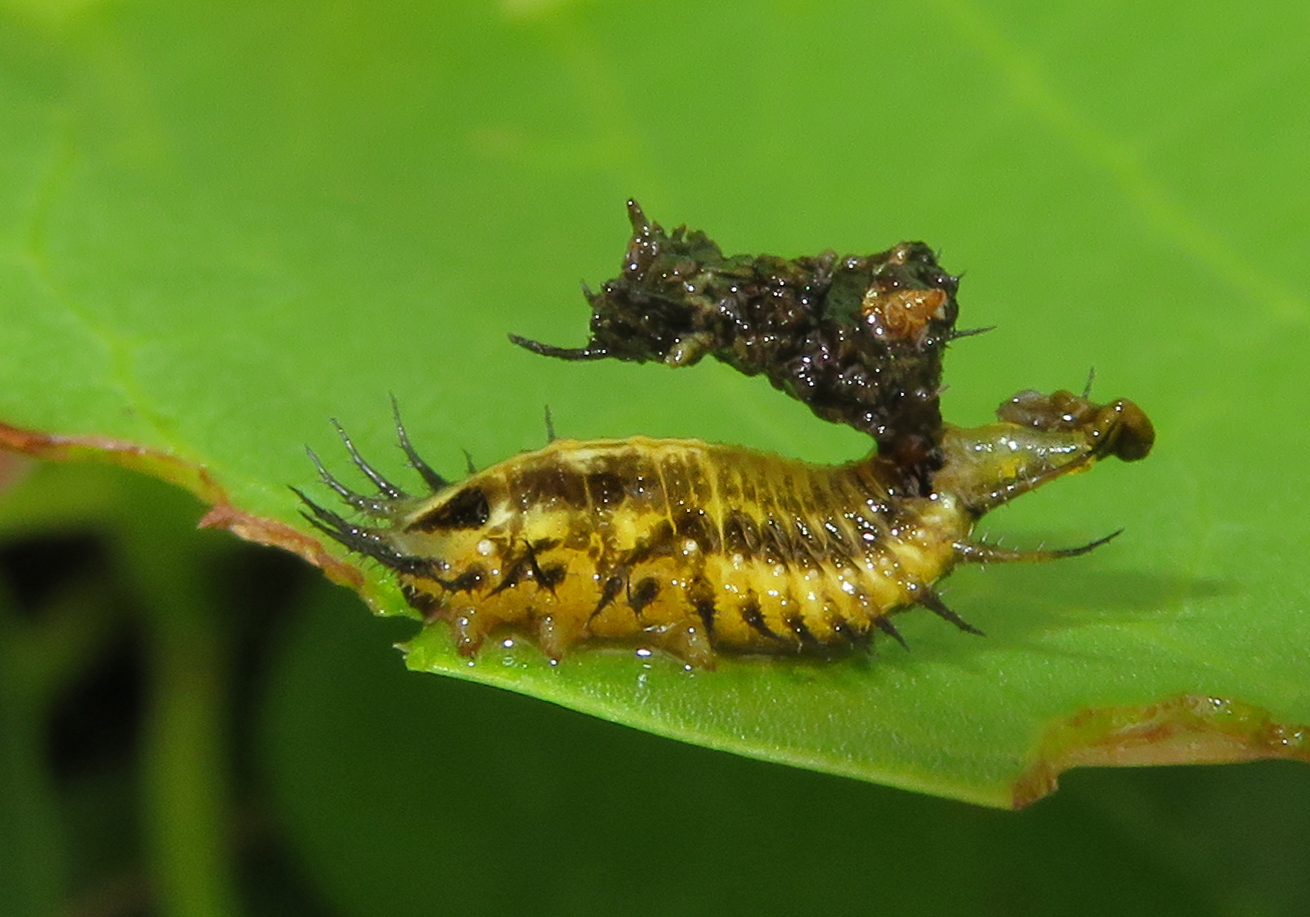
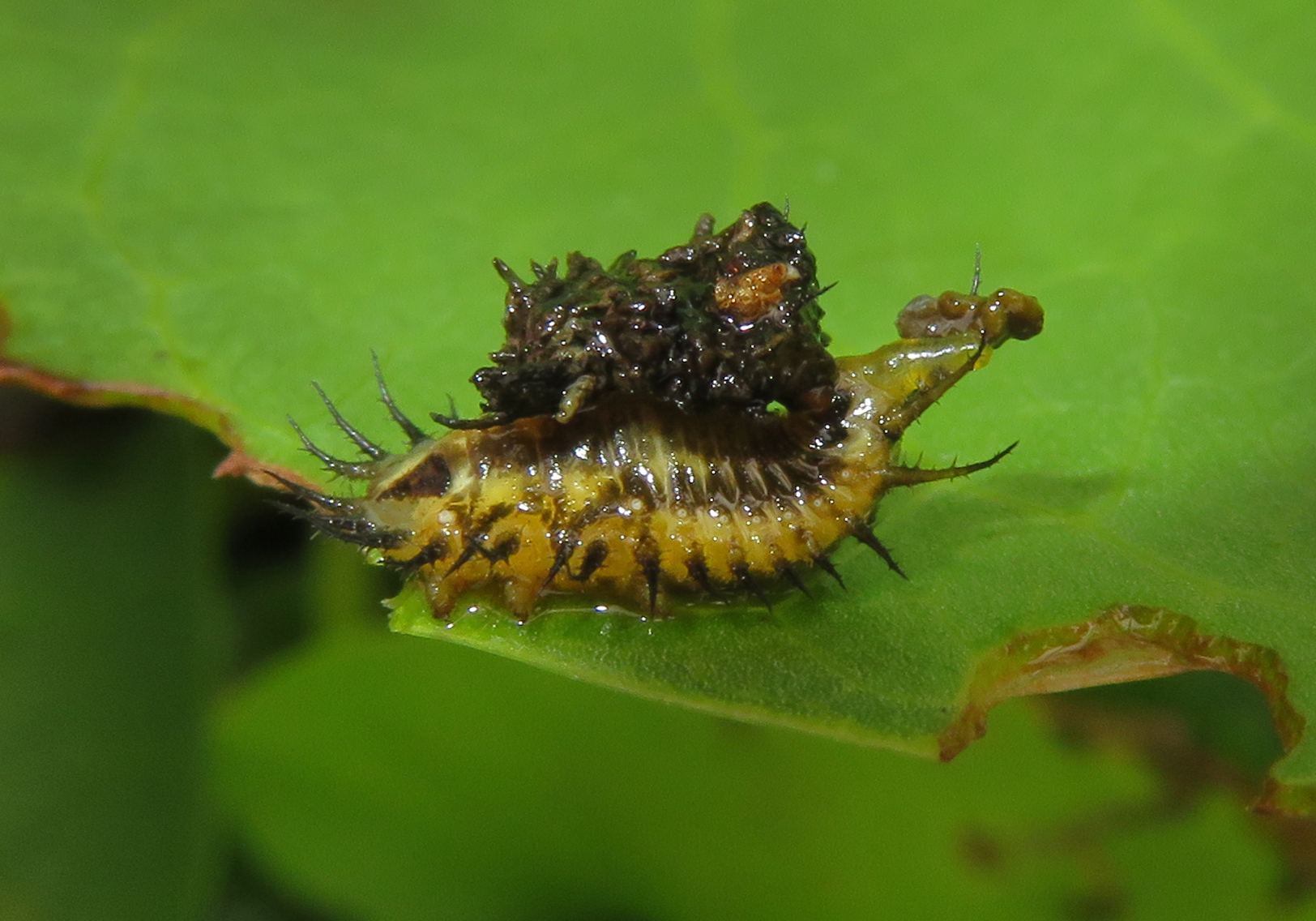
Larvae of Chrysomeloidea are primarily phytophagous and display diverse feeding strategies. They may feed externally on leaves, internally as stem or root borers, or within seeds and fruits. Some larvae are aquatic or semi-aquatic, particularly within certain lineages. Life cycles are closely tied to host plants, and many species show high host specificity.
Major families within Chrysomeloidea include Chrysomelidae (leaf beetles), Cerambycidae (longhorn beetles), Megalopodidae, Orsodacnidae, and Bruchidae (often treated as a subfamily Bruchinae within Chrysomelidae). Chrysomelidae and Cerambycidae together account for the majority of species diversity in the superfamily.
Ecologically, Chrysomeloidea plays a major role in plant–herbivore interactions and nutrient cycling. While numerous species are serious agricultural and forestry pests due to leaf feeding or wood-boring habits, others contribute to ecosystem balance and are used in biological control programs. The close evolutionary association between Chrysomeloidea beetles and flowering plants has driven extensive diversification, making this superfamily a key component of terrestrial insect biodiversity.