Bali Wildlife
Every Spices Matter


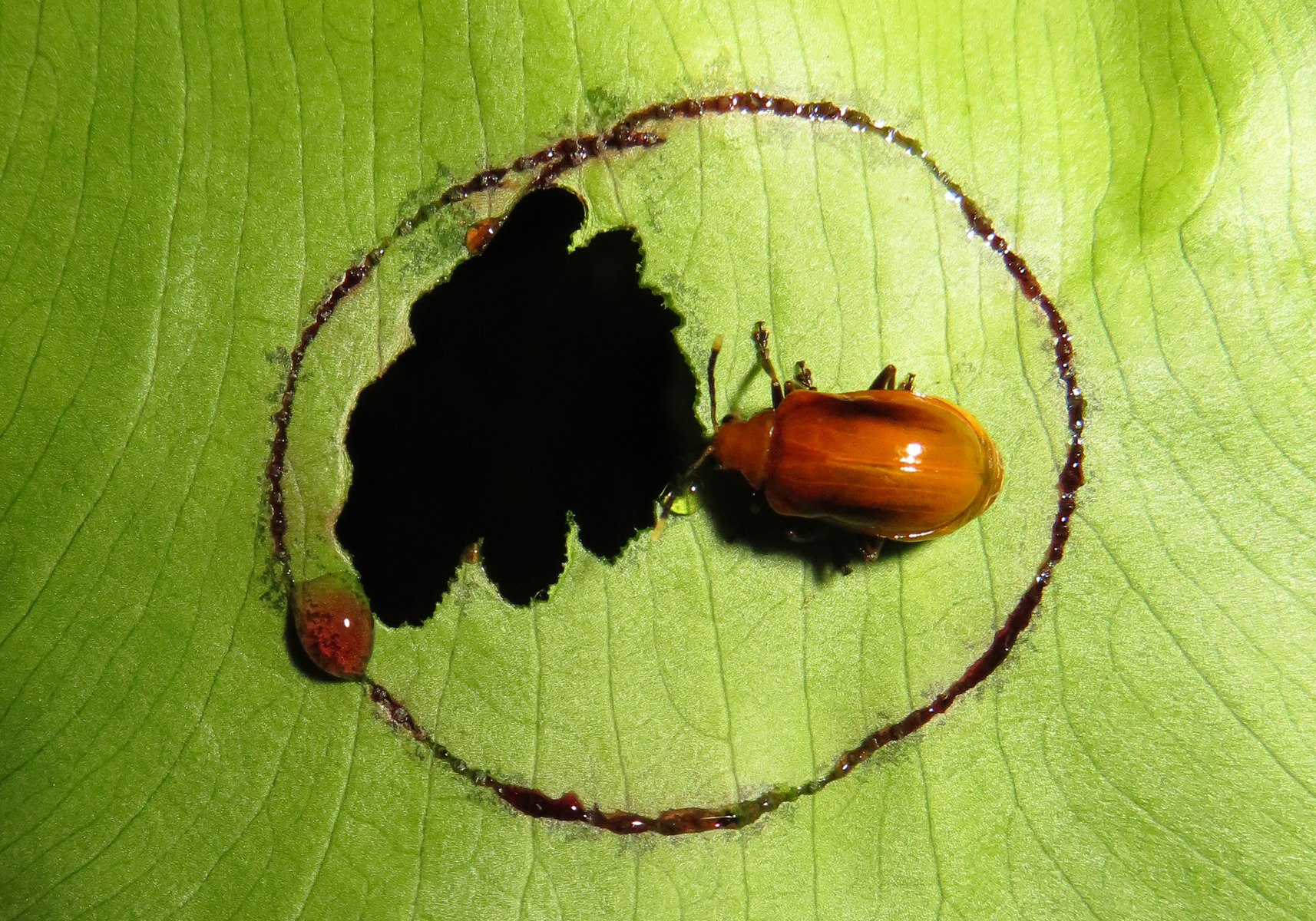
Chrysomelidae, commonly known as leaf beetles, is one of the largest and most diverse families within the superfamily Chrysomeloidea (Order Coleoptera). The family comprises tens of thousands of described species distributed worldwide, with greatest diversity in tropical and subtropical regions. Leaf beetles are closely associated with plants and are among the most important herbivorous insects in terrestrial ecosystems.
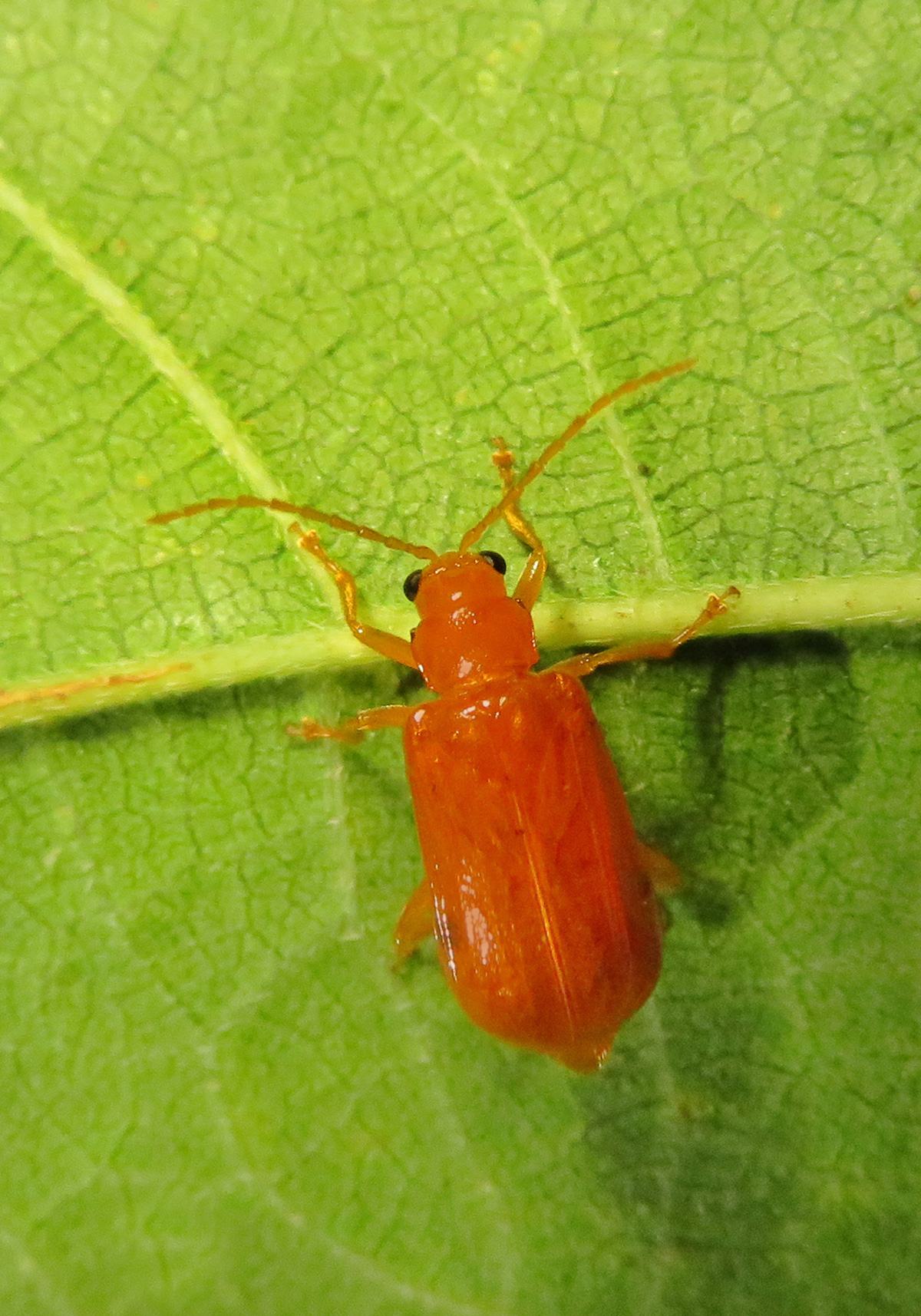
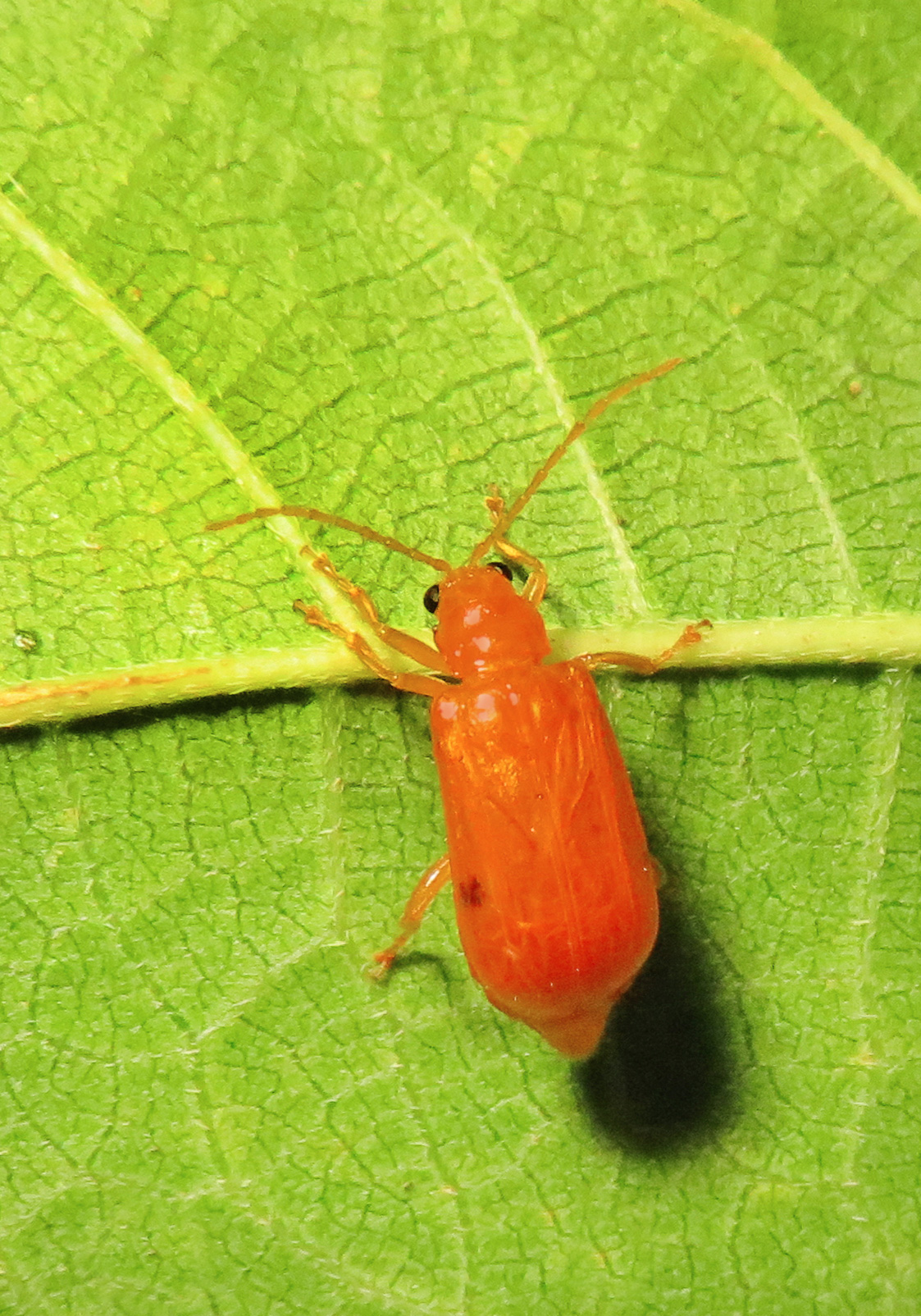
Adult Chrysomelidae are typically small to medium-sized beetles with oval, elongate, or rounded bodies. They are characterized by well-developed chewing mouthparts, antennae that are usually filiform and relatively short, and tarsi that appear pseudotetramerous due to a reduced fourth segment. Elytra are generally smooth or finely punctate and often brightly colored or metallic, with many species displaying striking patterns that function in camouflage, warning coloration, or mimicry.
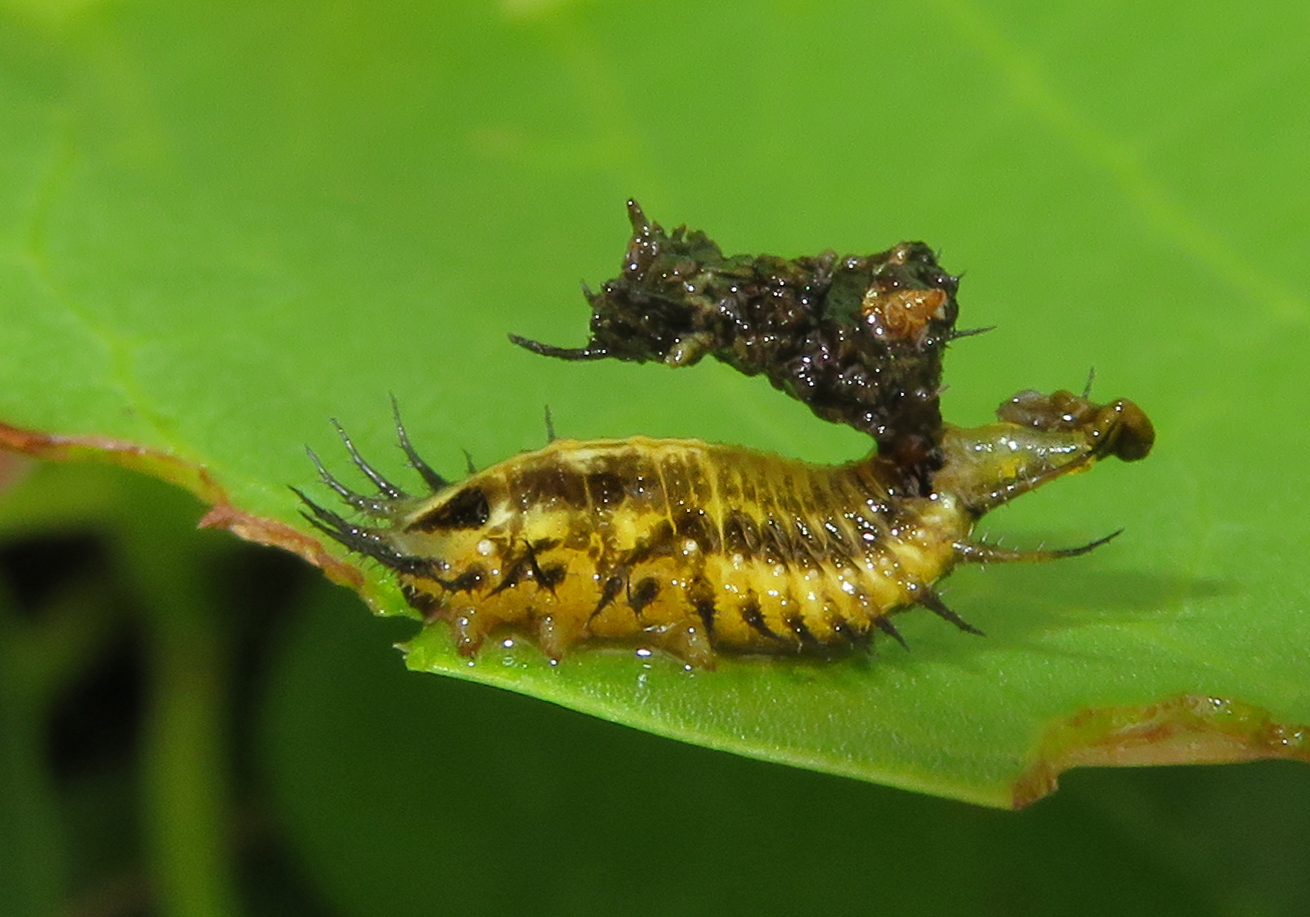
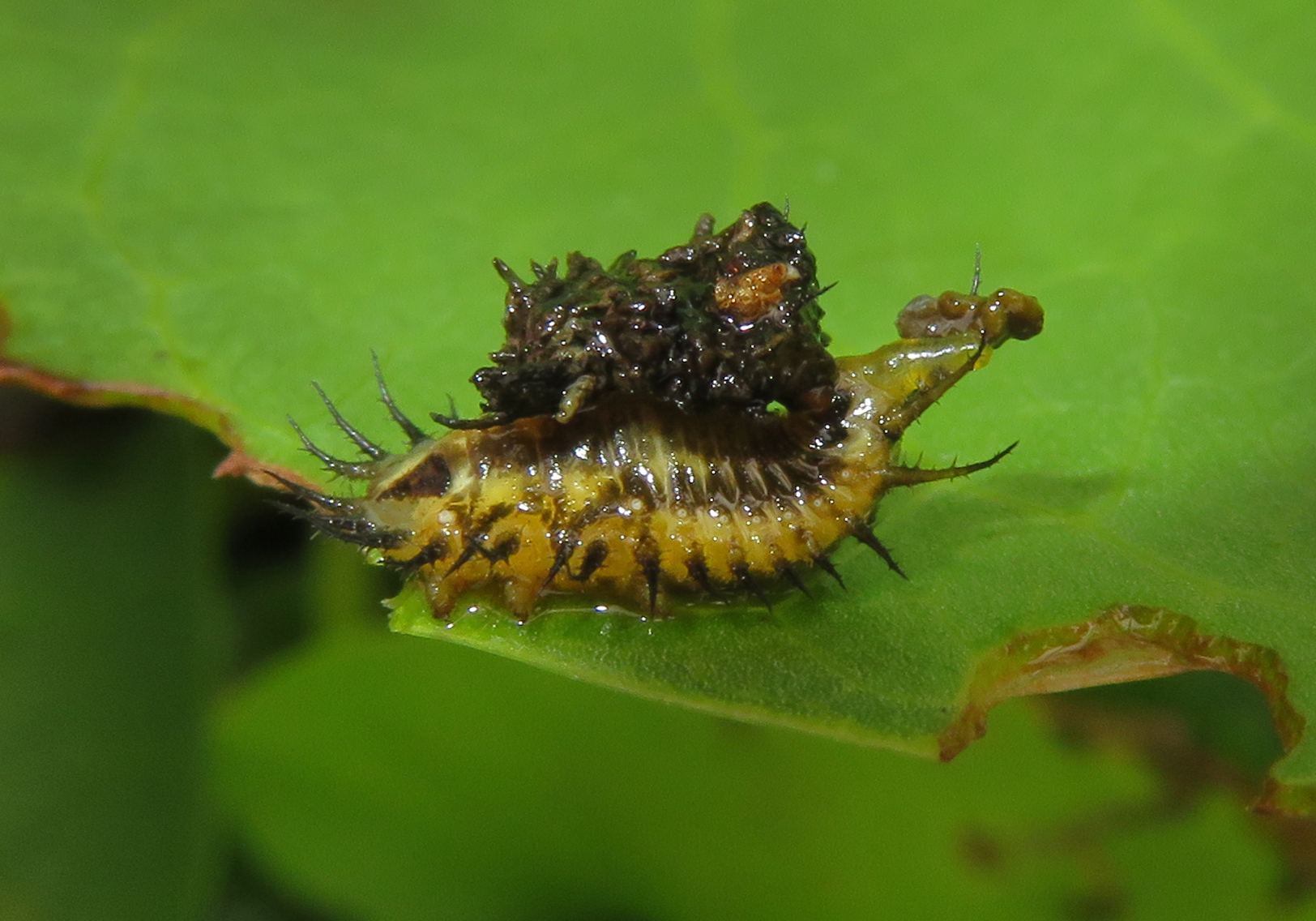
Larvae of Chrysomelidae are also predominantly phytophagous and exhibit a wide range of feeding habits. Many species feed externally on leaves, while others are leaf miners, stem borers, root feeders, or seed feeders. Some larvae possess chemical defenses derived from their host plants, and in several groups, larvae and adults can sequester or synthesize toxic compounds to deter predators.
The family includes numerous subfamilies, such as Galerucinae, Alticinae (flea beetles, often treated as a tribe within Galerucinae), Cassidinae (tortoise beetles), Chrysomelinae, Eumolpinae, and Cryptocephalinae. Members of these groups display diverse morphologies and life histories, often reflecting close evolutionary relationships with specific host plants.
Ecologically, Chrysomelidae plays a crucial role in shaping plant communities through herbivory and in supporting food webs as prey for predators and parasitoids. Economically, many species are significant agricultural pests, including well-known examples that damage crops, vegetables, and ornamental plants. Conversely, some leaf beetles are intentionally used as biological control agents to manage invasive plant species. The immense diversity, ecological importance, and close plant associations of Chrysomelidae make it one of the most influential families of beetles.