Bali Wildlife
Every Spices Matter


Chrysillini is a tribe within the subfamily Salticinae (Family Salticidae, Order Araneae). The tribe is widely distributed across the Old World, with greatest diversity in South and Southeast Asia, East Asia, and parts of Africa and Australia. Species of Chrysillini are commonly found on foliage, tree trunks, rocks, walls, and other exposed surfaces in forests, gardens, and urban environments.
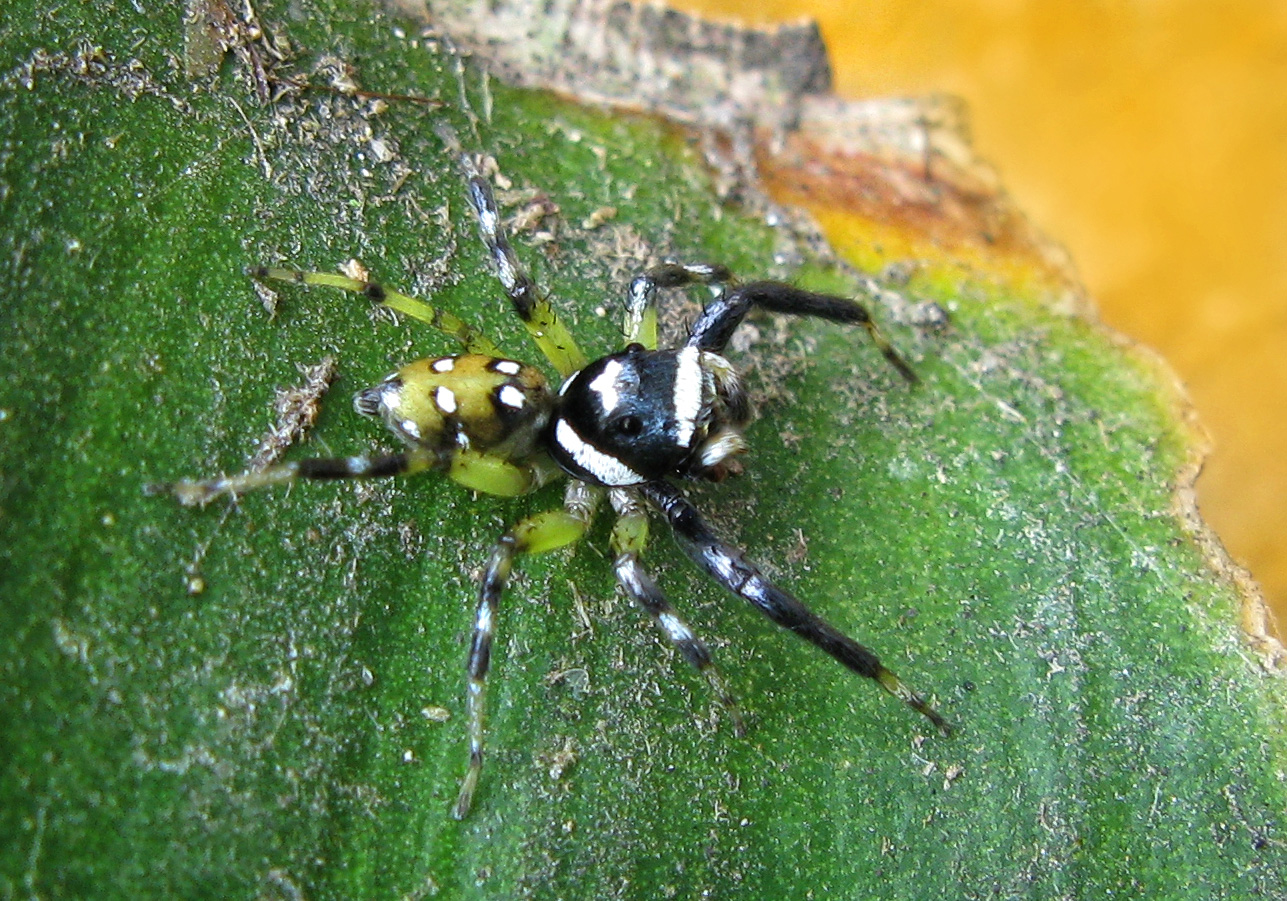
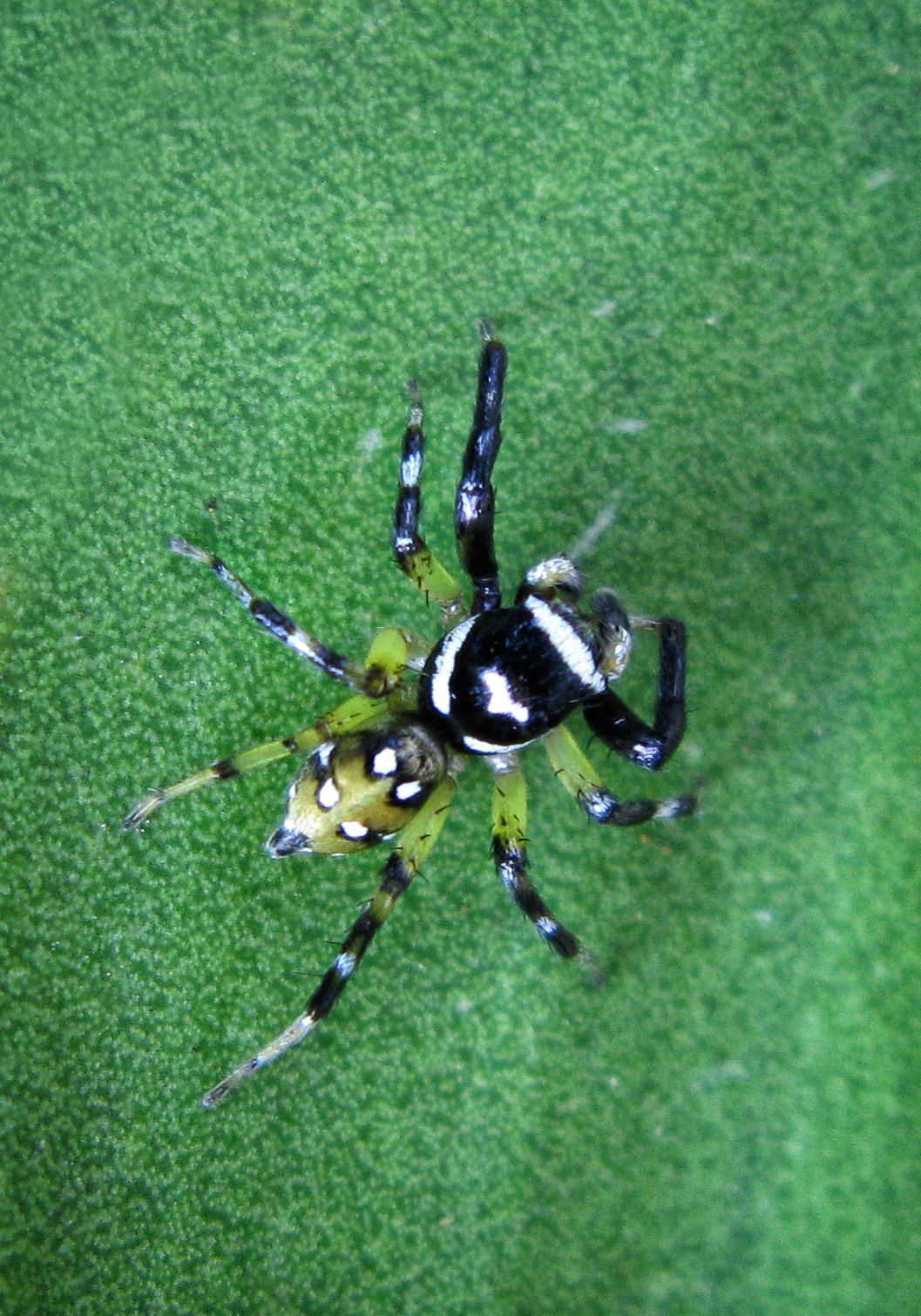
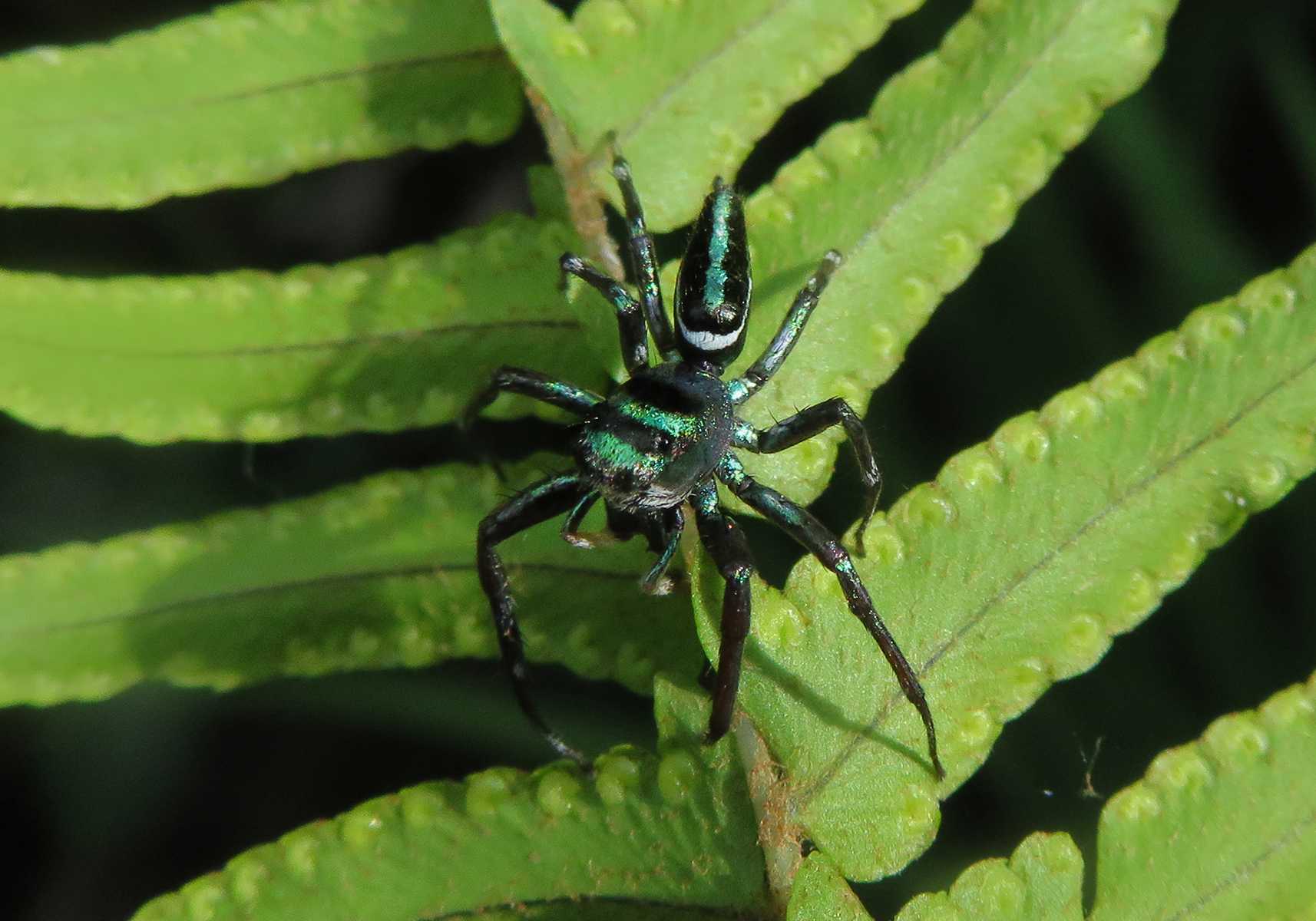
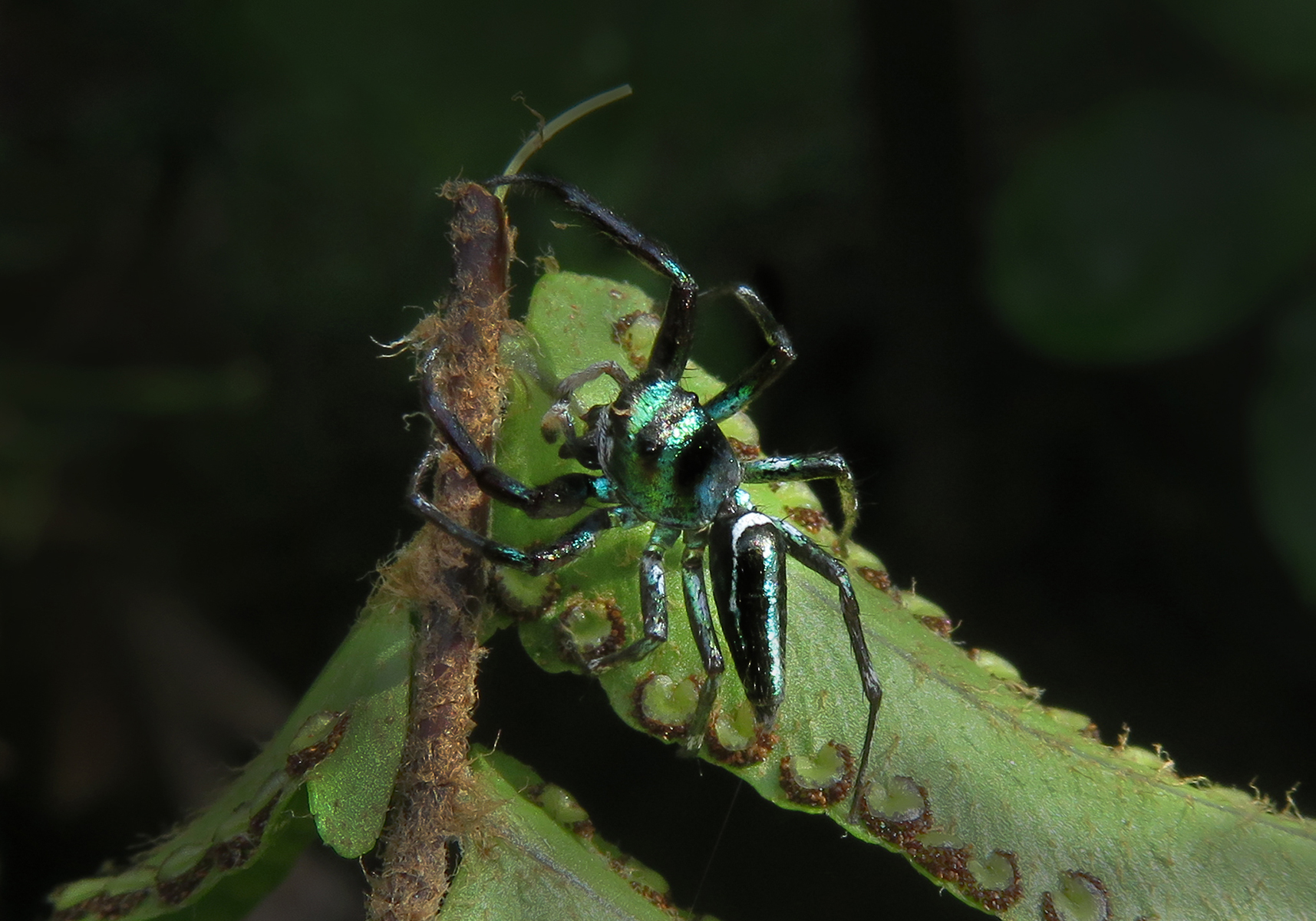
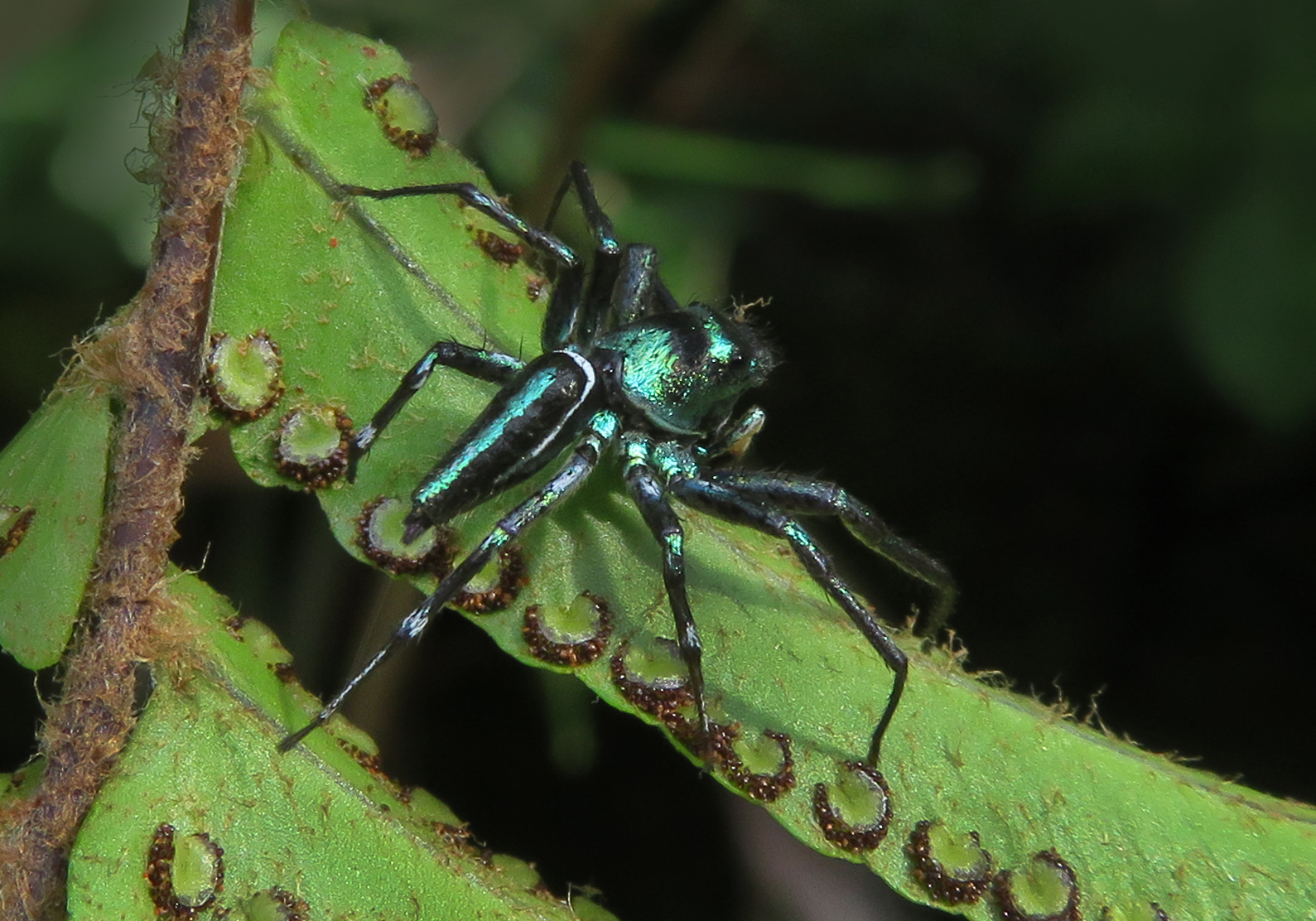
Members of Chrysillini are small to medium-sized jumping spiders notable for their brilliant metallic and iridescent coloration, especially in males. Colors often include vivid greens, blues, reds, and golds produced by specialized reflective scales. The body is compact with a relatively high cephalothorax, and the legs are well adapted for precise jumping. As with all jumping spiders, they possess large anterior median eyes that provide excellent vision.
Morphologically, Chrysillini are distinguished by characteristic configurations of the male palpal organs and the female epigyne, which are important for species and genus identification within the tribe. Sexual dimorphism is common, with males typically more vividly colored and ornamented than females.
Behaviorally, Chrysillini are active, diurnal hunters that do not build capture webs. They rely on visual cues to stalk and capture prey by a sudden leap, using silk mainly as a safety dragline and for constructing retreats and egg sacs. Courtship behavior is often elaborate and visually oriented, involving leg waving, body postures, and the display of iridescent scales.
Ecologically, members of Chrysillini are effective predators of small insects and other arthropods and contribute to natural pest control in a variety of ecosystems. The tribe includes several well-known genera, such as Chrysilla, Phintella, Siler, and Cosmophasis, and represents one of the most visually striking and behaviorally sophisticated groups within the jumping spiders.