Bali Wildlife
Every Spices Matter


Chordata is a phylum within the kingdom Animalia that includes animals possessing, at least during one stage of their life cycle, a notochord, a dorsal hollow nerve cord, pharyngeal slits, and a post-anal tail. These defining characteristics may be present only during embryonic development in some groups.
Members of Phylum Chordata exhibit a high level of structural organization and typically display bilateral symmetry, an endoskeleton composed of bone or cartilage, and a well-developed central nervous system. The circulatory system is generally closed, and respiration occurs through gills or lungs, depending on the group.
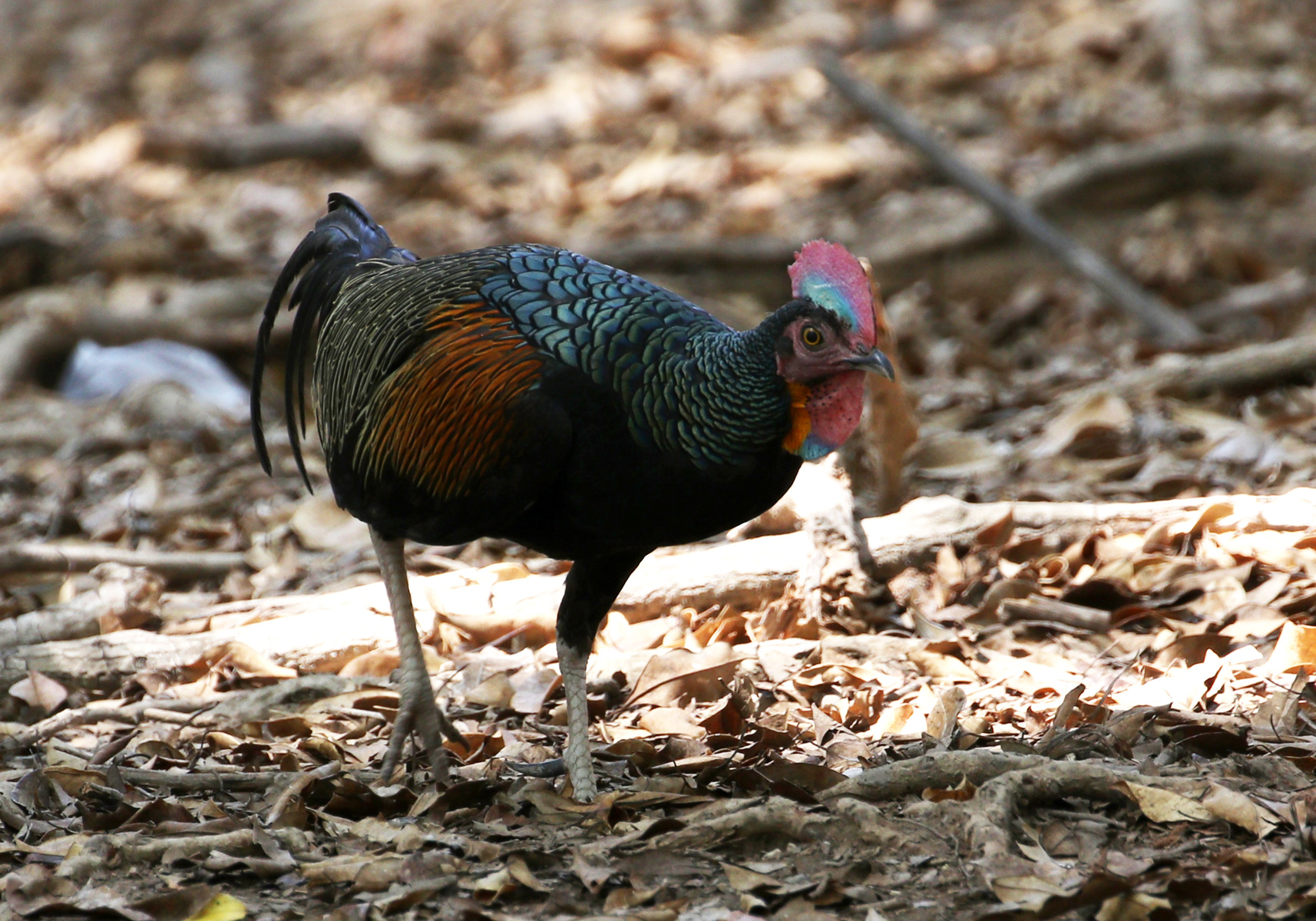
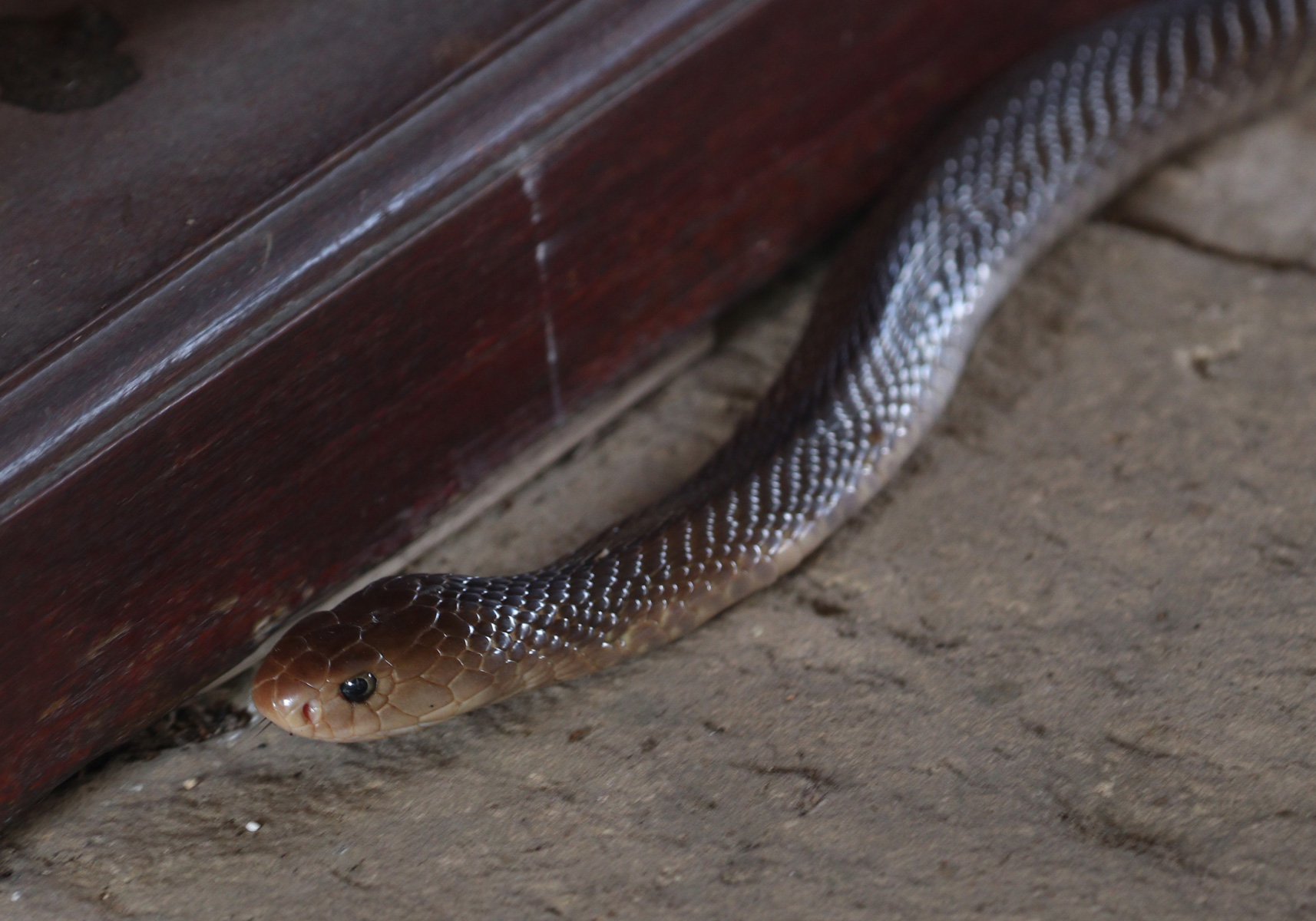
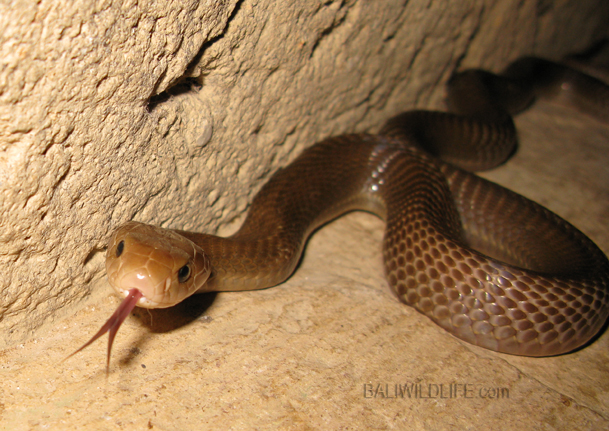
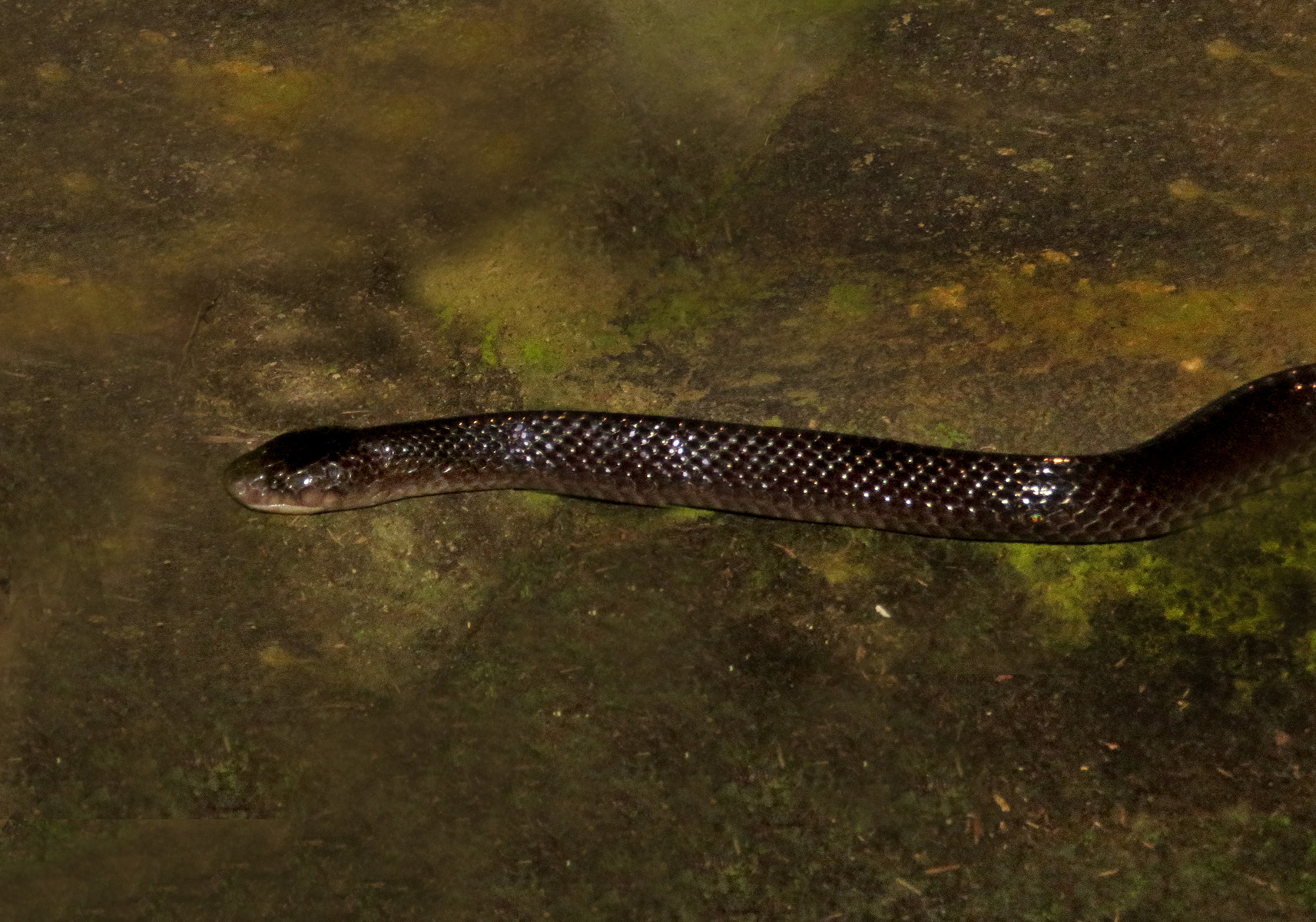
Chordates represent one of the most diverse and ecologically significant animal groups, ranging from relatively simple forms such as tunicates (Urochordata) and lancelets (Cephalochordata) to highly complex vertebrates (Vertebrata), including fishes, amphibians, reptiles, birds, and mammals. They inhabit marine, freshwater, and terrestrial ecosystems worldwide.
Ecologically, chordates play essential roles in food webs and ecosystem balance as predators, herbivores, and omnivores. Many chordate species are also of major importance to humans in terms of ecology, economy, scientific research, and conservation.