Bali Wildlife
Every Spices Matter


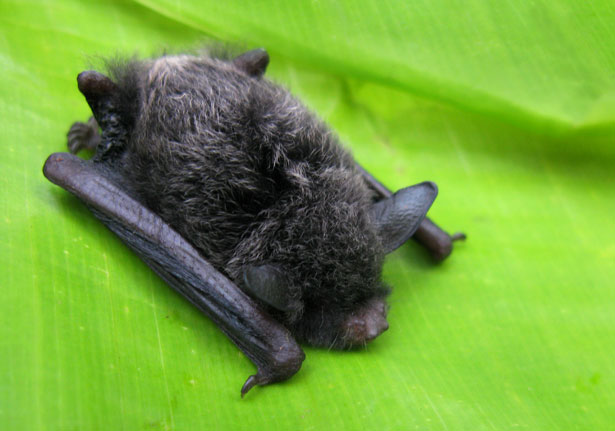
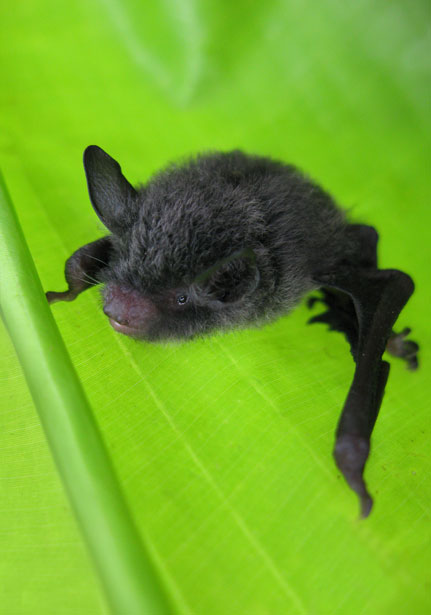
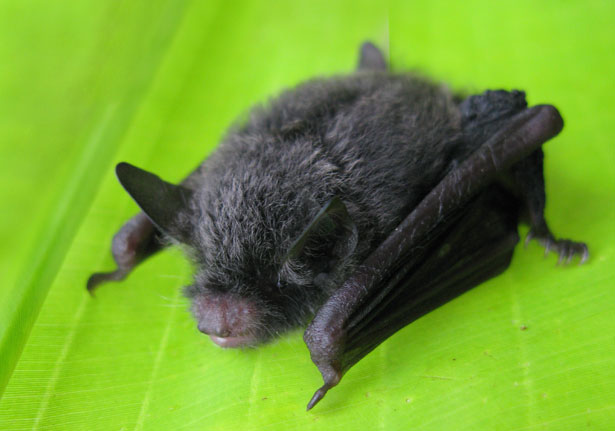
Chiroptera is the order of mammals commonly known as bats, comprising over 1,400 species and representing the second-largest order of mammals after rodents. Members of this order are distributed worldwide, occurring on every continent except Antarctica, and inhabit a wide range of environments including forests, deserts, caves, and urban areas.
Bats are uniquely adapted for powered flight, making them the only mammals capable of sustained flight. Their forelimbs are modified into wings, with elongated fingers supporting a thin membrane of skin called the patagium. The body is typically covered in fur, and the hind limbs are adapted for hanging upside down, a common resting posture.
Chiroptera is traditionally divided into two major groups: Megachiroptera (fruit bats or flying foxes) and Microchiroptera (insectivorous bats and their relatives), although modern classifications use different groupings based on genetics. Many bats rely on echolocation, emitting high-frequency sounds and interpreting the returning echoes to navigate and locate prey in the dark.
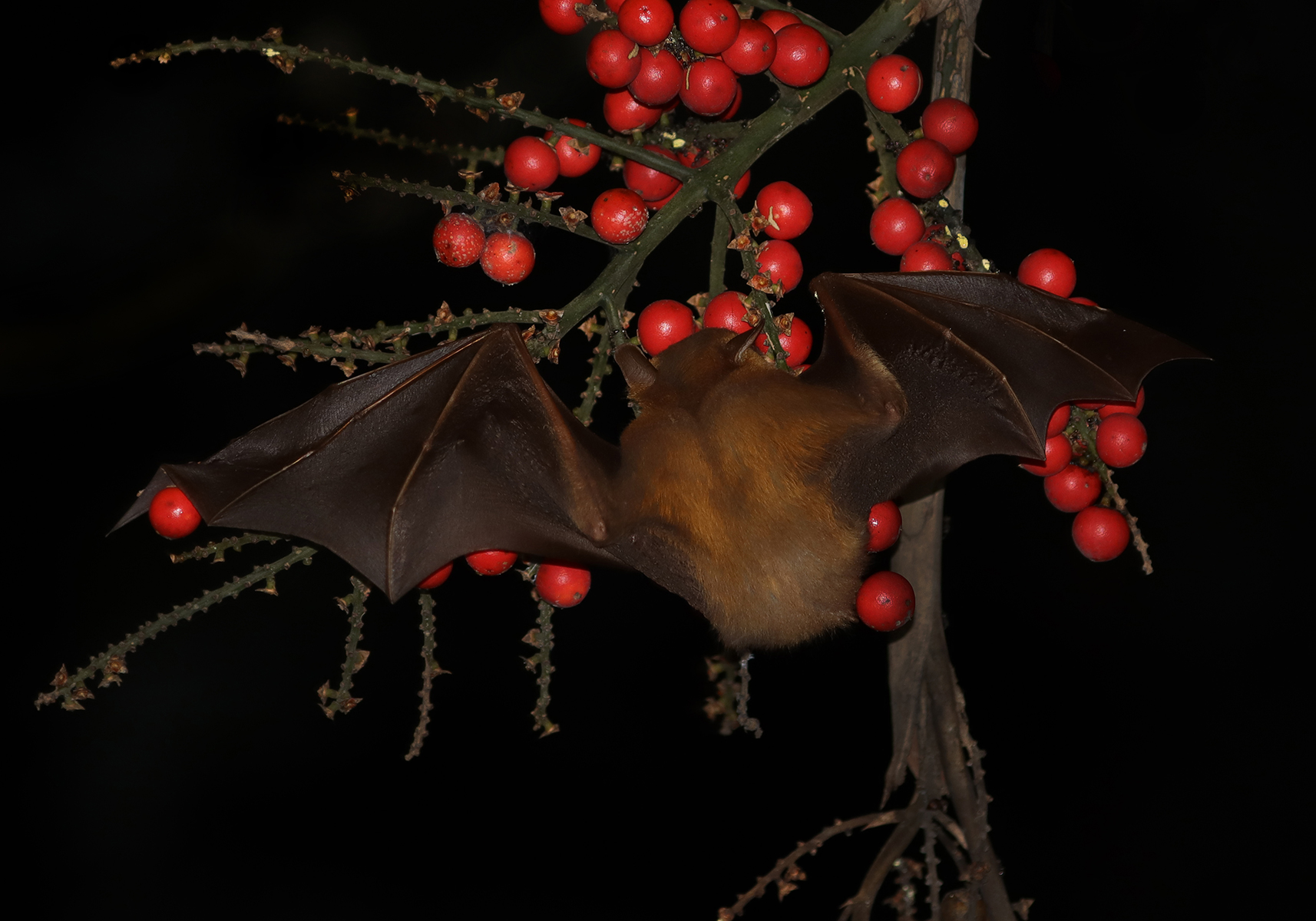
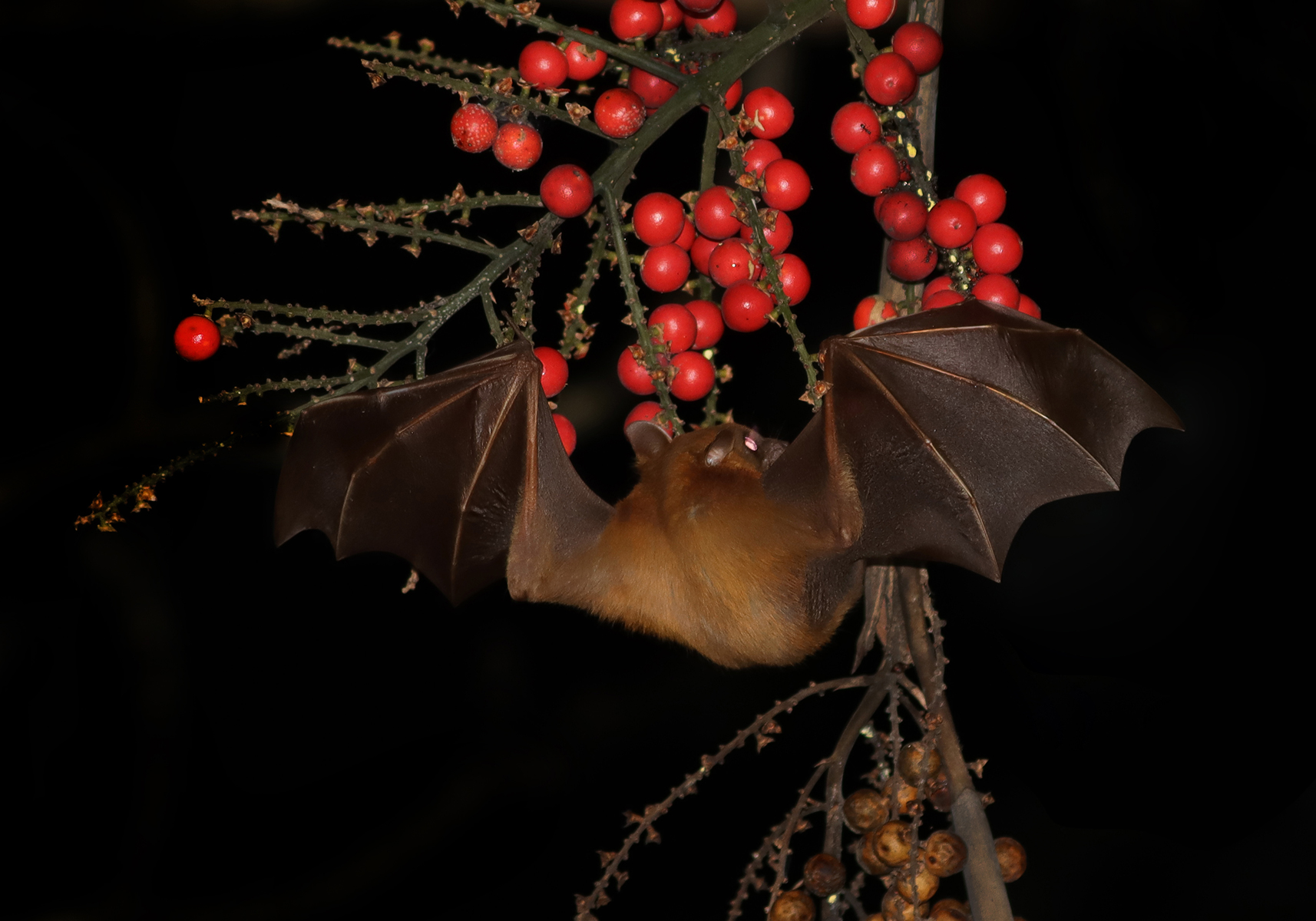
Feeding habits vary widely. Many bats are insectivorous, consuming large quantities of insects and playing a key role in pest control. Others are frugivorous (fruit-eating), nectarivorous (feeding on nectar), carnivorous, or even hematophagous (blood-feeding, in a few specialized species).
The life cycle involves typical mammalian reproduction, with females usually giving birth to one or a few offspring. Young bats are nourished with milk and often cling to the mother or remain in roosts until they can fly.
Bats roost in a variety of locations, including caves, tree hollows, buildings, and foliage. Some species form large colonies, while others are solitary.
Ecologically, Chiroptera plays vital roles in ecosystems. Insectivorous bats help control insect populations, reducing agricultural pests. Fruit- and nectar-feeding bats are important pollinators and seed dispersers, particularly in tropical ecosystems. Despite their ecological importance, many bat species face threats from habitat loss, disease, and human disturbance, making conservation efforts essential for maintaining biodiversity and ecosystem health.