Bali Wildlife
Every Spices Matter


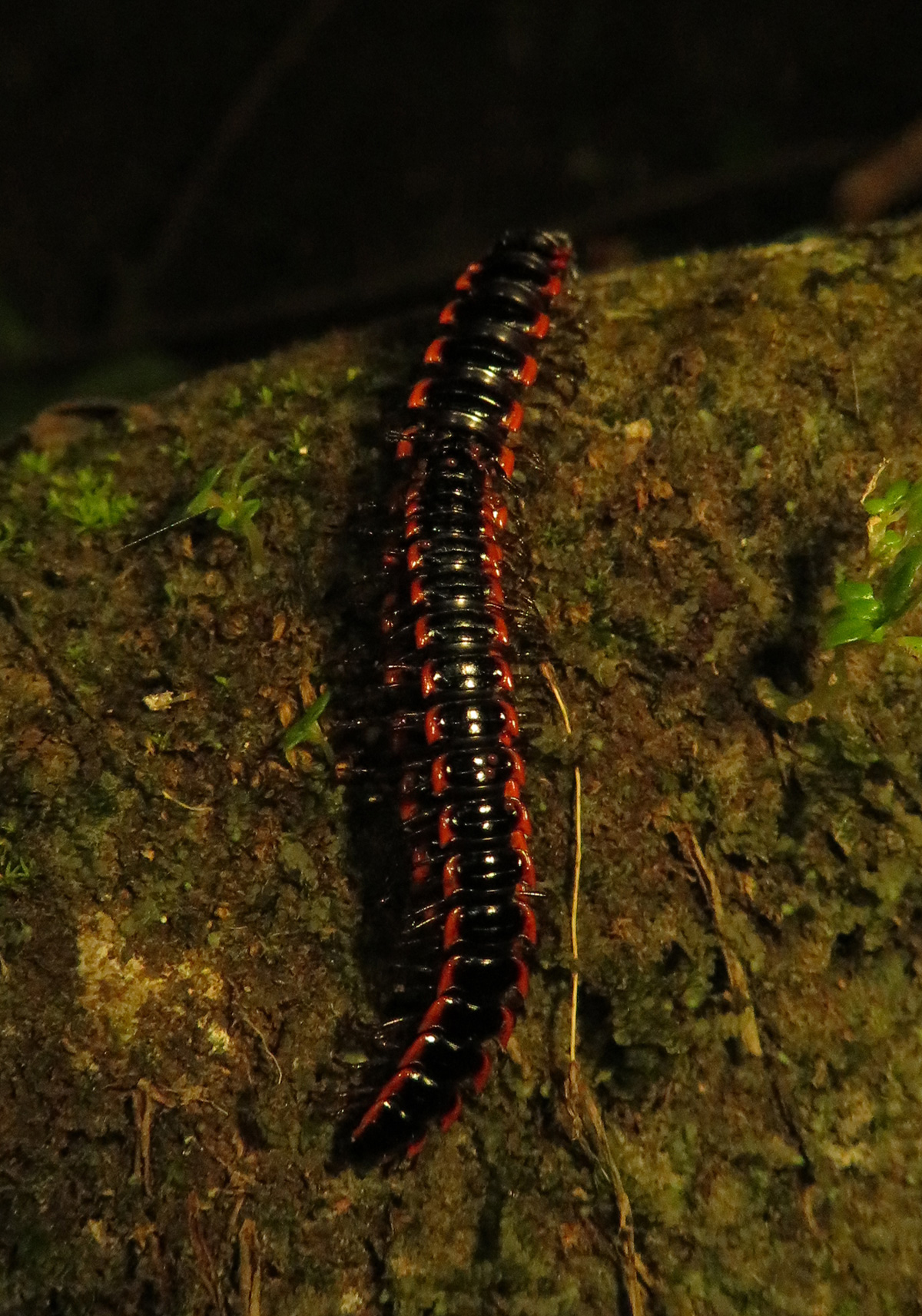
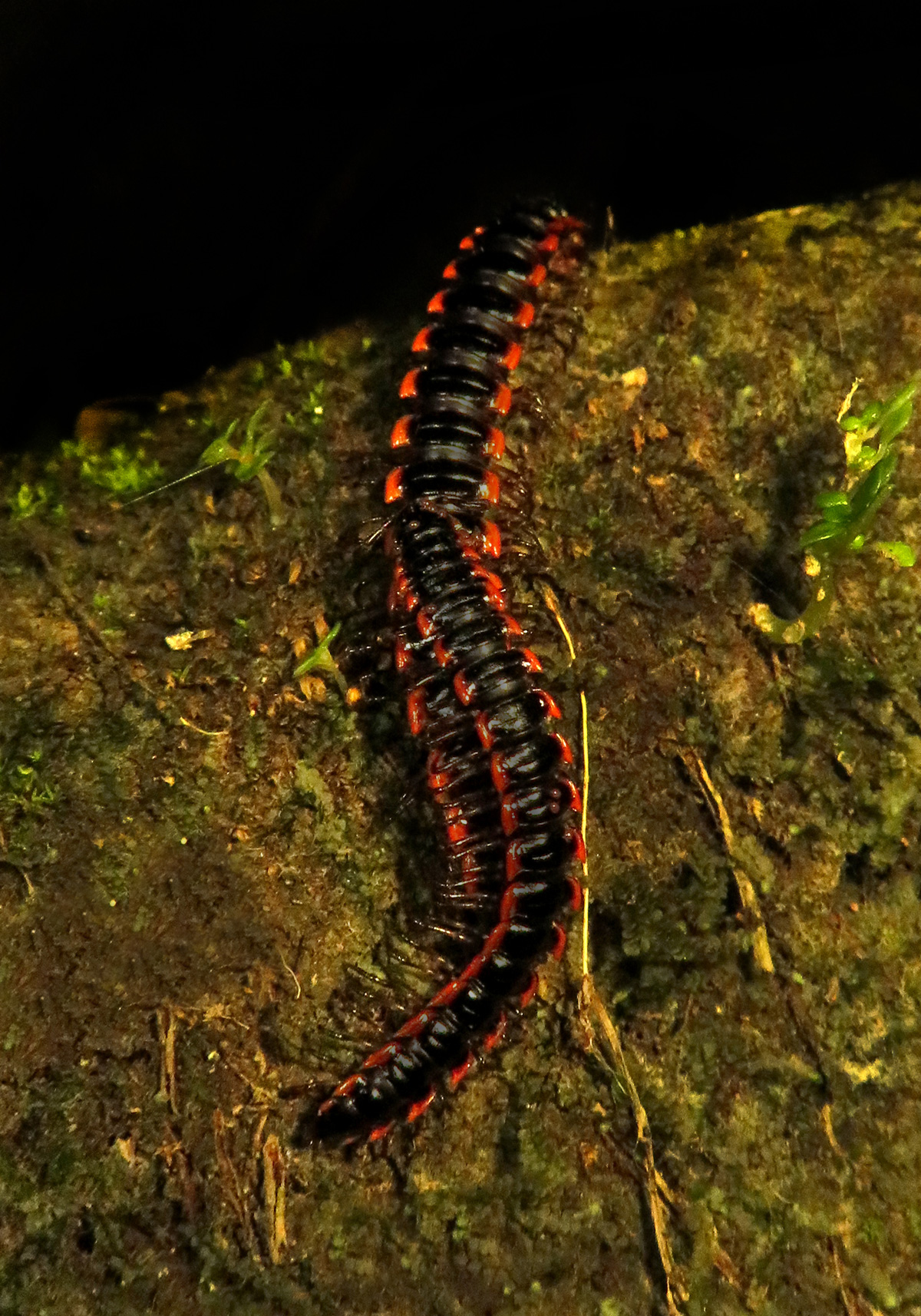
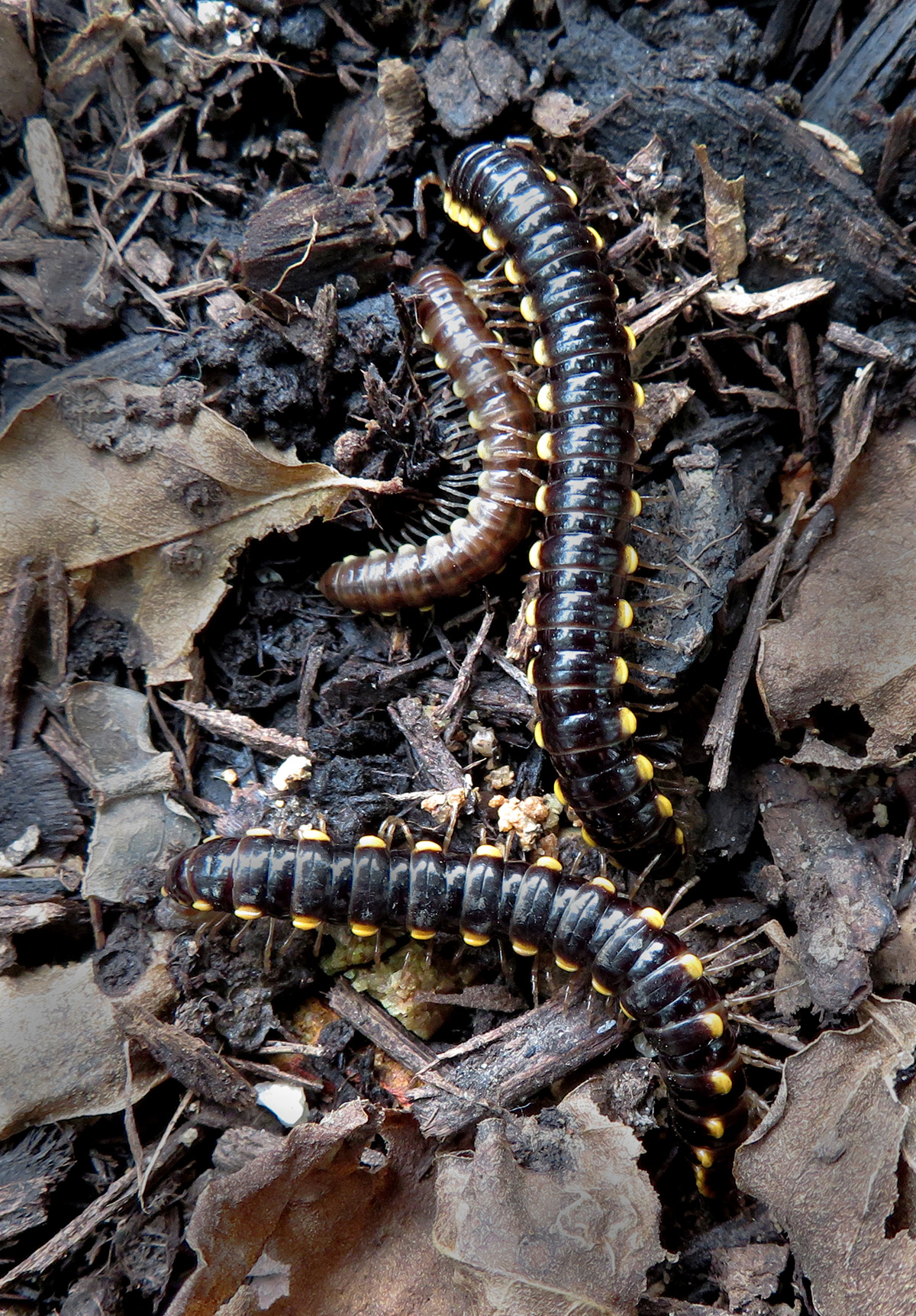
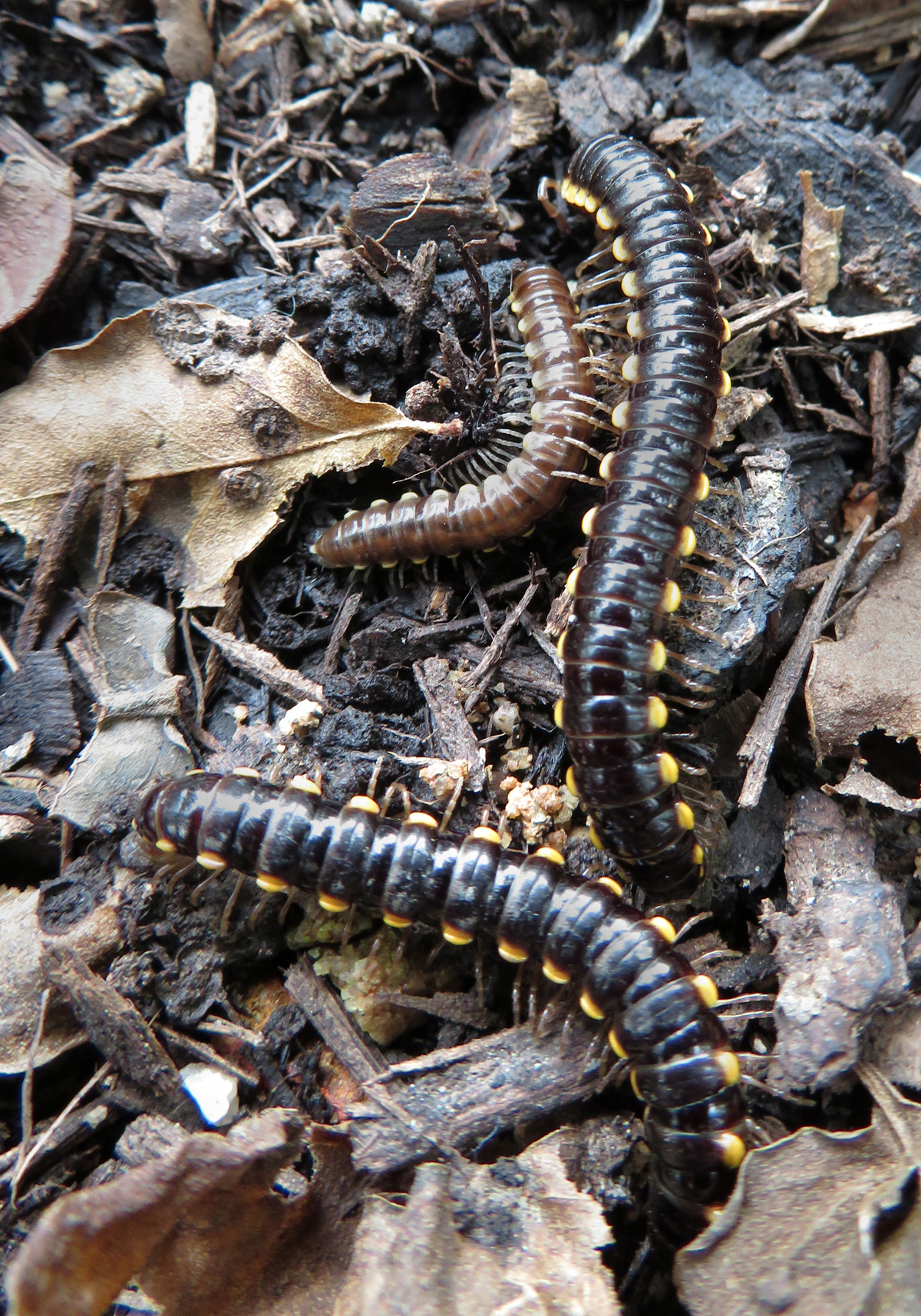
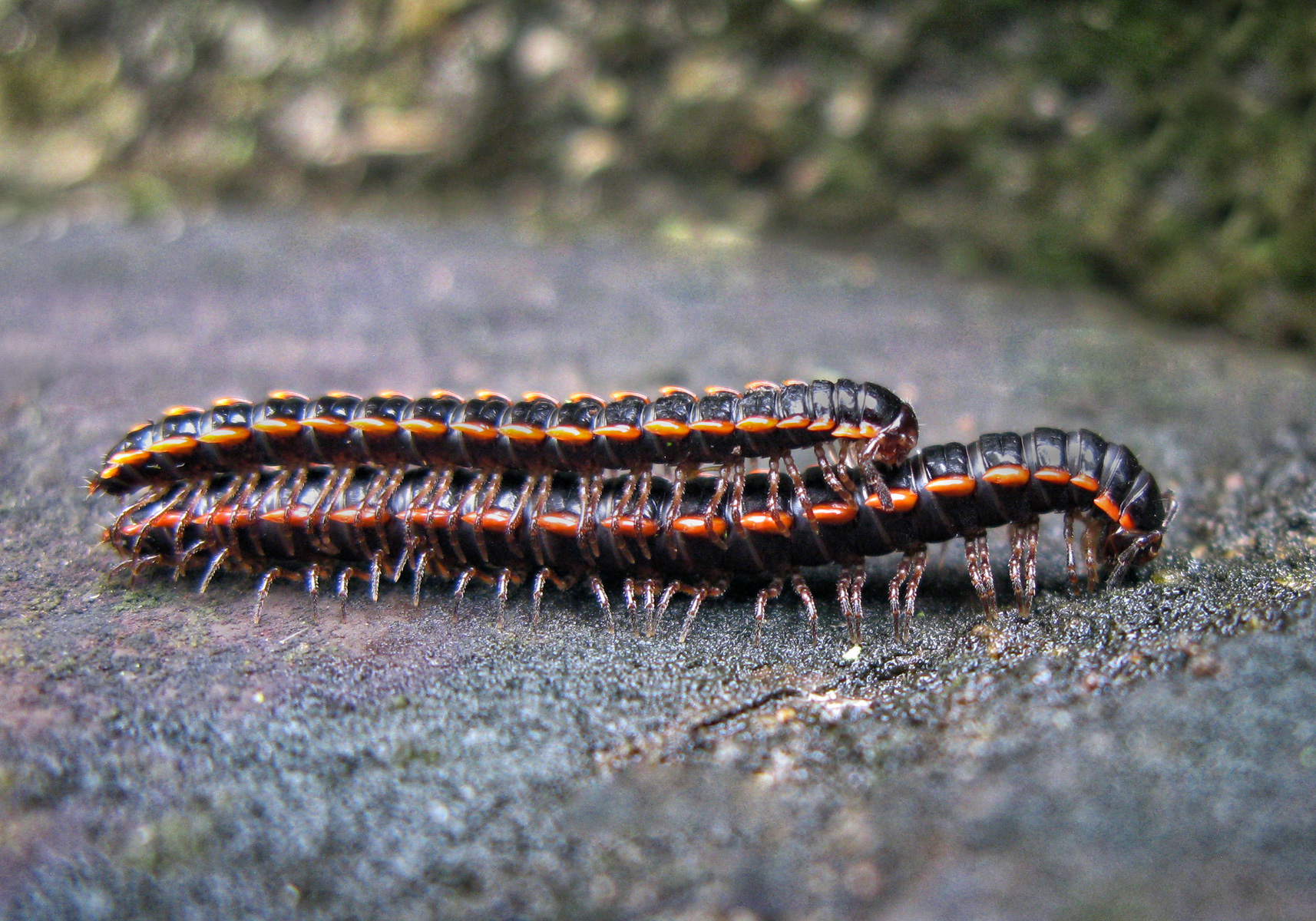
Chilognatha is a subclass within the class Diplopoda (Subphylum Myriapoda, Phylum Arthropoda). It comprises the majority of modern millipedes and includes most of the familiar, well-segmented, and heavily sclerotized forms found in terrestrial ecosystems worldwide.
Members of Chilognatha are characterized by a robust, elongated body with numerous well-defined trunk segments, most of which are diplosegments bearing two pairs of legs. The exoskeleton is typically thickened and often impregnated with calcium salts, providing protection against desiccation and predators.
The head bears a single pair of antennae and mandibulate mouthparts adapted for chewing plant detritus. Eyes, when present, consist of clusters of simple ocelli. Chilognathan millipedes lack venom and move slowly compared to centipedes, relying primarily on physical defenses and chemical secretions for protection.
A key feature of Chilognatha is the presence of repugnatorial (defensive) glands, which open laterally through ozopores on many trunk segments. These glands secrete a variety of defensive chemicals, including quinones and other compounds, which deter predators and may also have antimicrobial properties.
Chilognathan millipedes are primarily detritivorous, feeding on decaying plant material, leaf litter, and wood, although some species may also consume fungi or algae. Their feeding activity contributes significantly to decomposition, soil aeration, and nutrient recycling in terrestrial environments.
Reproduction is sexual, with males possessing specialized legs called gonopods used to transfer sperm to females. Development is anamorphic, with individuals gaining additional segments and legs through successive molts.
Subclass Chilognatha represents the dominant evolutionary radiation of millipedes, distinguished by their heavily armored bodies, chemical defenses, and essential ecological role in terrestrial ecosystems.