Bali Wildlife
Every Spices Matter


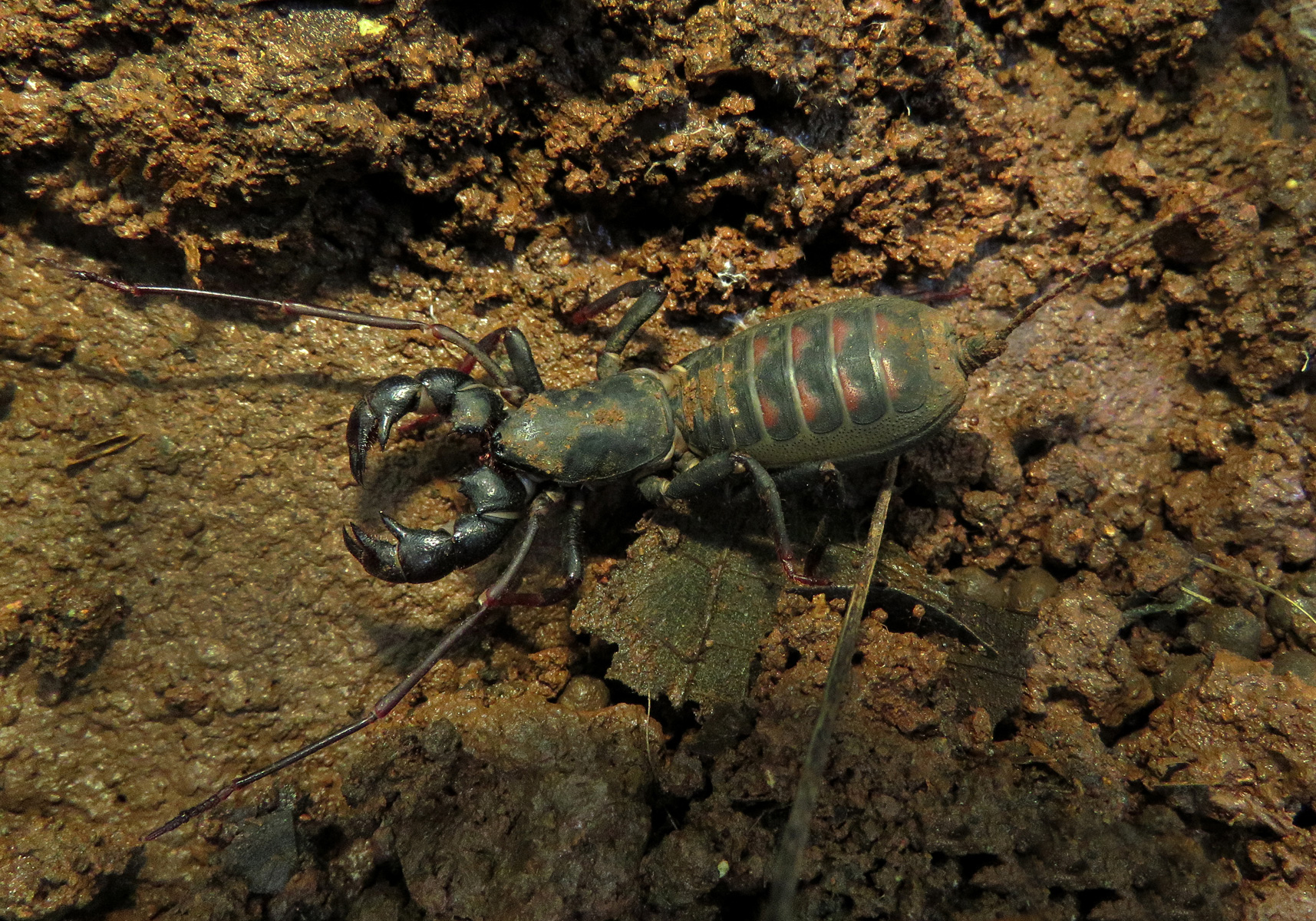
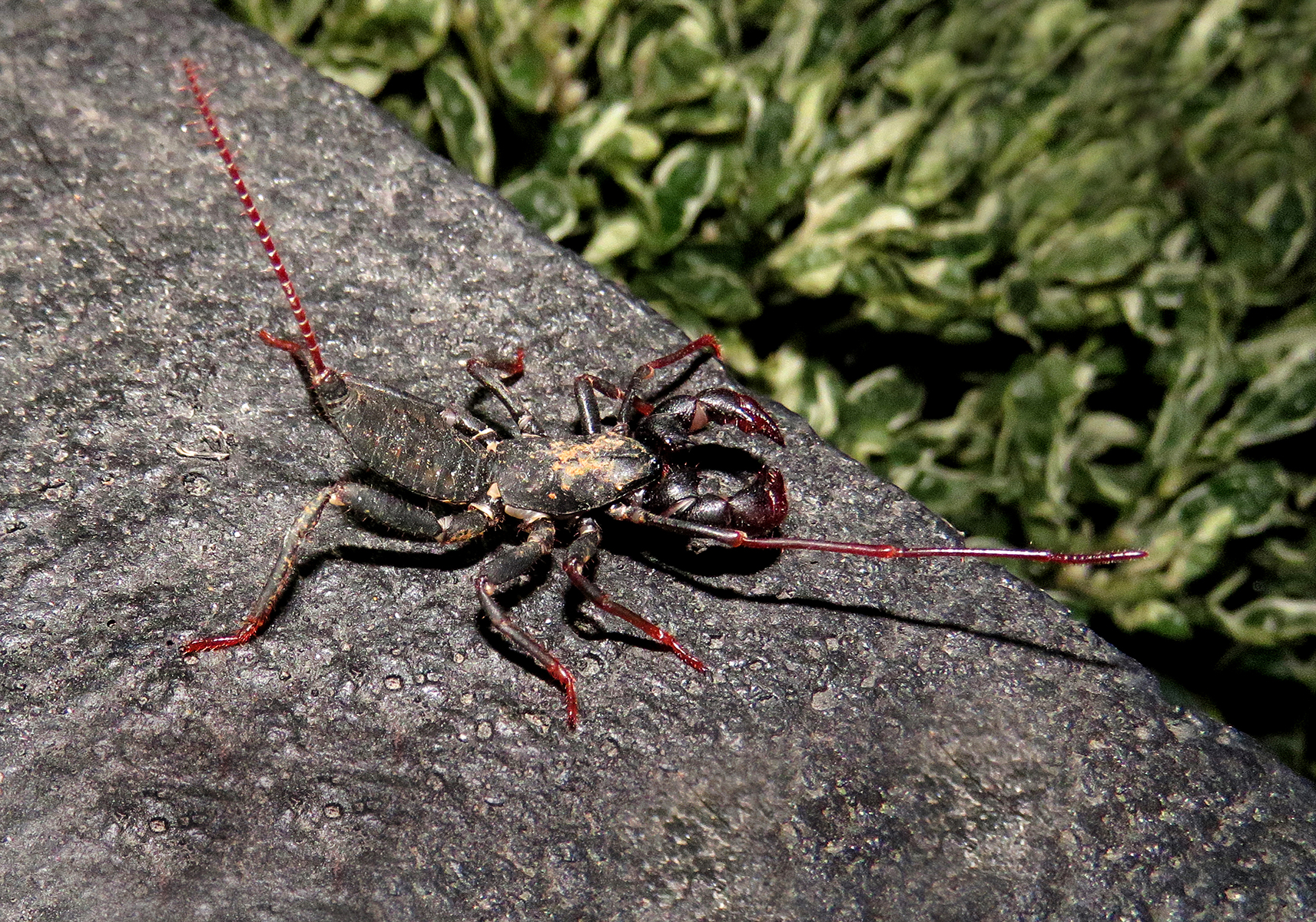
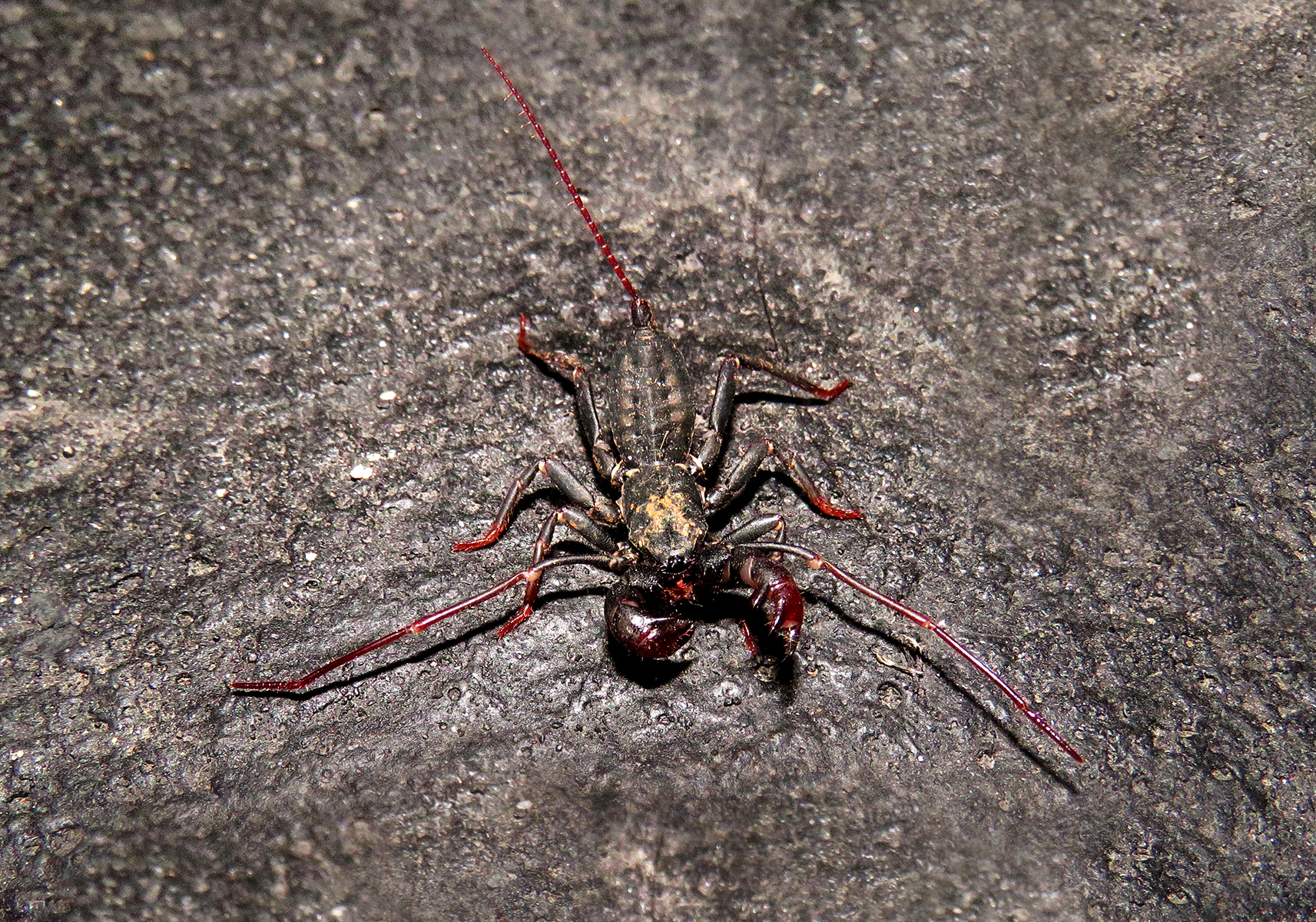
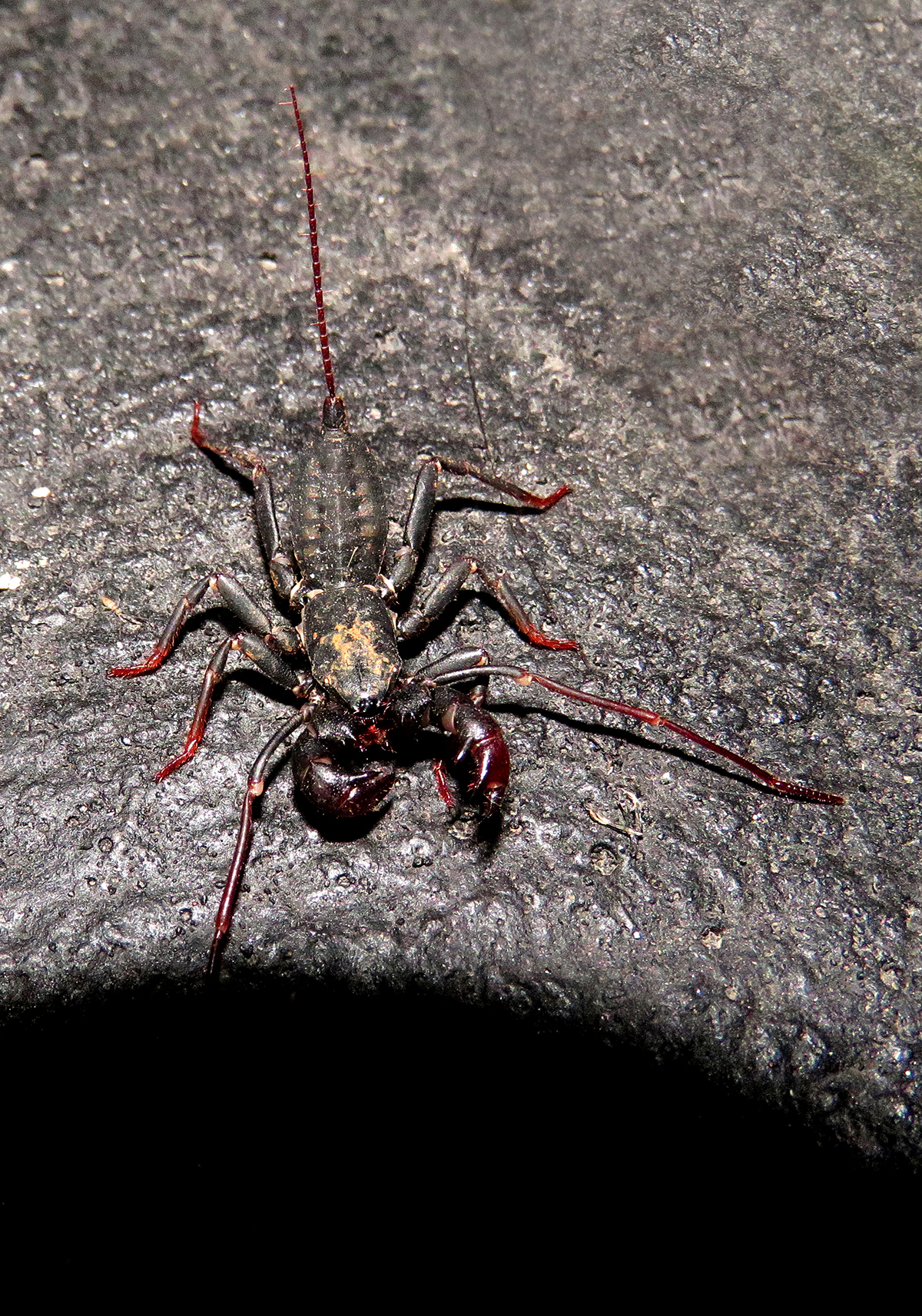
Chelicerata is a major subphylum of Arthropoda that includes spiders, scorpions, mites, ticks, harvestmen, horseshoe crabs, and several extinct groups. Members of this subphylum have a wide distribution, occupying nearly all terrestrial environments as well as freshwater and marine habitats. Chelicerates represent one of the earliest and most distinctive evolutionary lineages of arthropods.
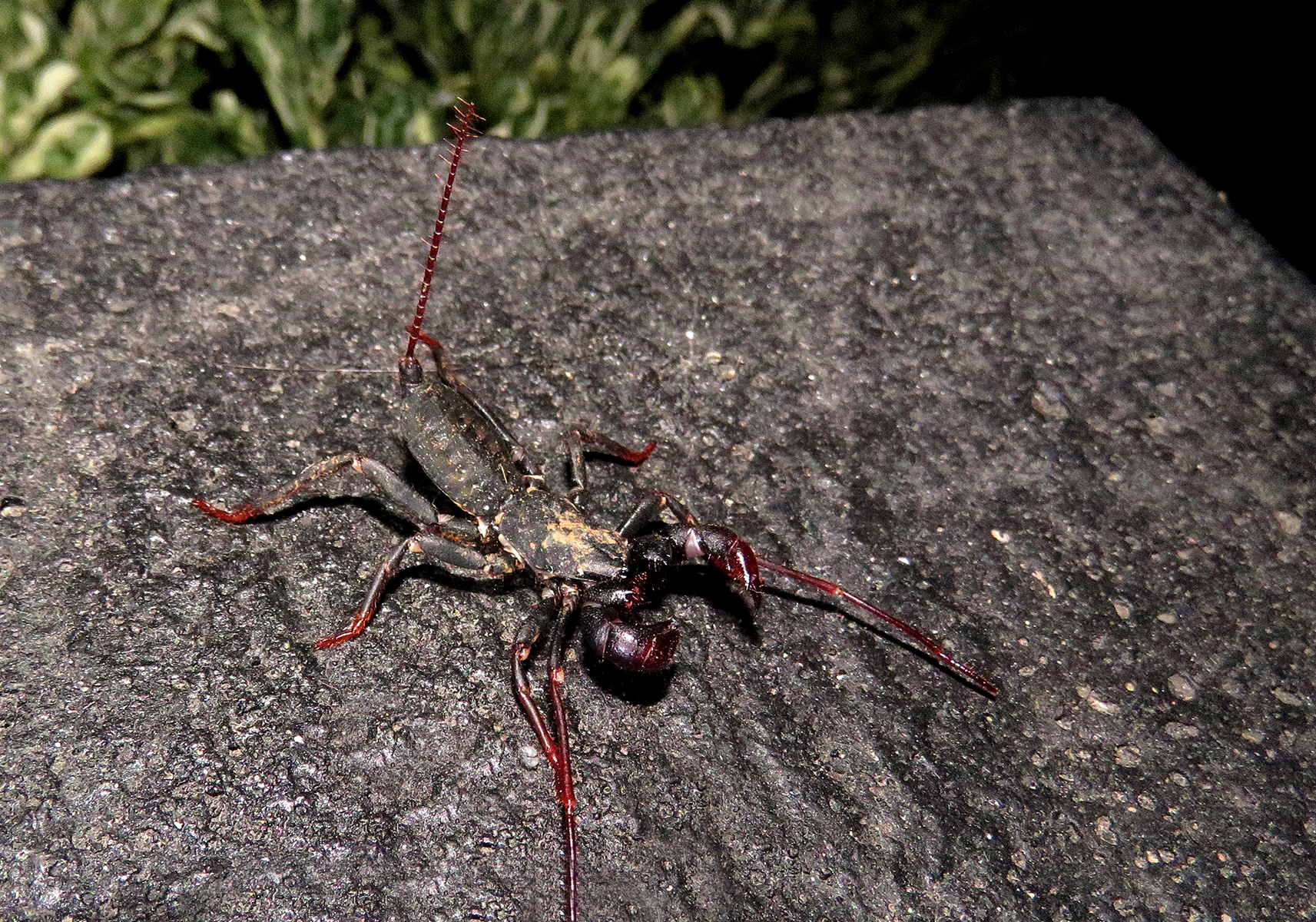
Chelicerates are characterized by a body divided into two primary regions: the prosoma (cephalothorax) and the opisthosoma (abdomen). Unlike insects and crustaceans, they lack antennae and mandibles. Instead, the first pair of appendages are chelicerae, which are used for feeding, grasping, piercing, or injecting venom, depending on the group. The second pair of appendages are pedipalps, which may function in sensory perception, prey handling, or reproduction. The remaining appendages are typically four pairs of walking legs.
Respiratory structures vary among chelicerates and include book lungs, tracheae, book gills, or combinations of these, reflecting adaptation to different environments. Sensory systems are well developed in many groups, with simple eyes (ocelli) being more common than compound eyes.
Chelicerates exhibit diverse life histories and developmental patterns. Most terrestrial forms undergo direct development or simple metamorphosis, while marine forms such as horseshoe crabs have larval stages. Reproductive strategies range from egg-laying to live-bearing, and in some groups complex courtship behaviors are observed.
Ecologically, Chelicerata play crucial roles in ecosystems. Many species are predators that regulate populations of insects and other invertebrates, while others are scavengers, parasites, or detritivores. Some, such as ticks and mites, have significant medical and veterinary importance, whereas others, like spiders and scorpions, are key components of natural food webs. The subphylum Chelicerata is notable for its evolutionary diversity, ecological significance, and wide array of specialized morphological adaptations.