

Chalcidoid Wasps (Superfamily Chalcidoidea)
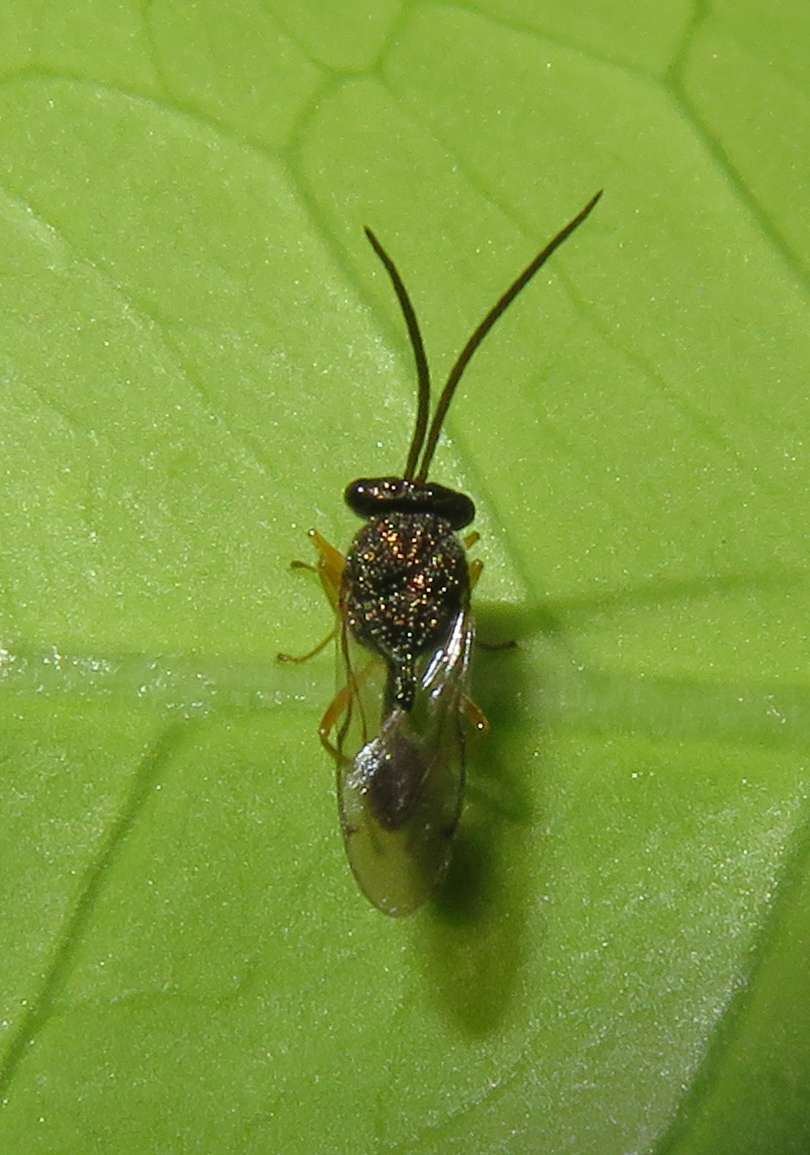
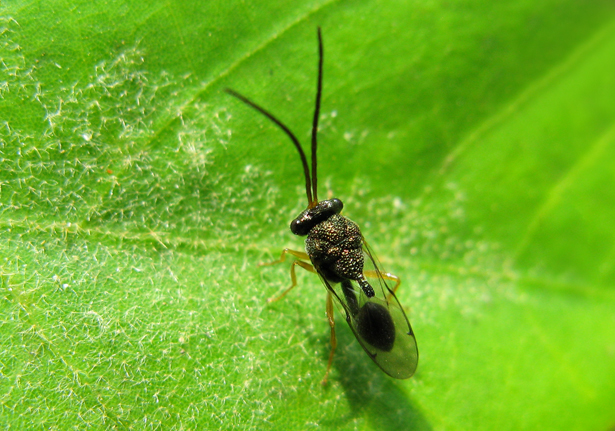
Chalcidoidea is an exceptionally diverse superfamily within the infraorder Proctotrupomorpha (Order Hymenoptera), comprising thousands of species of tiny parasitoid wasps commonly known as chalcid wasps. Members of this superfamily are distributed worldwide and occur in nearly all terrestrial habitats, from forests and grasslands to agricultural fields and urban environments.
Chalcidoid wasps are typically very small, often only a few millimeters in length, though some species may be larger. They usually have a compact body, often with a metallic sheen in colors such as green, blue, or bronze. The head is relatively large with prominent compound eyes and short to moderately long antennae. Wings are membranous and may be reduced or absent in some species.
A defining characteristic of Chalcidoidea is their parasitoid lifestyle. Most species lay their eggs in or on other arthropods, including insects such as caterpillars, beetles, flies, aphids, and even other parasitoids. Some species attack eggs, while others target larvae or pupae. The developing larvae feed on the host, eventually killing it.
The life cycle involves complete metamorphosis. Females use their ovipositor to locate and deposit eggs into suitable hosts, often guided by chemical cues. Many species are highly specialized, targeting specific hosts or host stages, while others have broader host ranges.
In addition to parasitoid species, some chalcidoids are phytophagous (feeding on plants) or act as gall formers, and a few are hyperparasitoids, parasitizing other parasitoids.
The superfamily includes numerous families, such as Encyrtidae, Eulophidae, Pteromalidae, Trichogrammatidae, and others, each with distinct ecological roles and adaptations.
Ecologically, Chalcidoidea plays a crucial role in controlling populations of other insects, particularly herbivorous and pest species. Many species are widely used in biological control programs in agriculture due to their effectiveness in reducing pest populations. Their immense diversity and ecological significance make them one of the most important groups of parasitoid insects in terrestrial ecosystems.