

Cercopithecines (Subfamily Cercopithecinae)

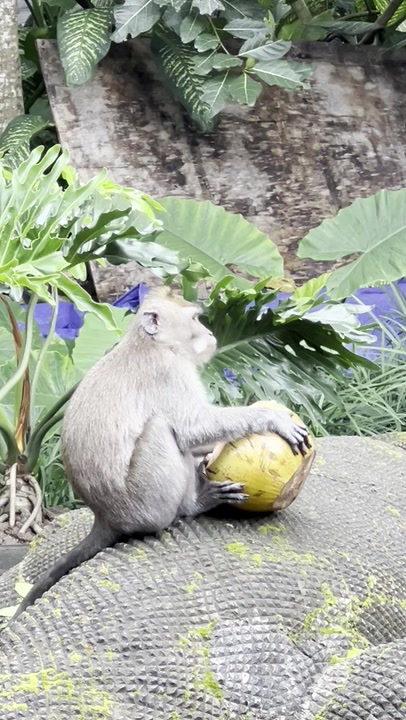
The subfamily Cercopithecinae comprises a diverse group of Old World monkeys within the family Cercopithecidae. They are found mainly across sub-Saharan Africa and southern and Southeast Asia, occupying tropical forests, woodland, savannas, mountains, wetlands, and increasingly human-modified environments. Unlike their relatives in Colobinae, cercopithecines generally have relatively simple digestive systems and tend to be omnivorous or opportunistic feeders.
Cercopithecinae is one of the two major subfamilies of Cercopithecidae, the other being Colobinae. The group contains several major evolutionary lineages, including Cercopithecini, the guenons and their relatives, and Papionini, which includes macaques, baboons, mangabeys, geladas, and several closely related genera. Classification within some of these groups has changed as molecular studies have clarified relationships.
Cercopithecines generally possess forward-facing eyes, grasping hands and feet, relatively large brains, and downward-facing nostrils typical of catarrhine primates. Most species have tails, although tail length varies greatly. Their bodies are usually more robust than those of many colobine monkeys, particularly in terrestrial forms such as baboons. Their fur can be brown, gray, black, reddish, or multicolored, and many species have distinctive facial patterns.
Body size varies substantially. Small guenons may weigh only a few kilograms, whereas male baboons can become considerably larger. Macaques occupy much of the intermediate range. This variation corresponds with their diverse lifestyles: some species are agile canopy dwellers, while others spend much of their time on the ground.
Many cercopithecines are highly social. Species such as macaques, baboons, vervet monkeys, and guenons commonly live in groups containing multiple adults and juveniles. Social interactions include grooming, play, aggression, reconciliation, vocal communication, and coordinated movement. Dominance relationships can be complex, with rank influencing access to food, mates, and preferred resting sites.
Their diets are generally flexible. Fruits, seeds, leaves, flowers, fungi, insects, eggs, and small vertebrates may all contribute to the diet depending on the species and habitat. Macaques and baboons are particularly adaptable feeders, while many guenons specialize to varying degrees in fruit, foliage, or insects. This dietary flexibility allows several species to survive in seasonally changing environments.
Cercopithecines exhibit diverse locomotor strategies. Forest species such as guenons move through the canopy by climbing, leaping, and quadrupedal running, while baboons and geladas are predominantly terrestrial. Macaques can be both arboreal and terrestrial, depending on species and habitat. Some macaques have also become proficient swimmers and occupy coastal, riverine, or mangrove environments.
Reproduction usually involves a relatively long gestation followed by the birth of a single infant. Mothers provide intensive care, and infants develop gradually while learning feeding techniques, communication, and social behavior from older individuals. In many species, males compete for access to females, but mating systems vary considerably among genera and populations.
The subfamily contains several distinctive genera. Cercopithecus includes numerous forest-dwelling guenons, many of which have striking facial markings. Macaca is one of the most geographically widespread primate genera, extending from North Africa and Gibraltar through South and Southeast Asia. Papio contains the baboons, highly terrestrial monkeys of African savannas and woodlands, while Theropithecus contains the grass-eating gelada of the Ethiopian highlands.
Other notable cercopithecines include Mandrillus, represented by the mandrill and drill, which possess exceptionally colorful facial and rump markings; Chlorocebus, containing vervet monkeys and relatives; and several mangabey lineages, including Lophocebus, Cercocebus, and related genera. These groups illustrate the broad ecological and morphological diversity that evolved within Cercopithecinae.
Cercopithecines have important ecological functions. Fruit-eating species contribute to seed dispersal, while species consuming insects and other animals participate in controlling invertebrate populations. Terrestrial species can disturb soil and vegetation while foraging, and their movements may redistribute seeds and nutrients. They are also prey for large carnivores and raptors in parts of their range.
Their adaptability has produced both ecological and human interactions. Some macaques and baboons readily exploit agricultural areas, villages, temples, and urban environments, sometimes creating conflicts with people. At the same time, many forest-dependent cercopithecines are threatened by deforestation, hunting, habitat fragmentation, disease, and wildlife trade. Several species have restricted distributions and are particularly vulnerable to continued habitat loss.
Overall, Cercopithecinae represents one of the most diverse radiations of Old World monkeys, combining forest specialists, savanna dwellers, mountain grazers, and highly adaptable generalists. Its members demonstrate extensive variation in diet, locomotion, social organization, and habitat use while sharing the characteristic anatomical and behavioral foundations of cercopithecine primates.