Bali Wildlife
Every Spices Matter


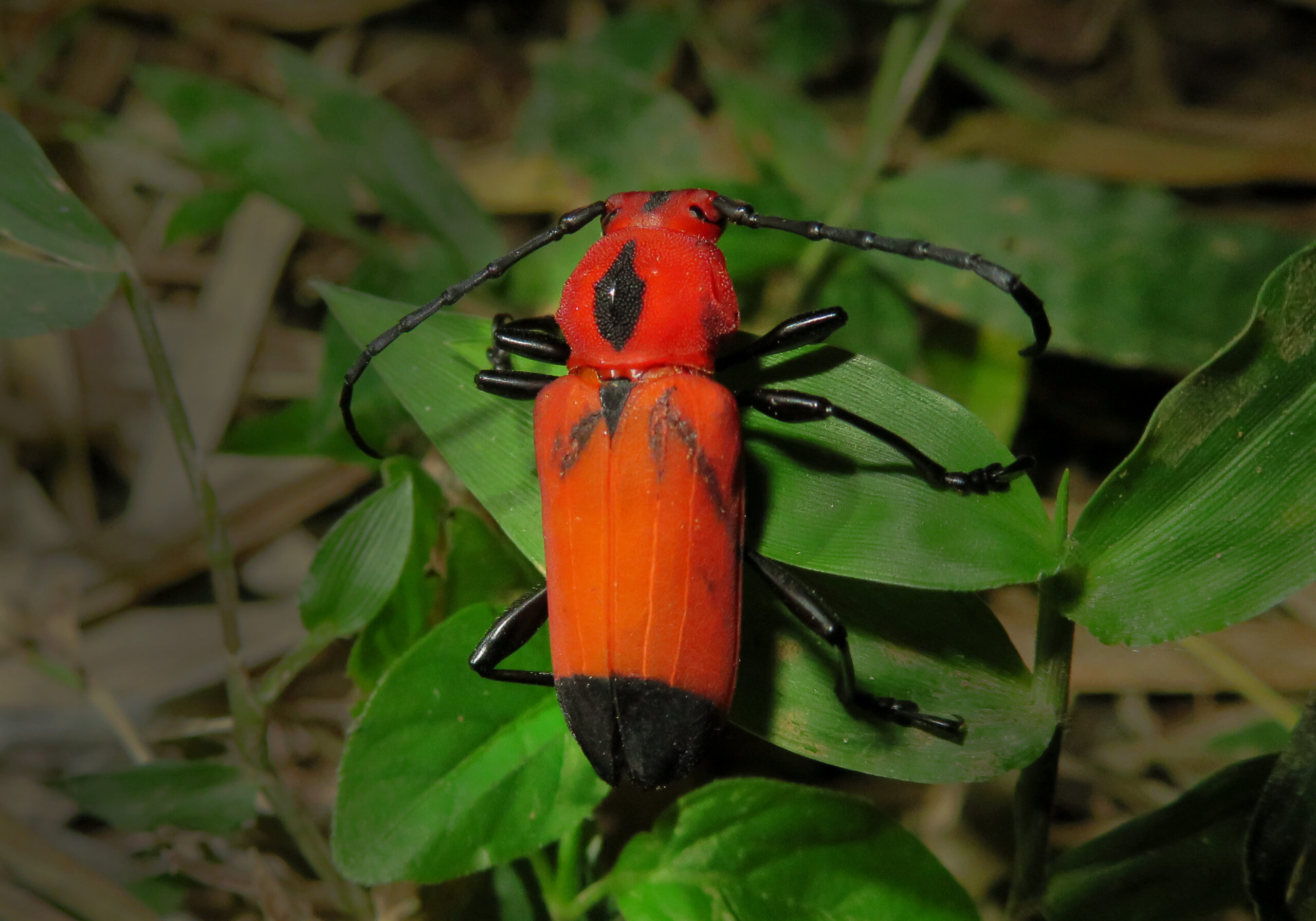
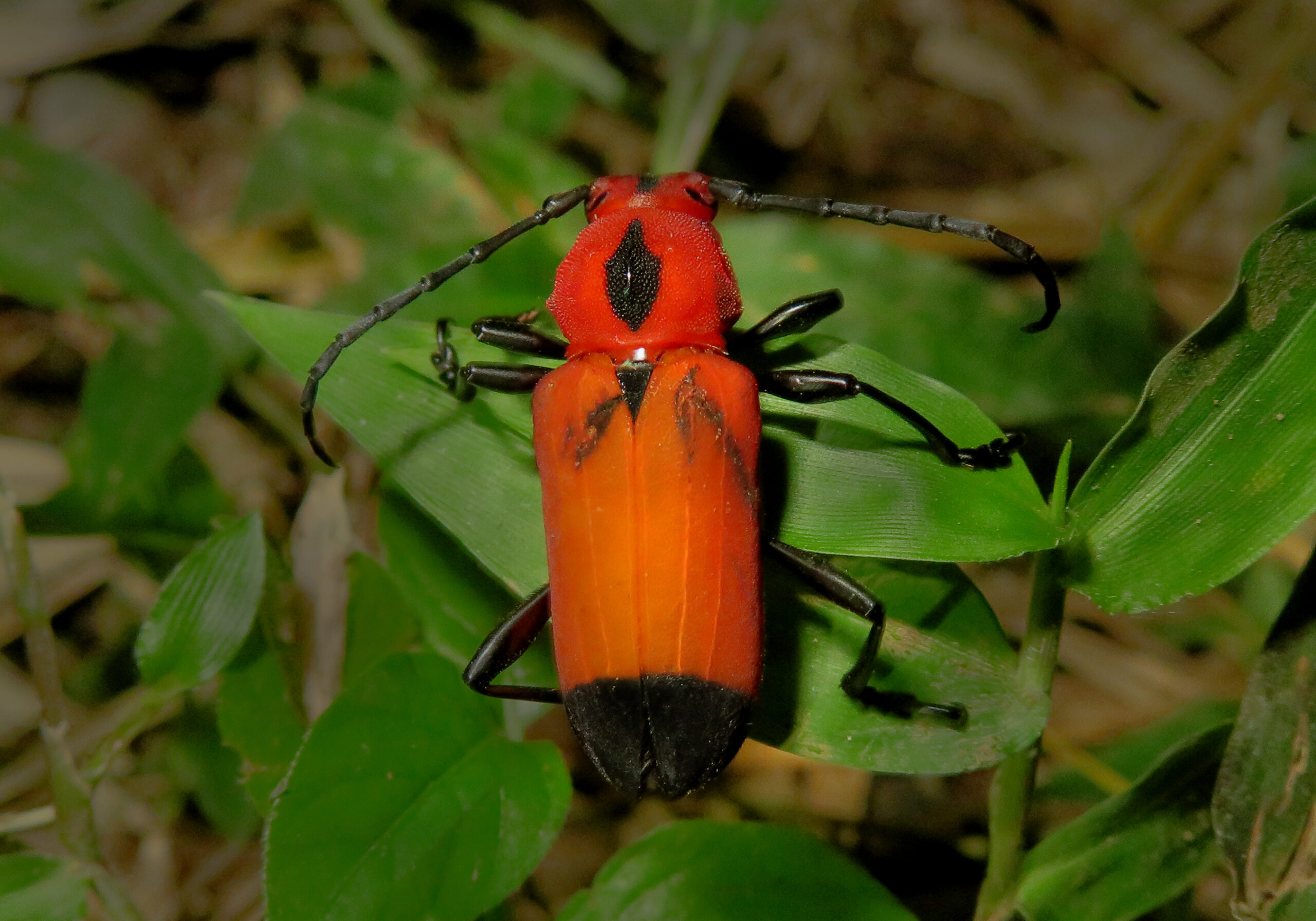
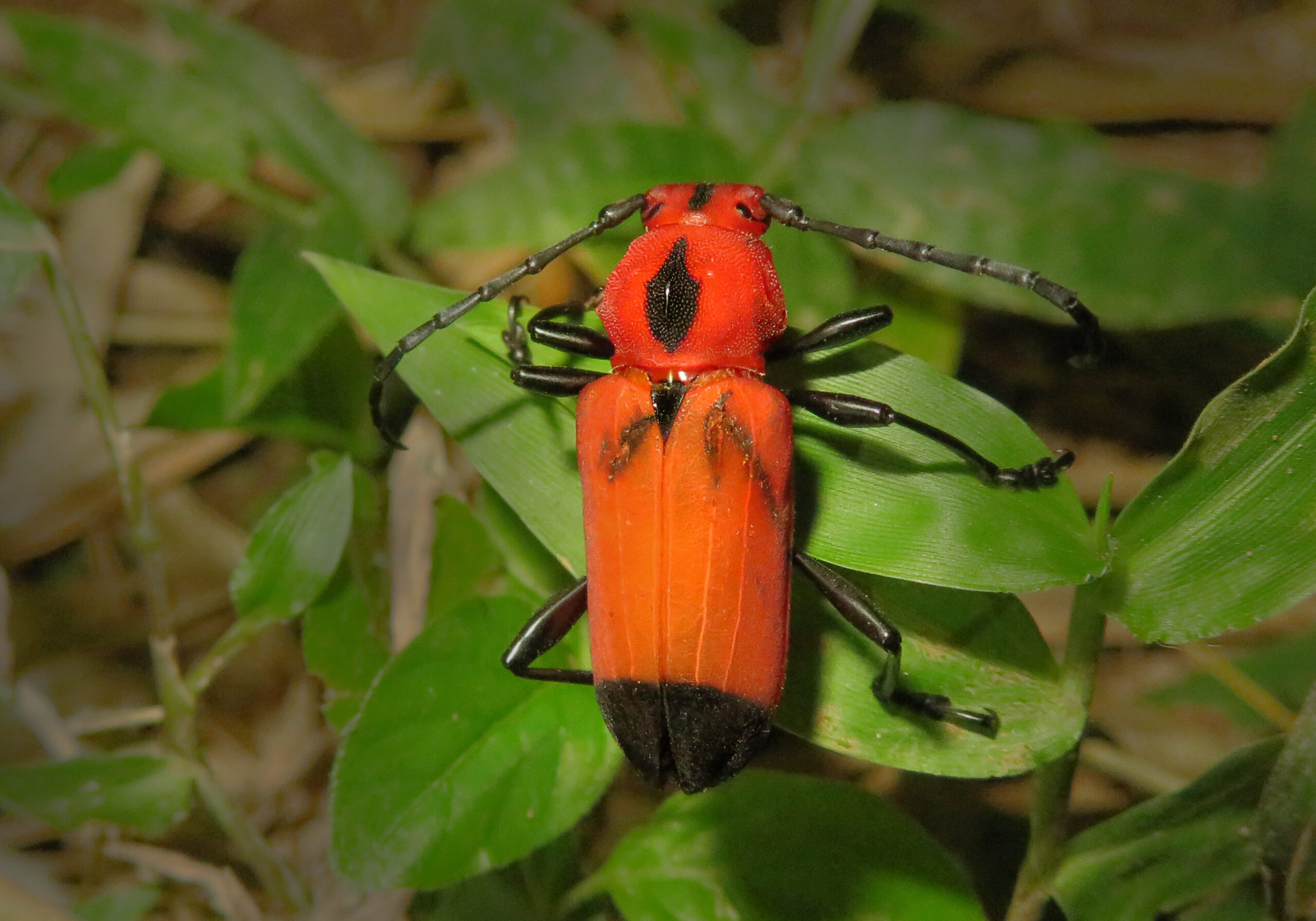
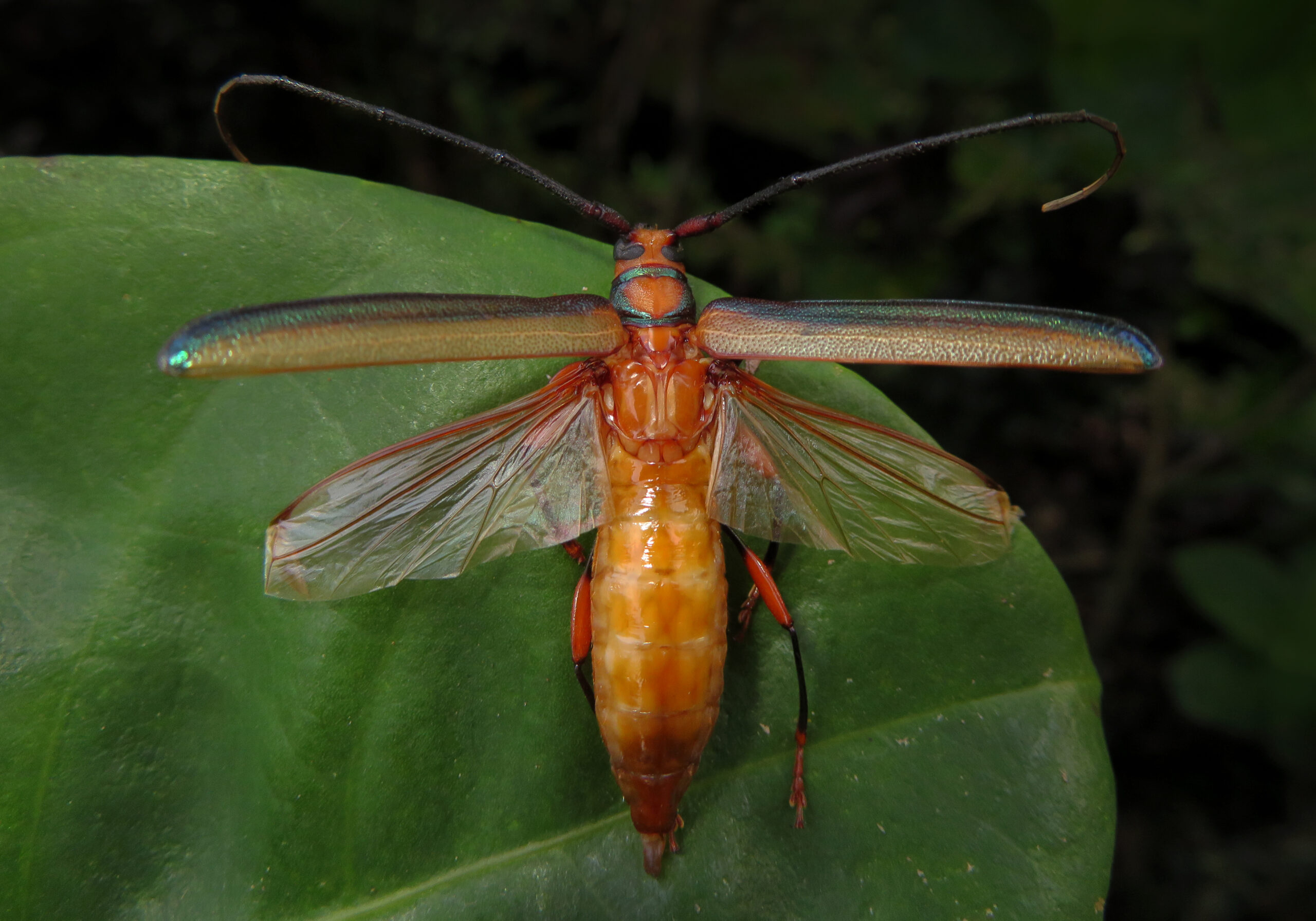
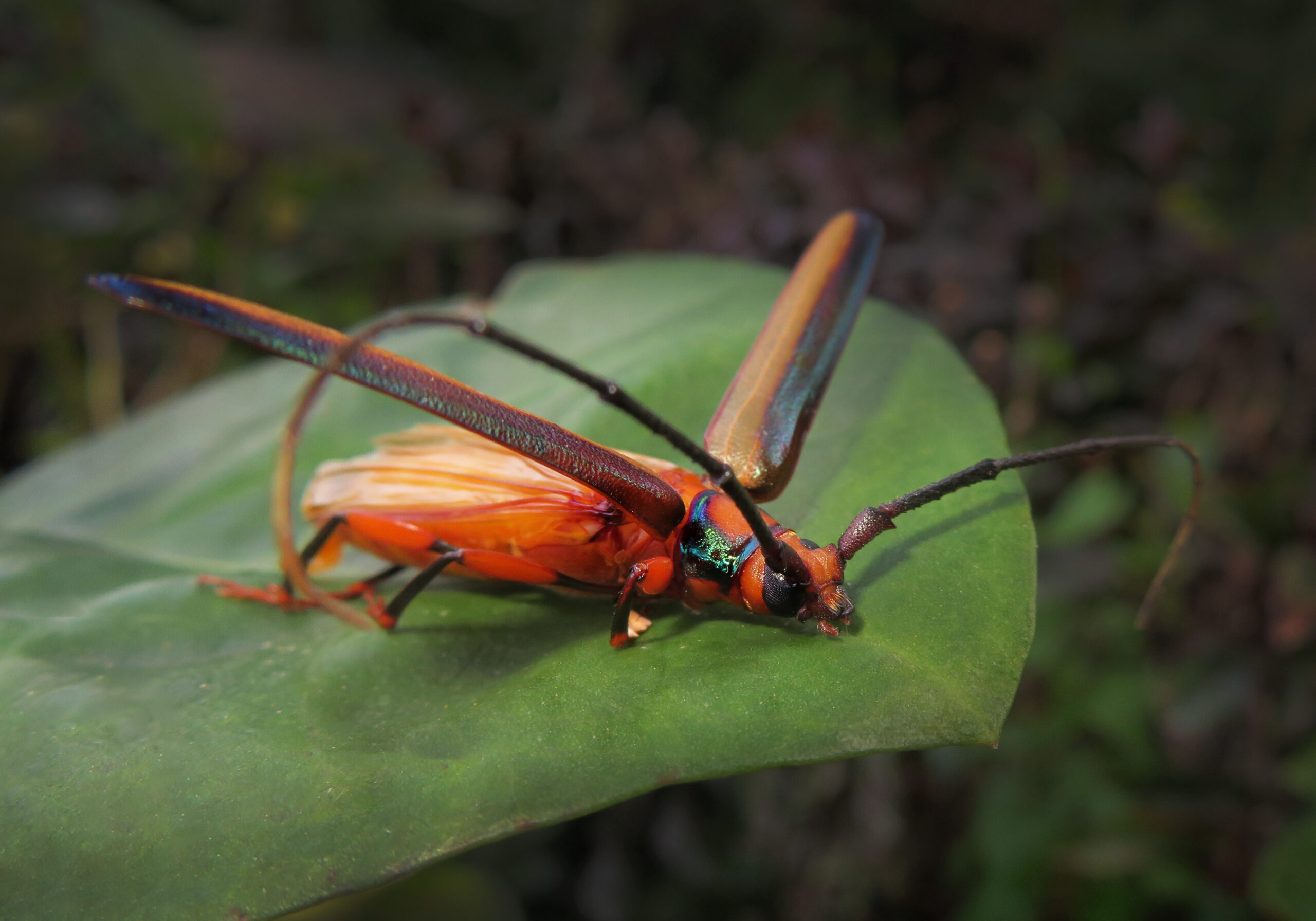
Cerambycinae is one of the largest and most diverse subfamilies of longhorn beetles within the family Cerambycidae (Order Coleoptera). Comprising more than 12,000 described species, members of this subfamily are distributed worldwide, with the greatest diversity occurring in tropical and subtropical regions. They inhabit forests, woodlands, savannas, grasslands, plantations, orchards, and urban parks, where they are closely associated with woody plants.
Beetles of the subfamily Cerambycinae are generally small to large in size and are characterized by an elongated body and exceptionally long, segmented antennae, which may equal or exceed the body length, particularly in males. The body shape and coloration are highly variable among species, ranging from slender to robust forms and from cryptic brown, gray, and black patterns to vivid metallic green, blue, yellow, red, or orange. Many species closely resemble ants, wasps, or bees, providing protection through mimicry.
Adults possess strong chewing mouthparts and are often active on flowers, tree trunks, or freshly cut wood. Many species feed on nectar, pollen, tree sap, or bark, while some feed little or not at all during their relatively short adult lifespan. Most are active during the day, although numerous species are nocturnal and are attracted to lights.
The life cycle involves complete metamorphosis, consisting of egg, larva, pupa, and adult stages. Females lay eggs in cracks or crevices of bark or exposed wood. The larvae, commonly known as round-headed wood borers, are creamy-white, legless grubs that tunnel through dead, dying, or occasionally living wood. Larval development may last from several months to several years, depending on the species, host plant, and environmental conditions. Pupation takes place within the wood before the adult emerges through a characteristic exit hole.
The subfamily includes numerous tribes and genera, such as Batocera, Xystrocera, Rosalia, Purpuricenus, Aeolesthes, and Anoplophora, representing a remarkable diversity of ecological adaptations and host associations. While many species contribute to the decomposition of dead wood, some are important forestry and agricultural pests because they attack timber, fruit trees, or ornamental plants.
Ecologically, Cerambycinae beetles play a crucial role in forest ecosystems by accelerating wood decomposition, promoting nutrient cycling, and creating habitats for other organisms through their larval tunnels. Adults often contribute to pollination while visiting flowers and serve as prey for birds, reptiles, mammals, spiders, and predatory insects. Their diversity, ecological importance, and sensitivity to forest conditions make Cerambycinae valuable indicators of forest health and biodiversity.