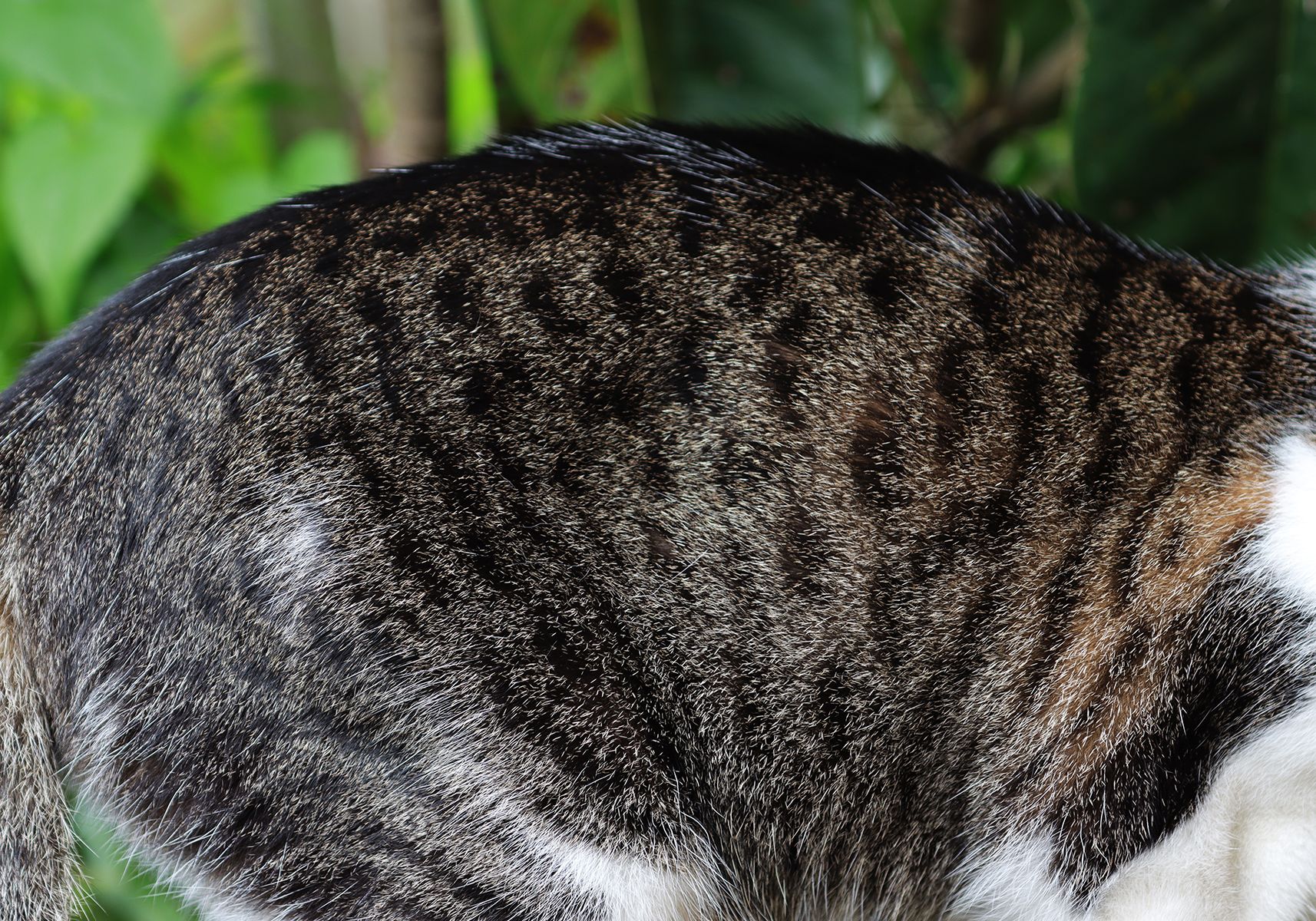
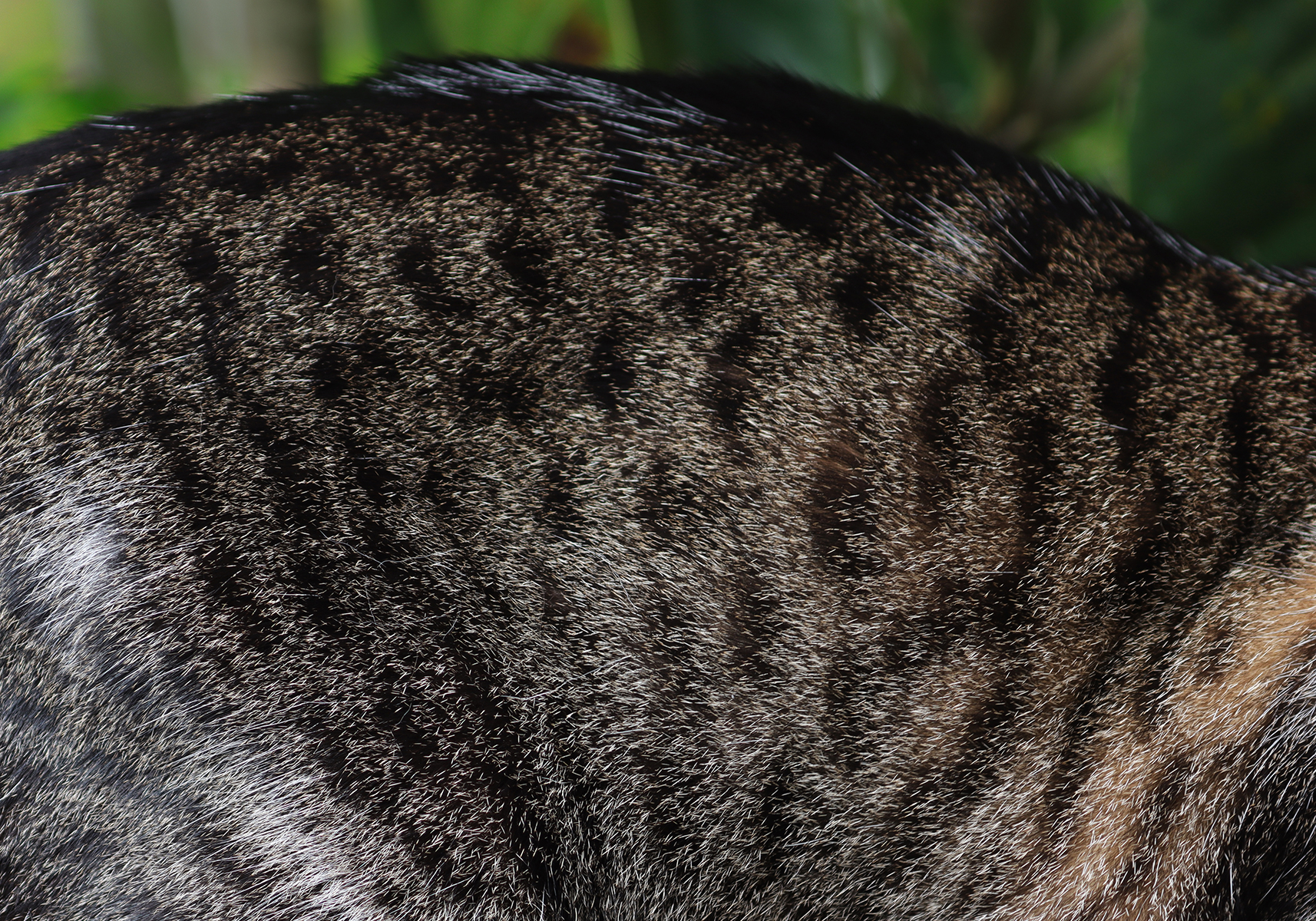
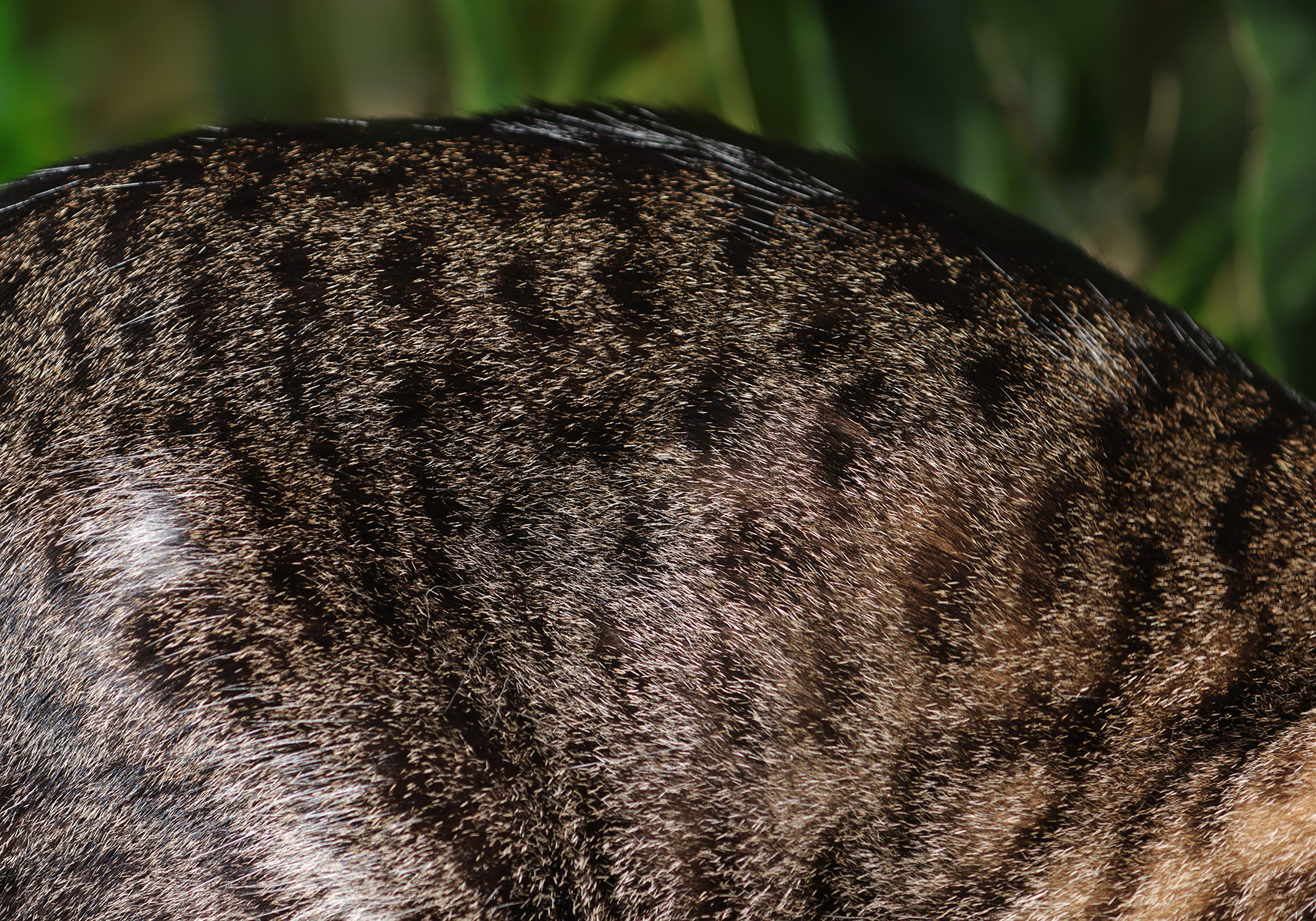
Bali Wildlife
Every Spices Matter


Carnivora is an order of placental mammals within the superorder Laurasiatheria. Members of this order are commonly known as carnivorans and include a wide range of species such as cats, dogs, bears, seals, and weasels. Although the name suggests a strictly meat-based diet, not all carnivorans are exclusively carnivorous; some are omnivorous, and a few are primarily herbivorous.
Carnivorans are characterized by specialized teeth known as carnassials, formed by the upper fourth premolar and lower first molar, adapted for slicing flesh. They typically possess strong jaws, sharp claws (often retractable in felids), and well-developed senses of smell, hearing, and vision.
The order is divided into two main suborders:
Carnivora species occupy diverse habitats worldwide, from tropical forests and grasslands to polar regions and marine environments. Ecologically, they play important roles as predators, scavengers, and population regulators within ecosystems.
Order Carnivora represents one of the most evolutionarily successful groups of mammals, displaying wide adaptive radiation in diet, body size, and habitat use.