Bali Wildlife
Every Spices Matter


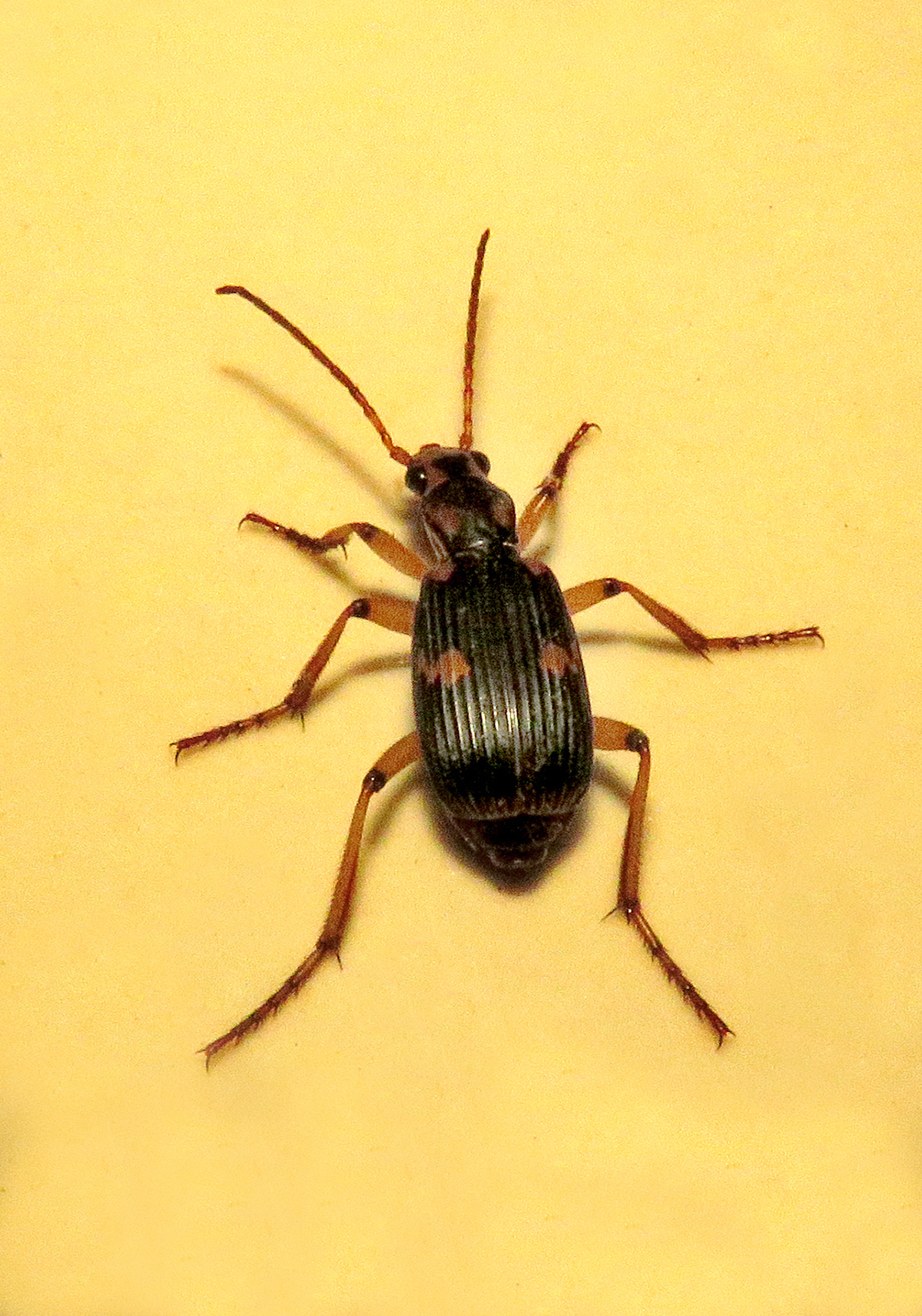
Caraboidea is a superfamily of beetles within the suborder Adephaga (Order Coleoptera), comprising a diverse assemblage of predominantly predatory species. Members of Caraboidea are distributed worldwide and occur in a wide range of terrestrial and semi-aquatic habitats, from forests, grasslands, and deserts to wetlands and mountainous regions. They are especially abundant and diverse in natural ecosystems with well-developed soil and leaf-litter layers.
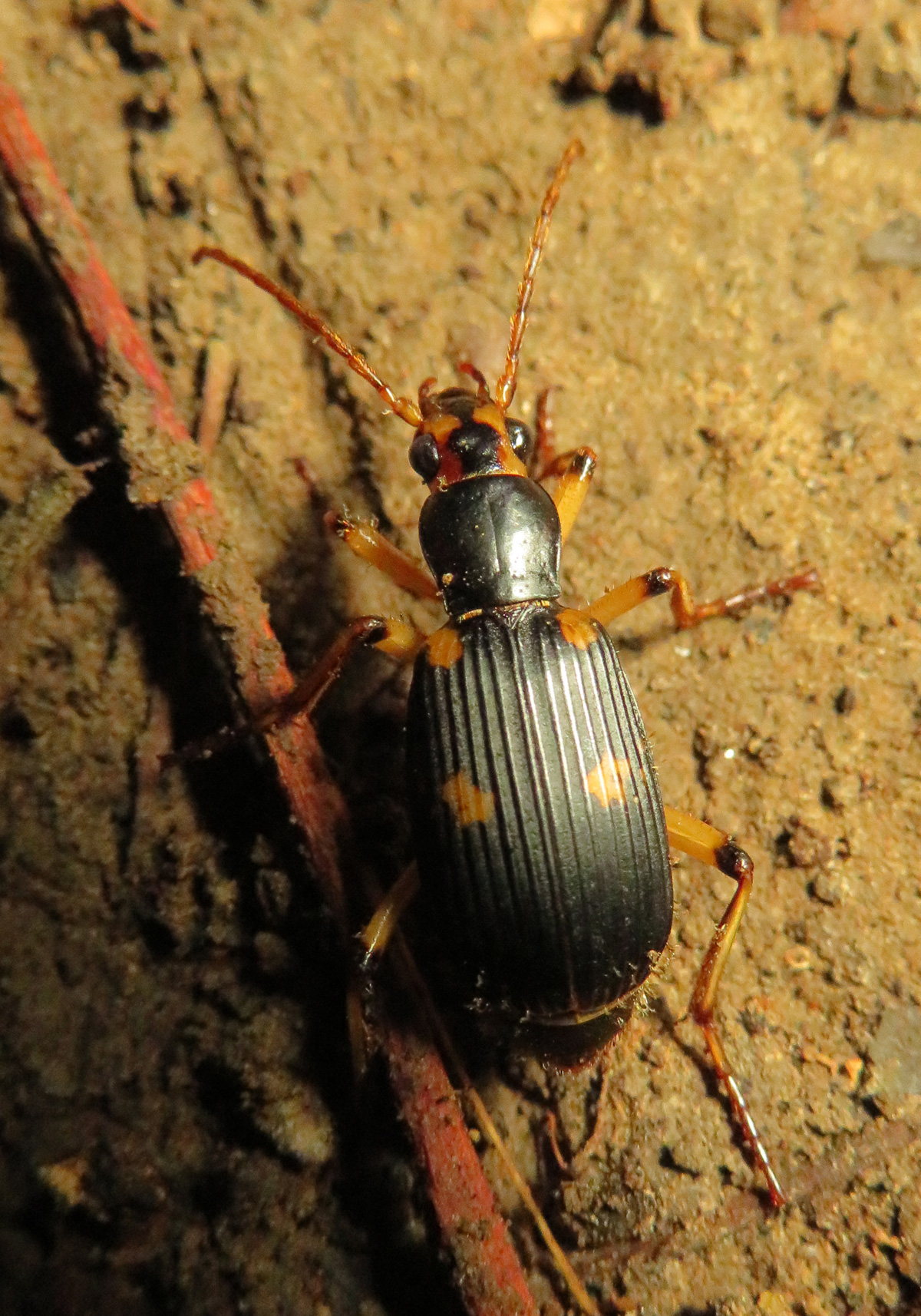
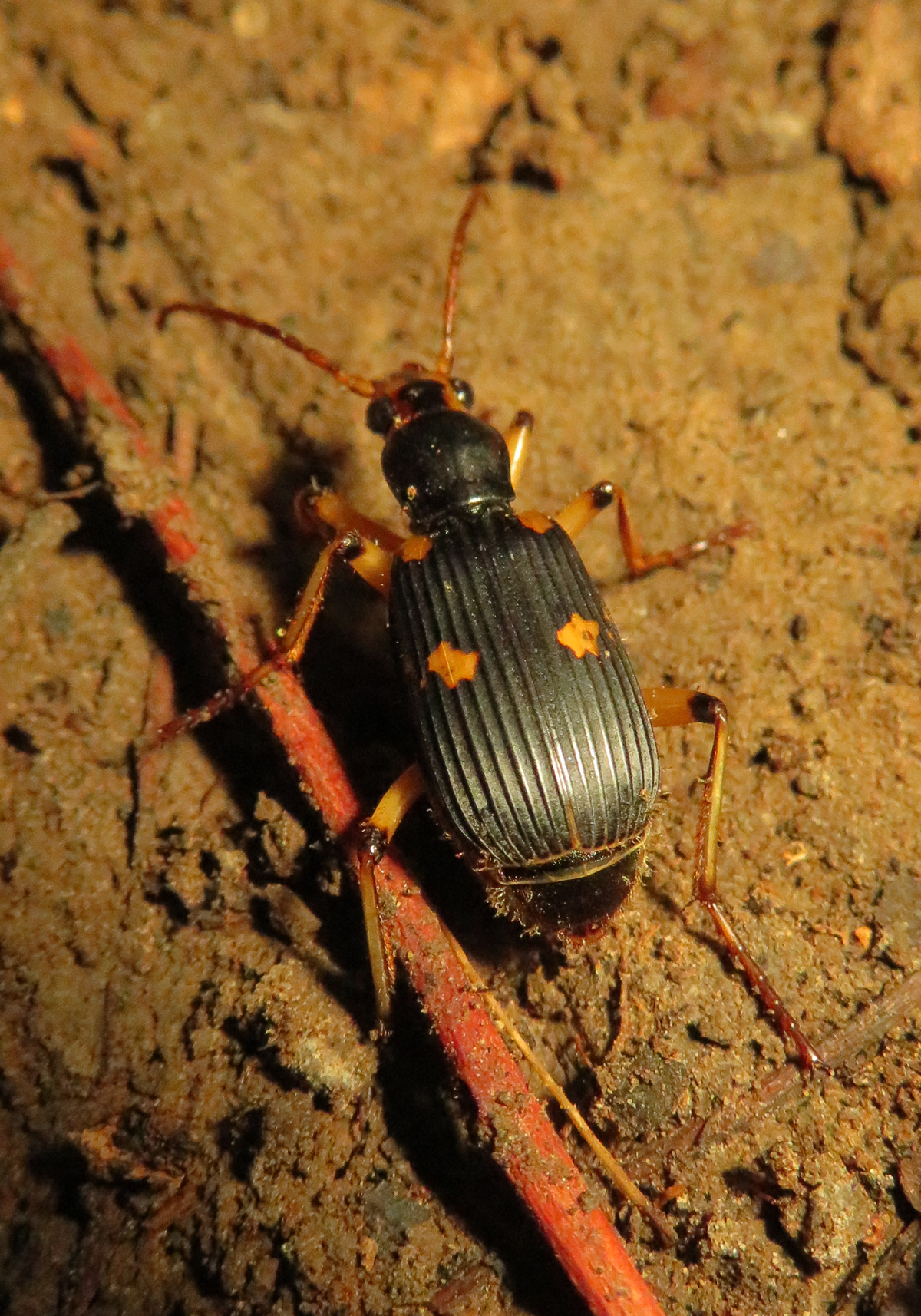
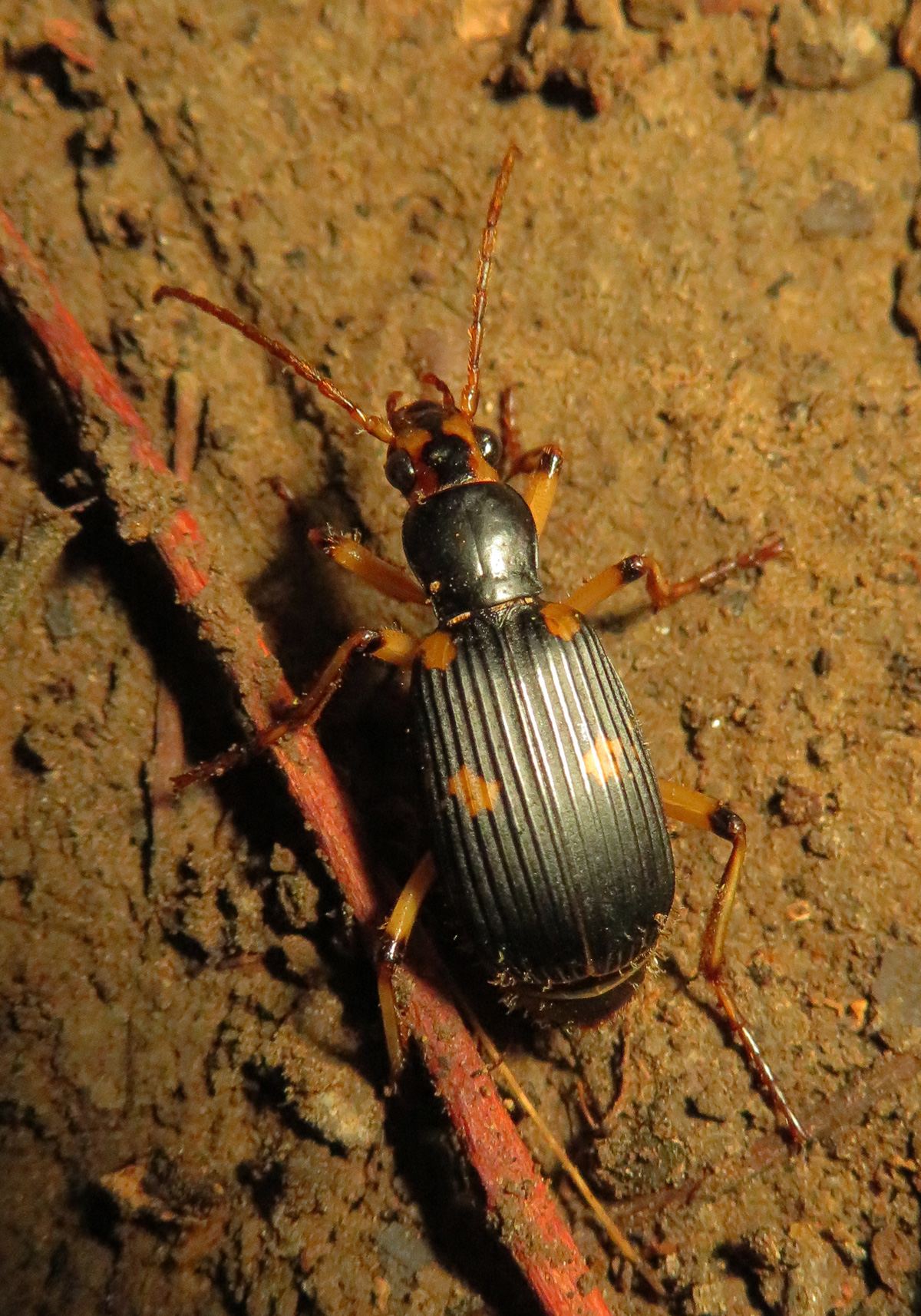
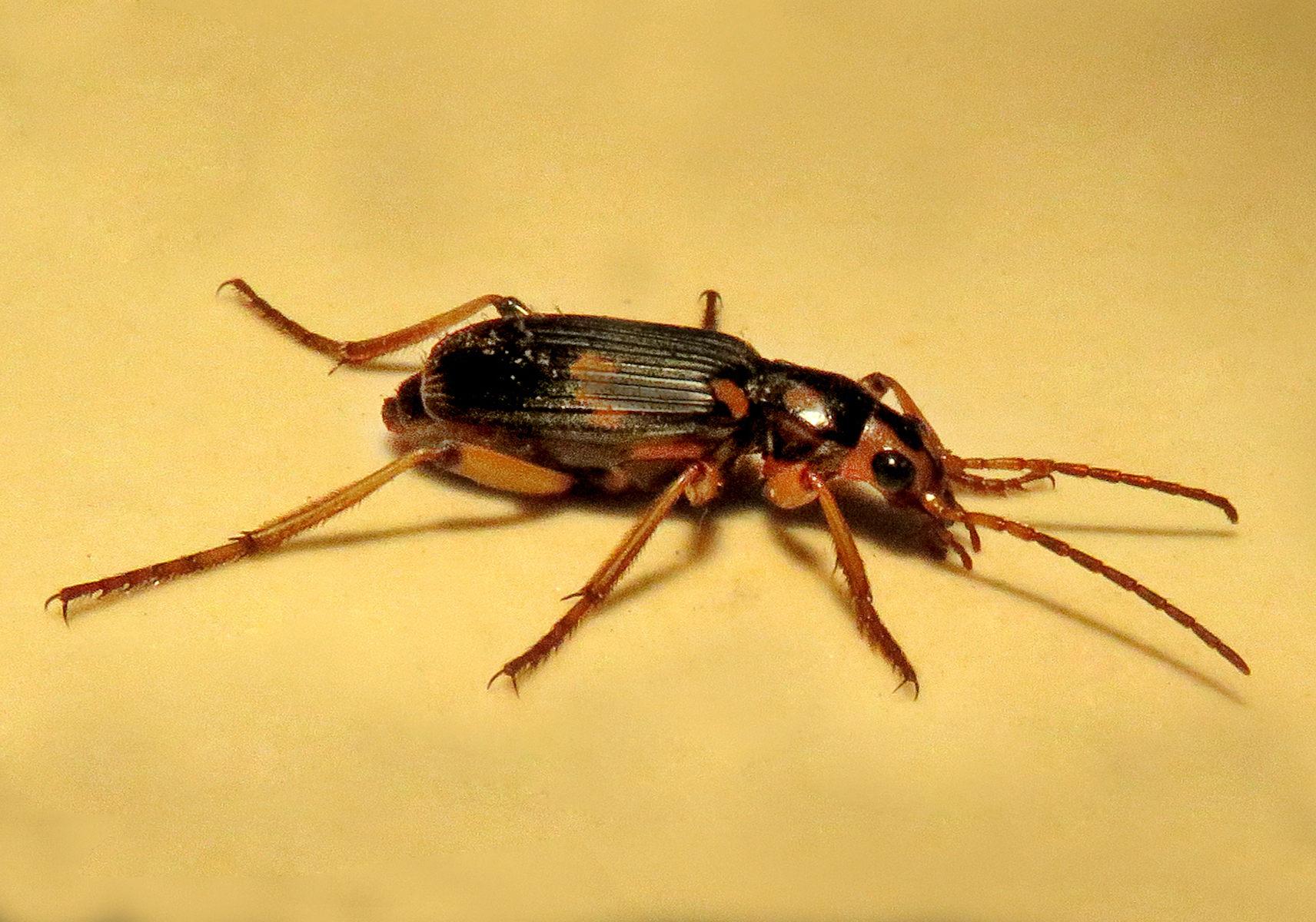
Beetles of the superfamily Caraboidea are generally medium to large in size and are characterized by an elongate body form, well-developed legs adapted for running, and strong mandibles suited for capturing and subduing prey. The head is usually prominent, with filiform antennae and large compound eyes. Elytra are typically striated or sculptured and cover most or all of the abdomen, while wings may be fully developed or reduced, with many species being flightless.
Both adults and larvae of Caraboidea are primarily carnivorous, feeding on a wide variety of invertebrates such as insects, worms, and mollusks. Some species also consume seeds or plant material as a supplement. Larvae are usually elongate, active, and equipped with powerful mandibles, reflecting their predatory lifestyle.
The superfamily includes several important families, most notably Carabidae (ground beetles), as well as related groups such as Trachypachidae and, in some classifications, Cicindelidae (tiger beetles), which are sometimes treated as a subfamily within Carabidae. These groups display a wide range of ecological adaptations, including fast-running surface hunters and species adapted to burrowing or living in moist environments.
Ecologically, Caraboidea plays a crucial role in regulating populations of other invertebrates and maintaining ecosystem stability. Many species are considered beneficial due to their predation on agricultural pests and weed seeds. Their sensitivity to habitat change also makes caraboid beetles valuable indicators of environmental health and habitat quality.