Bali Wildlife
Every Spices Matter


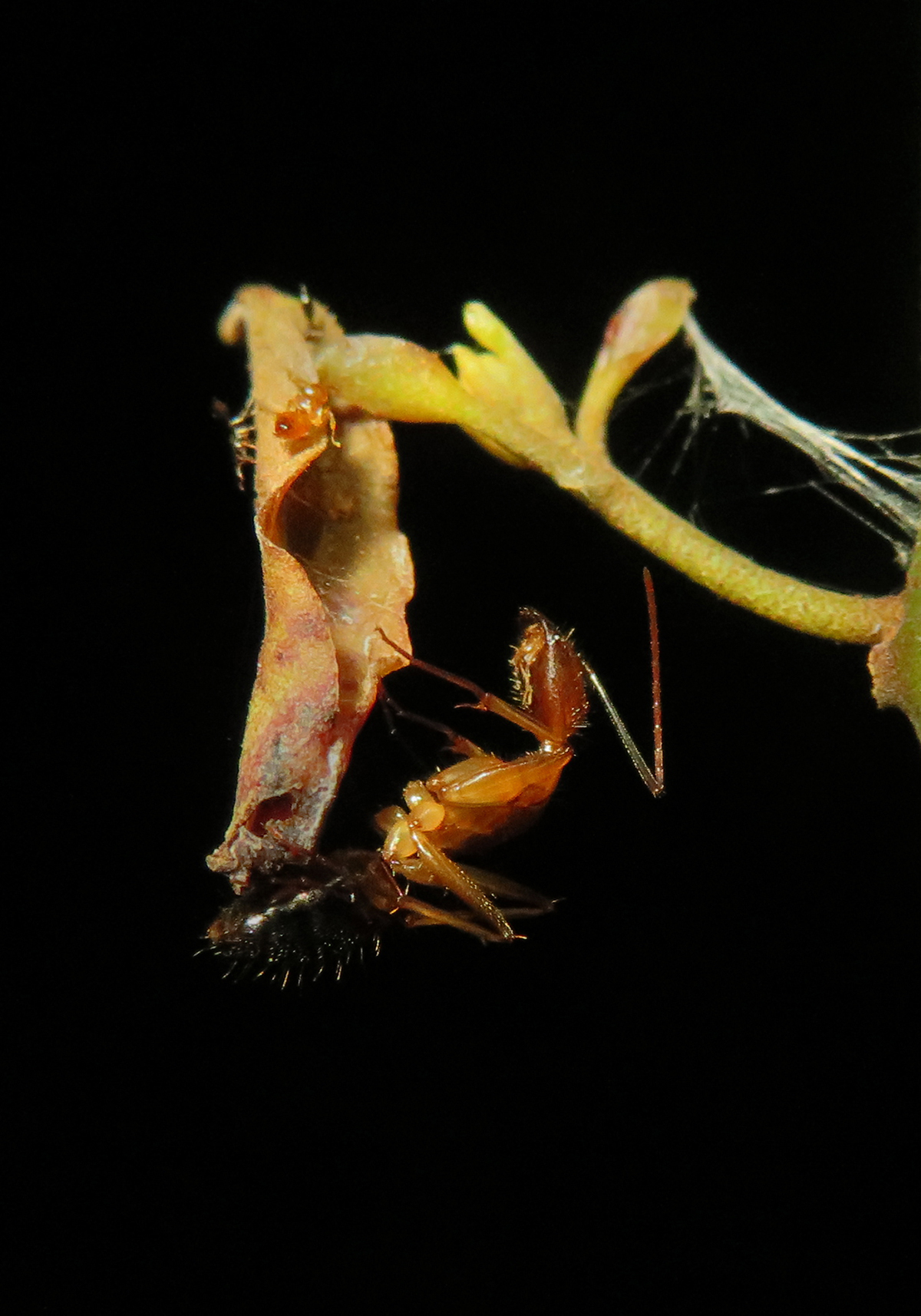
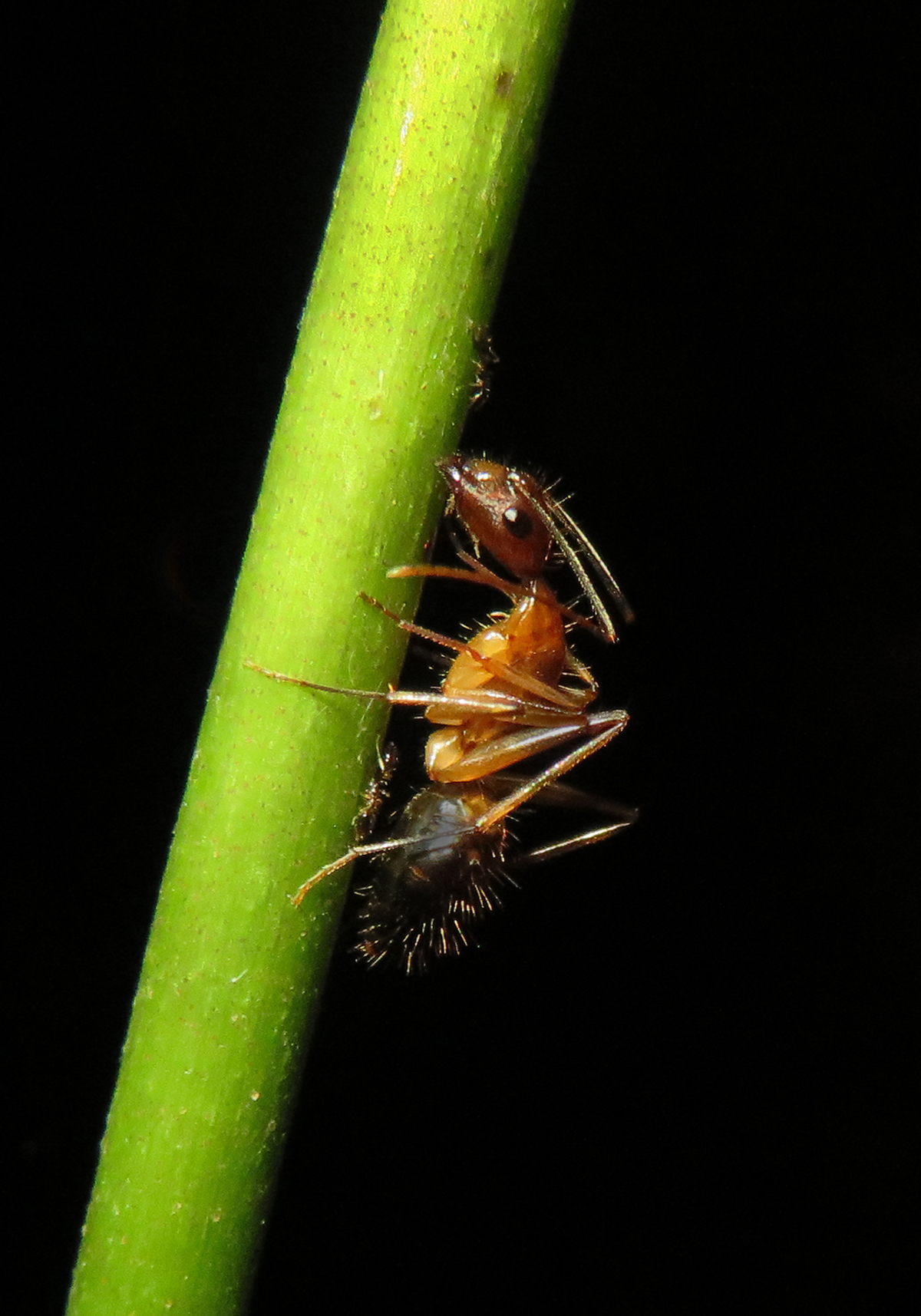
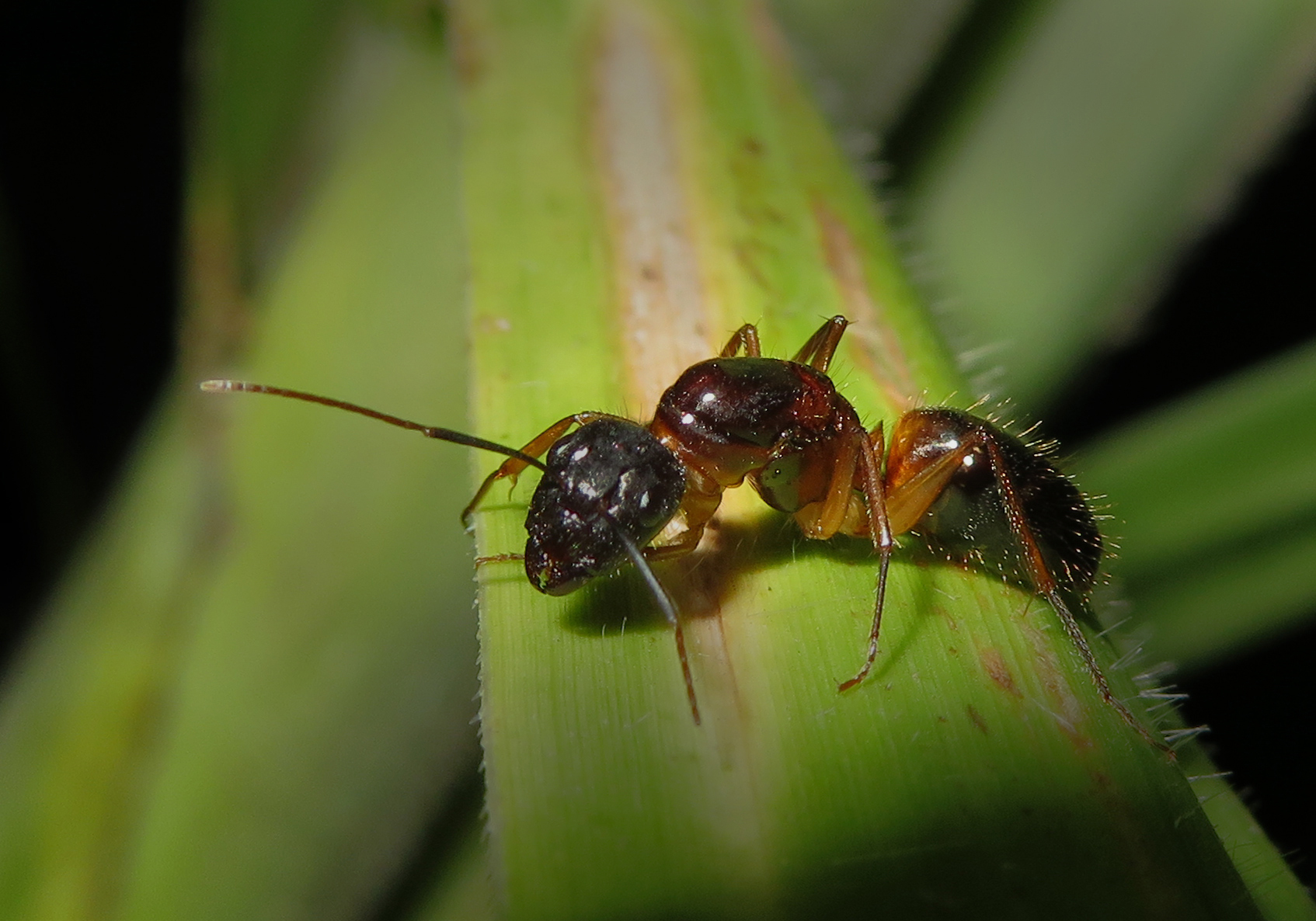
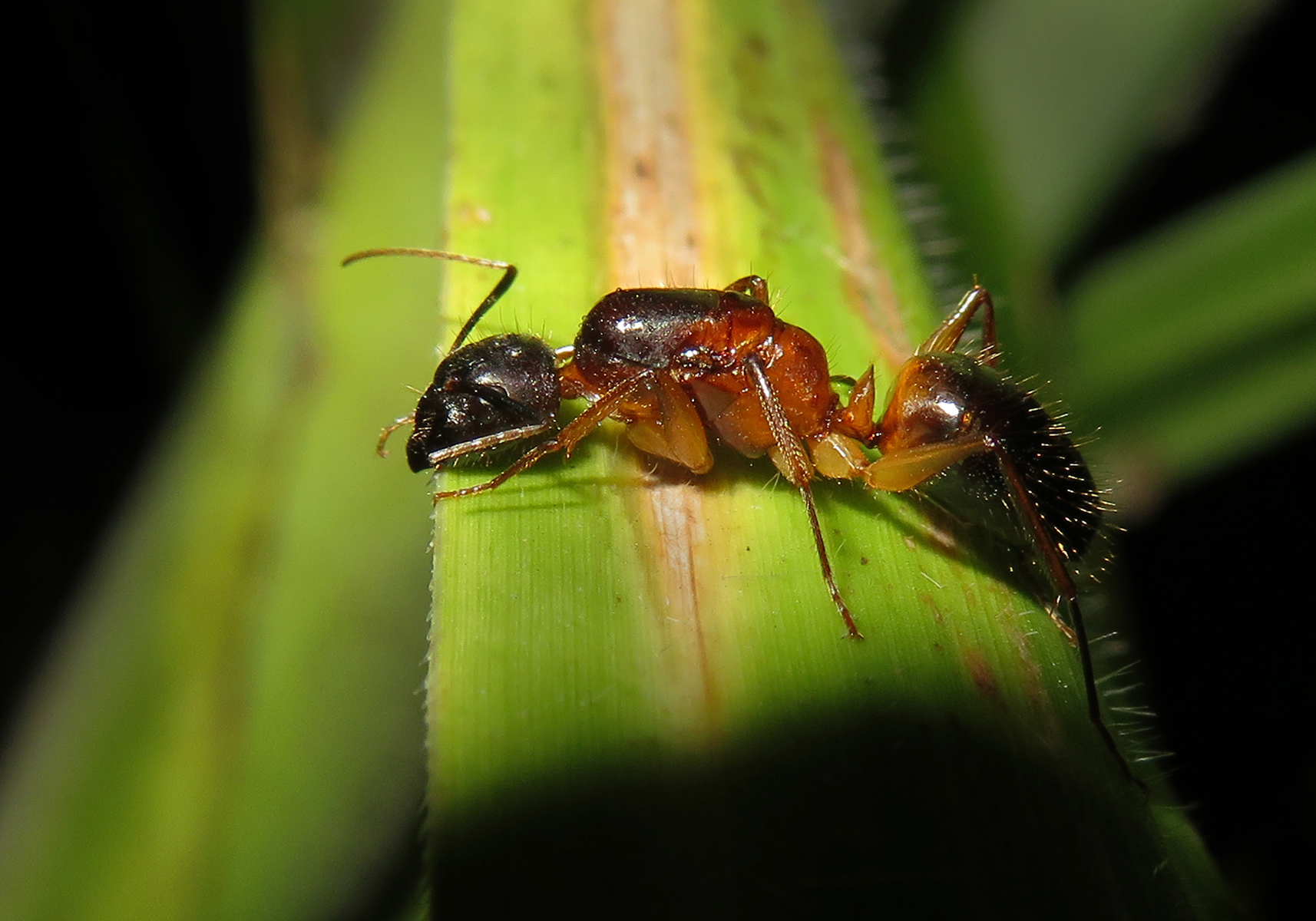
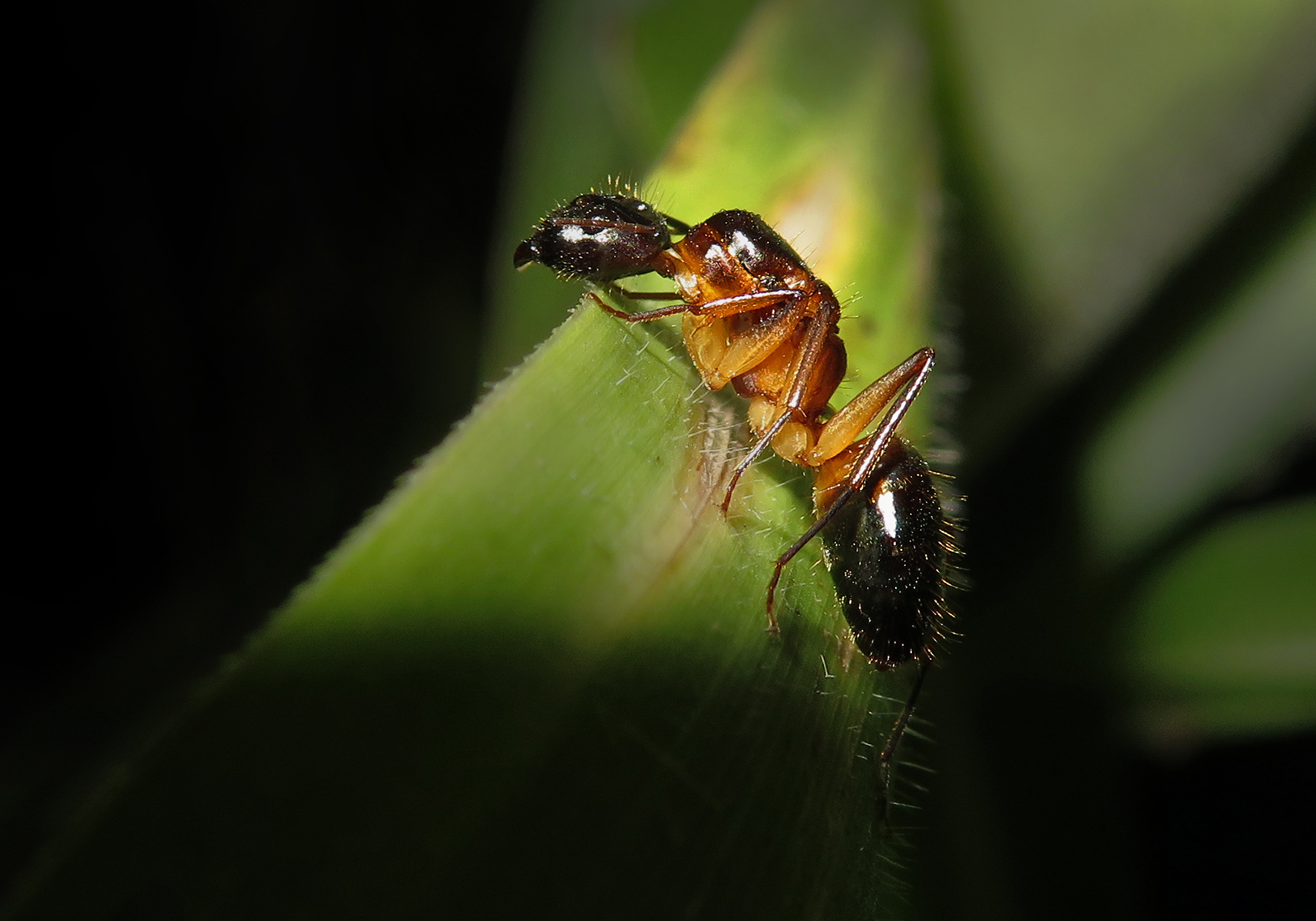
Camponotini is a tribe within the subfamily Formicinae (Family Formicidae, Order Hymenoptera), best known for containing the carpenter ants and their close relatives. The tribe is widely distributed across tropical, subtropical, and temperate regions and includes some of the largest and most conspicuous ant species.
Members of Camponotini are typically medium to large-sized ants, often with a robust body form. A characteristic feature of the tribe is the smoothly convex mesosoma profile when viewed laterally, lacking pronounced spines. The petiole consists of a single node, and the antennae are geniculate with a long scape, typical of Formicinae.
Like all formicine ants, Camponotini lack a functional stinger and instead possess an acidopore, through which they spray formic acid for defense. Mandibles are strong and well developed, adapted for cutting, carrying, and excavating substrates.
Social organization in Camponotini is well developed. Colonies may be small to very large and often exhibit worker polymorphism, with distinct minor and major workers differing in size and head shape. This polymorphism allows efficient division of labor within the colony.
Ecologically, many Camponotini species nest in wood, soil, or plant cavities. Carpenter ants are particularly notable for excavating galleries in dead or decaying wood, although they do not consume the wood itself. Members of the tribe are typically omnivorous, feeding on insects, honeydew, nectar, and other plant or animal-derived resources.
Reproduction follows the typical ant life cycle, with winged males and queens participating in nuptial flights. Development is holometabolous, and sex determination is haplodiploid.
Tribe Camponotini represents a prominent and ecologically important lineage within Formicinae, distinguished by large body size, nesting versatility, and complex colony organization.