Bali Wildlife
Every Spices Matter


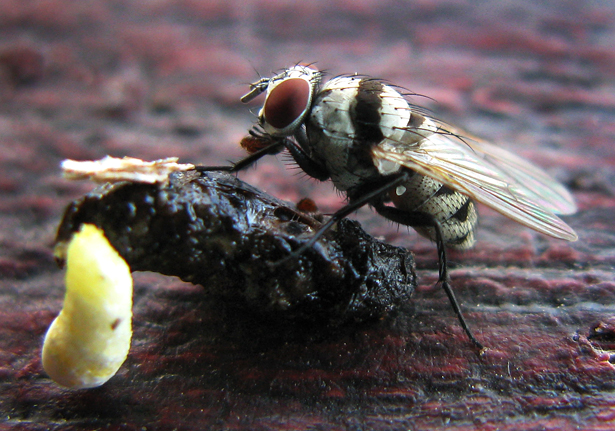
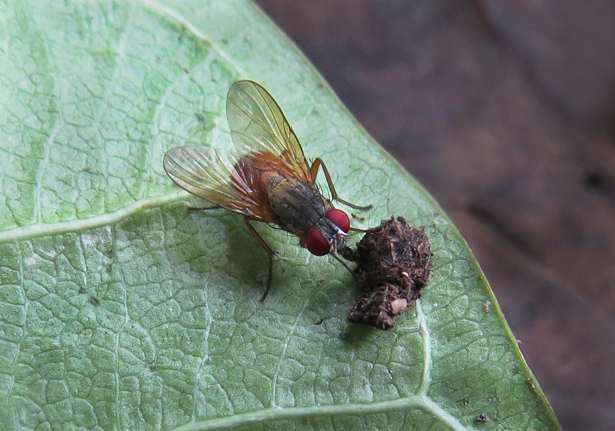
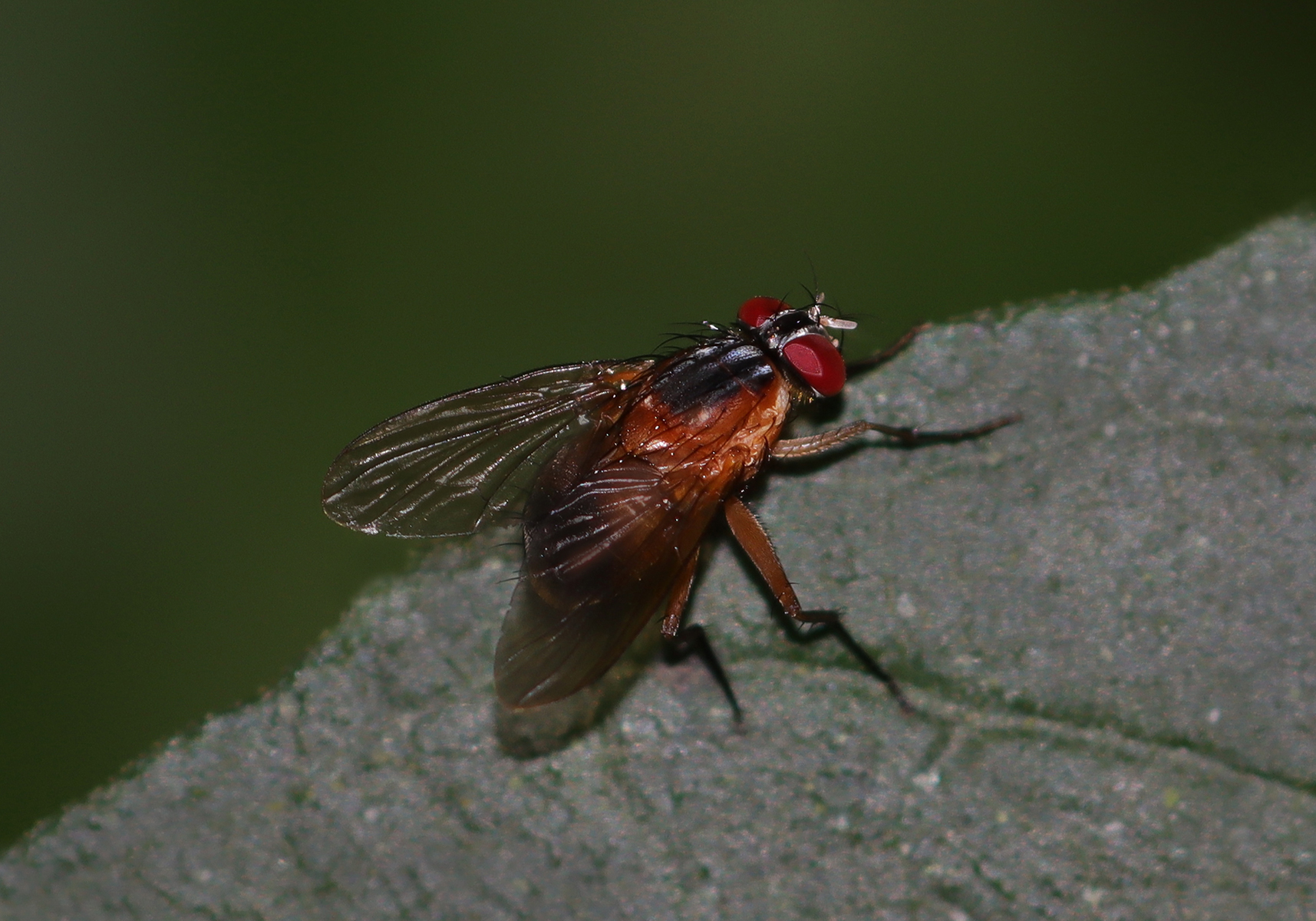
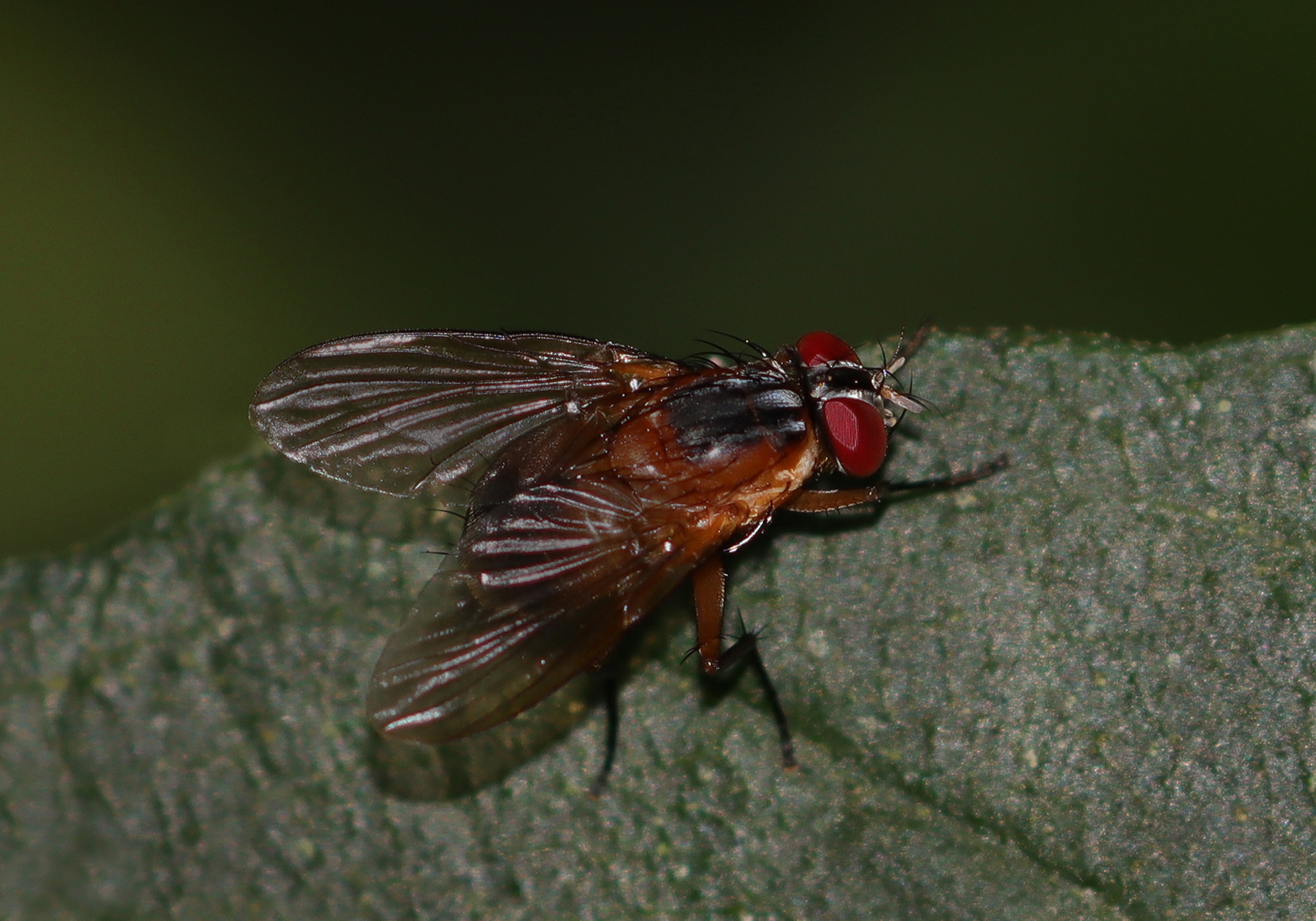
Calyptratae is a major zoosubsection within the zoosection Schizophora (Infraorder Cyclorrhapha, Suborder Brachycera, Order Diptera), comprising a highly advanced group of flies that includes many ecologically and medically important species. Members of Calyptratae are distributed worldwide and are commonly found in natural habitats as well as in close association with humans and animals.
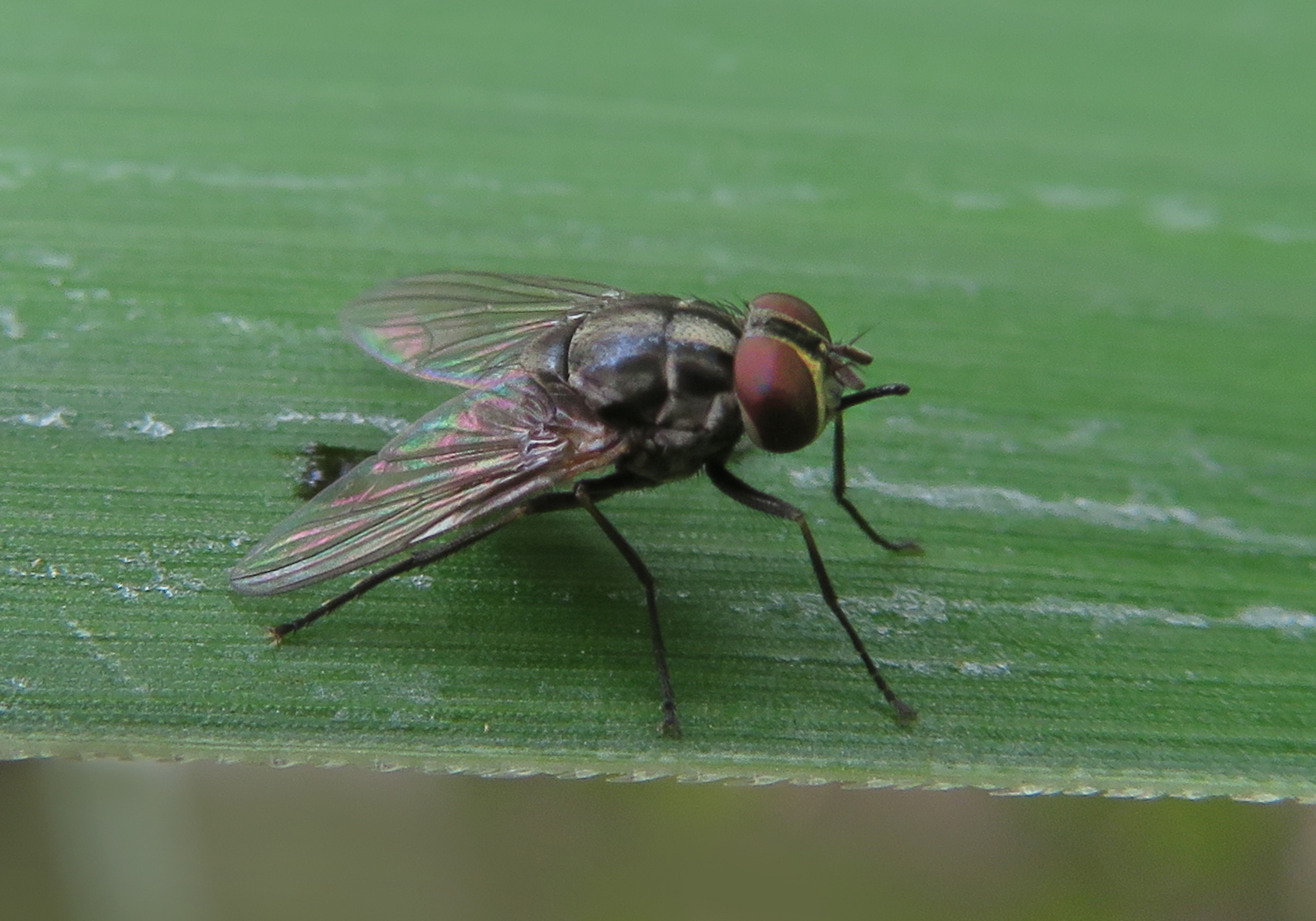
Calyptrate flies are distinguished by the presence of calypters (also called squamae), which are small membranous lobes located at the base of the wings. These structures partially cover the halteres and are important for flight stability. Calyptratae also share the schizophoran feature of a ptilinal suture on the head, marking the site where the ptilinum was used to emerge from the puparium.
Members of this group typically have a robust body, well-developed thorax, and strong flight capability. The antennae are short with a prominent arista, and the compound eyes are usually large. Mouthparts vary widely depending on feeding habits and may be adapted for sponging, piercing, or sucking.
The life cycle involves complete metamorphosis. Larvae are legless maggots adapted to a wide range of environments, including decaying organic matter, carrion, dung, living tissues, or parasitic lifestyles. Many species develop in nutrient-rich substrates and grow rapidly. Pupation occurs within a puparium formed from the hardened larval skin.
Calyptratae includes several major families, such as Muscidae (house flies), Calliphoridae (blowflies), Sarcophagidae (flesh flies), Tachinidae (parasitoid flies), and Glossinidae (tsetse flies). These families display diverse ecological roles, from decomposers and pollinators to parasites and disease vectors.
Ecologically, Calyptratae plays a crucial role in decomposition and nutrient recycling, particularly through species that feed on carrion and waste. Some members are beneficial, such as parasitoid flies used in biological control, while others are of significant medical and veterinary importance due to their role in transmitting diseases or causing myiasis. This group represents one of the most evolutionarily advanced and ecologically impactful lineages within Diptera.