Bali Wildlife
Every Spices Matter


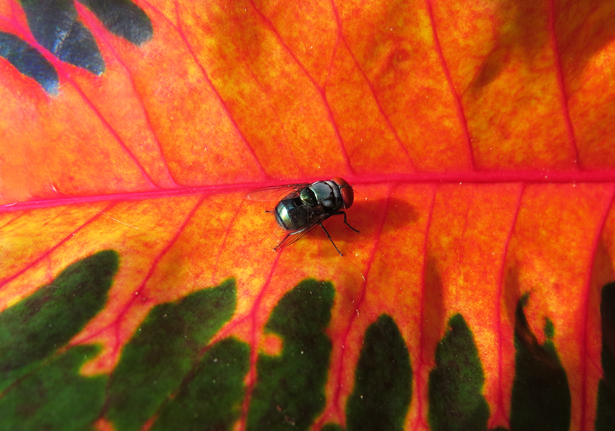
Calliphoridae, commonly known as blowflies, is a prominent family within the superfamily Oestroidea (Order Diptera). Members of this family are distributed worldwide and are especially abundant in warm and temperate regions. Blowflies are commonly found in a variety of habitats, including forests, grasslands, urban areas, and locations associated with decaying organic matter.
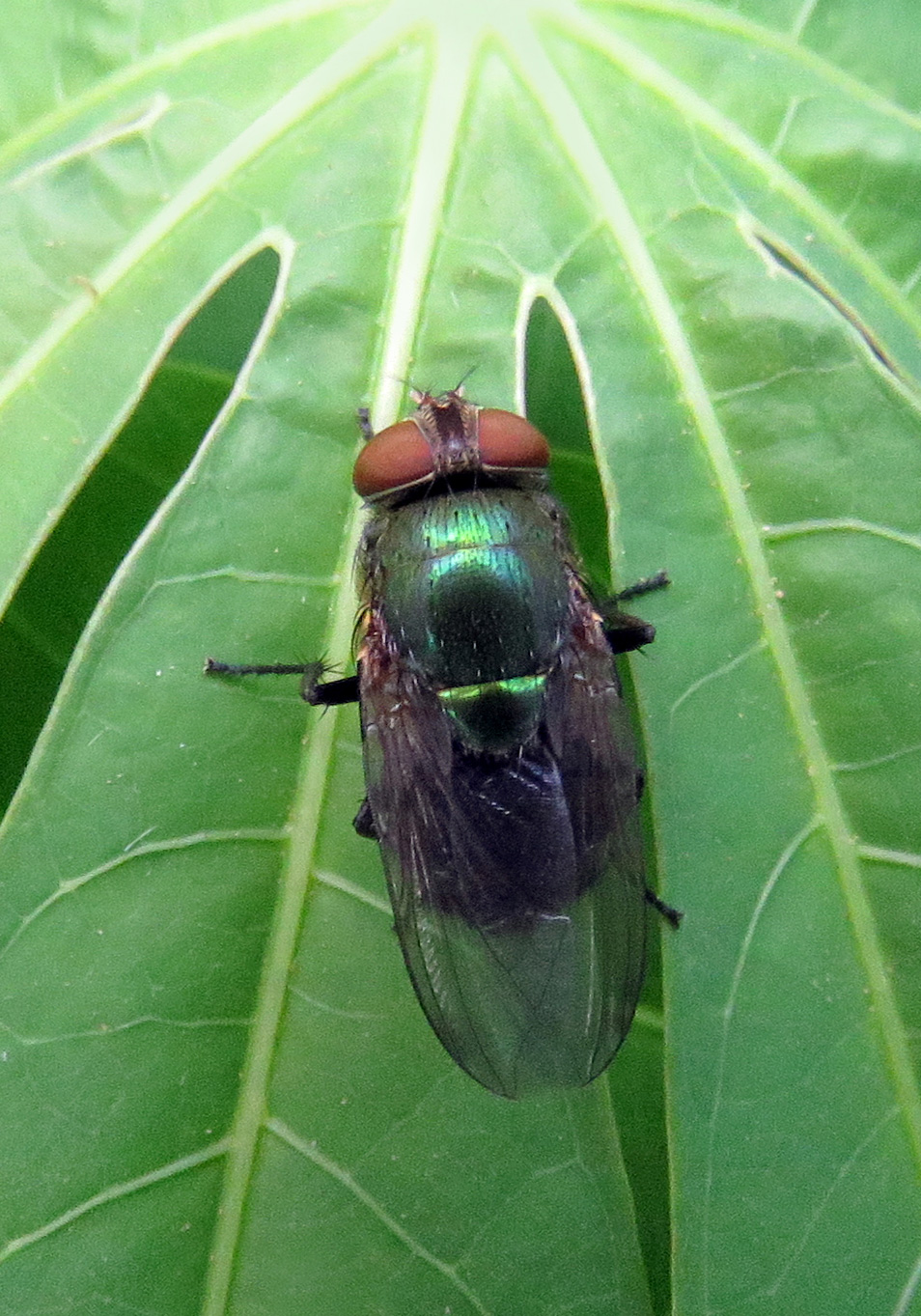
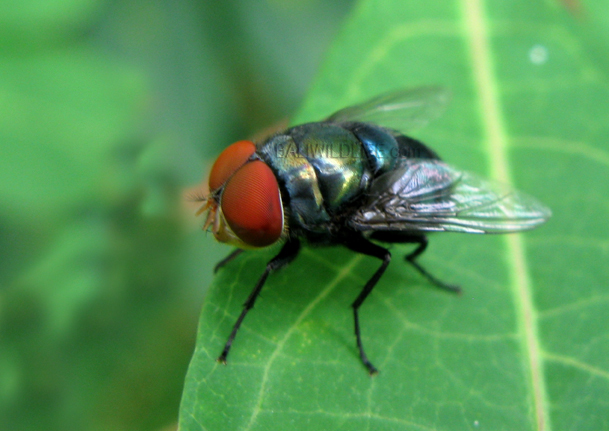
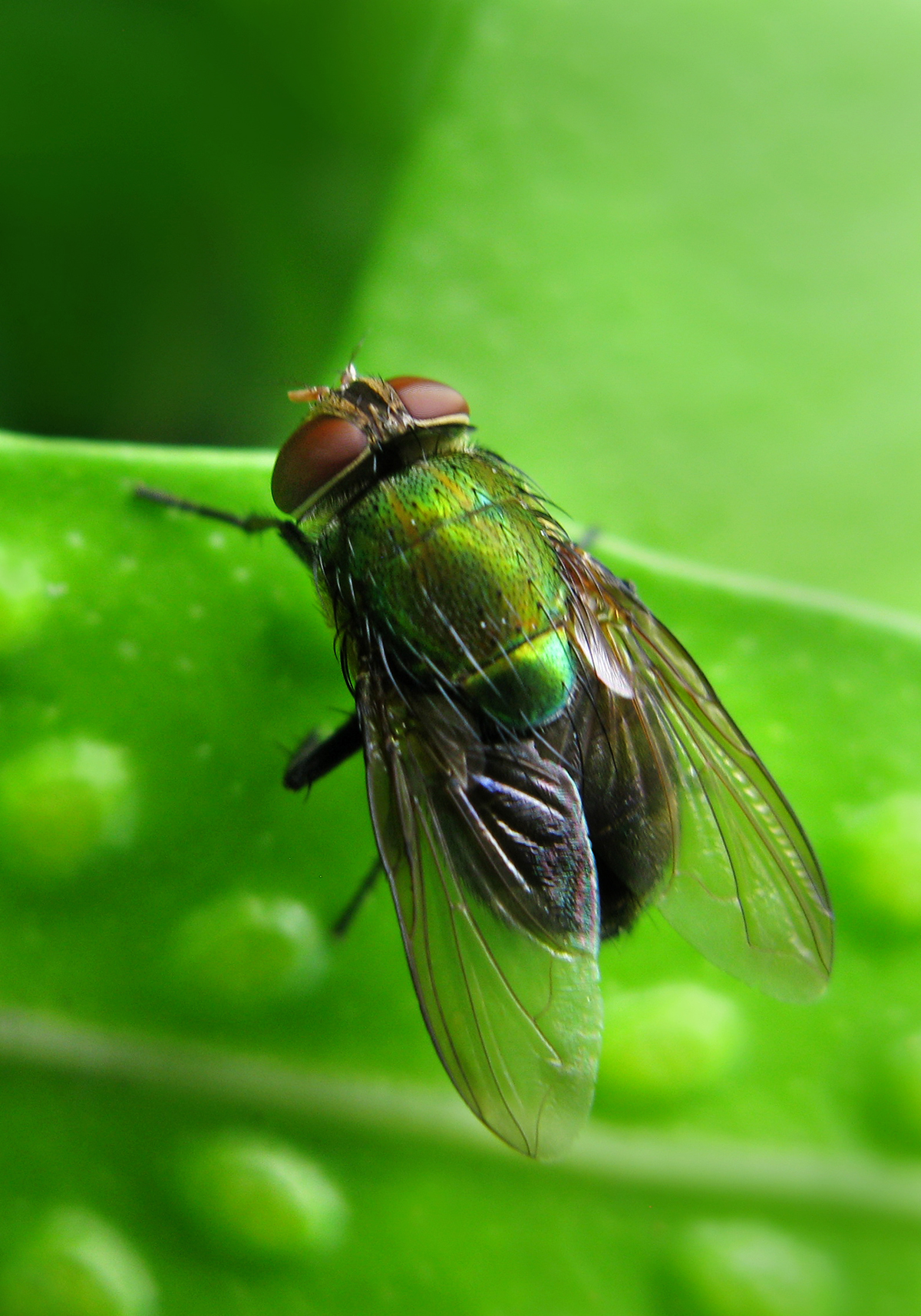
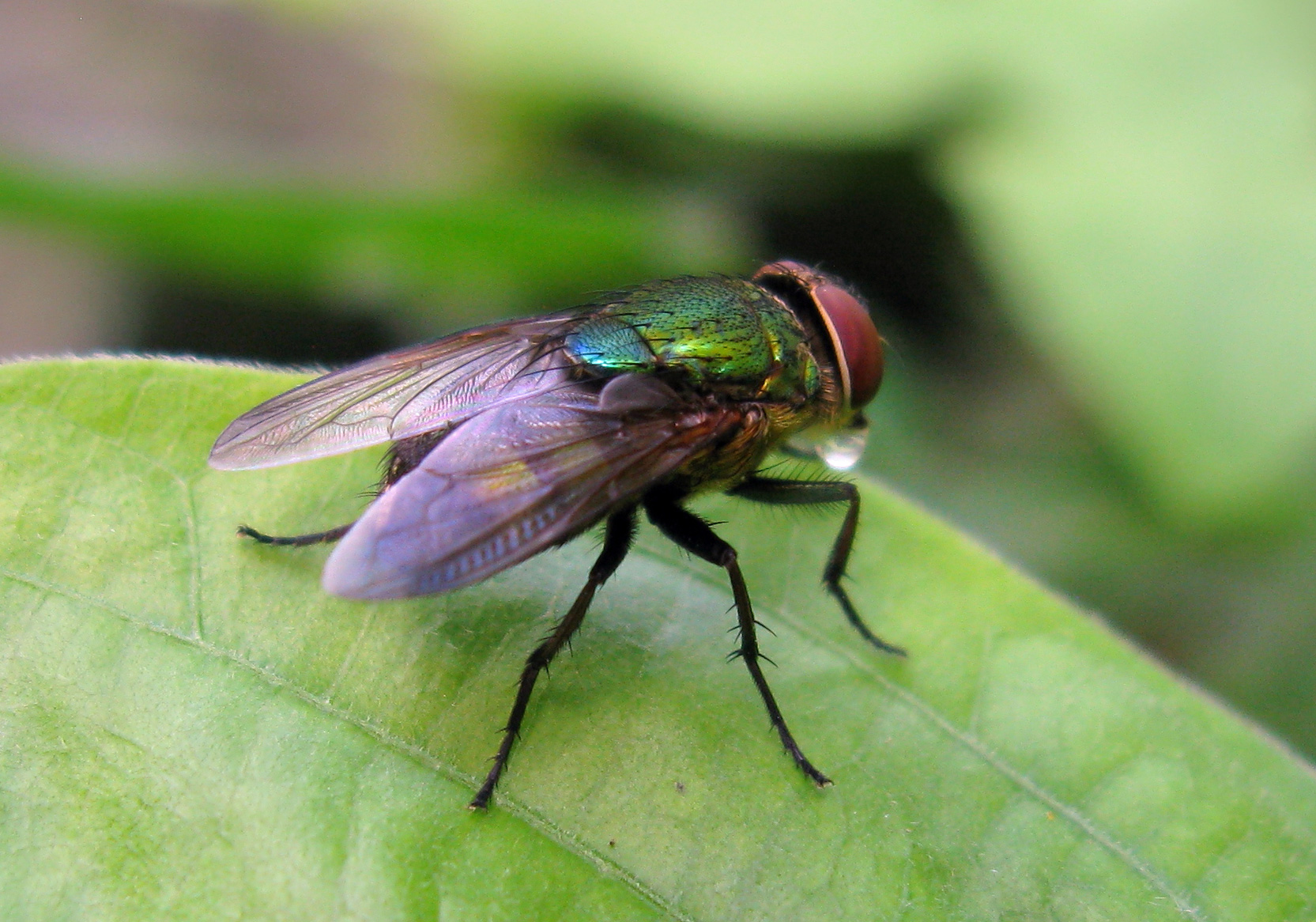
Blowflies are typically medium to large in size and are easily recognized by their metallic coloration, which often appears blue, green, bronze, or coppery. The body is robust and covered with bristles, and the head is large with prominent compound eyes, often reddish in color. Antennae are short with a well-developed arista, and as calyptrate flies, they possess well-developed calypters at the base of the wings.
The life cycle involves complete metamorphosis. Females typically lay eggs on carrion, decaying organic matter, wounds, or animal waste. Larvae, commonly known as maggots, are legless and develop rapidly while feeding on these substrates. Pupation occurs within a puparium formed from the hardened larval skin.
Feeding habits vary between life stages. Larvae are primarily saprophagous, feeding on decomposing tissue, although some species are parasitic and may cause myiasis in living animals. Adults usually feed on liquids such as nectar, plant exudates, or fluids from decaying matter.
The family includes well-known genera such as Lucilia, Calliphora, Chrysomya, and Cochliomyia. Many species are of significant importance in forensic science, where their predictable developmental stages are used to estimate time of death. Others are medically and economically important due to their role in disease transmission or parasitic infestations.
Ecologically, Calliphoridae plays a crucial role in decomposition and nutrient recycling, rapidly breaking down animal remains and organic waste. While some species are beneficial and even used in medical treatments such as maggot therapy, others are considered pests due to their association with disease and livestock damage.