Bali Wildlife
Every Spices Matter


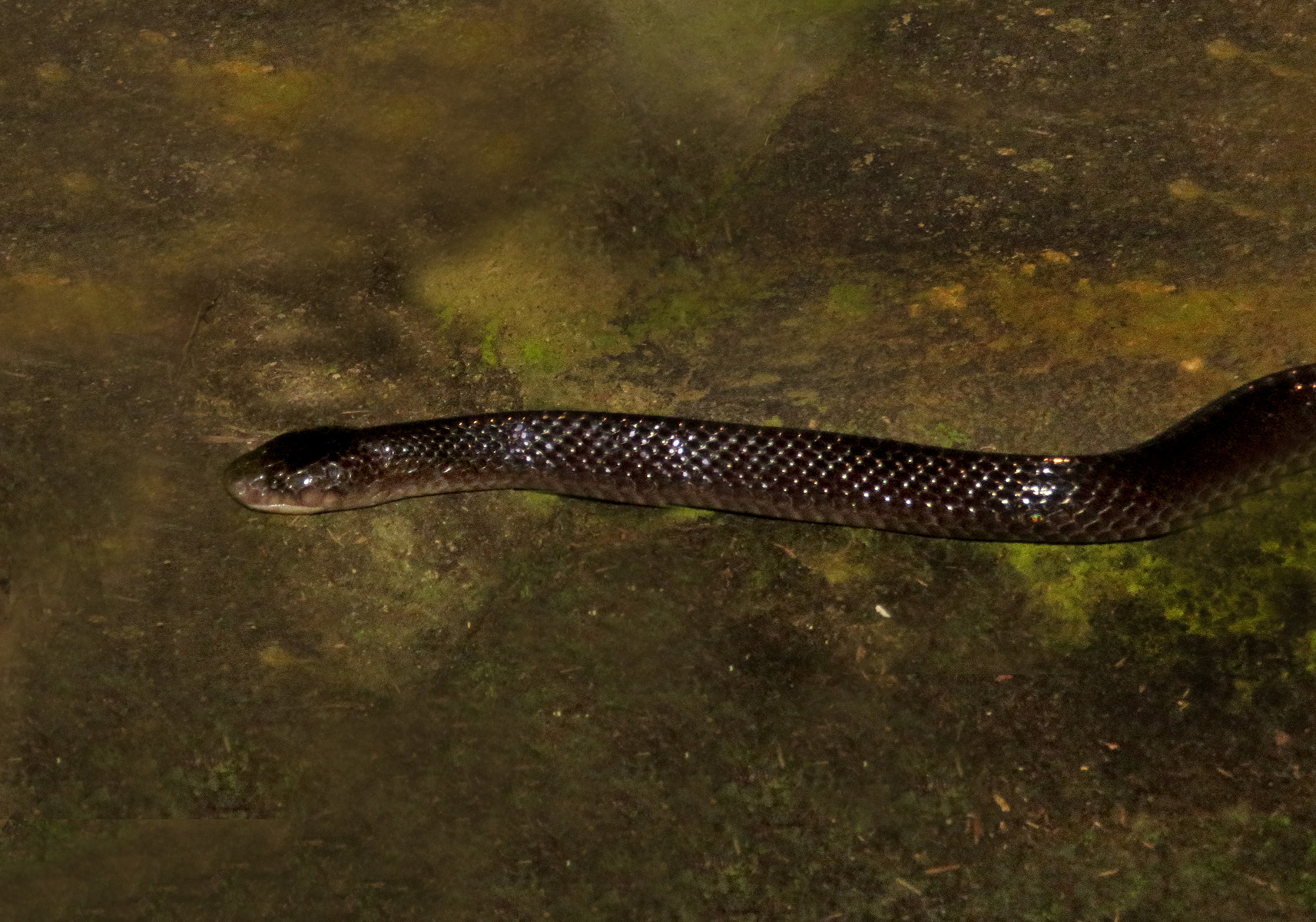
Bungarus is a genus of highly venomous snakes within the family Elapidae, commonly known as kraits. Species of this genus are characterized by their slender bodies, smooth, glossy scales, and distinctive banded coloration, typically consisting of alternating dark and light bands.
Kraits possess short, fixed front fangs and produce potent neurotoxic venom that affects the nervous system, often causing paralysis. These snakes are primarily nocturnal and are known for their secretive behavior. During the day, they usually remain hidden under debris, in burrows, or within crevices.
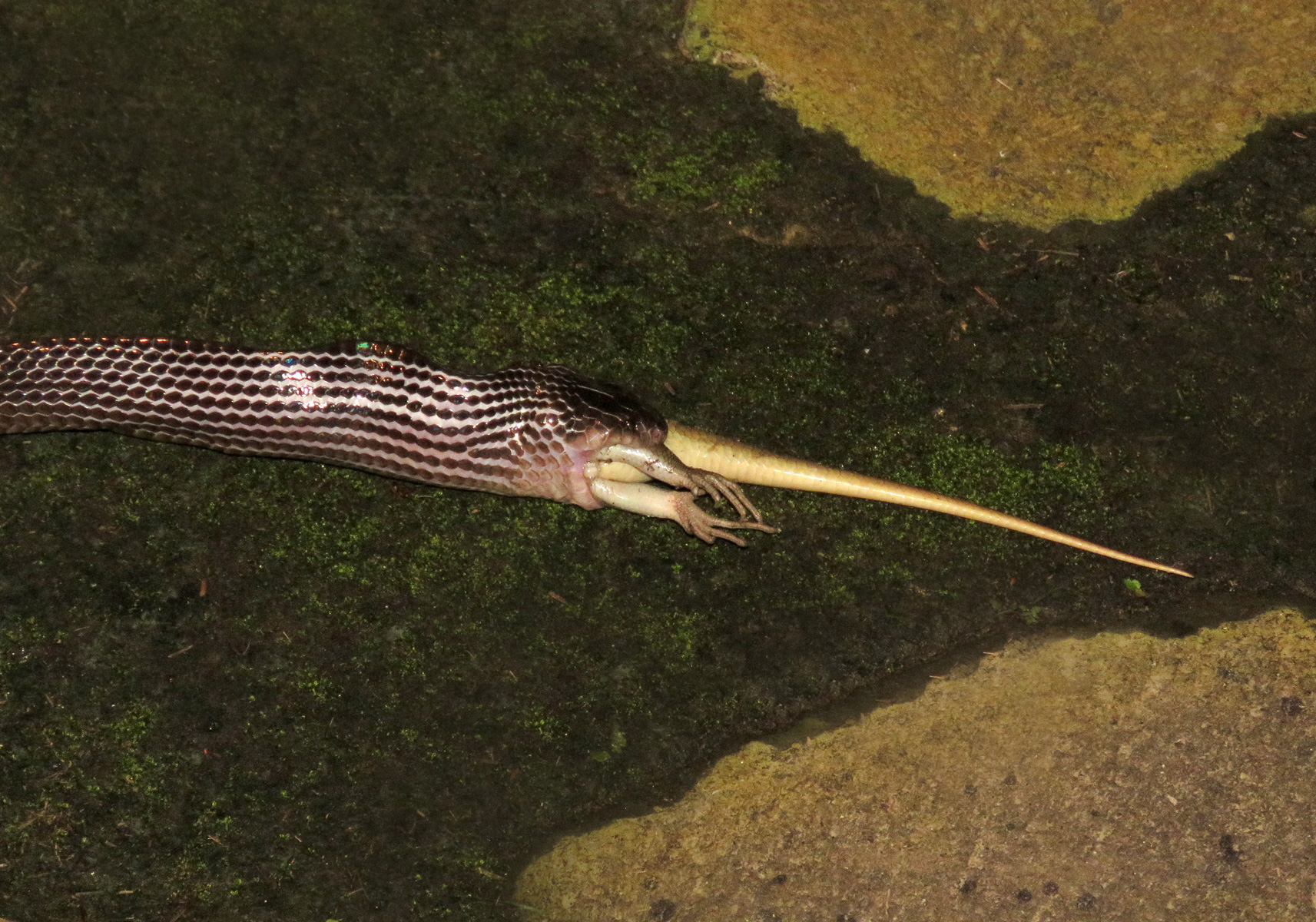
Species of Bungarus are found across South and Southeast Asia, inhabiting forests, grasslands, agricultural areas, and human-modified landscapes. They are mainly ophiophagous, feeding predominantly on other snakes, but may also consume lizards, frogs, and small mammals.
Ecologically, kraits play an important role as predators that help regulate populations of other reptiles. Despite their highly potent venom, kraits are generally non-aggressive and tend to bite only when handled or threatened, though envenomation can be extremely dangerous.