Bali Wildlife
Every Spices Matter


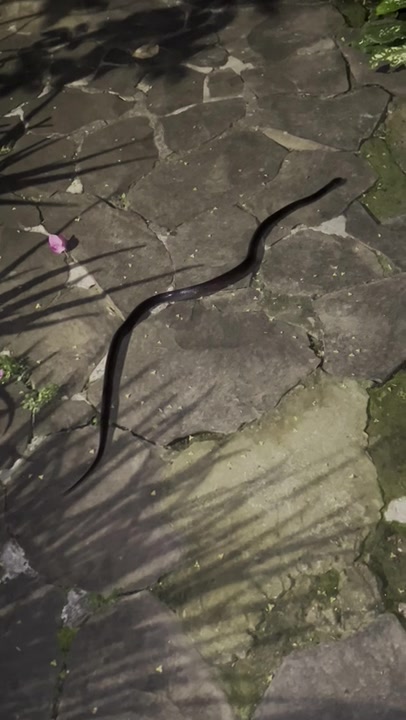
Bungarus candidus is a highly venomous species of elapid snake belonging to the genus Bungarus (Family Elapidae, Order Squamata). Commonly known as the Malayan Krait or Blue Krait, it is widely distributed across Southeast Asia, including Thailand, Myanmar, Cambodia, Laos, Vietnam, Peninsular Malaysia, Singapore, Indonesia (Sumatra, Java, Bali, and nearby islands), and southern parts of Myanmar. The species inhabits tropical forests, secondary woodlands, mangroves, agricultural areas, plantations, grasslands, and suburban environments, often occurring near water sources.
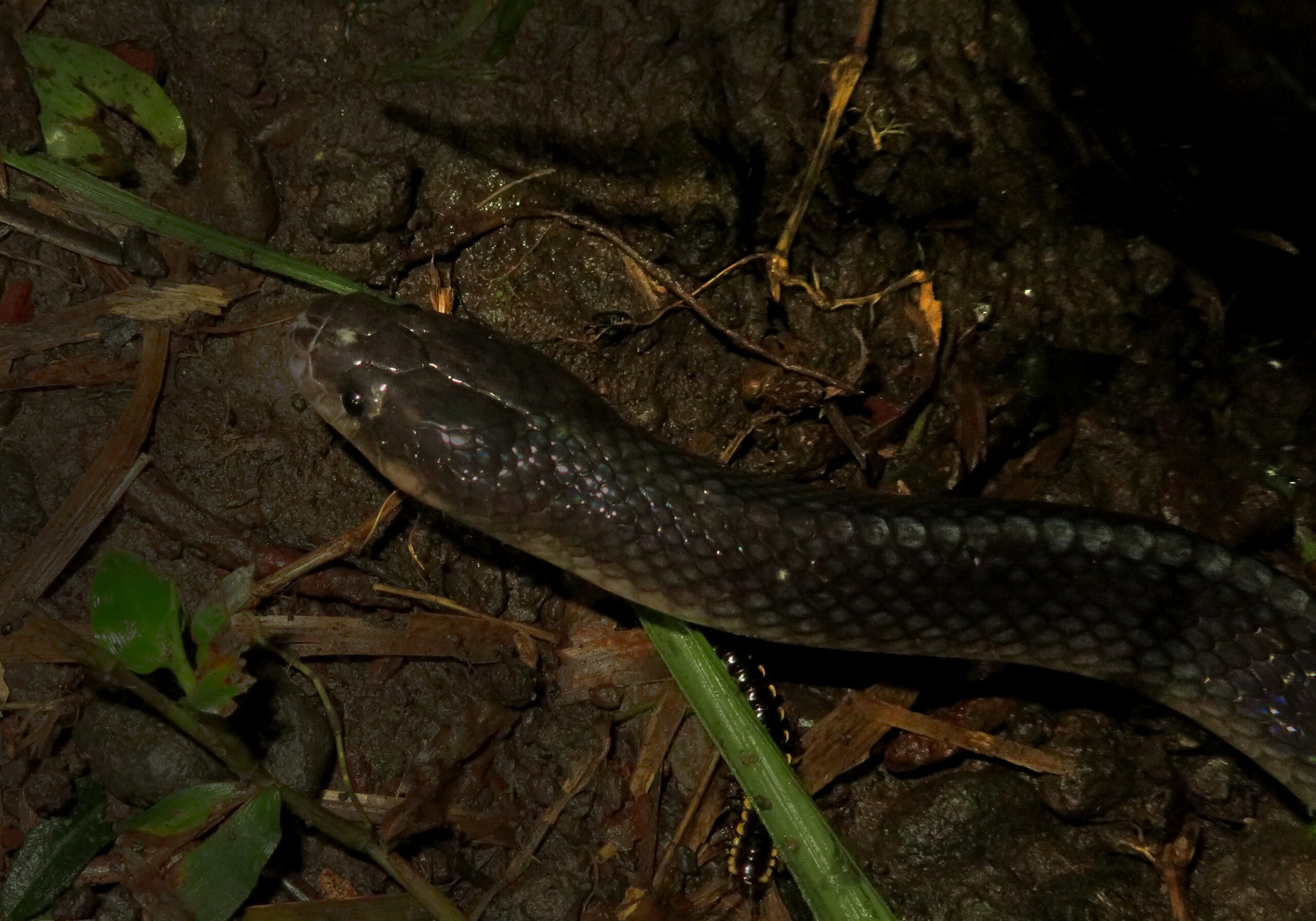
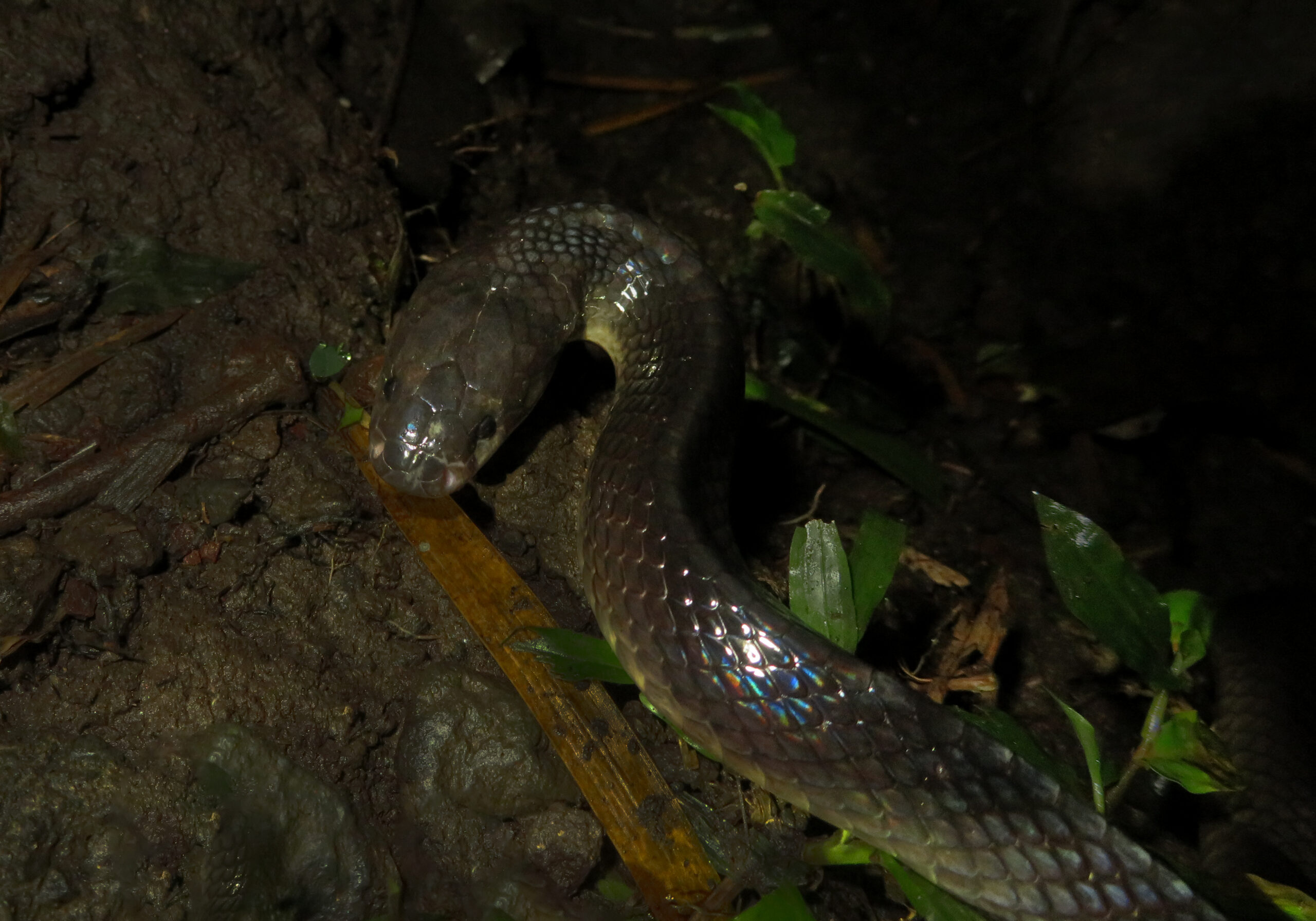
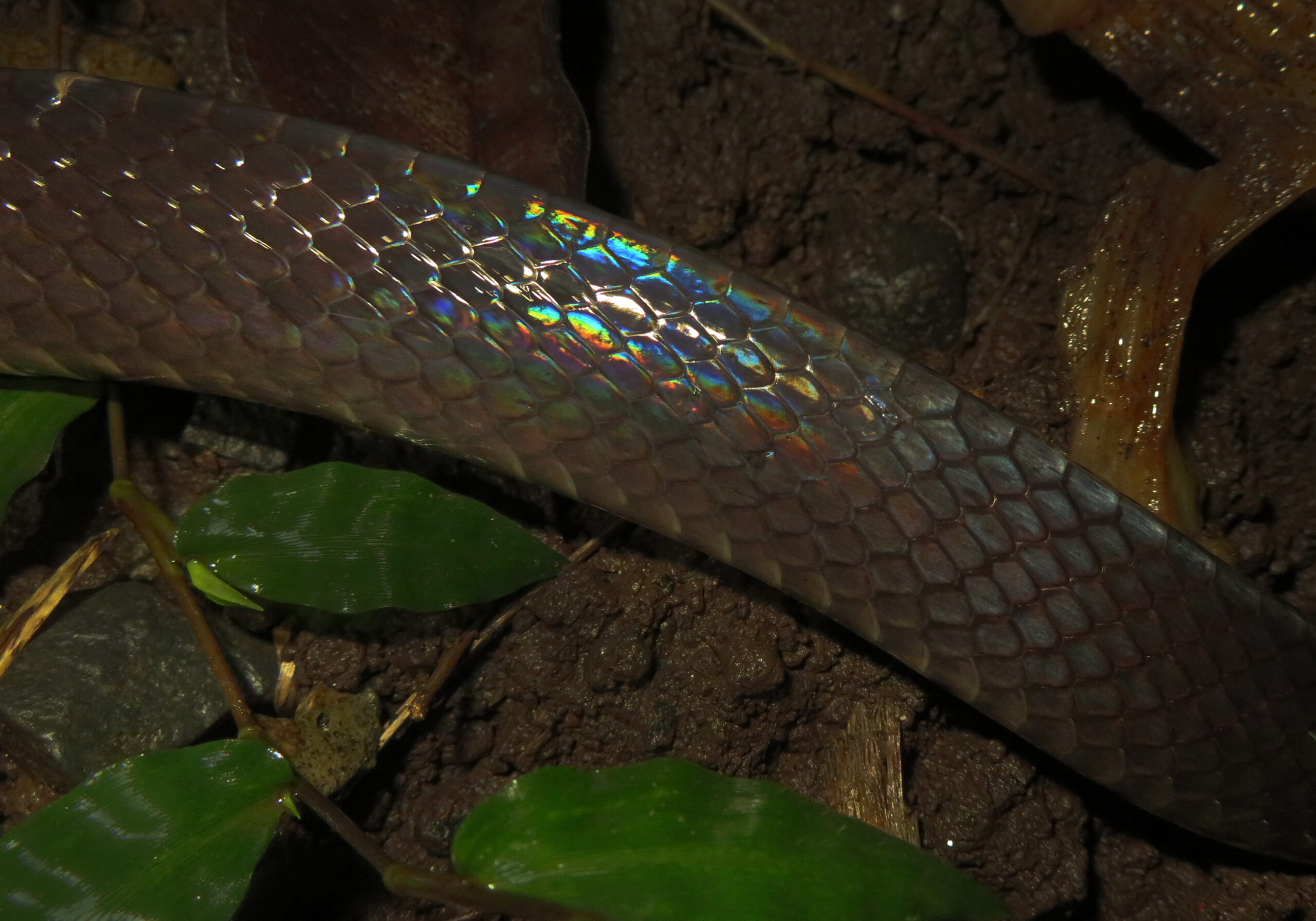
Bungarus candidus is a medium-sized, slender snake that typically reaches 1.0–1.5 m in length, although exceptionally large individuals may exceed 1.8 m. It is readily recognized by its glossy black or bluish-black body marked with distinct white or cream-colored crossbands that encircle the body. The head is only slightly broader than the neck and is usually black with a white marking on the snout or neck. The scales are smooth and highly polished, and the vertebral scales are enlarged, producing a characteristic hexagonal ridge along the back.
This species is primarily nocturnal and spends the day concealed beneath logs, leaf litter, rocks, burrows, or dense vegetation. At night it becomes active and hunts mainly on the ground, although it is capable of climbing when necessary. It is generally shy and avoids confrontation but may become defensive if cornered or handled.
Bungarus candidus is a specialized predator that feeds predominantly on other snakes, including venomous species, but it also consumes lizards, frogs, rodents, and occasionally small birds. Like other kraits, it subdues prey using a potent neurotoxic venom, which rapidly affects the nervous system.
The species is oviparous. Females lay clutches of approximately 4–12 eggs in sheltered locations such as burrows, hollow logs, or beneath debris. The hatchlings are fully independent and possess venom of similar potency to that of adults.
The venom of Bungarus candidus is medically significant and contains powerful neurotoxins that interfere with nerve transmission, potentially causing progressive muscle paralysis and respiratory failure if untreated. Bites are considered medical emergencies requiring immediate treatment with appropriate antivenom and supportive care.
Ecologically, Bungarus candidus plays an important role as a predator of snakes, rodents, and other small vertebrates, helping regulate their populations within natural ecosystems. In turn, it may be preyed upon by large birds of prey, mongooses, and other snake-eating animals. Although often feared because of its venom, the Malayan Krait is an essential component of Southeast Asian ecosystems and contributes to maintaining ecological balance through its role as a specialized predator.