

Water Buffaloes and Anoas (Genus Bubalus)
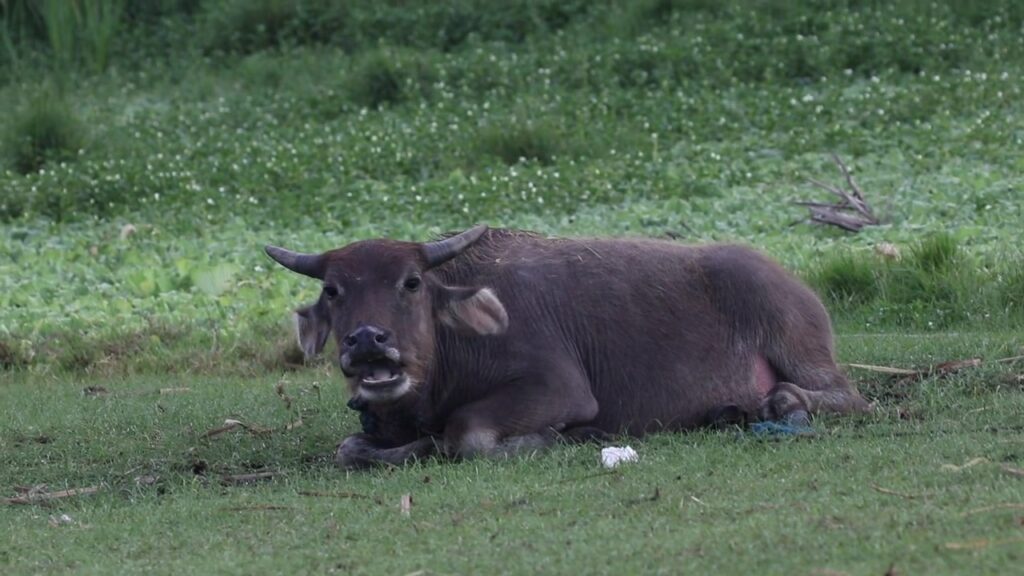
The genus Bubalus comprises a group of large, hoofed mammals in the family Bovidae, subfamily Bovinae. Its members are commonly known as buffaloes and are characterized by their robust bodies, broad muzzles, strong limbs, and distinctive horns. They are important components of natural and agricultural ecosystems across parts of Asia, and some species have played major roles in human history through domestication, farming, transportation, and cultural traditions. The genus includes the wild water buffalo (Bubalus arnee), the domestic water buffalo (Bubalus bubalis), and several other closely related forms, although species boundaries and classifications vary among taxonomic authorities.
Animals in Bubalus are generally large, heavily built herbivores with deep chests, broad heads, muscular necks, and relatively short, sturdy legs. Their bodies are covered in short hair, which varies in color from gray and brown to nearly black, depending on the species and individual. Their broad muzzles and strong jaws are adapted for grazing on grasses and other vegetation. Compared with many other bovids, buffaloes often have a particularly robust appearance and substantial horns, making them distinctive among large Asian mammals.
The horns are among the most recognizable features of the genus. In many species, they extend outward from the sides of the head and curve backward or upward, although their shape and size differ considerably. Wild water buffaloes typically possess very large, widely spreading horns, while domestic water buffaloes show substantial variation due to selective breeding. Both males and females may have horns. These structures provide defense against predators and can be used in competition between individuals, especially during the breeding season.
The genus is associated primarily with South and Southeast Asia, although domestic water buffaloes have been introduced to many other regions. Wild species inhabit wetlands, floodplains, grasslands, marshes, river valleys, and forest edges where water and forage are available. Water is especially important to many buffaloes, which frequently wallow in mud or immerse themselves in shallow water. Wallows help them cool their bodies, reduce irritation from biting insects, and protect the skin from excessive heat. Habitat requirements vary among species, and the availability of suitable wetland environments strongly influences their distribution.
Members of Bubalus are herbivores that feed on grasses, sedges, aquatic plants, and other vegetation. Water buffaloes often graze in wet grasslands and flooded fields, but they may also browse on shrubs and consume a range of plant species when preferred food is scarce. Their digestive systems are adapted to ferment fibrous plant material in a complex, multi-chambered stomach. This enables them to obtain nutrients from vegetation that many non-ruminant mammals cannot efficiently digest. Through grazing, buffaloes influence plant communities and participate in nutrient cycling within wetlands and grassland ecosystems.
Buffaloes are social animals, although group size and organization differ between wild and domestic populations. Wild individuals may form herds, often consisting of females and their young, while adult males may spend more time alone or in smaller groups. Herd living can improve vigilance and offer protection against predators. Buffaloes communicate through vocalizations, scent cues, body posture, and physical interactions. Their behavior is influenced by food availability, water access, reproductive condition, and disturbance from humans.
Reproduction in Bubalus generally involves sexual maturity followed by mating and a prolonged gestation period. Water buffaloes usually give birth to a single calf, which can stand and move soon after birth. Mothers nurse and protect their young, while calves gradually begin consuming vegetation as they grow. The timing of reproduction varies with species, climate, food supply, and management practices in domestic herds. In wild populations, successful breeding depends heavily on the availability of suitable habitat and sufficient food and water.
The genus has considerable economic and cultural importance. Domestic water buffaloes are raised for milk, meat, hides, and, in some agricultural systems, draft power. Buffalo milk is used to produce foods such as cheese, yogurt, and butter, while working animals have historically helped farmers plow fields and transport goods. Domestic buffaloes are particularly important in rice-growing regions because they can work in muddy fields where some other large livestock are less suitable. Their role in agriculture has contributed to their spread and the development of many locally adapted breeds.
Wild members of Bubalus face significant conservation challenges. The wild water buffalo is threatened by habitat loss, fragmentation, hunting, and interbreeding with domestic buffaloes. Other wild buffalo species, such as the tamaraw (Bubalus mindorensis) of the Philippines, have very restricted distributions and are vulnerable to habitat conversion and hunting. The anoas of Sulawesi—often classified in Bubalus as the lowland anoa (Bubalus depressicornis) and mountain anoa (Bubalus quarlesi)—are also threatened by habitat degradation and hunting. Their classification and common names may vary between sources, but they are widely recognized as distinctive wild bovids of Indonesia.
Overall, Bubalus is an important genus of Asian bovids that combines ecological significance with a long history of association with humans. Its members are adapted to grazing, wetland habitats, and, in many cases, life in social groups. While domestic water buffaloes remain essential livestock in many parts of the world, wild buffaloes and anoas require effective habitat protection and conservation measures to ensure their continued survival.