Bali Wildlife
Every Spices Matter


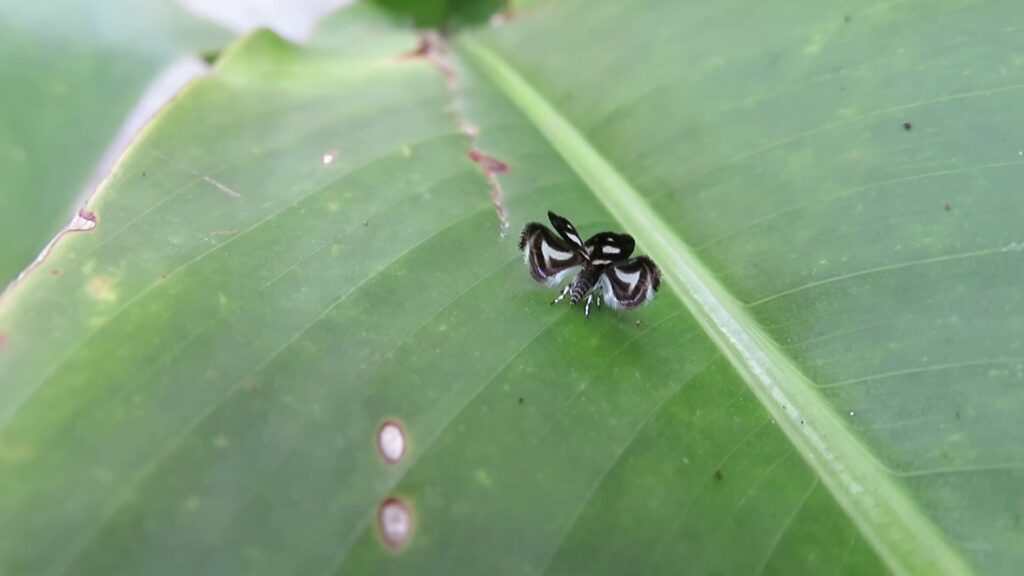
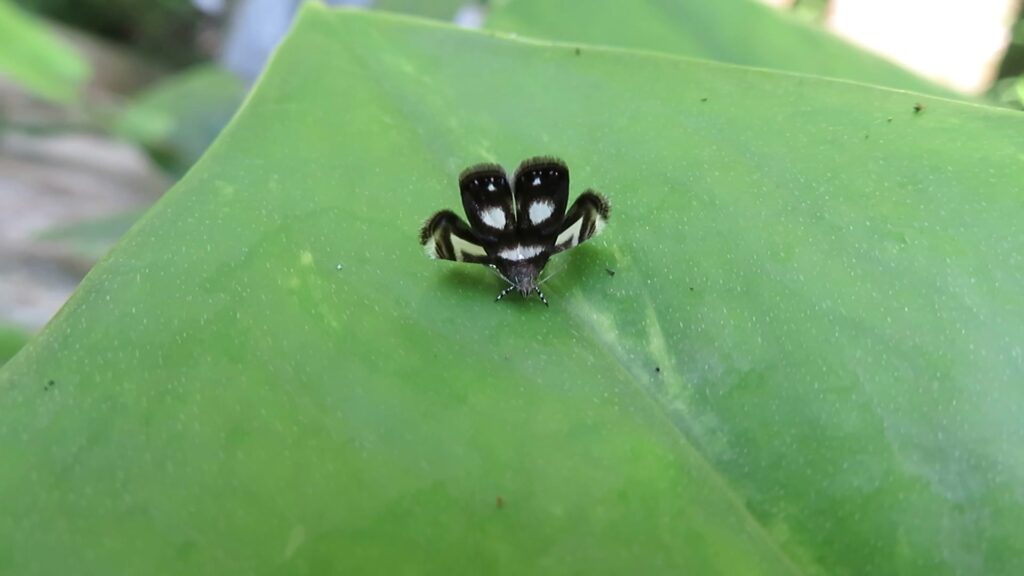
Genus Brenthia is a genus of small moths belonging to the family Choreutidae within the order Lepidoptera. Members of this genus are known for their distinctive wing patterns, compact bodies, and characteristic resting posture, which can make them resemble jumping spiders. Many species possess contrasting markings, bands, and patches on their wings that contribute to their unusual appearance and may help them avoid predators. They are generally found in forested habitats and other environments with suitable host plants, particularly in tropical and subtropical regions. Adult moths typically have narrow wings and relatively short bodies, while their larvae develop on host plants, where they feed on plant tissues. The immature stages may remain concealed among leaves or other plant structures, providing protection from predators and environmental disturbances. Species of Brenthia are especially notable for behaviors that resemble those of jumping spiders, including movements and resting positions that may reduce the likelihood of being recognized as prey by potential predators. Their small size and cryptic habits can make them difficult to observe in the wild. Like other moths, they undergo complete metamorphosis, progressing through egg, larval, pupal, and adult stages. Although the genus is of interest because of its unusual appearance and possible defensive mimicry, the biology, host-plant associations, and ecological relationships of many species remain incompletely documented. As components of terrestrial food webs, Brenthia moths participate in plant-associated ecological interactions and serve as potential prey for insectivorous predators. Their populations may be influenced by changes in vegetation, habitat loss, pesticide exposure, and other environmental pressures affecting the ecosystems in which they occur.